
The Immaculate Conception — History & Facts
The Immaculate Conception by Giovanni Battista Tiepolo is an oil painting executed between 1767 and 1768. The work presents the Catholic doctrine of the Immaculate Conception of the Virgin Mary, a subject frequently treated in Spanish religious art of the eighteenth century. Painted in the final years of Tiepolo's career, it reflects his mature style and was created during his period in Spain, where he was active at the court of Charles III. The composition centers on the figure of the Virgin Mary, who is shown standing on a crescent moon, with her hands clasped in prayer and her gaze directed upward.
She is surrounded by a radiant burst of golden light and encircled by cherubs and angels, some holding lilies and roses, traditional symbols of purity. The lower part of the canvas features clouds and additional angelic figures, while the palette is dominated by soft blues, whites, and warm golds, creating a luminous and airy effect. Tiepolo’s fluid brushwork and delicate transitions of light emphasize the celestial atmosphere of the scene. This painting is part of the collection of the Museo del Prado.
It was created during Tiepolo’s stay in Madrid, where he received several important commissions for religious institutions. The painting remains a significant example of Tiepolo’s late religious works and demonstrates the influence of Spanish devotional iconography on his art.
More Artworks by Giovanni Battista Tiepolo
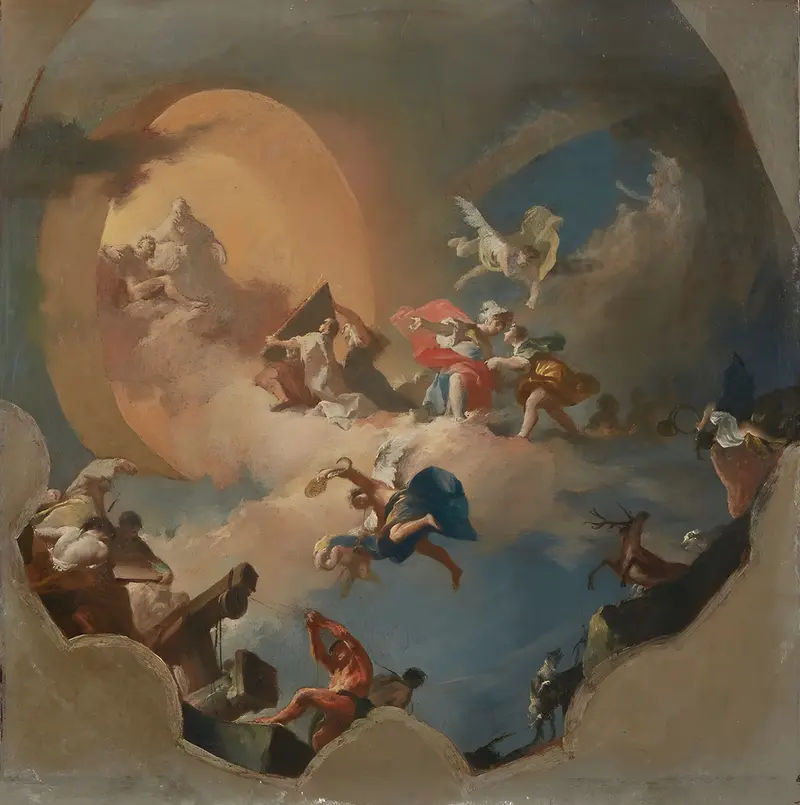
The Apotheosis of the Arts
Giovanni Battista Tiepolo
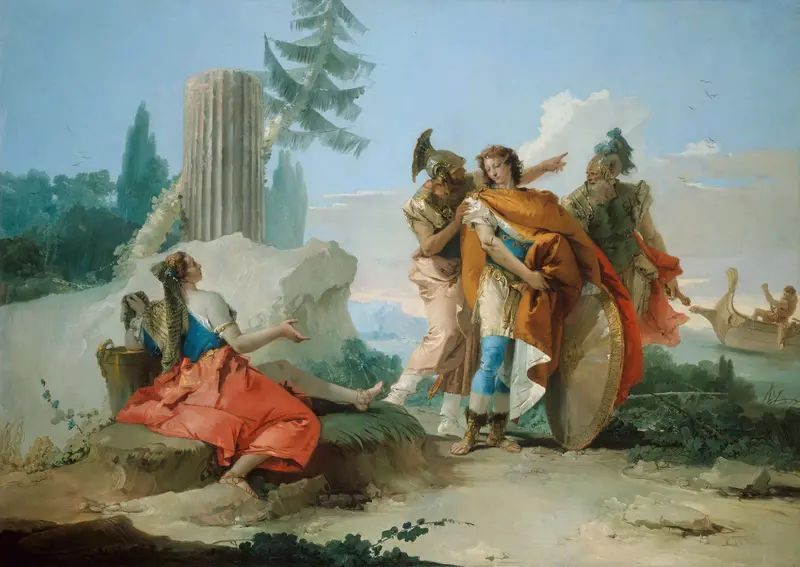
Armida Abandoned by Rinaldo
Giovanni Battista Tiepolo
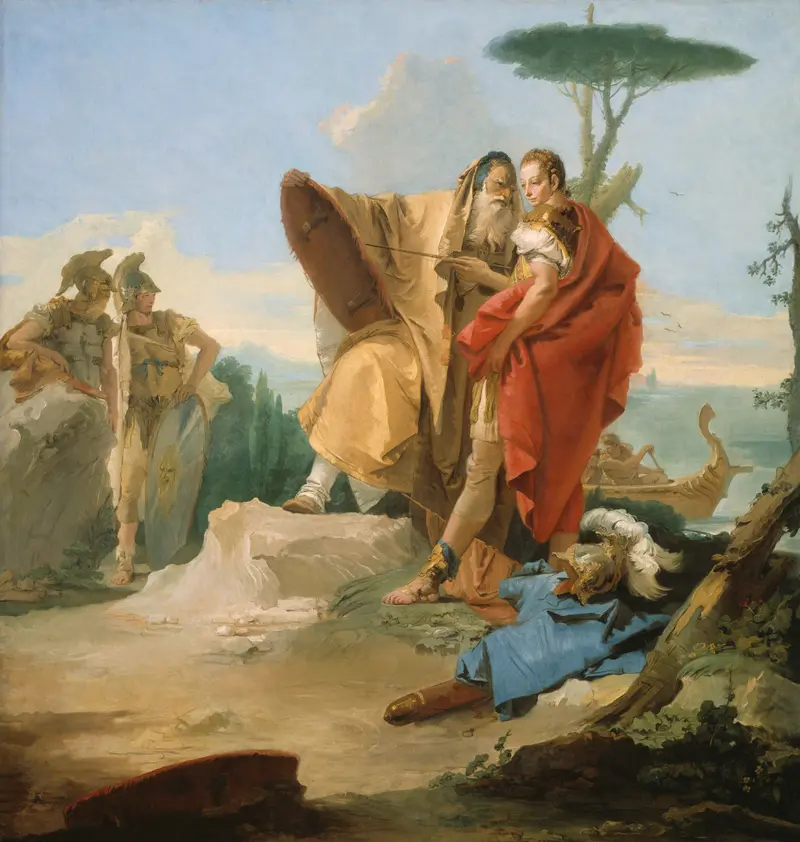
Rinaldo and the Magus of Ascalon
Giovanni Battista Tiepolo
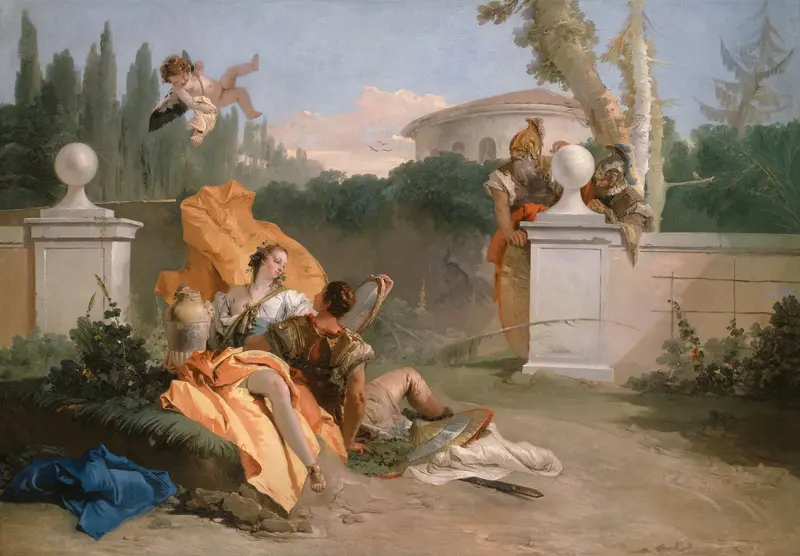
Rinaldo and Armida in Her Garden
Giovanni Battista Tiepolo
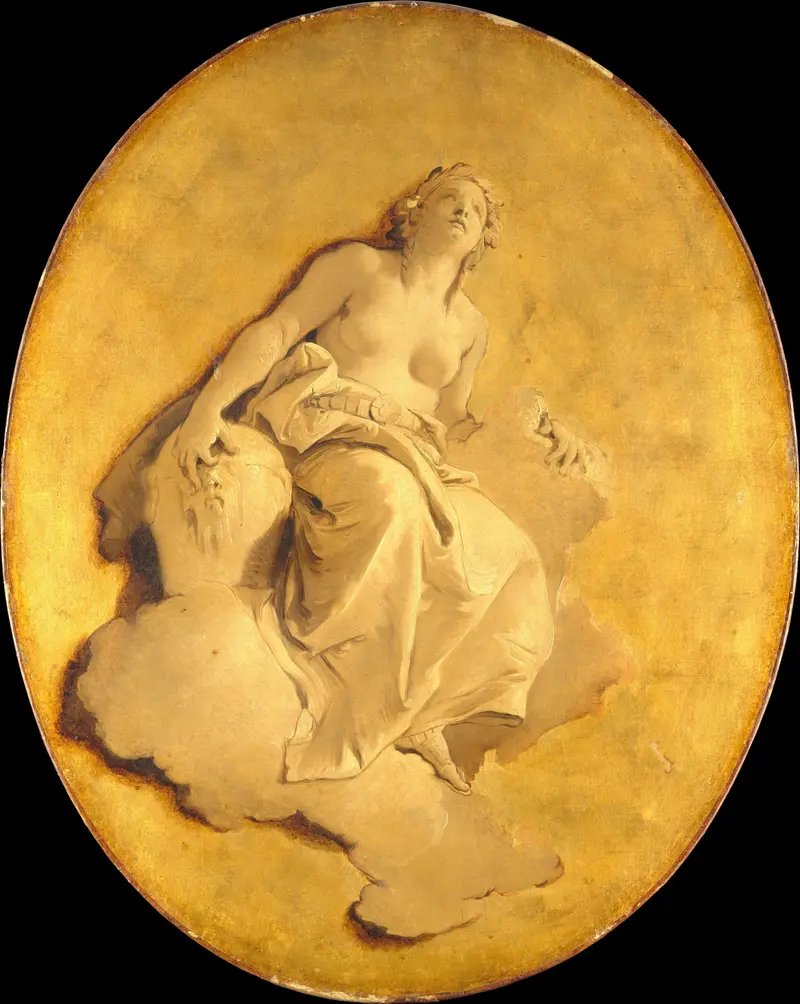
A Female Allegorical Figure
Giovanni Battista Tiepolo
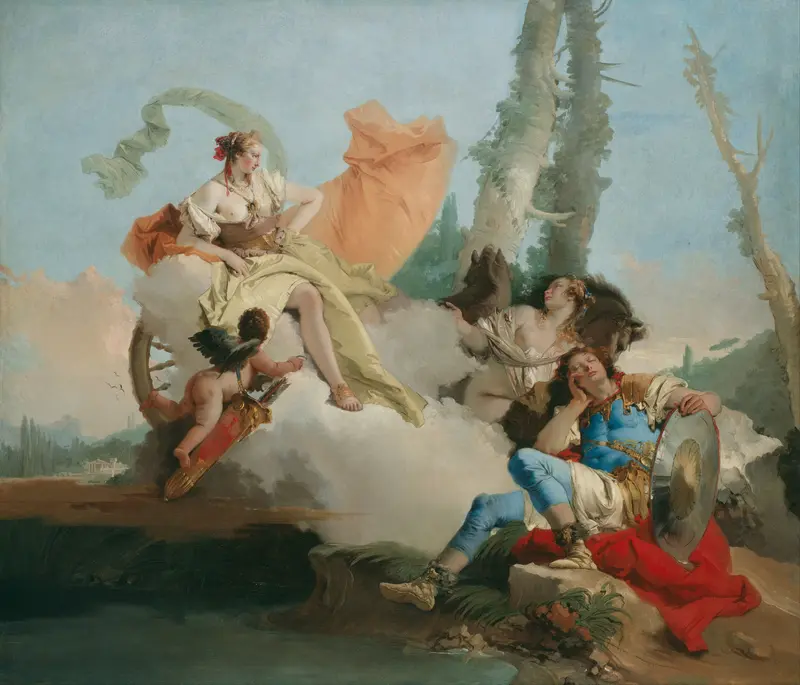
Armida Encounters the Sleeping Rinaldo
Giovanni Battista Tiepolo
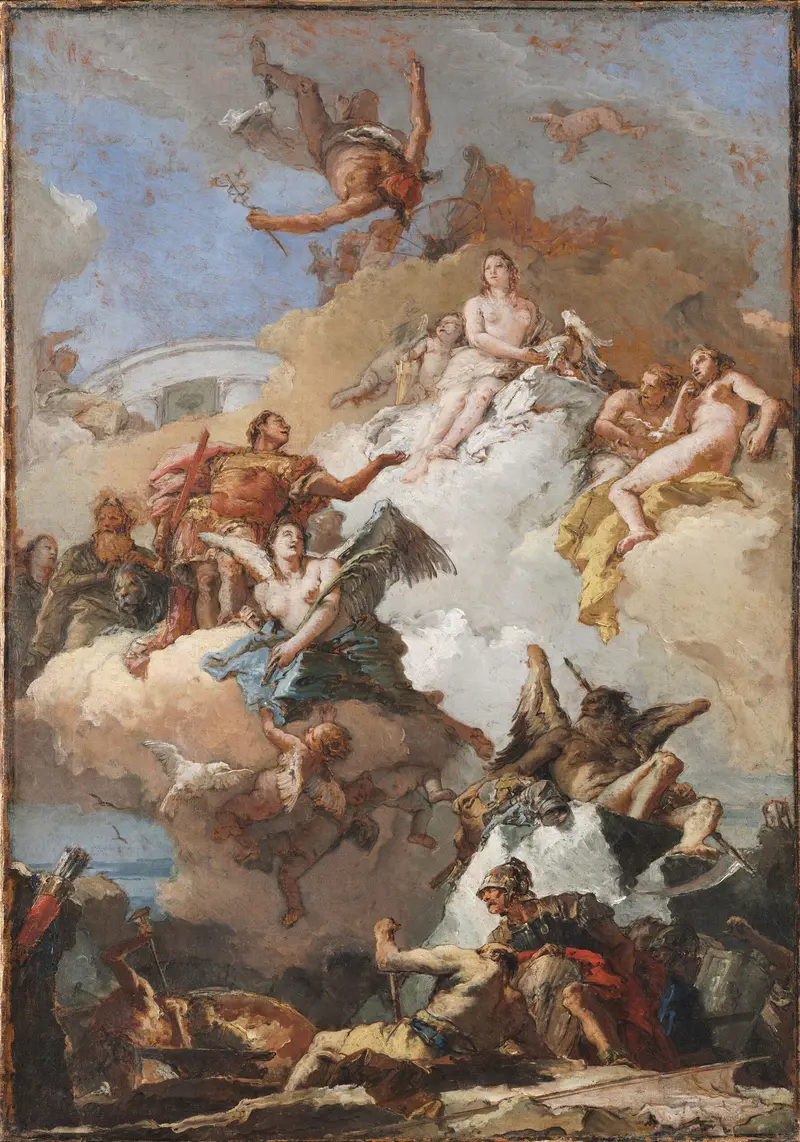
The Apotheosis of Aeneas
Giovanni Battista Tiepolo
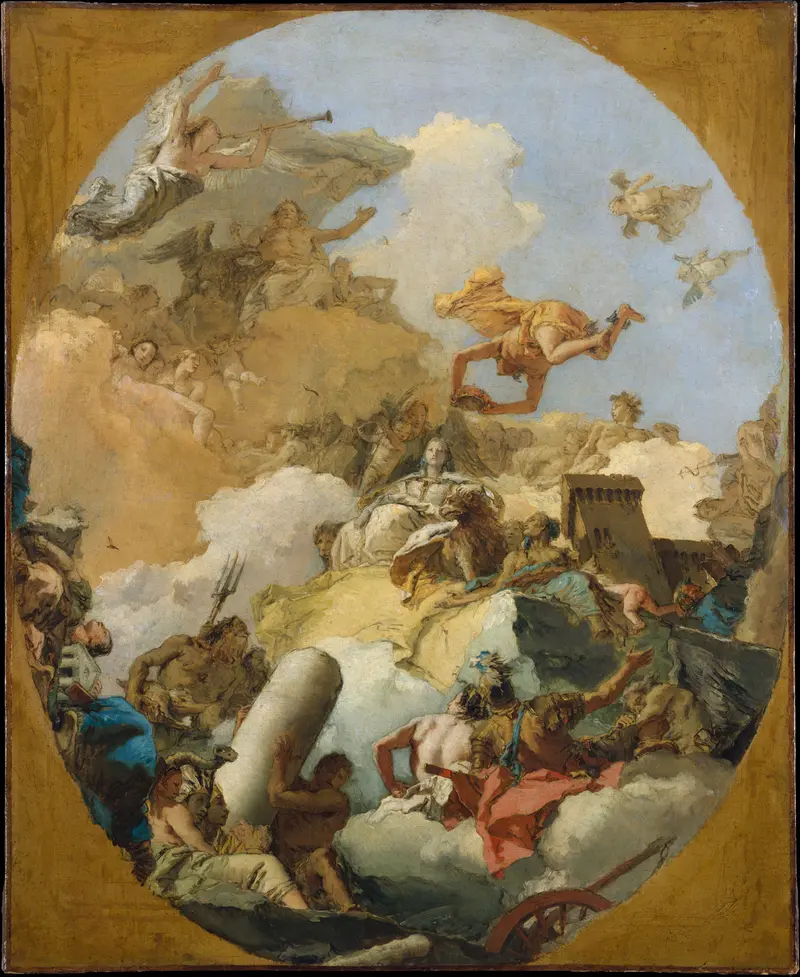
The Apotheosis of the Spanish Monarchy
Giovanni Battista Tiepolo
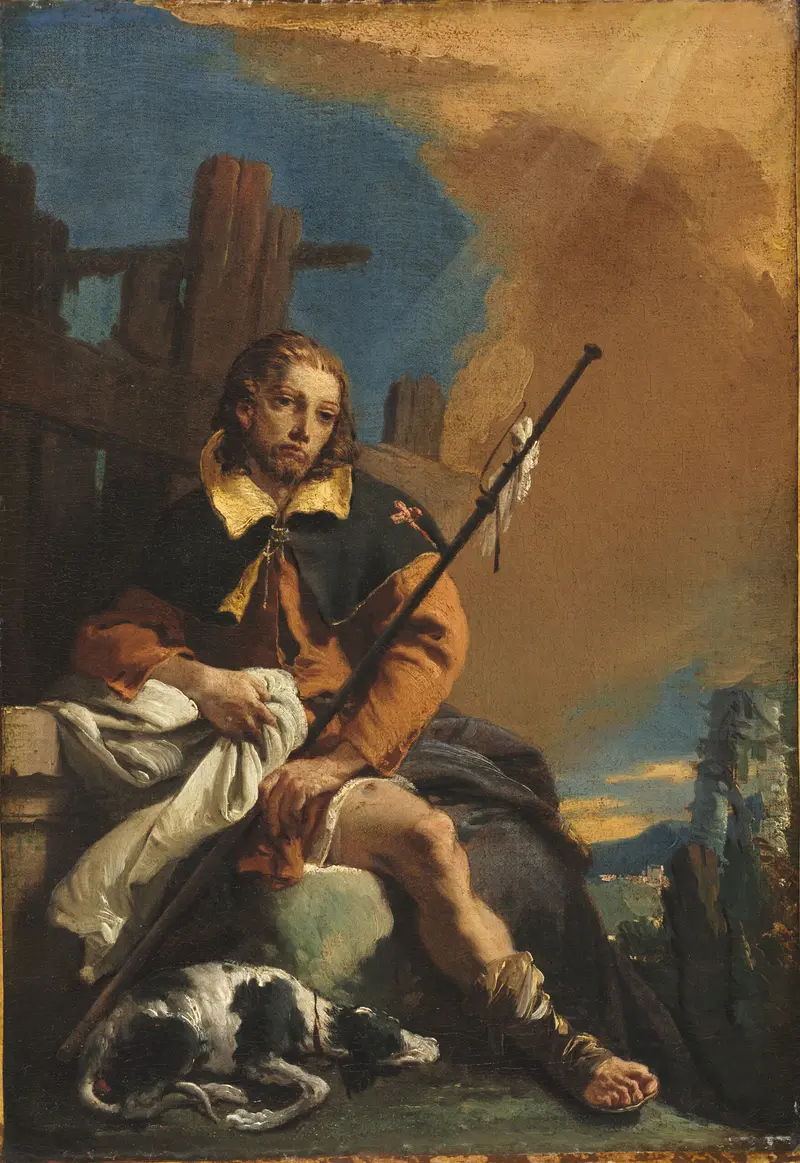
Saint Roch as a Pilgrim
Giovanni Battista Tiepolo
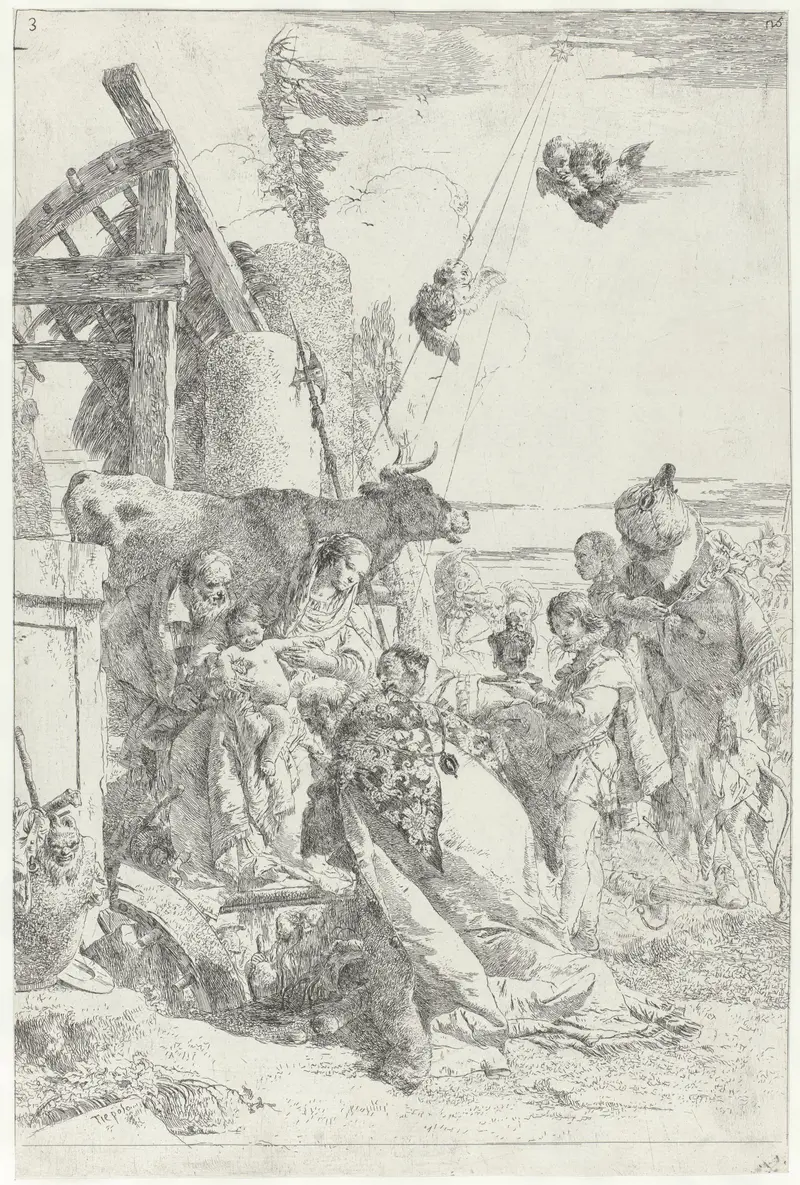
Aanbidding van Christuskind door drie koningen
Giovanni Battista Tiepolo





