
Allegory of Astronomy — History & Facts
When Artemisia Gentileschi painted Allegory of Astronomy around 1640, she was one of the few women in Europe earning her living as a professional artist—a fact that made her a subject of fascination and, at times, controversy. This painting is part of a series of allegorical works that Gentileschi produced during her years in Naples, a city then bustling with artistic innovation and noble commissions. The identity of the patron who requested this particular allegory remains uncertain, and the work’s medium is still debated among scholars.
What is clear, however, is that Gentileschi was deliberately engaging with a genre—female personifications of the sciences—that was almost always painted by men. In this painting, the allegorical figure of Astronomy sits poised, her gaze lifted as if reading the heavens, a celestial globe resting at her side. Draped in luminous fabrics, she holds a compass in one hand and points upward with the other, signaling the search for knowledge beyond the earthly realm. The starlit diadem crowning her head identifies her as Urania, the muse of astronomy, while the open book at her feet suggests the importance of study and observation.
Unlike the more static allegories by Guido Reni or Simon Vouet, Gentileschi’s figure is alert and engaged, her body twisting with a sense of purpose. The strong, directional light—so characteristic of the Baroque—highlights the tactile reality of her hands and face, grounding this symbol of science in the world of flesh and intellect. The subsequent history of Allegory of Astronomy is not fully documented, but it is believed to have remained in private Neapolitan collections for centuries, rarely appearing in public exhibitions. Its attribution to Artemisia Gentileschi was once questioned, as allegorical subjects were often copied and imitated, but recent scholarship has affirmed her authorship based on stylistic details and archival references.
Today, the painting is recognized as a significant example of Gentileschi’s mature work, reflecting both her technical skill and her engagement with intellectual themes. It stands as a testament to her unique position in the Baroque world: a woman artist who claimed the right to depict not only myth and history, but also the sciences themselves.
More Artworks by Artemisia Gentileschi

Judith Beheading Holofernes
Artemisia Gentileschi
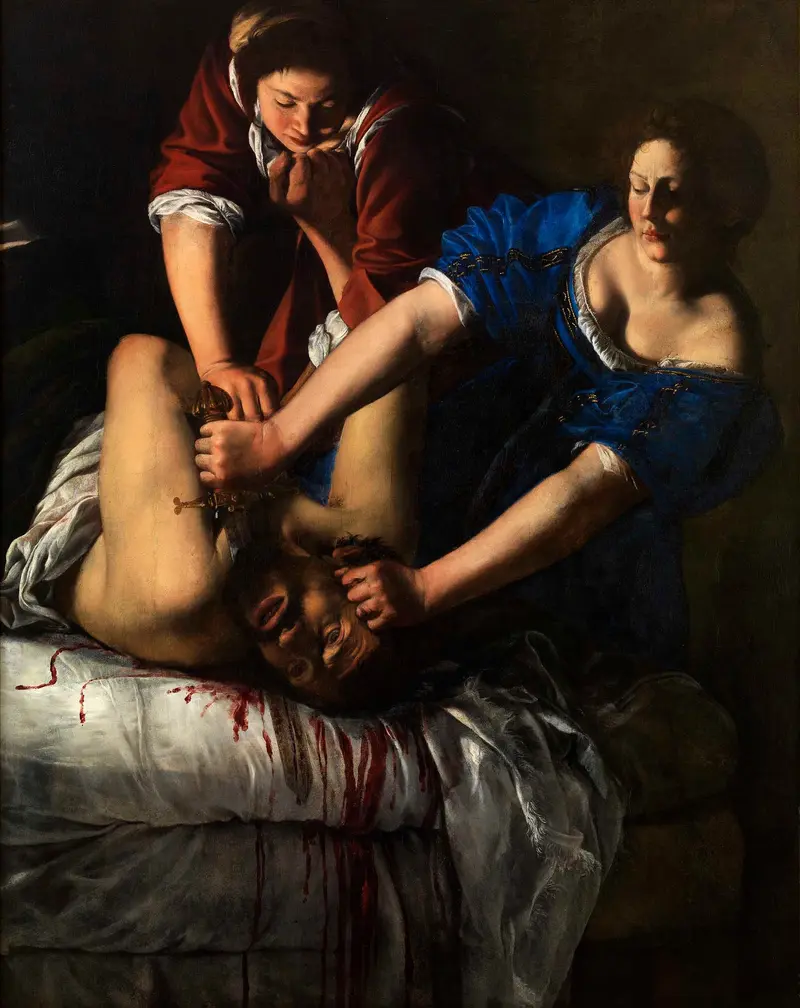
Judith Slaying Holofernes
Artemisia Gentileschi
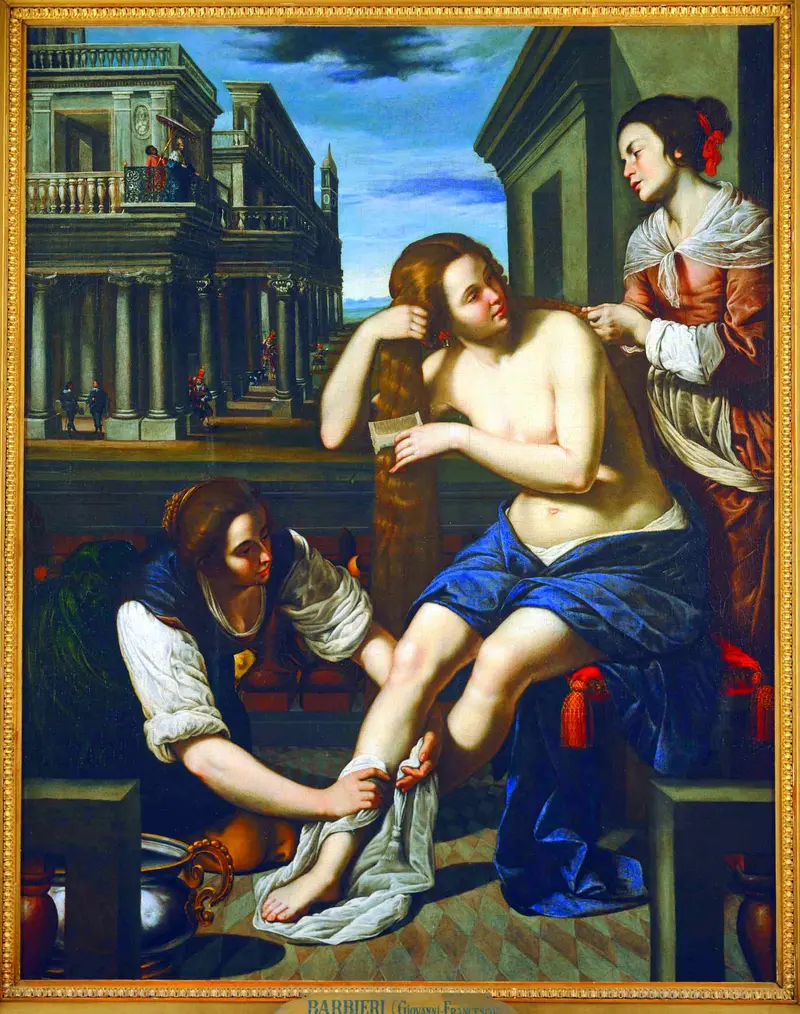
Bathsheba at Her Bath
Artemisia Gentileschi
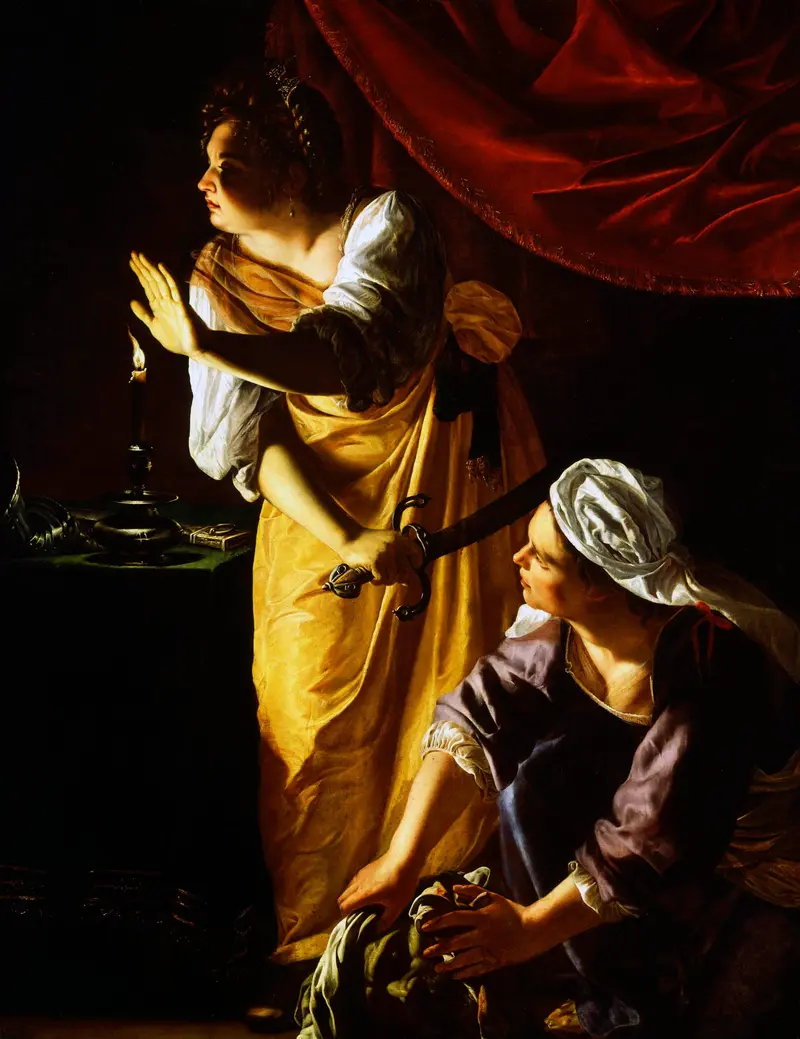
Judith and Maidservant with Head of Holofernes
Artemisia Gentileschi
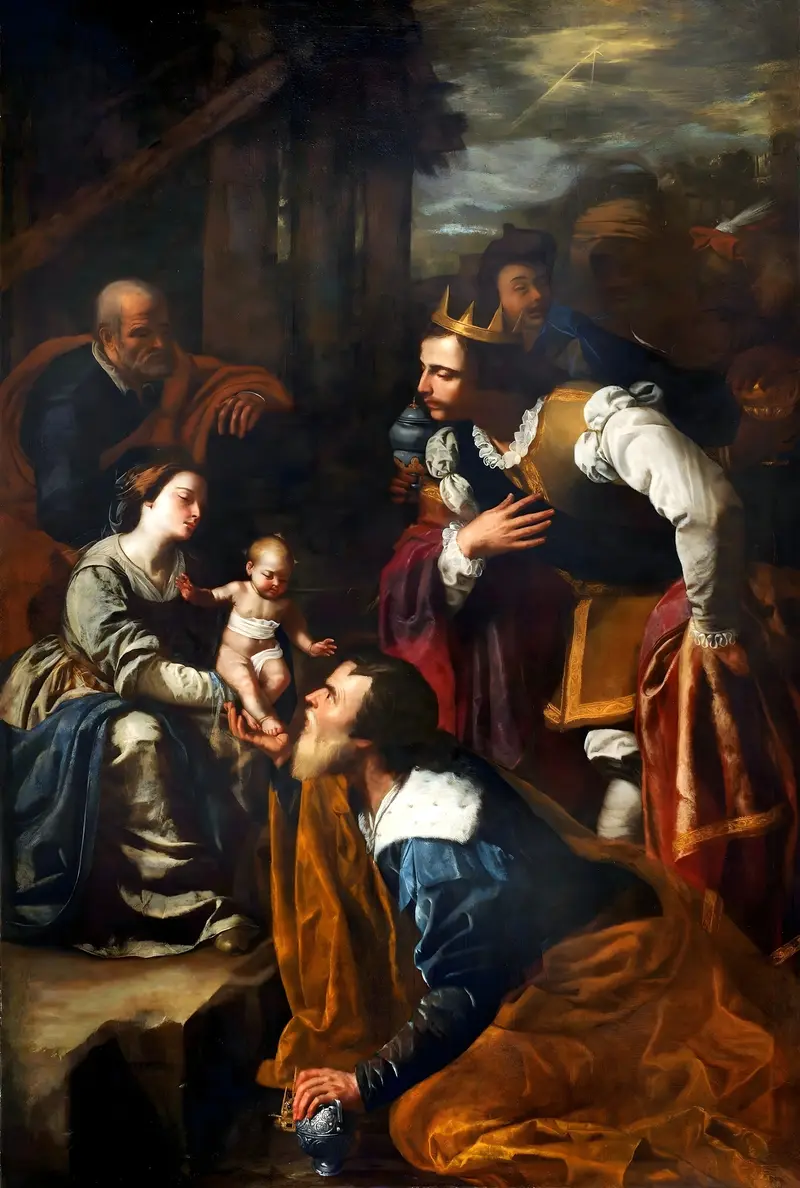
Adoration of the Magi
Artemisia Gentileschi
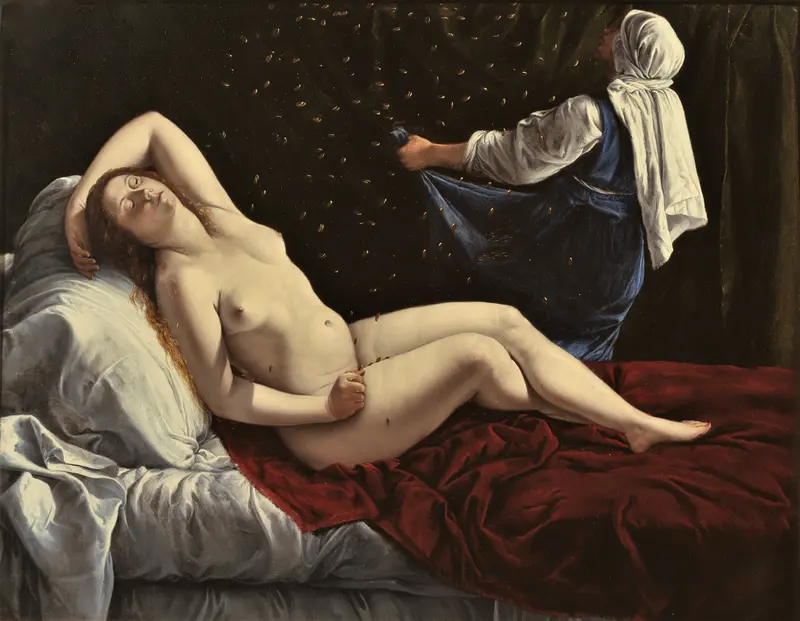
Danaë
Artemisia Gentileschi
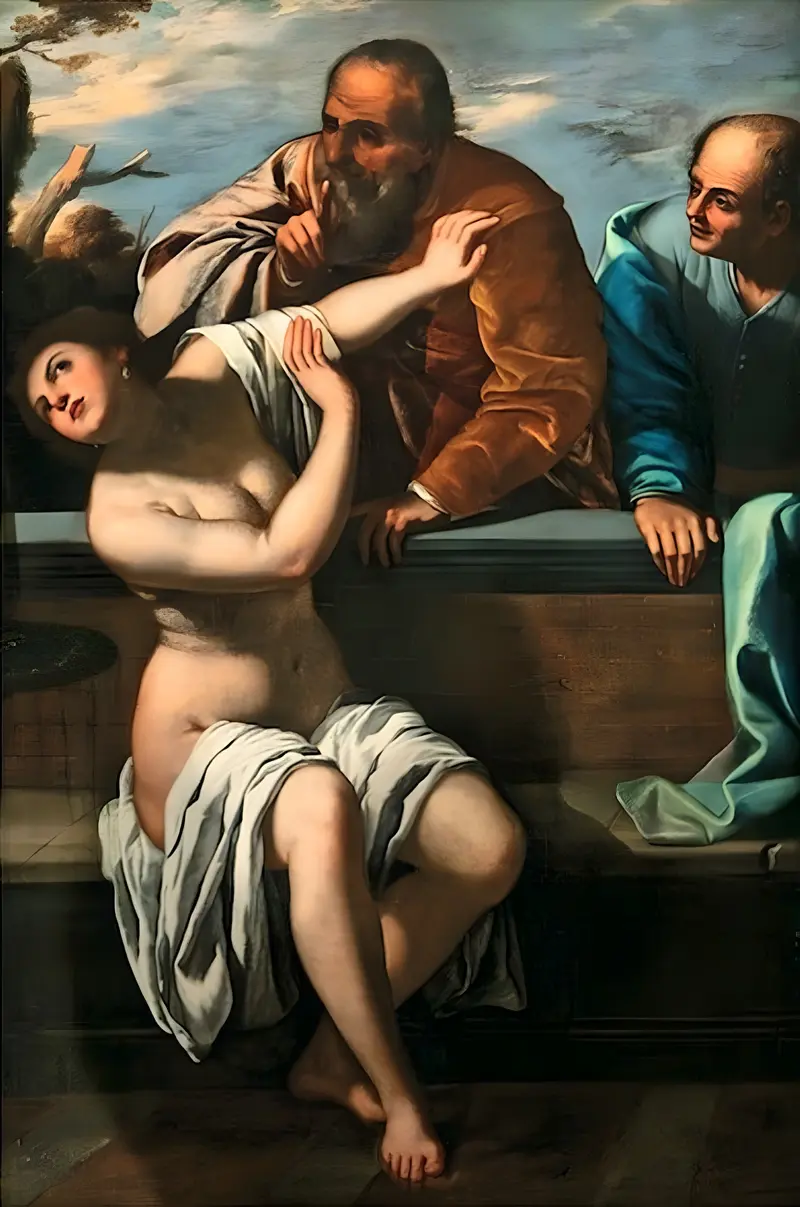
Susannah and the Elders
Artemisia Gentileschi

Judith and her Servant with the Head of Holofernes
Artemisia Gentileschi
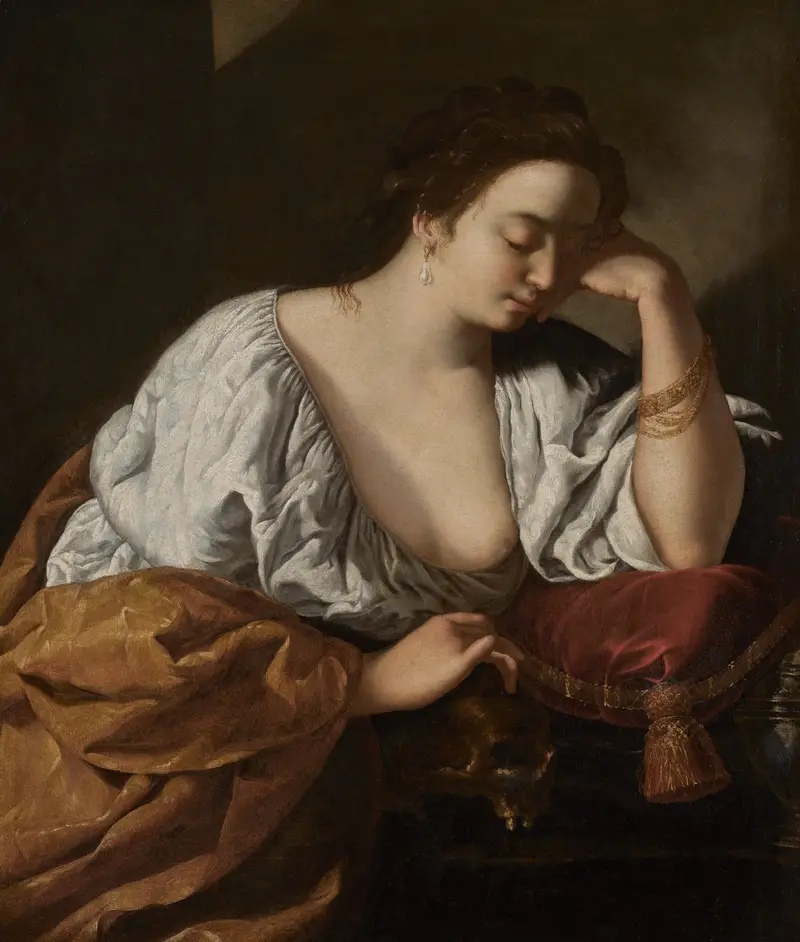
Madeleine pénitente, par
Artemisia Gentileschi
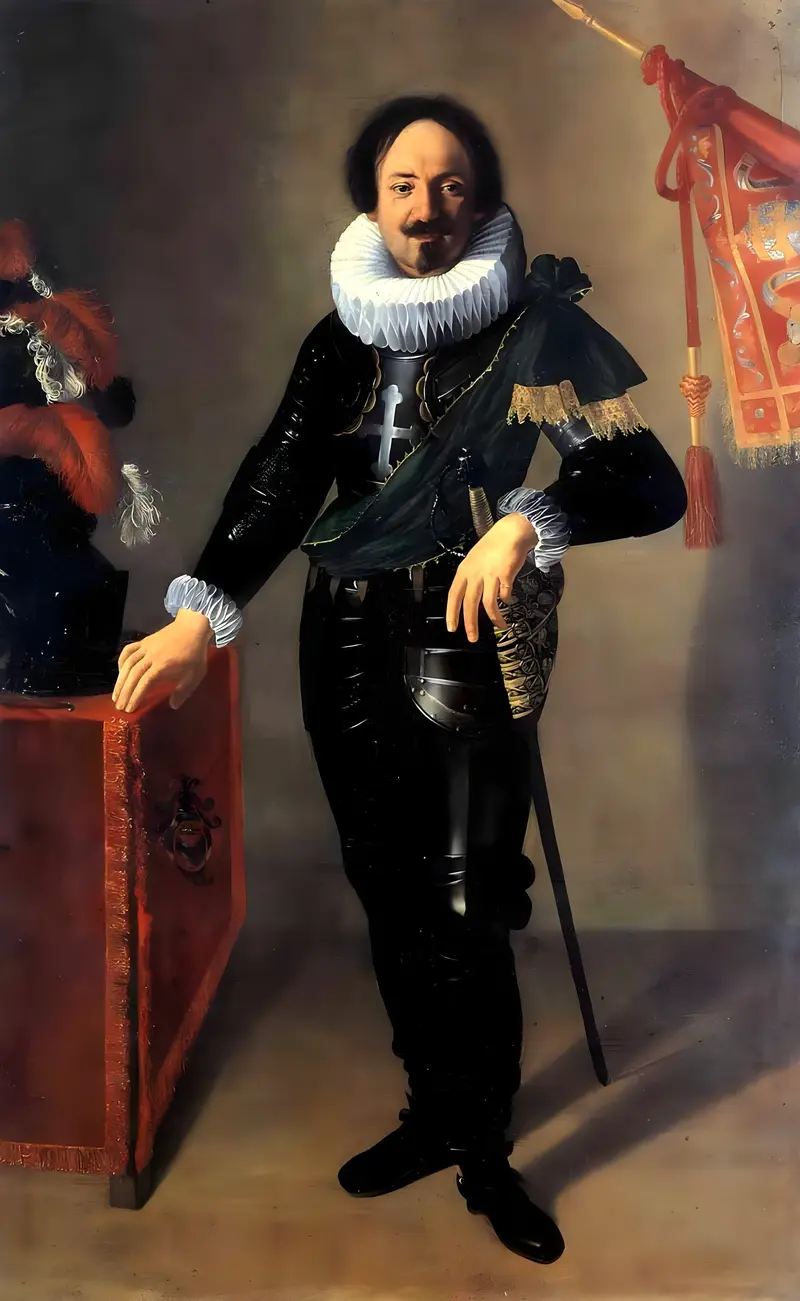
Portrait of a Gonfaloniere
Artemisia Gentileschi





