
Allegory of Winter — History & Facts
What draws the eye first is the quiet intensity of the figure’s concentration: a man, wrapped in a heavy fur cap and dark cloak, bends over a brazier, his face lit by the glow of embers. Every detail—the careful grip of the tongs, the gentle curl of smoke, the ruddy light on his knuckles—serves to heighten the sense of winter’s chill and the solace of warmth. The palette is rich but muted, with deep shadows pressing in from the edges, forcing the viewer’s gaze to linger on the ritual of tending the fire.
This is not just a portrait of a season, but a meditation on survival, comfort, and the small acts that define daily life in the coldest months. Painted between 1625 and 1630, Allegory of Winter belongs to a tradition in the early Dutch Baroque where allegories of the seasons offered viewers both moral reflection and visual delight. Such works often adorned the homes of prosperous merchants, celebrating the cycles of nature and the virtues needed to endure them. In this era, artists like Abraham Bloemaert were admired for their ability to transform everyday gestures into symbols of larger truths.
While the specific journey of this canvas through history is not well documented, its presence in the Web Gallery of Art collection today invites us to consider how the hardships and comforts of winter have always shaped human experience—one glowing coal at a time.
More Artworks by Abraham Bloemaert

Adam and Eve
Abraham Bloemaert
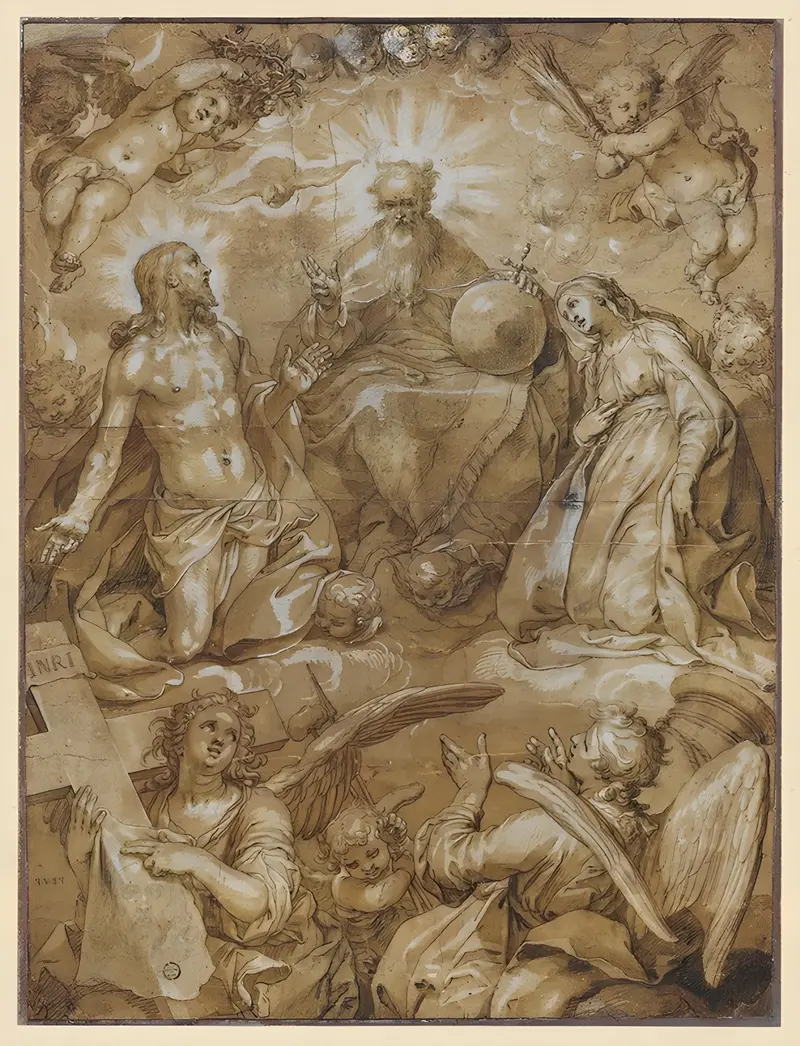
Intercession of Christ and Mary before God the Father
Abraham Bloemaert
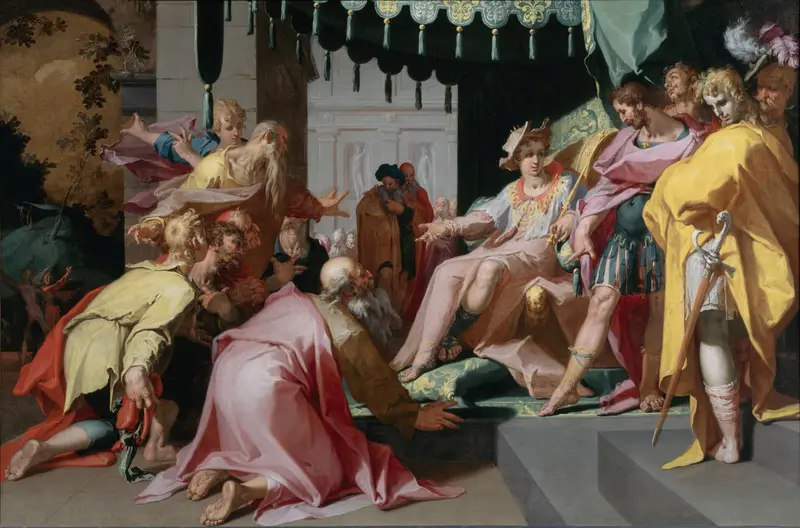
Joseph and his Brothers
Abraham Bloemaert
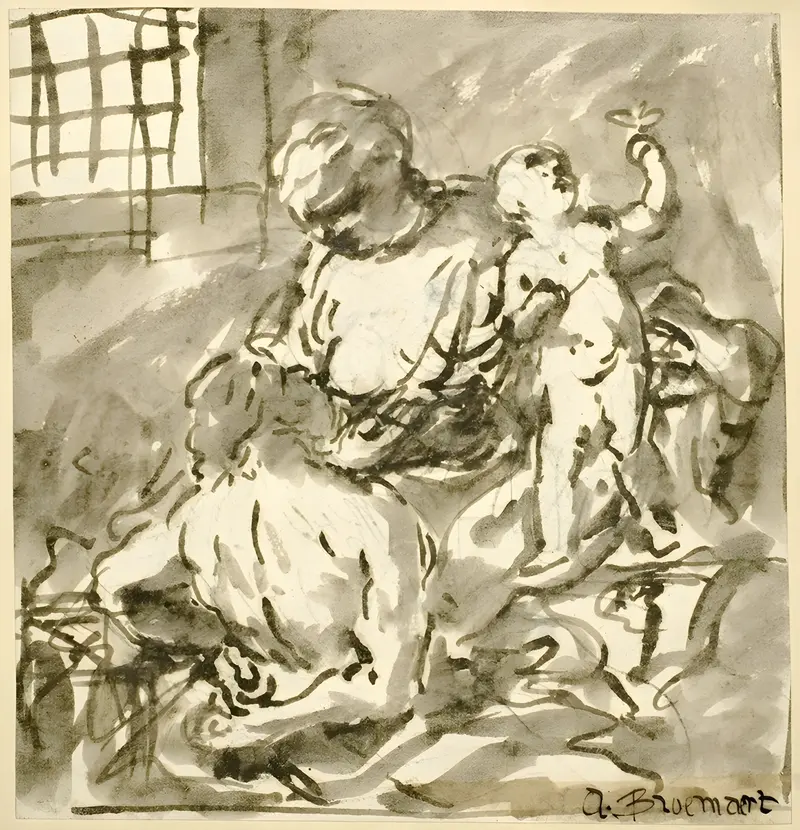
Caritas Romana
Abraham Bloemaert
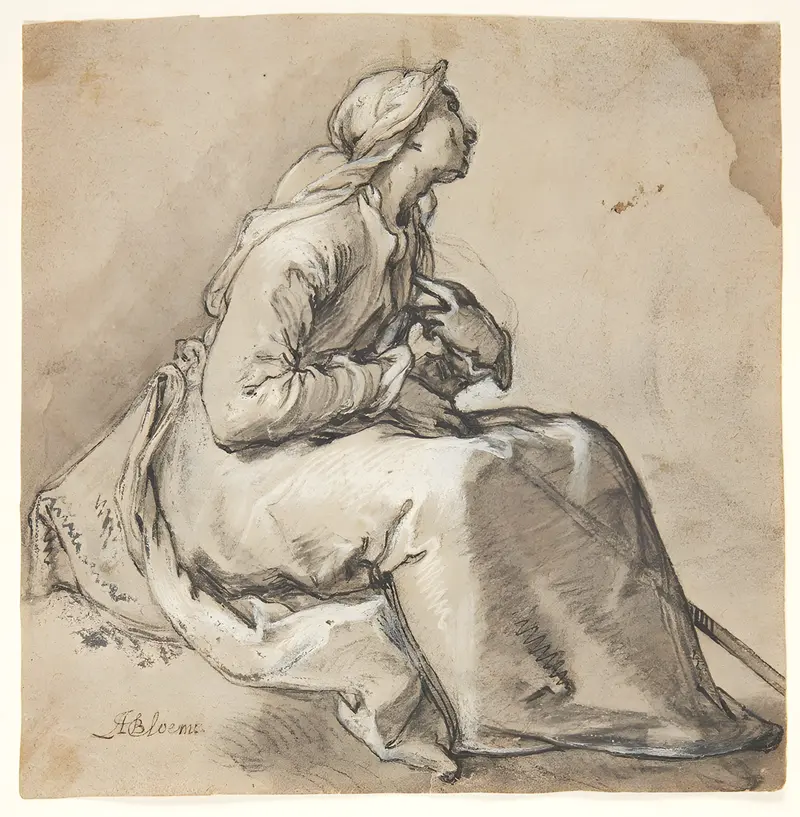
A seated woman facing right
Abraham Bloemaert
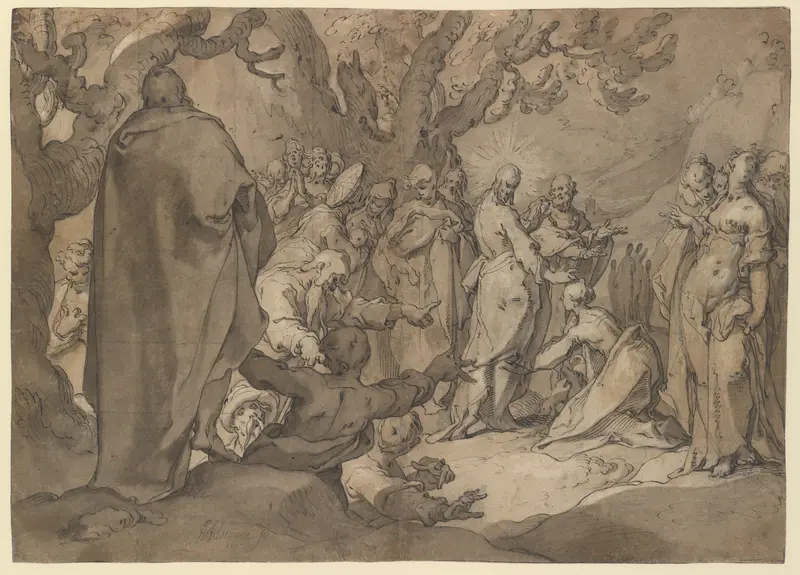
Christ and the Canaanite Women
Abraham Bloemaert
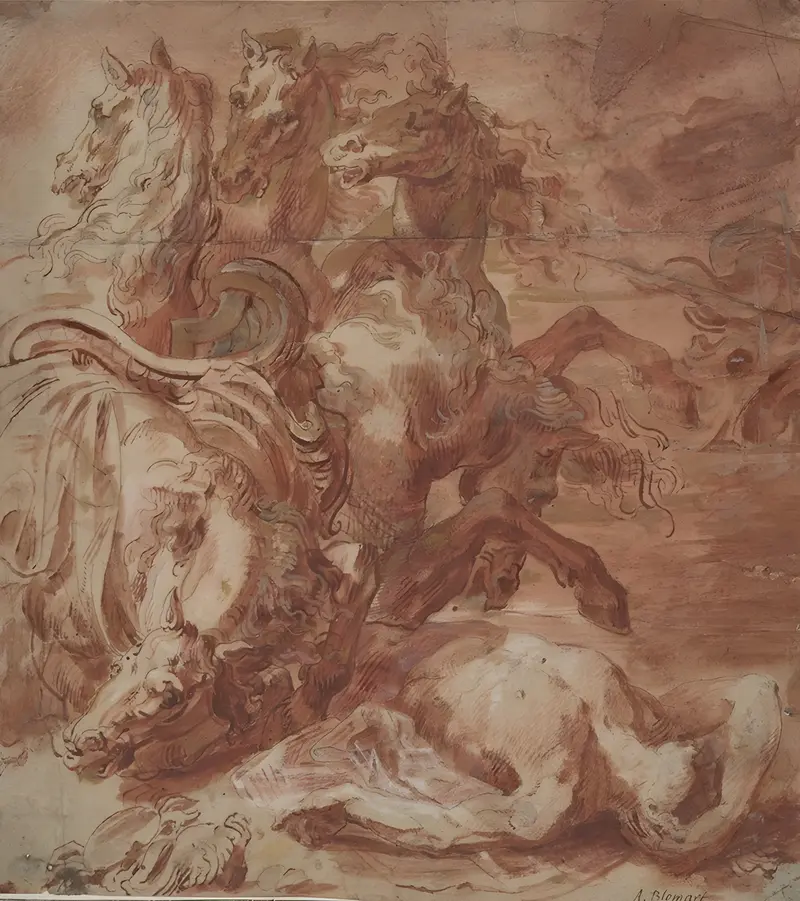
Hippolytus
Abraham Bloemaert
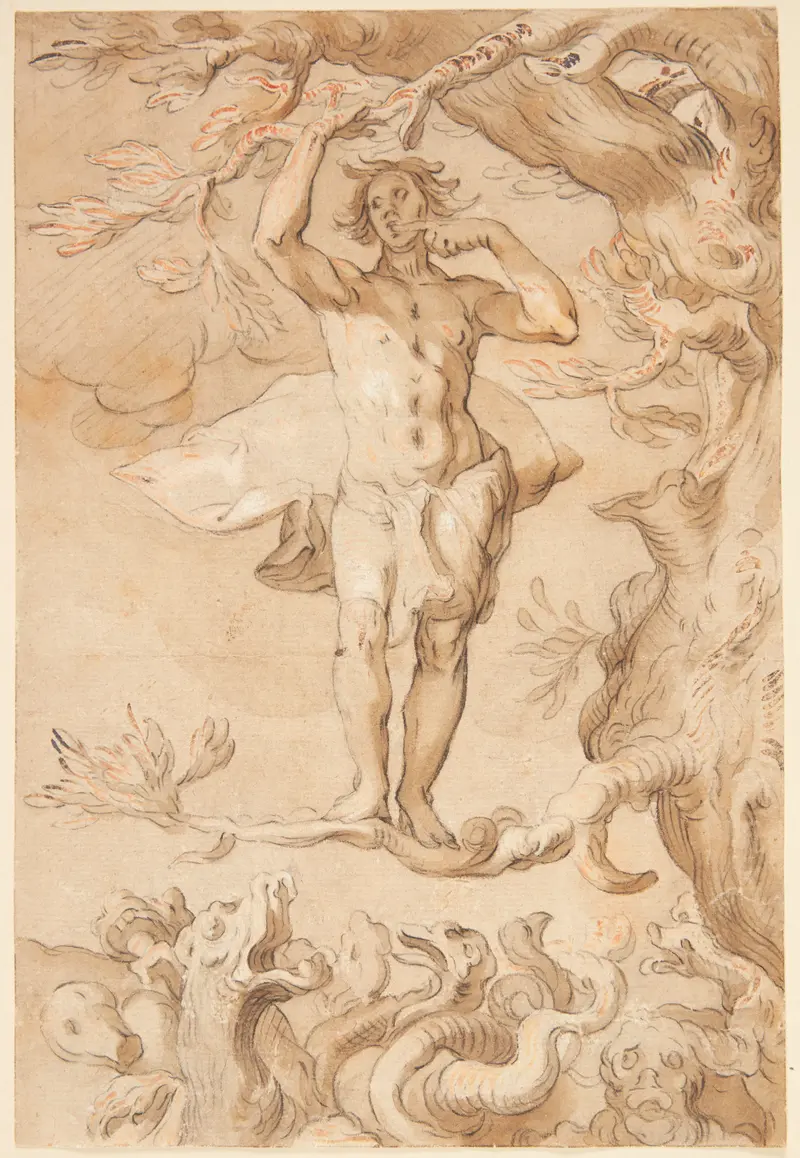
Den menneskelige glædes skrøbelighed En mand, der jages af en drage, klynger sig til en gren, mens han slikker honning af sin finger
Abraham Bloemaert

Moses Striking the Rock
Abraham Bloemaert
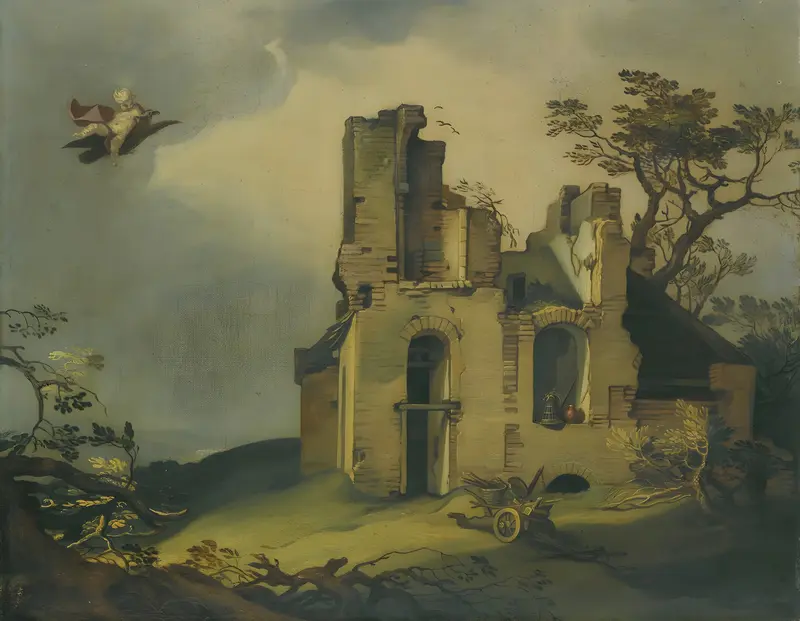
A Landscape With Ruins, With The Rape Of Ganymede
Abraham Bloemaert





