
An organ grinder (a woman of savoy) — History & Facts
When An organ grinder (a woman of savoy) appeared in the late eighteenth century, it startled Parisian audiences by placing a humble street performer—rather than a mythological or aristocratic figure—at the center of attention. This was a bold move for Jean-Honoré Fragonard, who was still best known for his frothy Rococo scenes of courtly love. The painting’s subject, a Savoyard woman earning her living with music on the city streets, was a rare sight in the salons, where such figures were more often ignored or caricatured.
Its existence hints at the shifting tastes of the 1780s, as artists and patrons began to look beyond the gilded world of Versailles to the realities of everyday life. The woman stands poised, her hands on the crank of a modest barrel organ, her gaze turned outward as if inviting the viewer to listen. Her costume—a simple dress with a kerchief and sturdy shoes—marks her as a migrant from Savoy, a region whose people were known for traveling to Paris in search of work. The organ itself, rendered with careful detail, is both her livelihood and her burden.
Unlike the sentimentalized beggars of Greuze, Fragonard’s organ grinder possesses a quiet dignity, her upright posture and direct expression refusing pity. The light falls softly on her face, lending warmth to the scene and suggesting a moment of pause amid the bustle of the city. The painting’s early history is not fully documented, but it likely belonged to a private collector attuned to the new taste for genre scenes. Over time, An organ grinder (a woman of savoy) has been recognized as a rare example of Fragonard’s engagement with social themes, standing apart from his more famous romantic fantasies.
Today, it is valued for its sensitive portrayal of a working woman and its glimpse into the changing priorities of late eighteenth-century French art. The work’s medium remains uncertain, but its spirit—caught between Rococo elegance and the realism soon to come—marks a turning point in the artist’s career.
More Artworks by Jean-Honoré Fragonard
The Swing
Jean-Honoré Fragonard

The Swing
Jean-Honoré Fragonard
A Young Girl Reading
Jean-Honoré Fragonard
The Lock
Jean-Honoré Fragonard

The Triumph of Venus
Jean-Honoré Fragonard
A Game of Hot Cockles
Jean-Honoré Fragonard
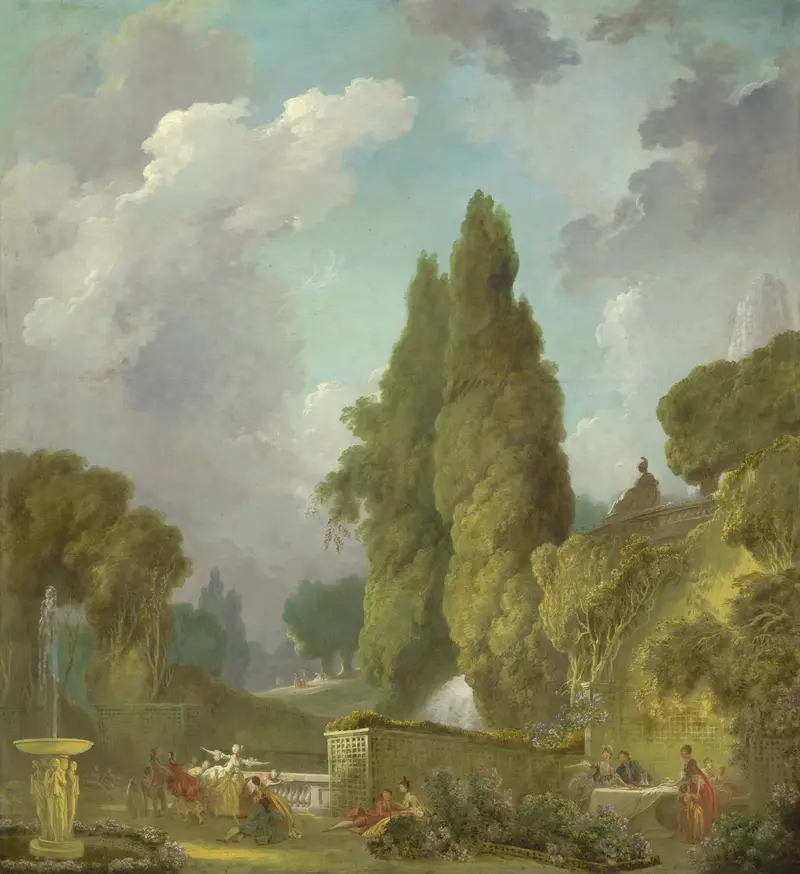
Blindman’s Buff
Jean-Honoré Fragonard
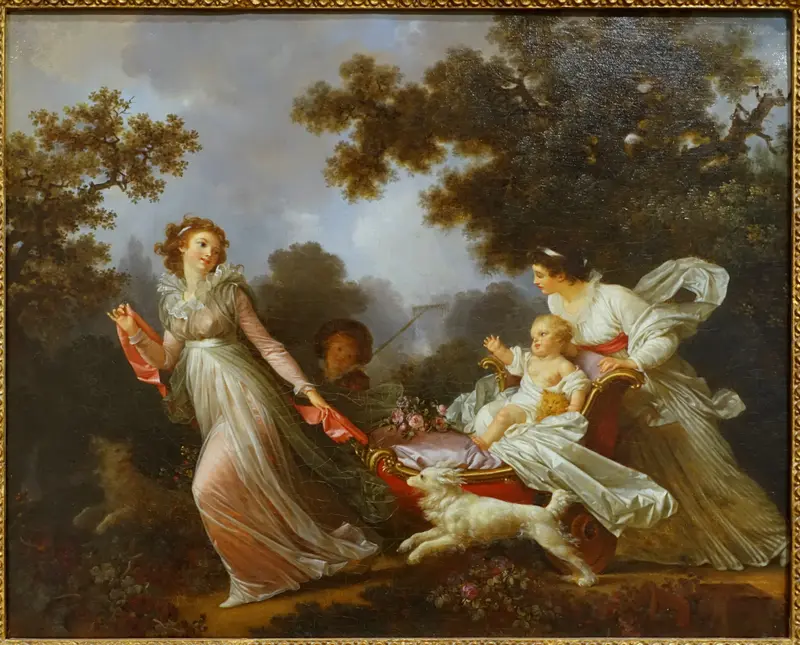
The Beloved Child
Jean-Honoré Fragonard
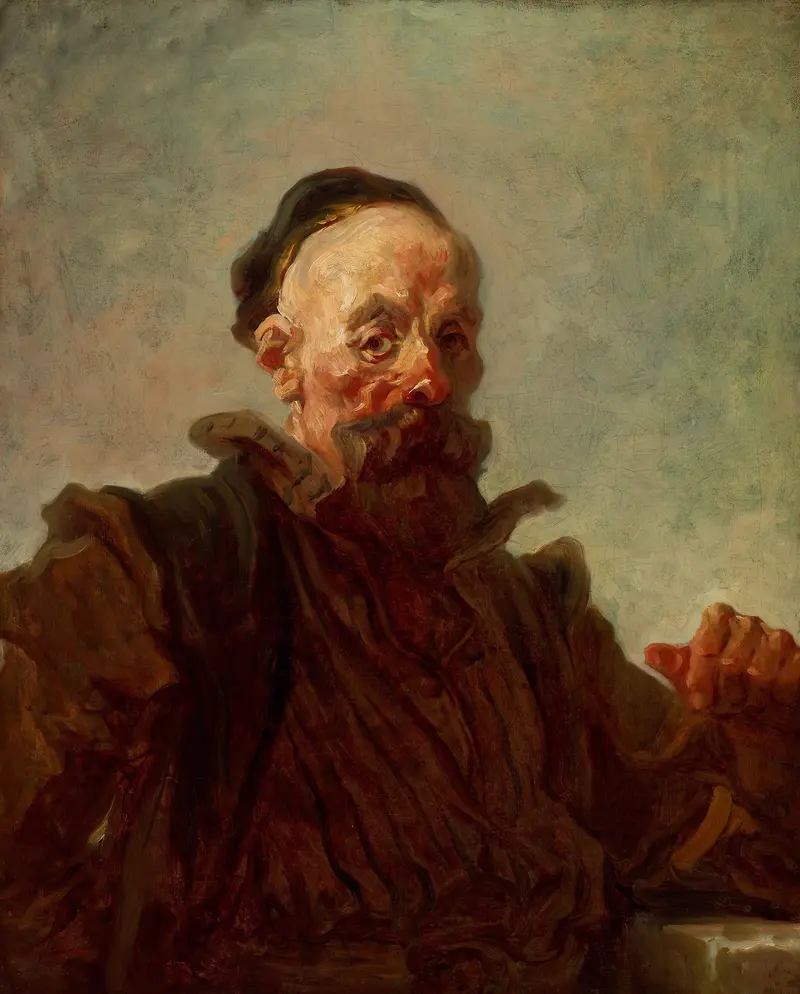
Portrait of a Man in Costume
Jean-Honoré Fragonard
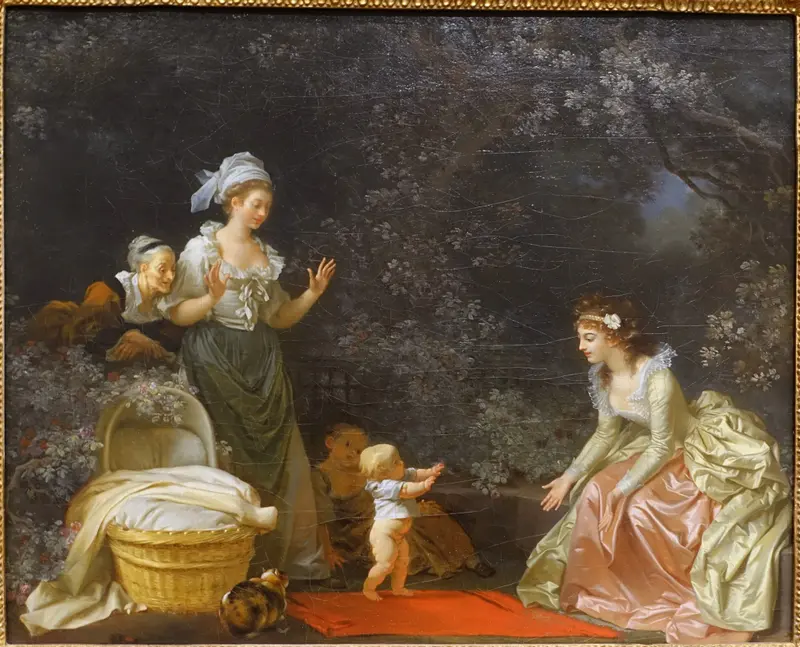
The First Steps
Jean-Honoré Fragonard
More Genre Scene Art

Banquet of the Officers of the St George Civic Guard
Frans Hals

Rembrandt and Saskia in the Scene of the Prodigal Son
Rembrandt van Rijn

Bal du moulin de la Galette
Pierre-Auguste Renoir

Quadrille at the Moulin Rouge
Henri de Toulouse-Lautrec

A Burial at Ornans
Gustave Courbet

When Will You Marry?
Paul Gauguin