
Anton Caspar Rudolph Dreesmann (1854-1934), mede-oprichter Vroom & Dreesmann — History & Facts
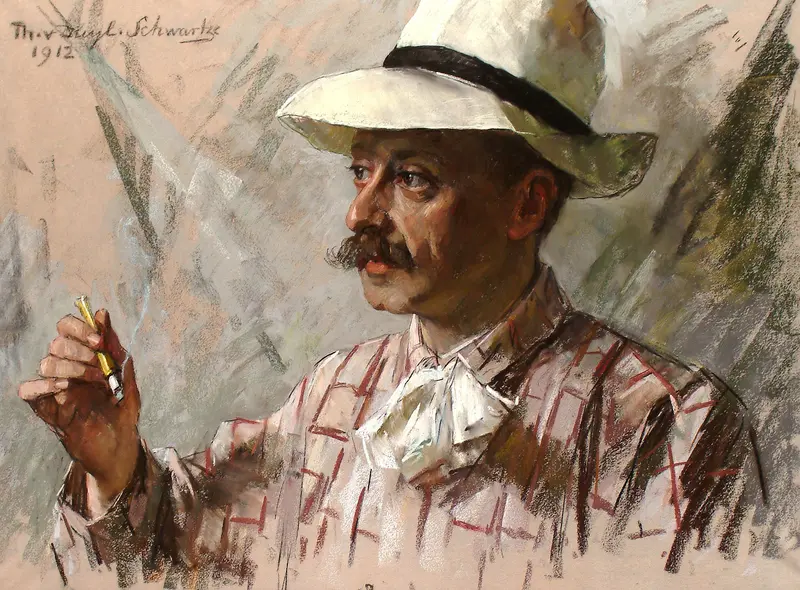
What holds the viewer here is the quiet force of presence: a man in late middle age, seated and composed, yet not at ease. The light falls decisively on his face and hands, drawing attention to the thoughtful gaze and the gentle grip on a pale hat. His suit, dark and formal, blends into the shadowed background, but the red of the chair and the subtle glint of a watch chain offer a counterpoint, suggesting both status and the passage of time.
The artist, Thérèse Schwartze, chooses not to flatter but to reveal, capturing the sitter’s inwardness as much as his public bearing. Painted in 1912, this portrait belongs to a world where the grand tradition of business portraiture met the new, psychological realism of the early twentieth century. Such works were often commissioned by prominent families or institutions to mark personal achievement or civic contribution, and they aimed to project both dignity and individuality. Schwartze was renowned in her era for her ability to convey character through pose and expression, and here she situates her subject—Anton Caspar Rudolph Dreesmann—in the midst of a changing society, on the threshold of modernity.
The painting now resides in the collection documented at http://am.adlibhosting.com/amonline/details/collect/107473, a witness to a time when portraiture was both a record and a statement, inviting us to look again at the face of ambition and introspection.
More Artworks by Thérèse Schwartze

Self-portrait
Thérèse Schwartze
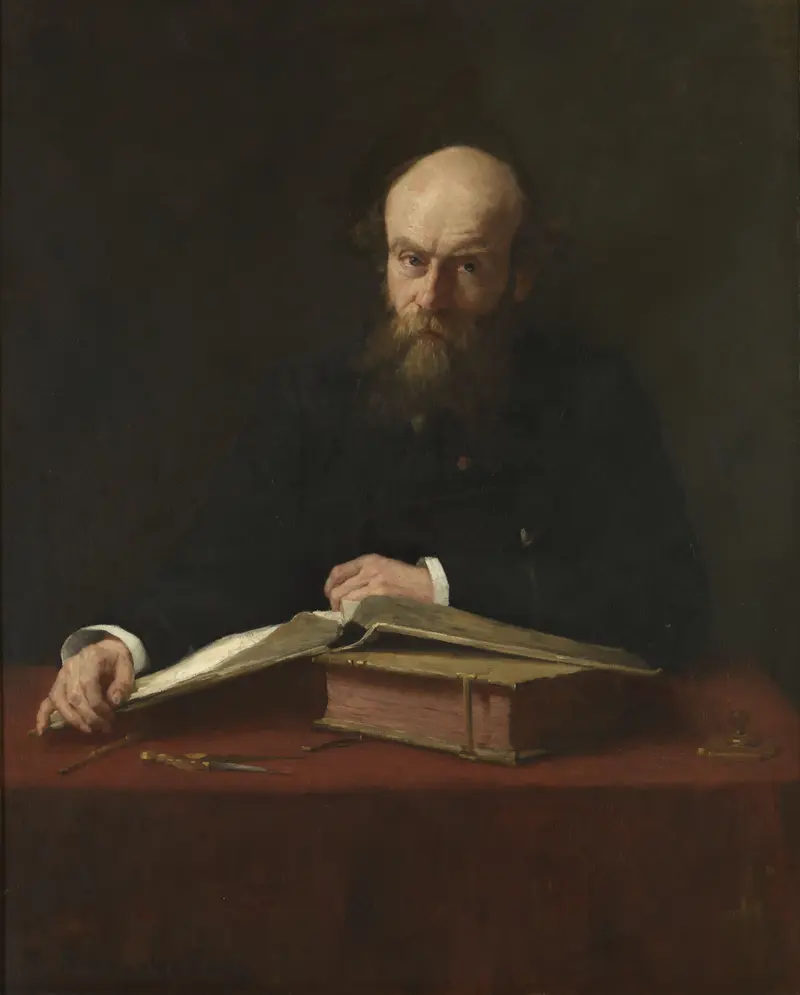
Portrait of Dr. P.J.H. Cuypers (1827-1921)
Thérèse Schwartze
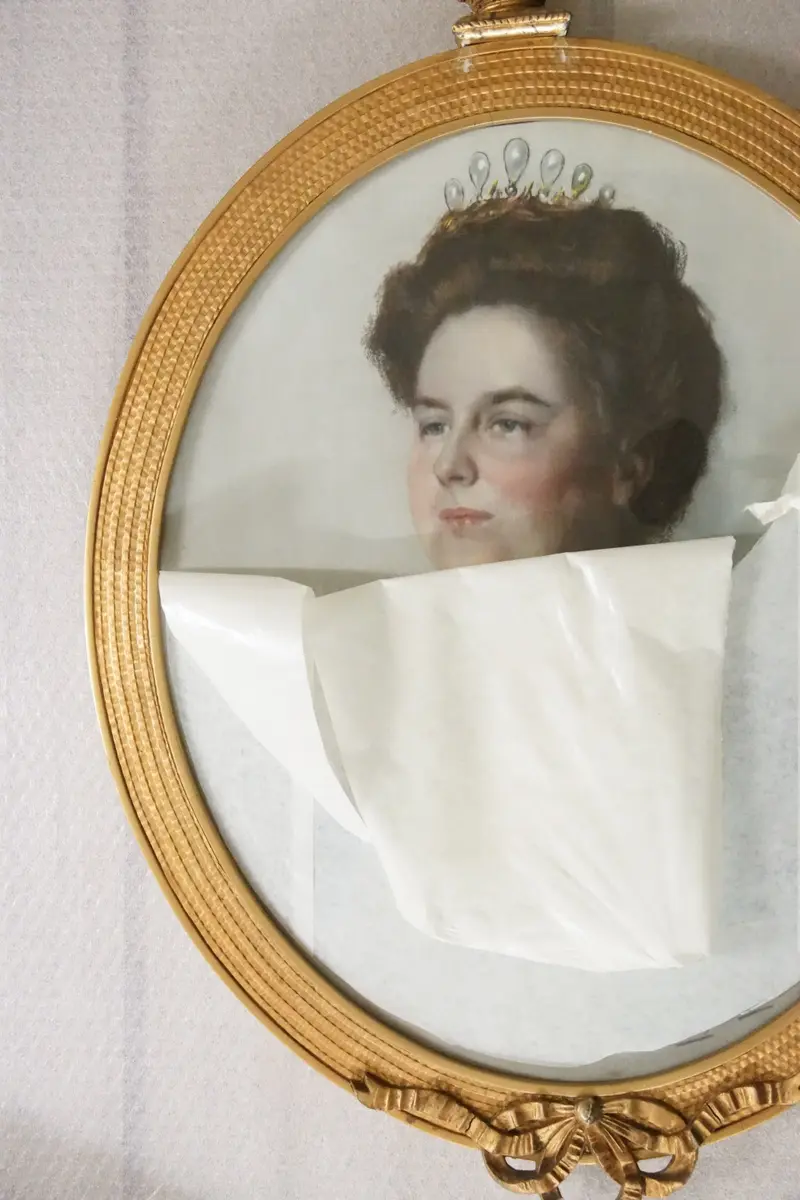
Portret Wilhelmina 020904 Stedelijk Museum Alkmaar
Thérèse Schwartze
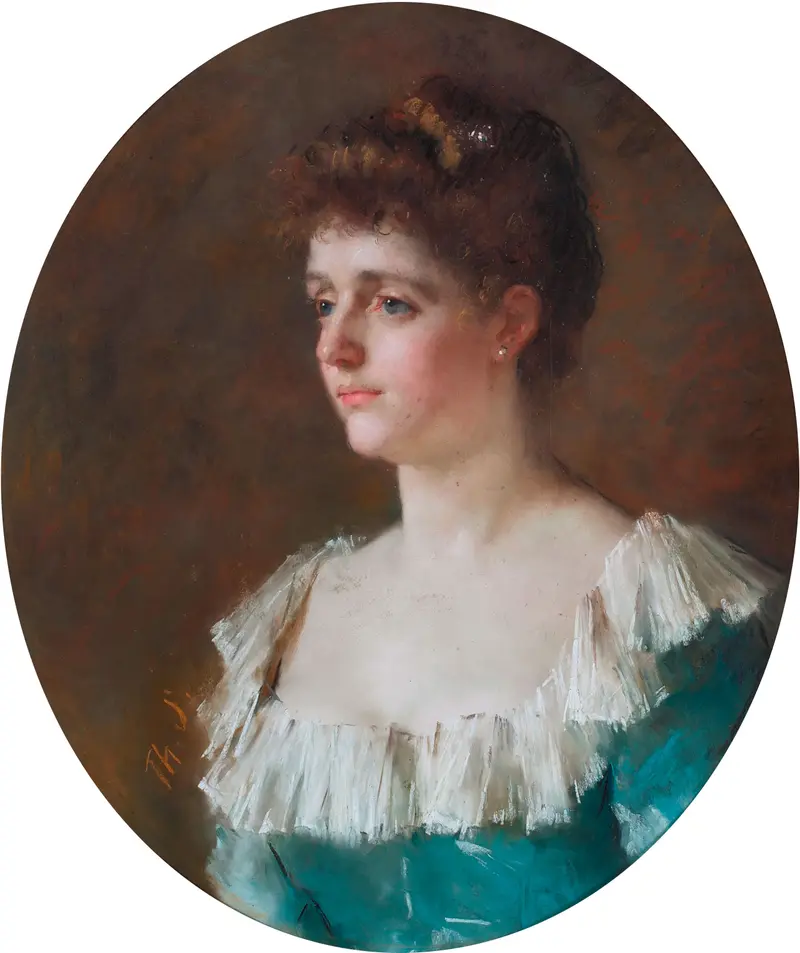
Portrait of Maria Cornelia Schimmelpenninck van der Oye (1857-1891)
Thérèse Schwartze
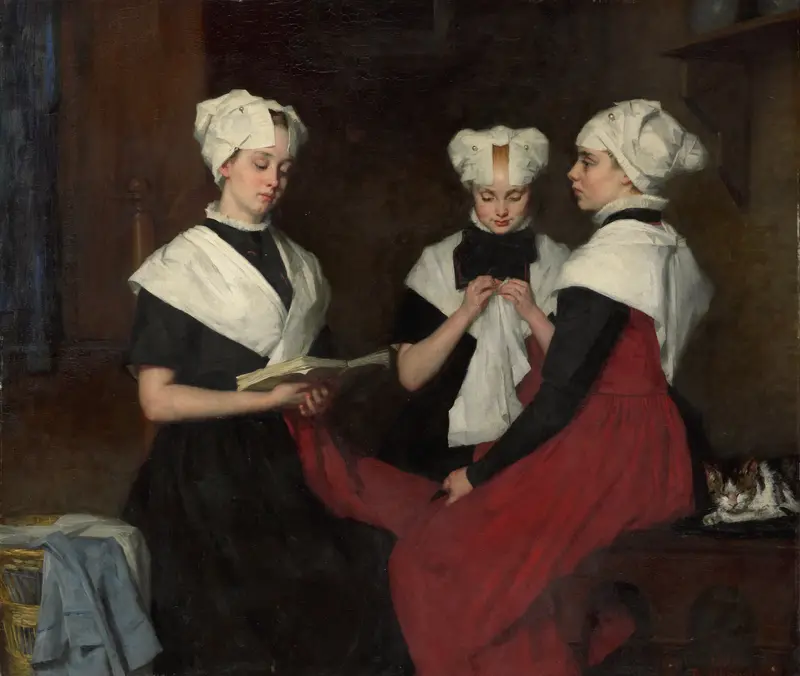
Three girls from the Amsterdam Orphanage
Thérèse Schwartze
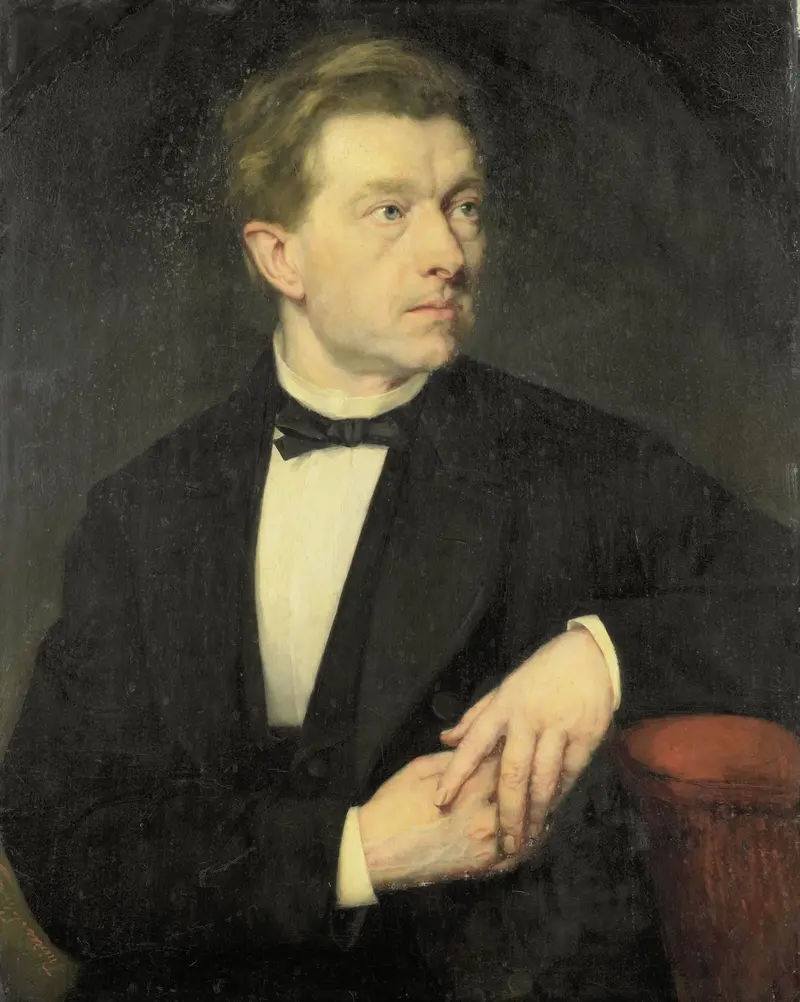
Portrait of Dr. J. L. Dusseau
Thérèse Schwartze
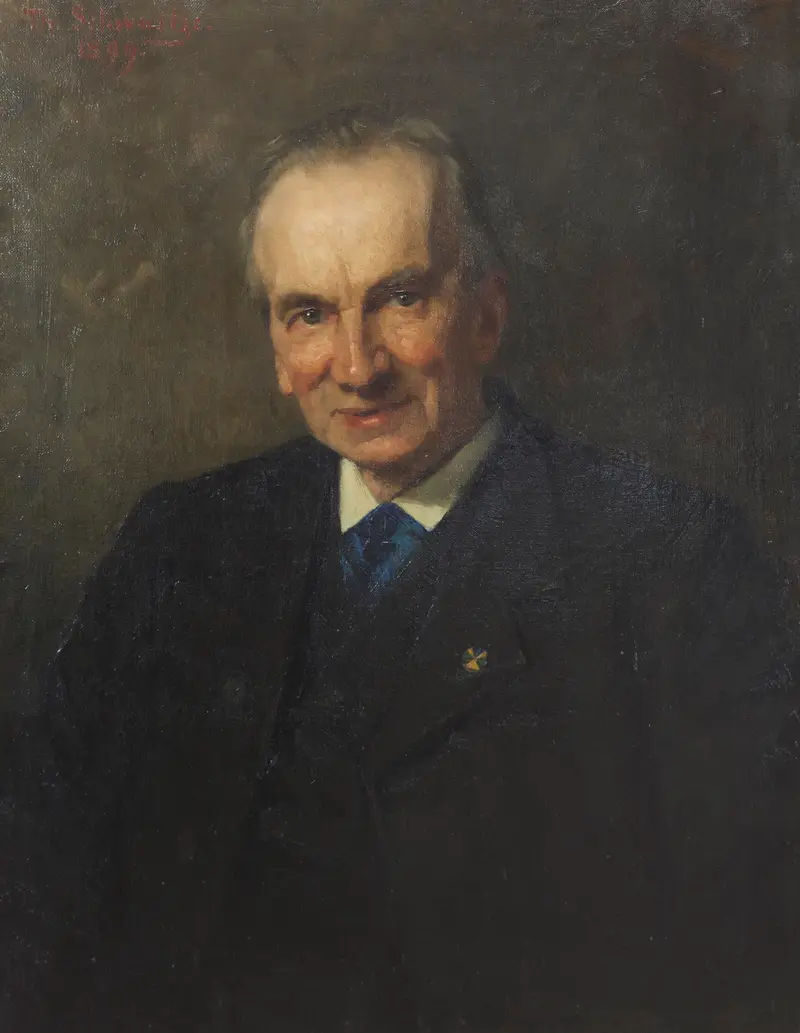
Portrait of Frederik Willem van Eeden
Thérèse Schwartze
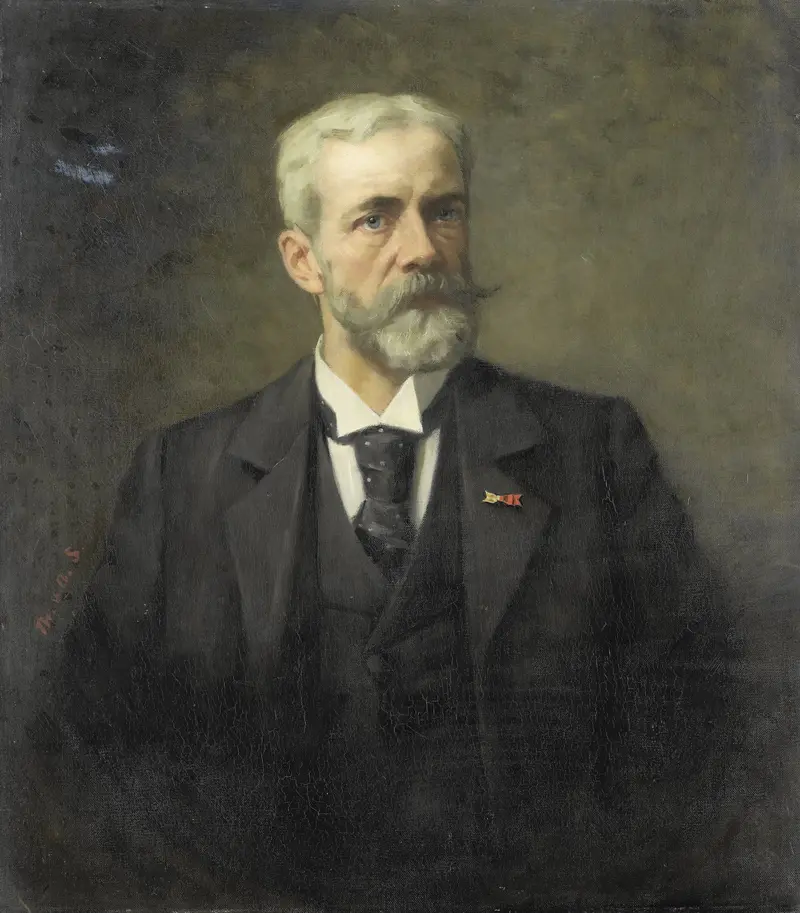
Portrait of Frederik Daniël Otto Obreen (1840-96), director Rijksmuseum
Thérèse Schwartze
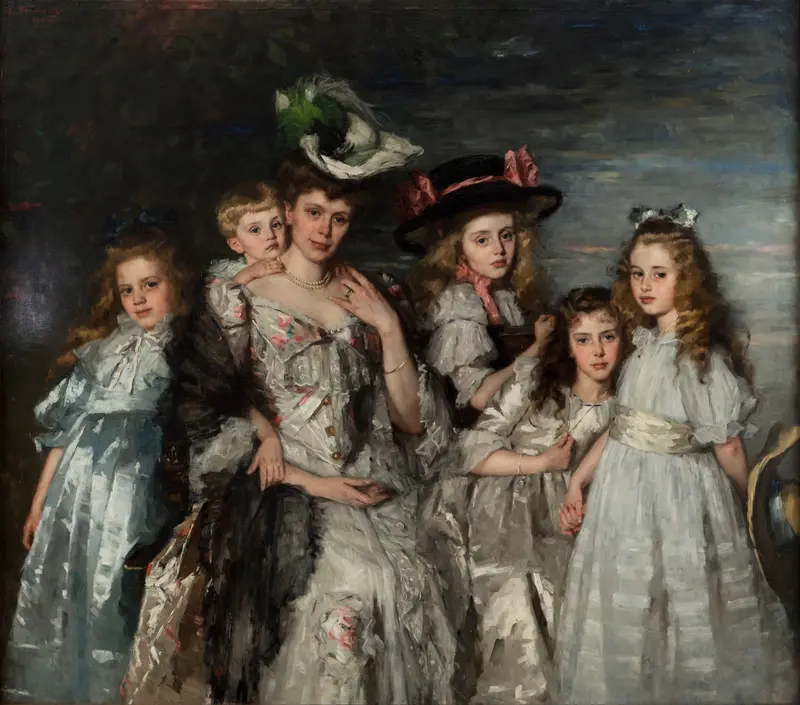
Portrait of Mrs. A.G.M. van Ogtrop-Hanlo (1871-1944) and her five children
Thérèse Schwartze
Portrait of Dr. Salomon Benjamin Druif
Thérèse Schwartze





