Apollo en de Muzen — History & Facts
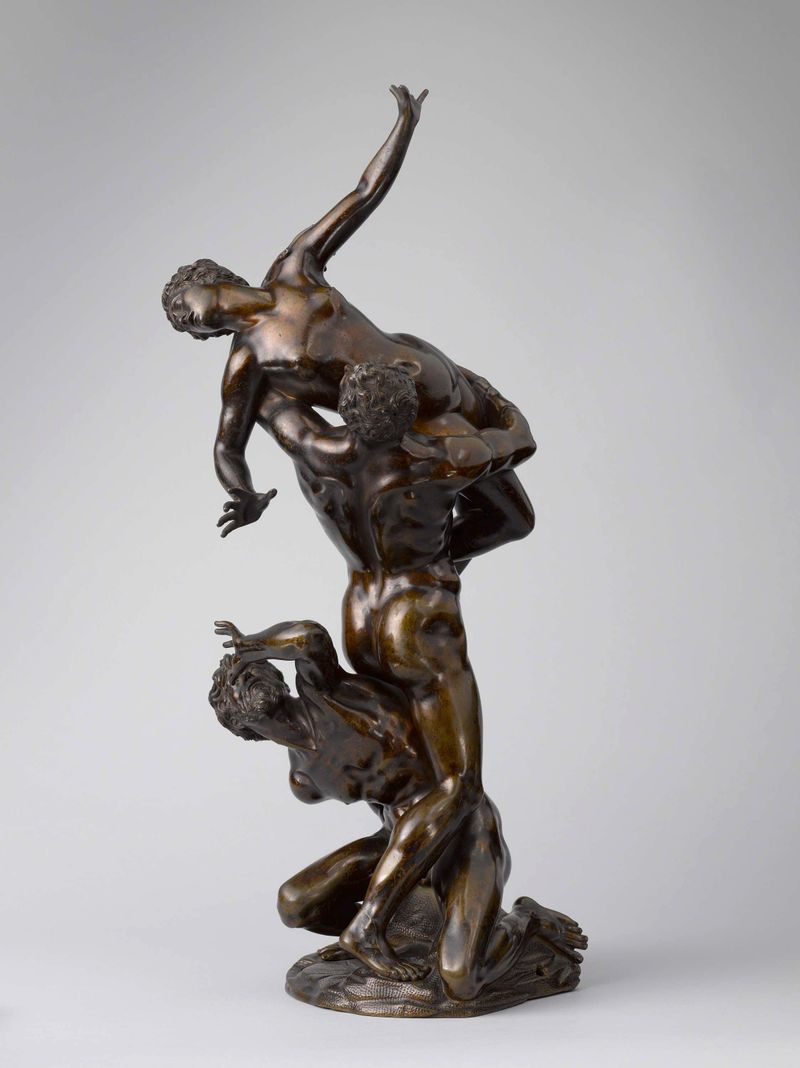
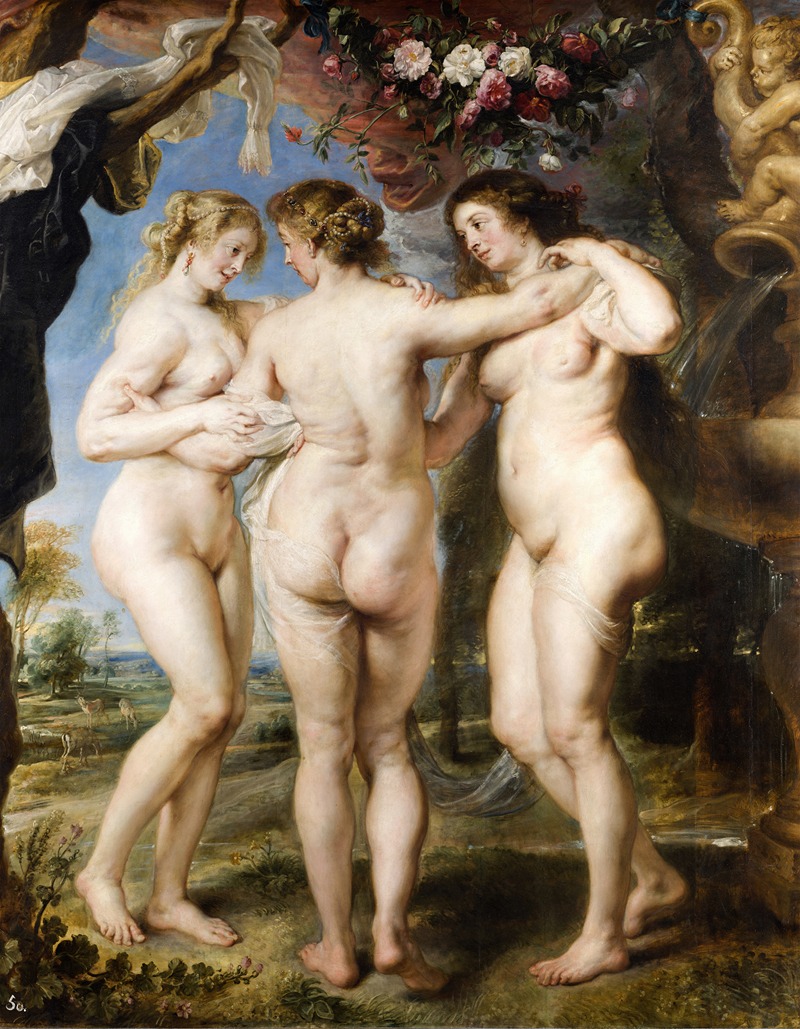
In a world awash with sound and distraction, the quiet reflection found in artistry beckons us to explore deeper meanings. Look toward the central figure, Apollo, whose commanding presence is framed by the ethereal muses. Notice how the artist utilizes a palette of muted earth tones, allowing the figures to emerge gently from the canvas. The delicately painted drapery cascades around Apollo, revealing subtle shifts of light that evoke both reverence and intimacy.
The composition draws the eye in a circular motion, inviting viewers to trace the connections between the muses and their divine patron. Hidden within the serene countenance of the figures lies an intricate interplay of inspiration and creativity. Each muse embodies a distinct aspect of the arts, yet collectively they share an unspoken bond, accentuated by their poised gestures and the harmonious balance of their placements. The gentle gaze of Apollo suggests both guidance and expectation, hinting at the weight of divine influence on human expression.
This dynamic creates a tension, as the muses reflect a silent yearning for recognition in a world that often overlooks the subtleties of artistic endeavor. The monogrammist, active during the mid-16th century, created this work amidst a flourishing period of the Renaissance, when art was increasingly seen as a divine conduit of knowledge and emotion. Likely painted in a regional workshop, the piece reflects a blend of humanism and mythological narrative, characteristic of its era. It resonates with the collective introspection of artists who, while striving for mastery, sought to capture the elusive nature of inspiration itself.
More Artworks by Monogrammist AC (16e eeuw)
Browse all →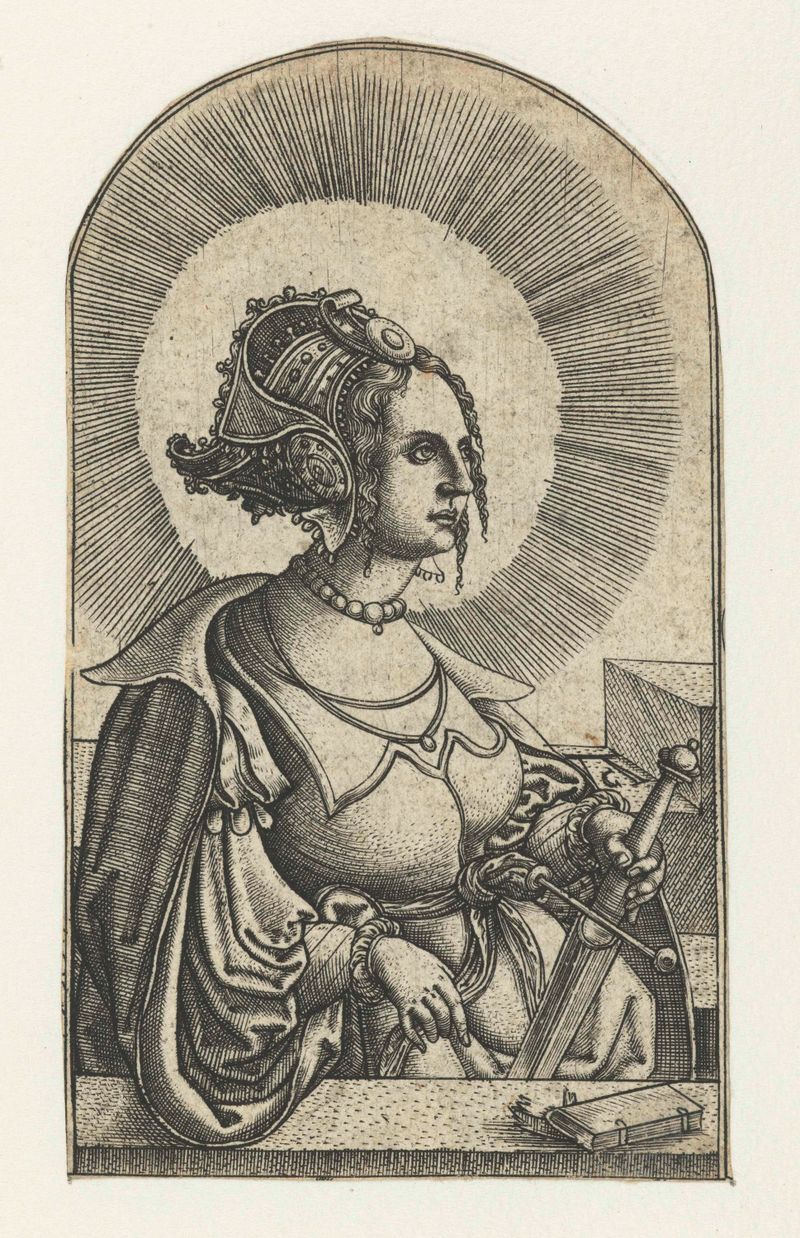
Heilige Catharina
Monogrammist AC (16e eeuw)
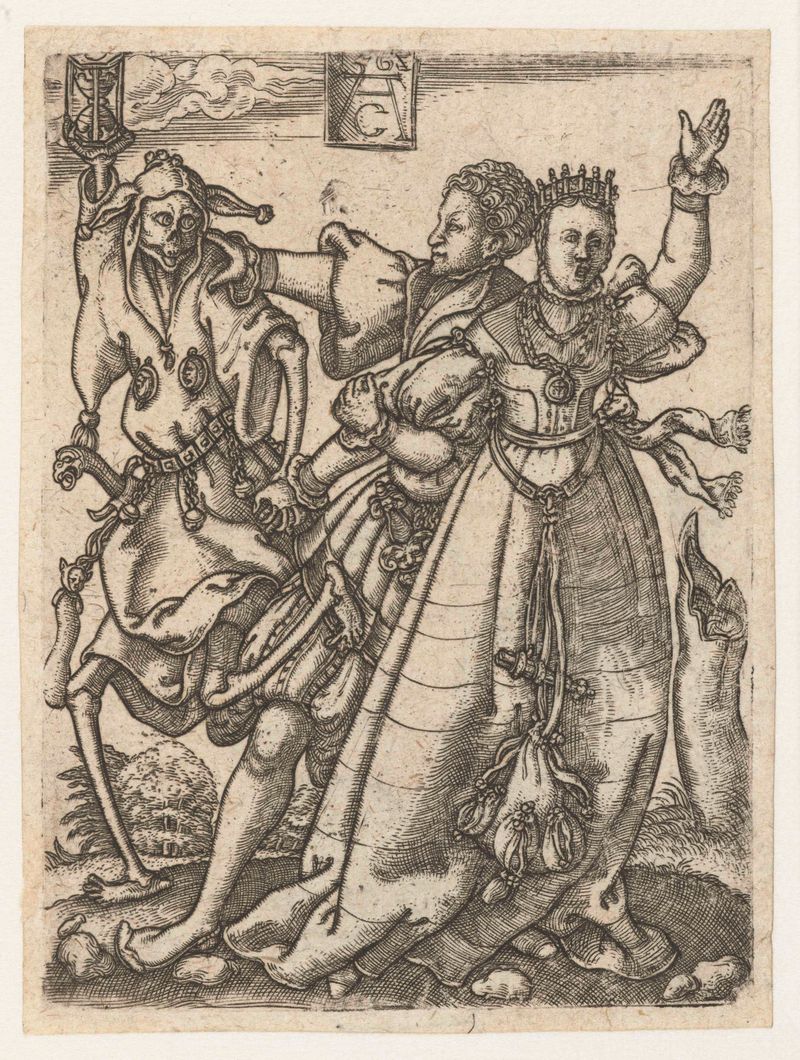
Echtpaar met de Dood
Monogrammist AC (16e eeuw)
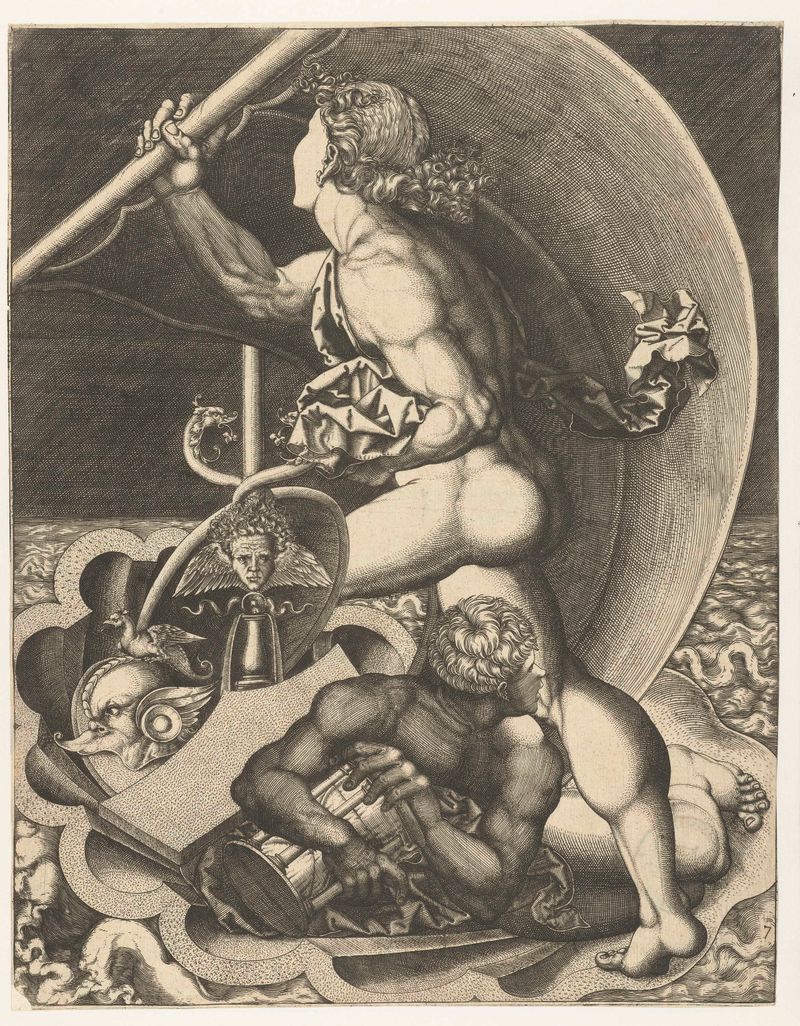
Allegorie van Tijd en Fortuin
Monogrammist AC (16e eeuw)

Portret van een jongeman (Vanitas)
Monogrammist AC (16e eeuw)

Heilige Martha en de draak
Monogrammist AC (16e eeuw)
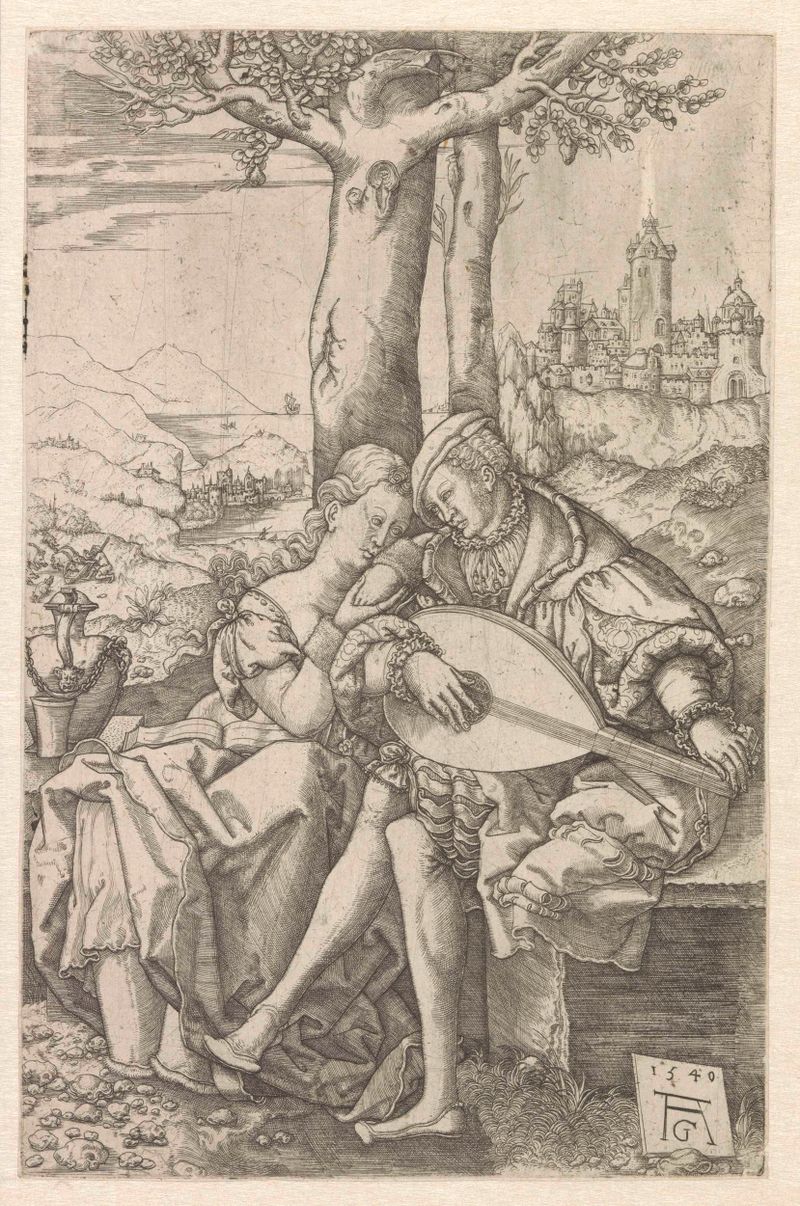
Twee verliefden onder een boom
Monogrammist AC (16e eeuw)
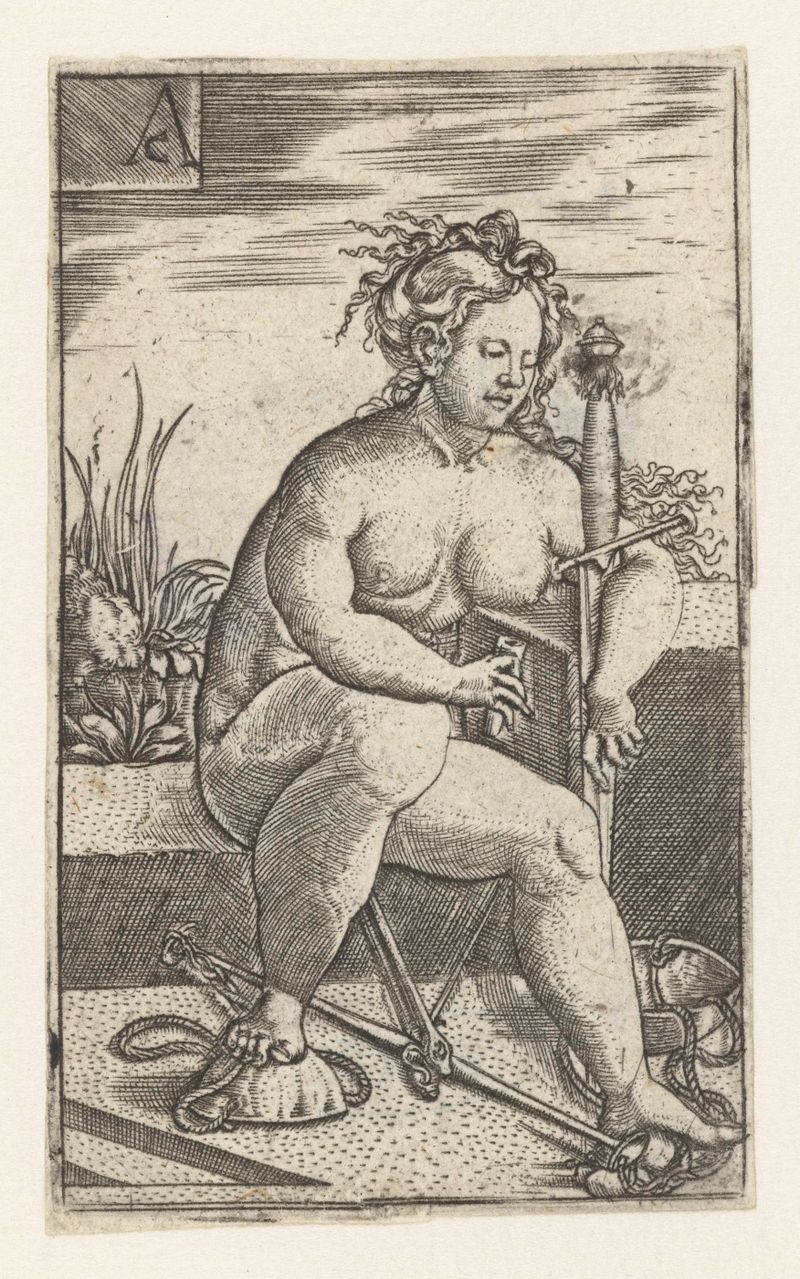
Gerechtigheid (Justitia)
Monogrammist AC (16e eeuw)
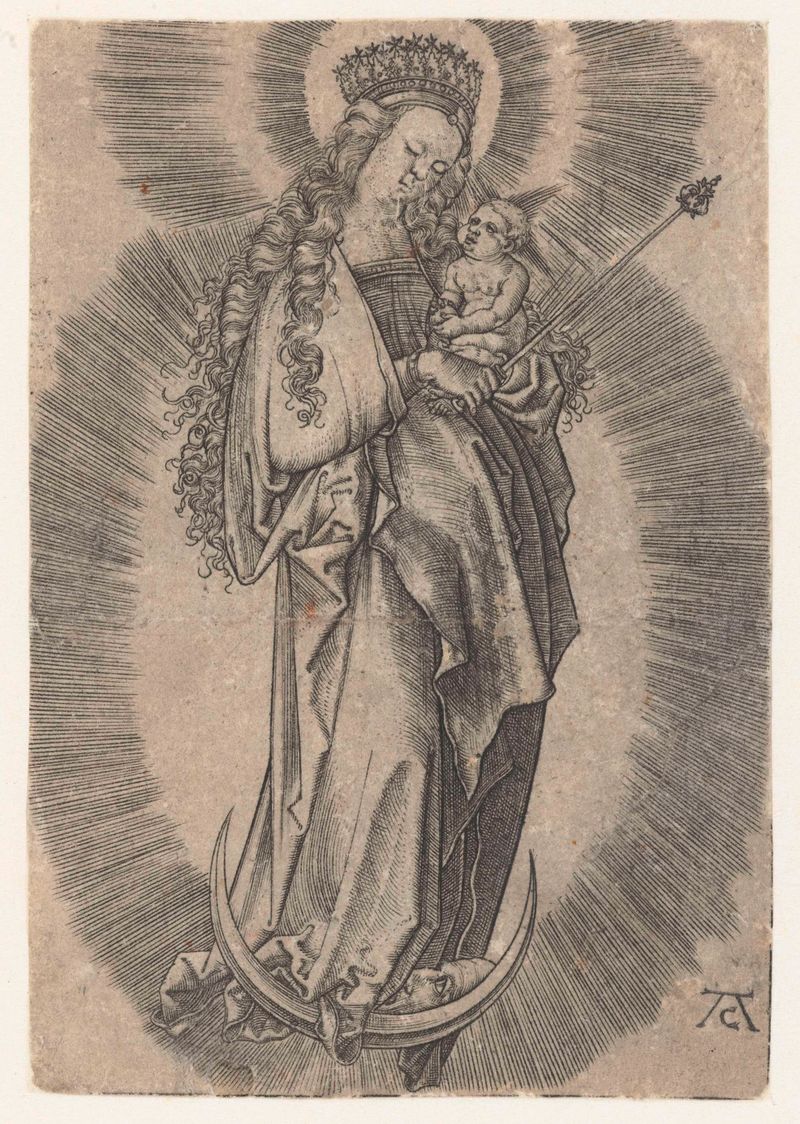
Madonna op de maansikkel.
Monogrammist AC (16e eeuw)
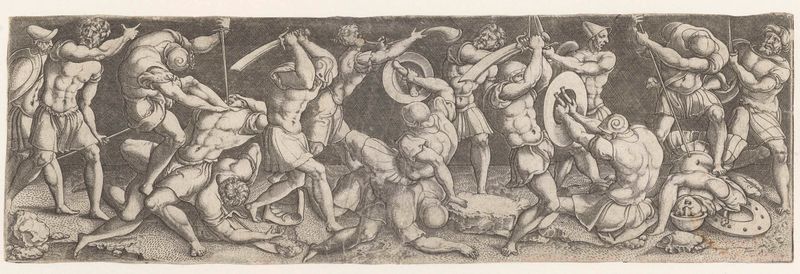
Gevecht tussen Romeinse soldaten
Monogrammist AC (16e eeuw)
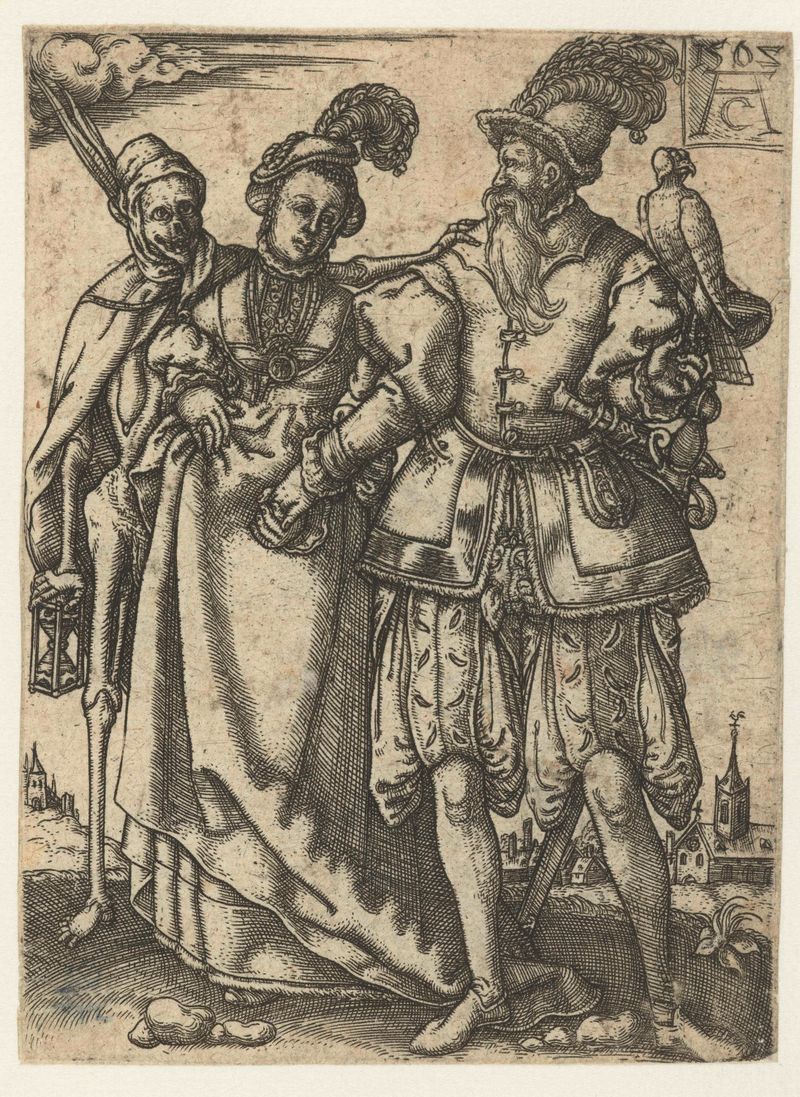
Echtpaar met de Dood
Monogrammist AC (16e eeuw)