Apothéose — History & Facts
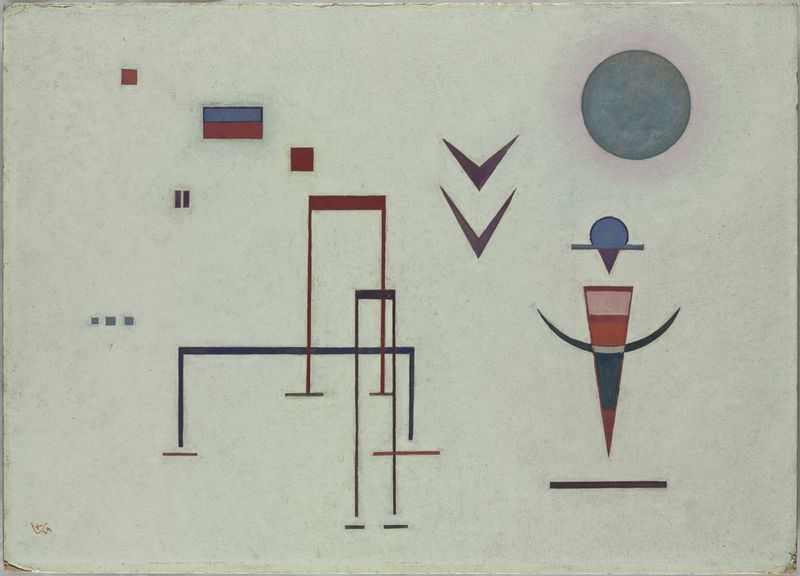
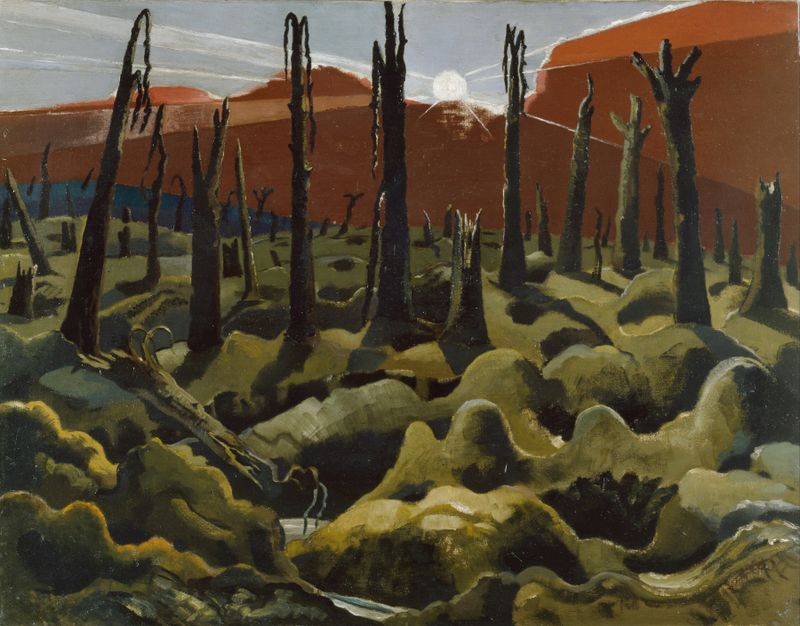
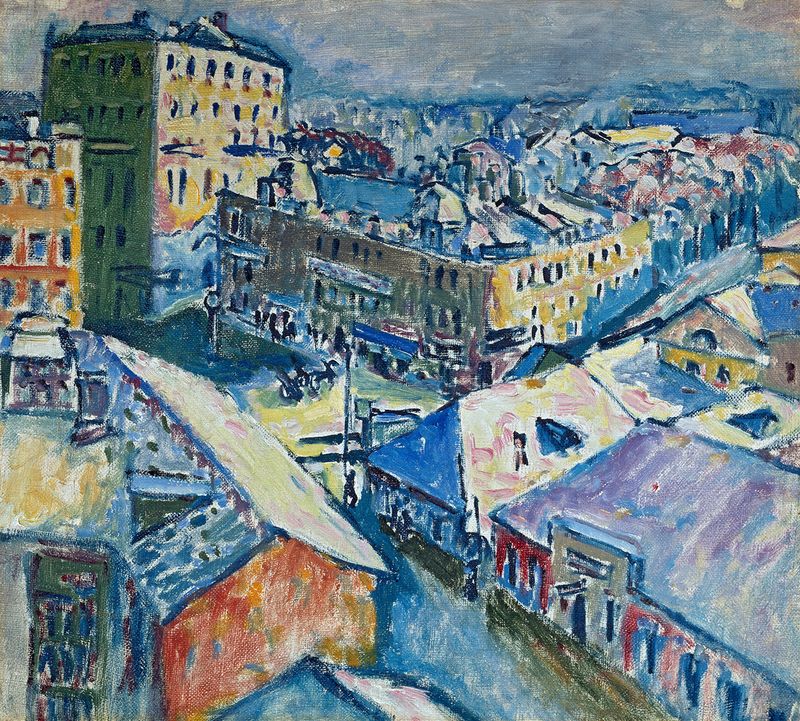
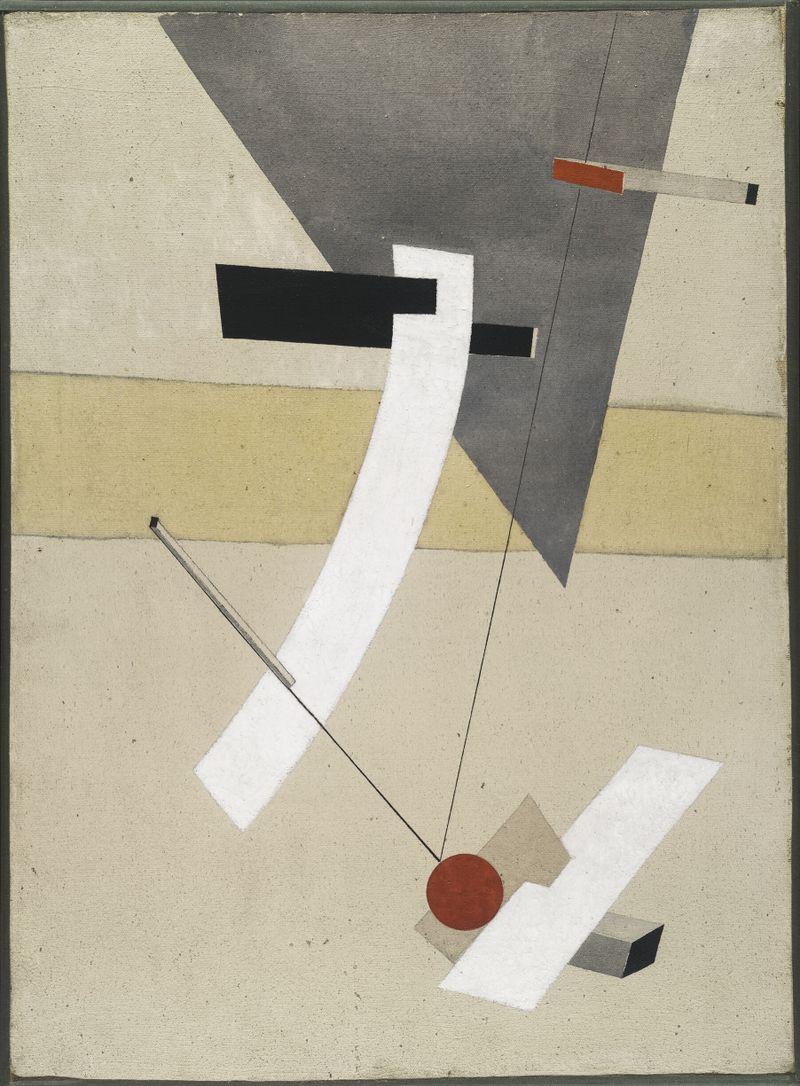
In a world where emotion swirls uncontrollably, art serves as a sanctuary for ecstatic expression. Focus first on the swirling forms that dance across the canvas, revealing an explosion of color and movement. The vibrant reds and yellows pulse with energy, while softer blues and greens create depth and contrast, inviting the viewer to explore. Notice how the artist’s brushstrokes pulse like heartbeat rhythms, capturing ephemeral moments that blend together, forming a tapestry of emotion.
The composition draws your eye to the center, where figures entwine in joyful abandon, their limbs extending outward as if to embrace the universe itself. Delve deeper into the scene’s emotional tension; the ecstatic poses of the figures convey a shared longing for transcendence. Each outstretched arm and swirling garment reflects a duality between chaos and harmony, suggesting both individual and collective experiences of joy. The tumultuous background hints at the struggles underlying such bliss, evoking a sense of fragile beauty that resonates with the viewer, urging them to confront their own interpretations of ecstasy and chaos. Henri-Eugène Callot created Apothéose in 1900 during a period marked by artistic experimentation and a shift towards modernism.
Living in France, he found inspiration in the burgeoning avant-garde movements, seeking to capture the spiritual essence of human experience through dynamic forms and vibrant colors. As artists began to embrace abstraction, Callot’s work reflected an exploration of emotional depth that would resonate with audiences in an increasingly complex world.
More Artworks by Henri-Eugène Callot
Browse all →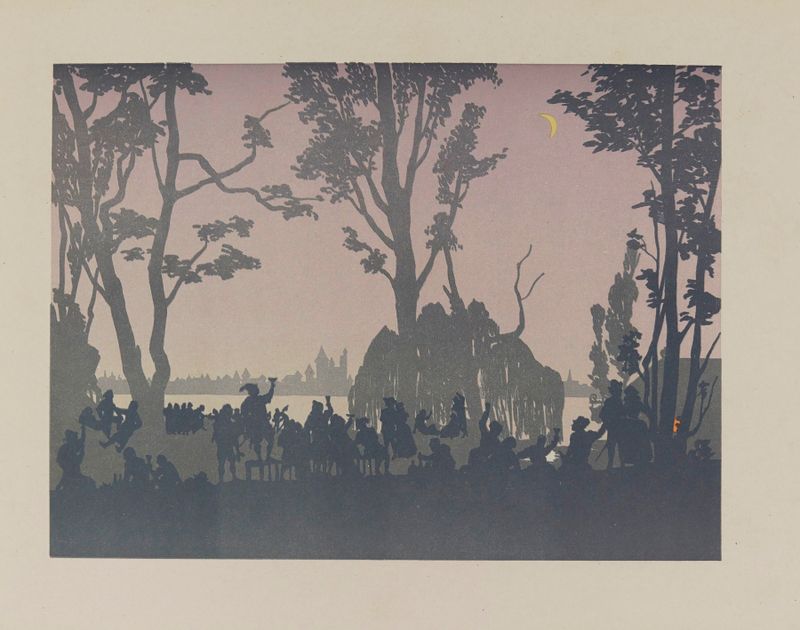
Le Pré aux Clercs
Henri-Eugène Callot
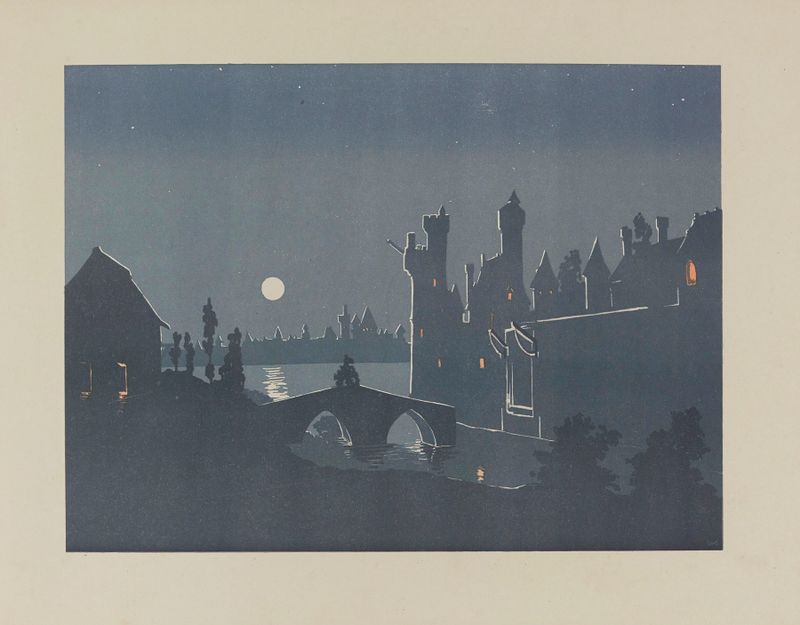
La Tour de Nesle
Henri-Eugène Callot
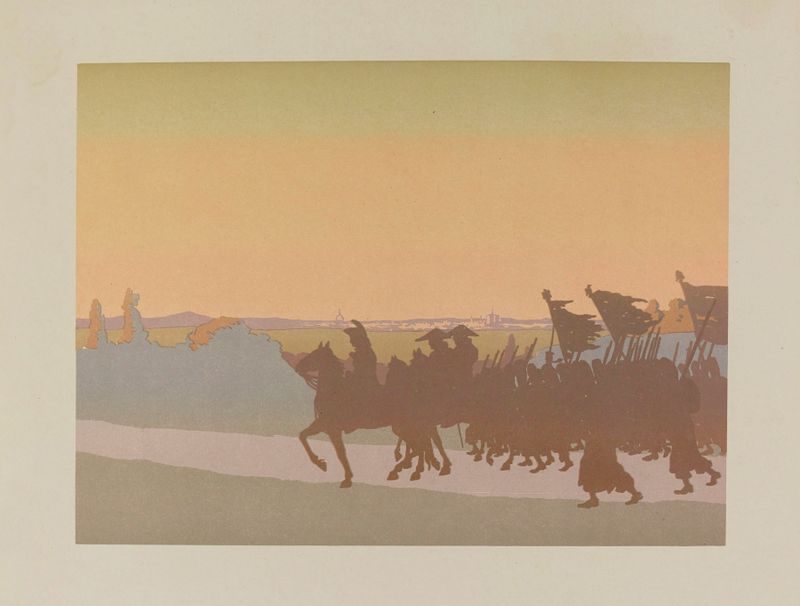
Les Volontaires-Le Retour
Henri-Eugène Callot

Les Normands
Henri-Eugène Callot
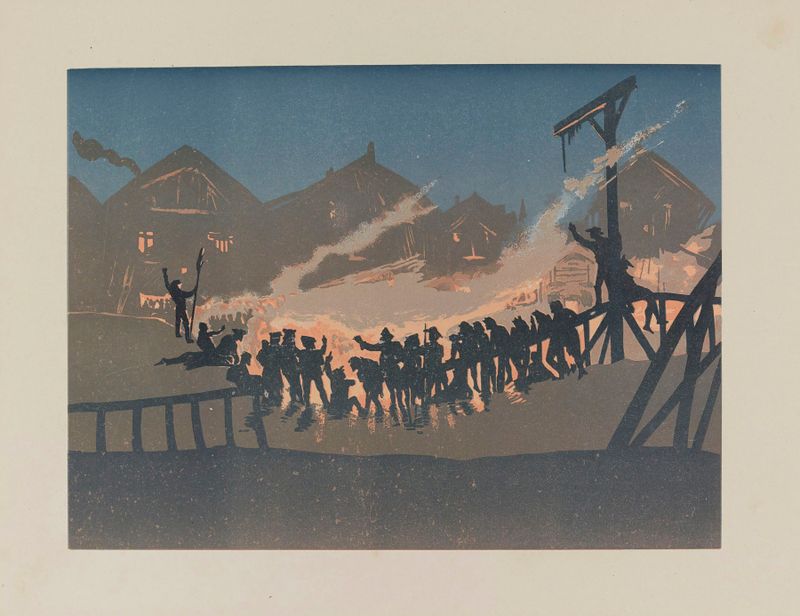
La Cour des Miracles
Henri-Eugène Callot

Paris, sa gloire et ses rayons – cover
Henri-Eugène Callot

Les Porcherons
Henri-Eugène Callot
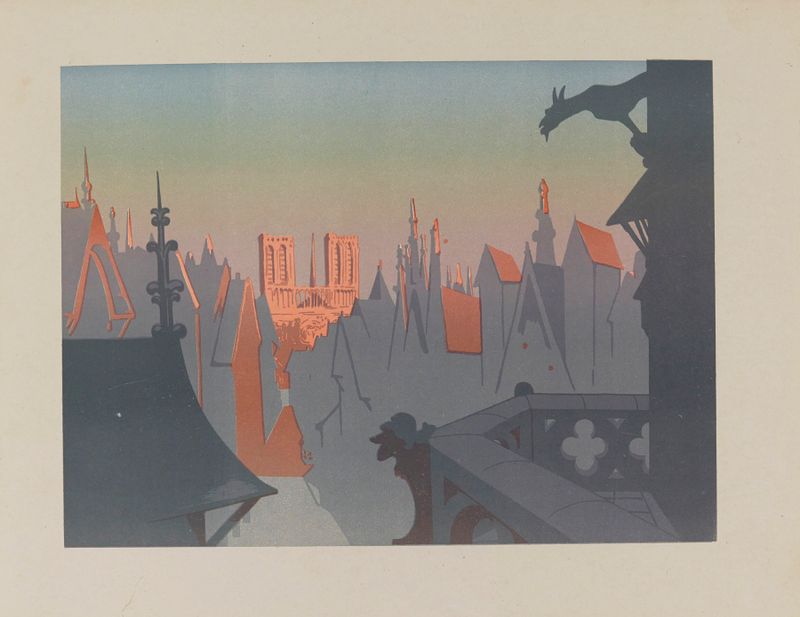
Notre-Dame
Henri-Eugène Callot
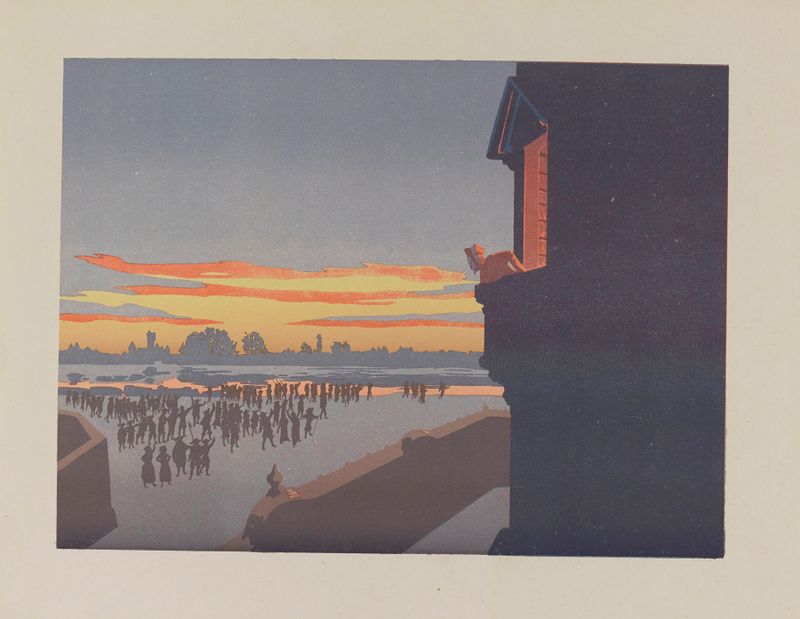
La Fronde
Henri-Eugène Callot
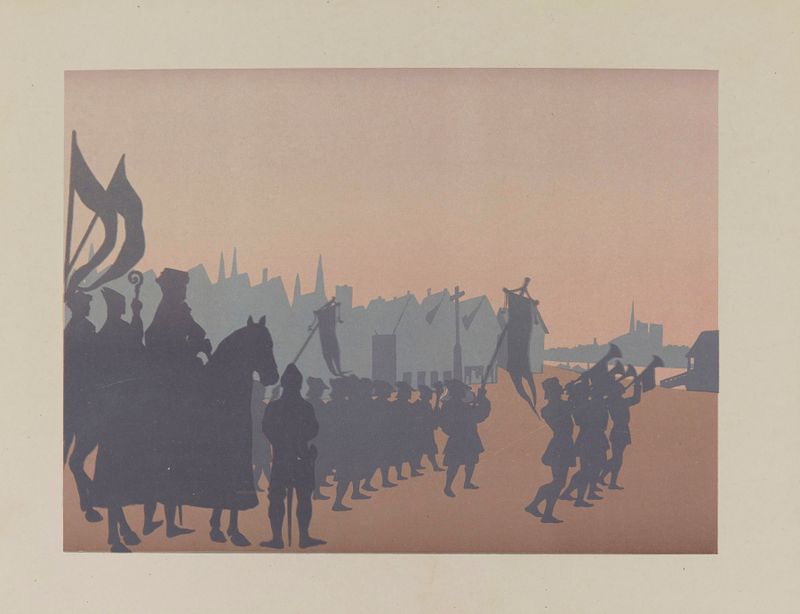
Etienne Marcel
Henri-Eugène Callot