
Blossoming Apple Tree (Flowering Apple Tree), 1912
An apple tree in flower is what this oil painting shows, on a canvas wider than it is tall: 78.5 by 107.5 cm. The Kunstmuseum Den Haag dates Blossoming Apple Tree (the museum’s English title is Flowering Apple Tree; in Dutch Bloeiende appelboom, also given as Apple Tree in Bloom) to 1912 and holds it as object 0332113. In January of that year Piet Mondrian (1872–1944) moved to Paris, the museum says on its page for De grijze boom (Gray Tree).
- The subject: Wikidata records the apple tree (Malus pumila) as what the painting depicts. The museum’s record gives only title, date, medium, size and number, with no descriptive text.
- Titles: The museum uses Bloeiende appelboom in Dutch and Flowering Apple Tree on its English page. Wikidata gives Blossoming Apple Tree and Apple Tree in Bloom in English, Pommier en fleurs in French and Blühender Apfelbaum in German.
- Paris, 1912: The museum’s page on De grijze boom (Gray Tree) says Mondrian moved to Paris in January 1912. It does not say where the apple tree was painted, so this page makes no claim.
- Catalogue number: Wikidata lists the number B19 in Piet Mondrian: Catalogue Raisonné.
- Medium and size: Oil on canvas, 78.5 × 107.5 cm, dated 1912; Kunstmuseum Den Haag, object number 0332113.
Sources: Kunstmuseum Den Haag: collection record for Bloeiende appelboom, object 0332113 · Wikidata Q22114587 (Blossoming Apple Tree) · Kunstmuseum Den Haag: page for Mondrian’s De grijze boom (Gray Tree) · Wikidata Q151803 (Piet Mondrian, 1872–1944)
Questions and answers about the painting
What does Mondrian’s Blossoming Apple Tree show?
It shows an apple tree in flower, the subject Wikidata records (Malus pumila). The Kunstmuseum Den Haag’s record gives title, date, medium, size and number but no interpretation, so this page does not invent a meaning. The museum’s page on De grijze boom (Gray Tree) describes Mondrian’s work as a path from figuration to abstraction.
Source: Kunstmuseum Den Haag: collection record for Bloeiende appelboom, object 0332113 · Wikidata Q22114587 (Blossoming Apple Tree) · Kunstmuseum Den Haag: page for Mondrian’s De grijze boom (Gray Tree)
Where is Mondrian’s 1912 apple tree painting kept?
At the Kunstmuseum Den Haag in The Hague, object 0332113. On its page for De grijze boom the museum says it holds the largest Mondrian collection in the world. The record for this painting, read in November 2026, does not say whether it is on view, so check with the museum before a visit.
Source: Kunstmuseum Den Haag: collection record for Bloeiende appelboom, object 0332113 · Kunstmuseum Den Haag: page for Mondrian’s De grijze boom (Gray Tree)
What are the Dutch and English titles of Mondrian’s 1912 apple tree?
The museum titles it Bloeiende appelboom in Dutch and Flowering Apple Tree in English. Wikidata gives Blossoming Apple Tree and Apple Tree in Bloom as English forms, Pommier en fleurs in French and Blühender Apfelbaum in German. All of them name the same painting, dated 1912, object 0332113.
Source: Kunstmuseum Den Haag: collection record for Bloeiende appelboom, object 0332113 · Wikidata Q22114587 (Blossoming Apple Tree)
How big is Mondrian’s apple tree canvas?
Blossoming Apple Tree measures 78.5 cm high by 107.5 cm wide, oil on canvas, according to the Kunstmuseum Den Haag’s record. Wikidata gives the same figures, so the canvas is wider than it is tall.
Source: Kunstmuseum Den Haag: collection record for Bloeiende appelboom, object 0332113 · Wikidata Q22114587 (Blossoming Apple Tree)
What was Mondrian doing in 1912, the year of his apple tree painting?
He moved to Paris. The Kunstmuseum Den Haag’s page on De grijze boom says the move came in January 1912, after a visit in spring 1911, when he was almost forty and ranked among the best Dutch landscape painters of the day. That page does not say where the apple tree was painted, so this page does not claim it.
Source: Kunstmuseum Den Haag: page for Mondrian’s De grijze boom (Gray Tree) · Kunstmuseum Den Haag: collection record for Bloeiende appelboom, object 0332113
Is Mondrian’s 1912 apple tree painting in the public domain?
In many countries, yes. Piet Mondrian died on 1 February 1944 and this painting dates from 1912, so it is in the public domain in the European Union and in other countries that protect works for the author’s life plus 70 years or less, and in the United States only for works published before 1931. A few countries protect works for longer, so check your own country. A faithful photograph of a public-domain painting adds no new copyright in the United States or the European Union. Public Domain Images for Commercial Use explains how to use this image.
Source: Wikidata Q151803 (Piet Mondrian, 1872–1944) · Wikidata Q22114587 (Blossoming Apple Tree)
More Artworks by Piet Mondrian
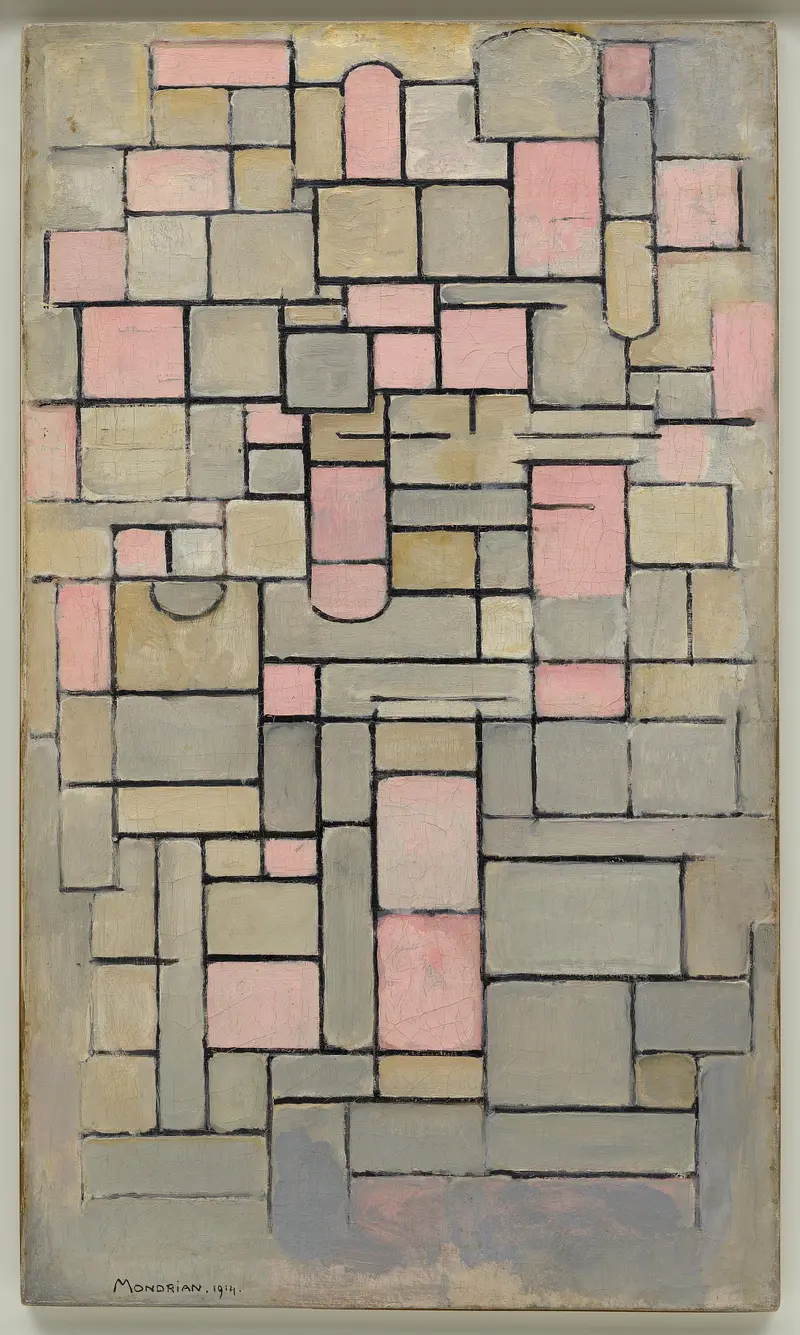
Composition 8
Piet Mondrian
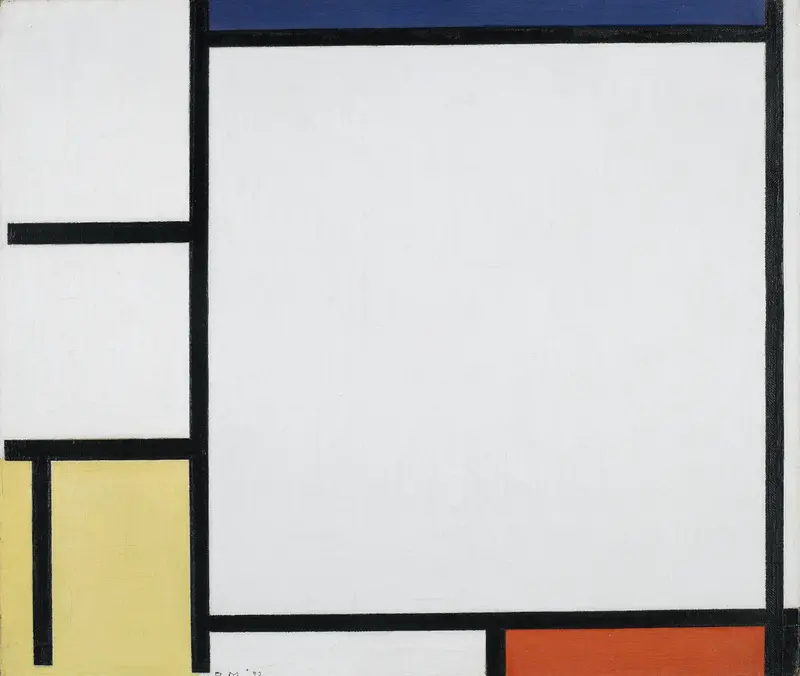
Composition with Blue, Red, Yellow, and Black
Piet Mondrian
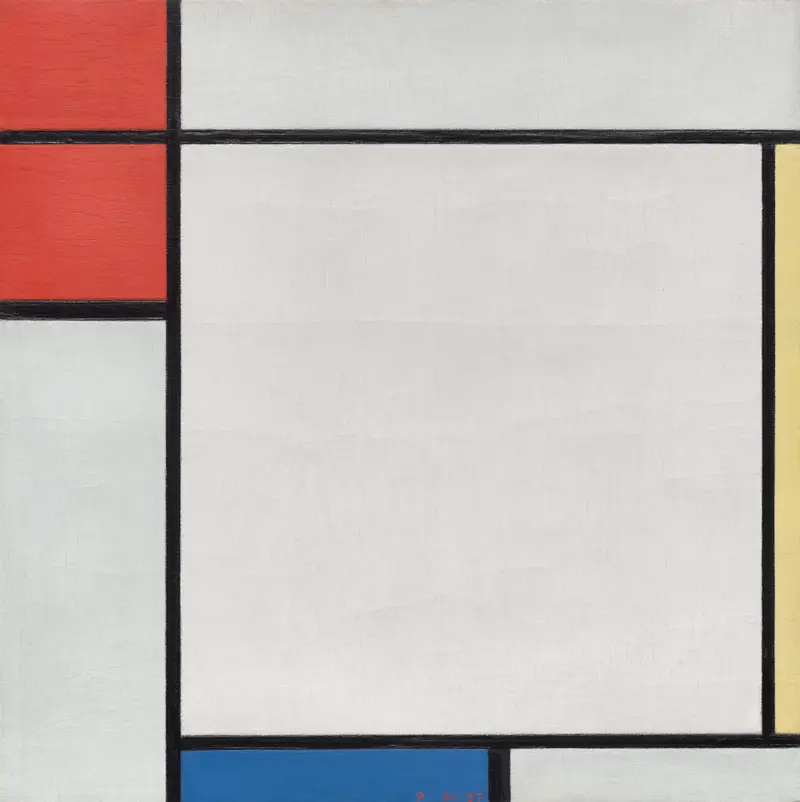
Composition with Red, Yellow, and Blue
Piet Mondrian
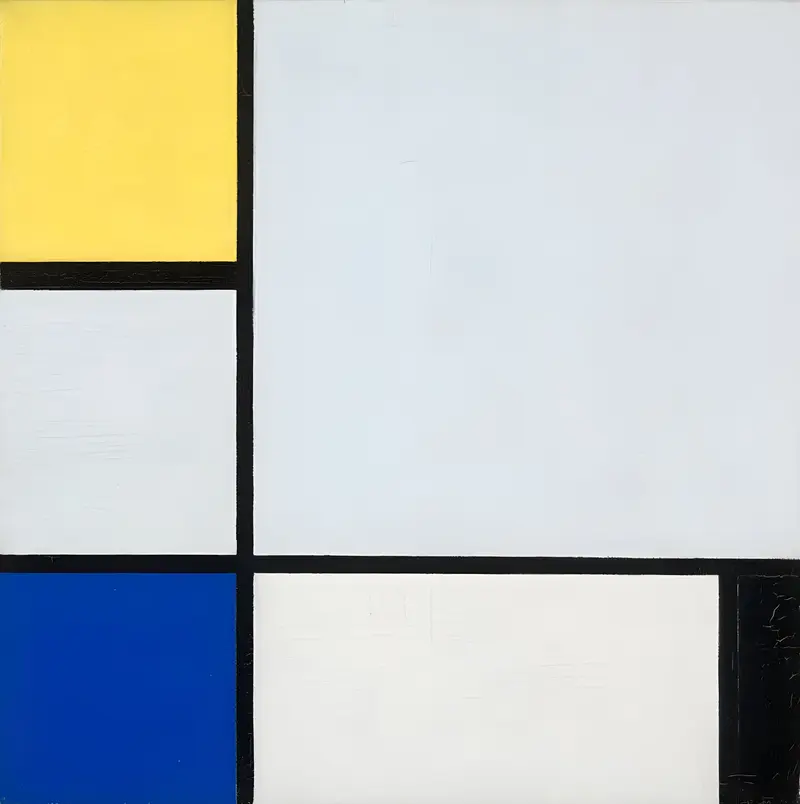
Composition with Yellow, Blue, Black and Light Blue
Piet Mondrian

Composition II in Red, Blue, and Yellow
Piet Mondrian
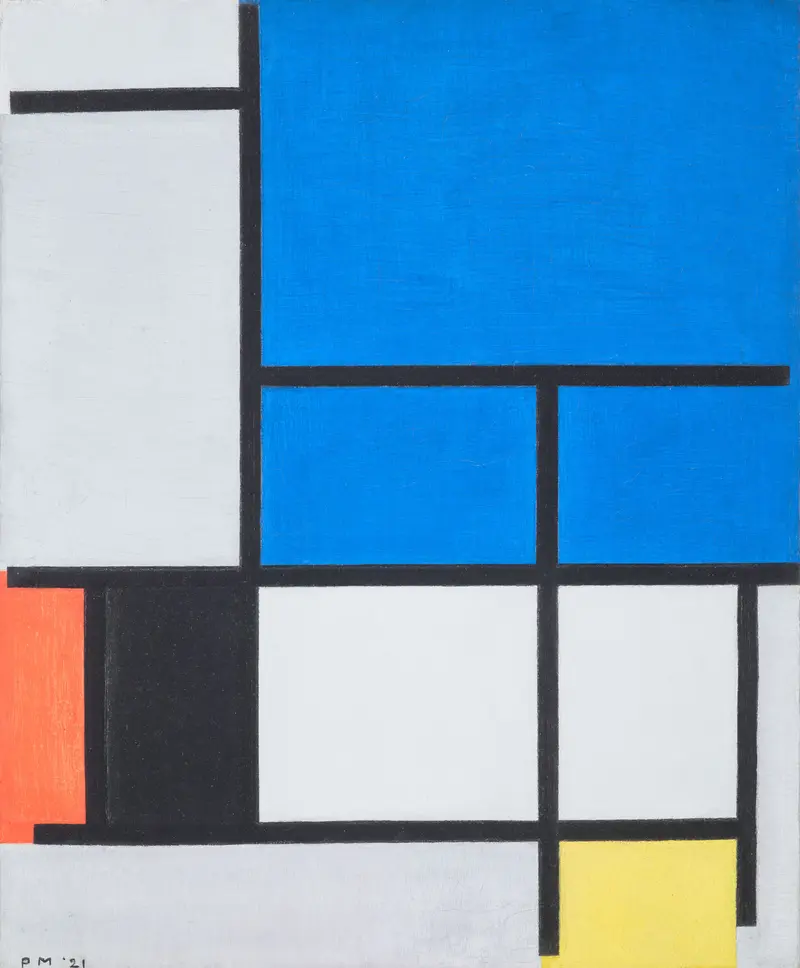
Composition with Large Blue Plane, Red, Black, Yellow, and Gray
Piet Mondrian
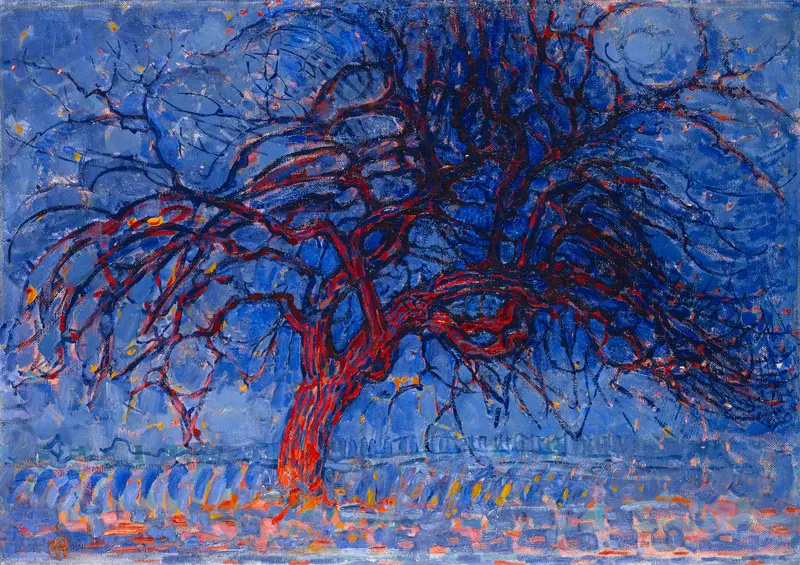
Evening: The Red Tree
Piet Mondrian
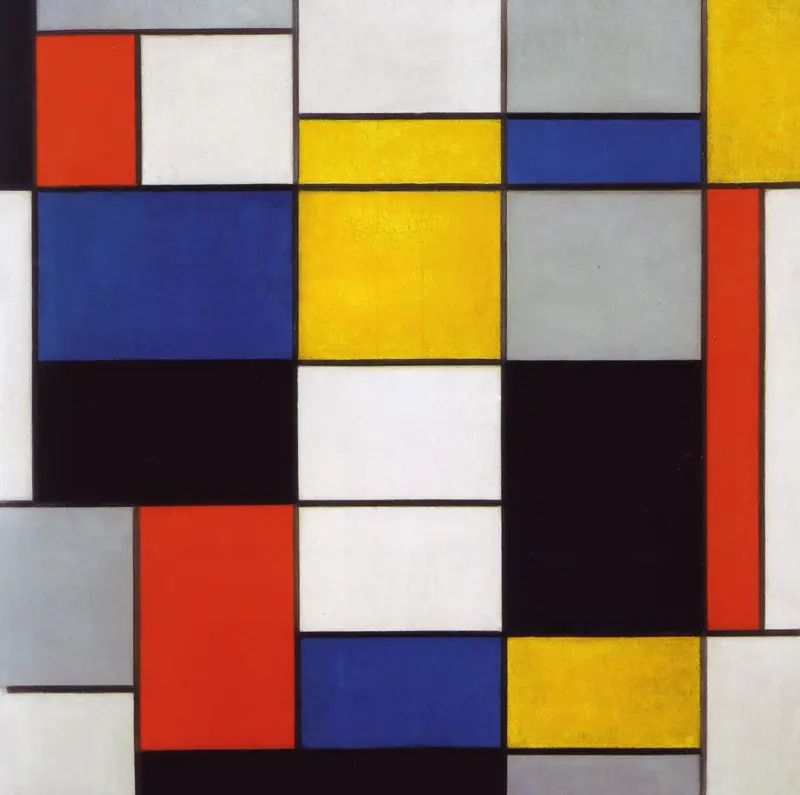
Composition A
Piet Mondrian
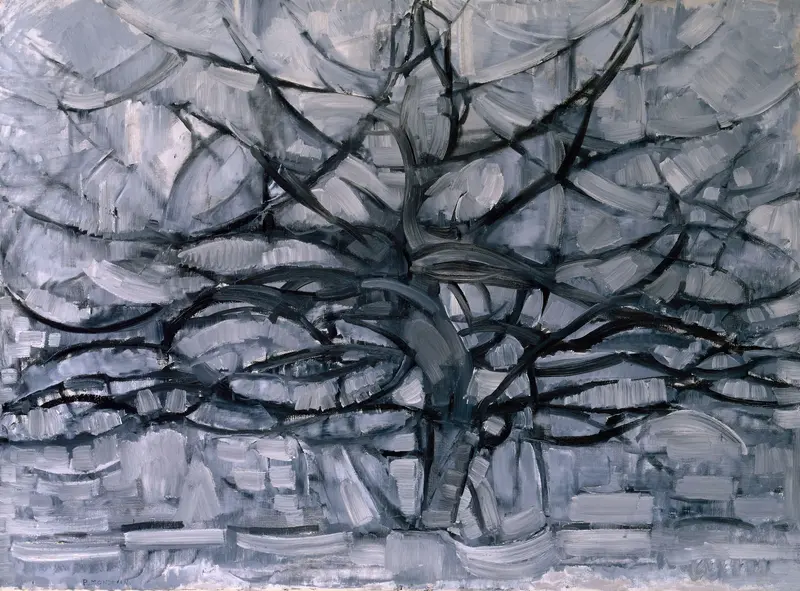
Gray Tree
Piet Mondrian
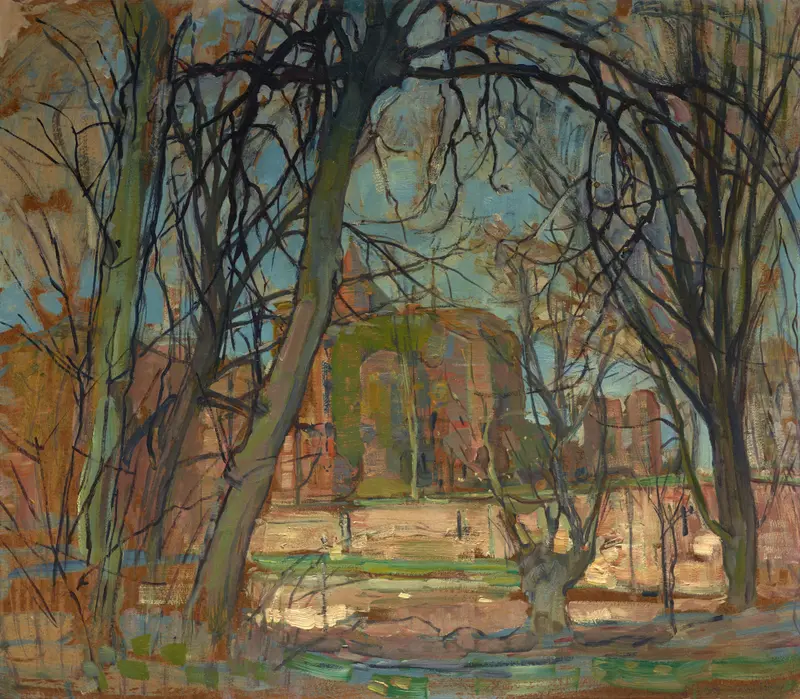
Spring Sun (Lentezon): Castle Ruin: Brederode
Piet Mondrian
More Landscape Art

The Starry Night
Vincent van Gogh

View of Delft
Johannes Vermeer

Water Lilies
Claude Monet

The Grand Canal, Venice, looking north-west from the Ca' Corner to the Ca' Contarini degli Scrigni, with the campanile of Santa Maria della Carità
Canaletto

Windsor Castle
Canaletto

The Grand Canal looking North-East from the Palazzo Dolfin-Manin to the Rialto Bridge
Canaletto