Apple-Trees in Blossom — History & Facts
When did color learn to lie? In the world of Apple-Trees in Blossom, vibrant hues dance with shadow, weaving a narrative of fleeting beauty and heartfelt longing. The delicate pinks and whites of the blossoms seem to vibrate with an ethereal energy, inviting viewers to question the authenticity of nature’s palette. Look to the center, where the apple trees stand proudly, their branches adorned with clusters of blossoms. Notice how the light plays, illuminating the petals while casting soft shadows that stretch toward the ground.
The paint application is loose yet deliberate, creating a sense of movement, as if the wind is teasing the blossoms into a gentle sway. The green of the grass, a rich and deep contrast to the light colors above, grounds the scene while inviting contemplation. Beneath the surface of this seemingly idyllic moment lies an emotional tension. The vibrant blossoms symbolize renewal and hope, yet their delicate nature hints at impermanence.
The shadows that emerge evoke a sense of melancholy, suggesting that beauty is often accompanied by the fleeting nature of time. Each blossom represents dreams and aspirations, contrasting sharply with the inevitable fading that follows. In 1903, Jan Stanisławski painted Apple-Trees in Blossom during a time of burgeoning artistic exploration in Poland. He was a pivotal figure of the Young Poland movement, which sought to establish a distinct national identity through art.
This period was marked by a deepening appreciation for nature and its representation, as artists grappled with modernity and the desire to connect with their roots. Stanisławski’s work captured not just the beauty of spring, but also an era grappling with change.
More Artworks by Jan Stanisławski
Browse all →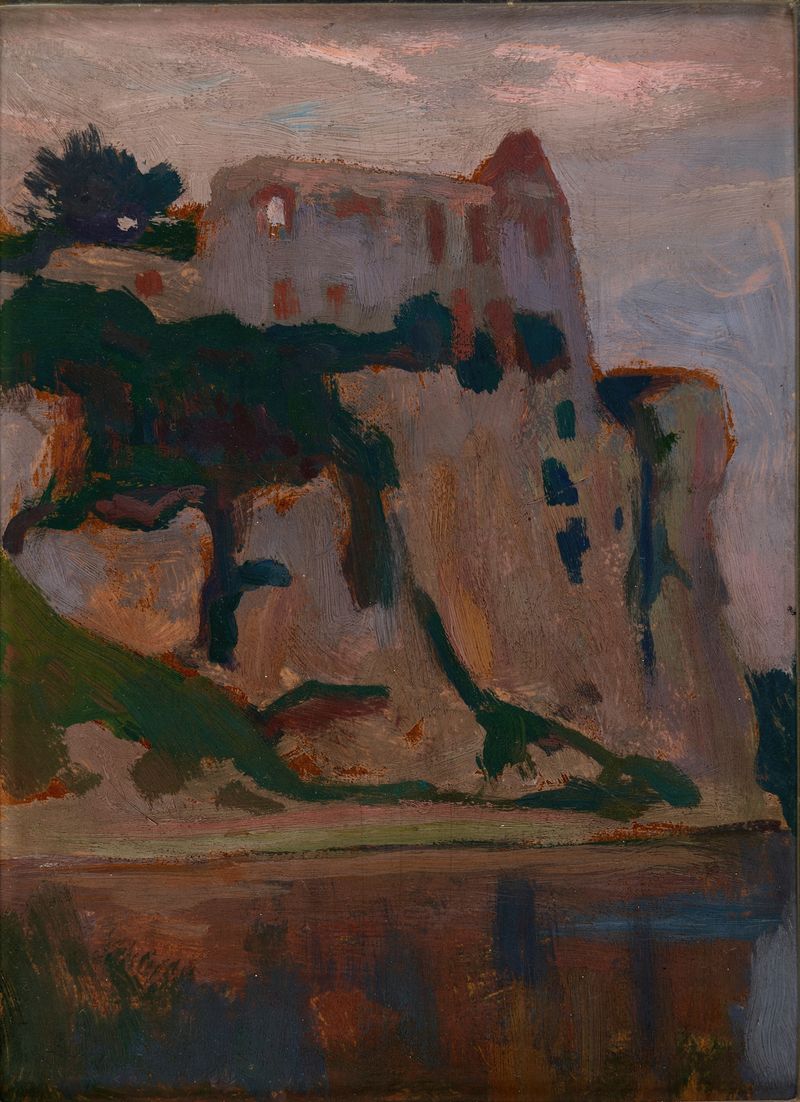
Tyniec at Dawn
Jan Stanisławski
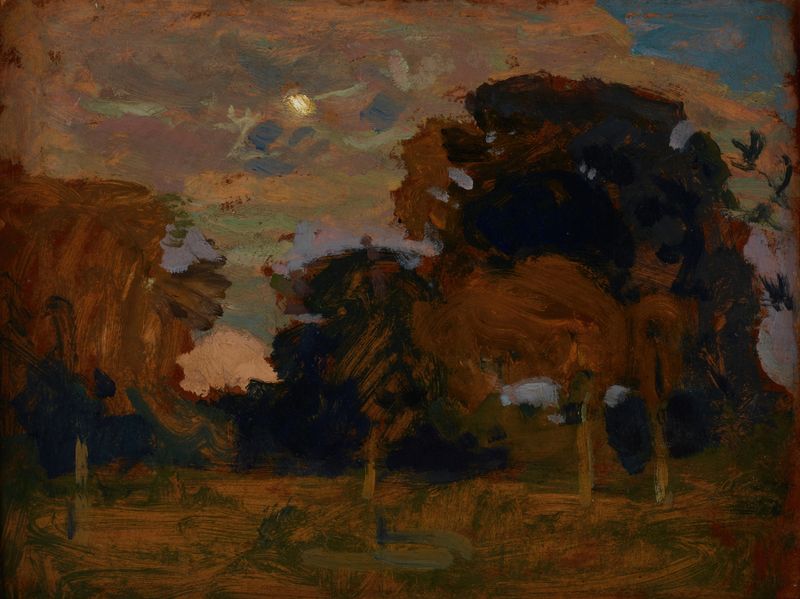
Moon in the Clouds
Jan Stanisławski
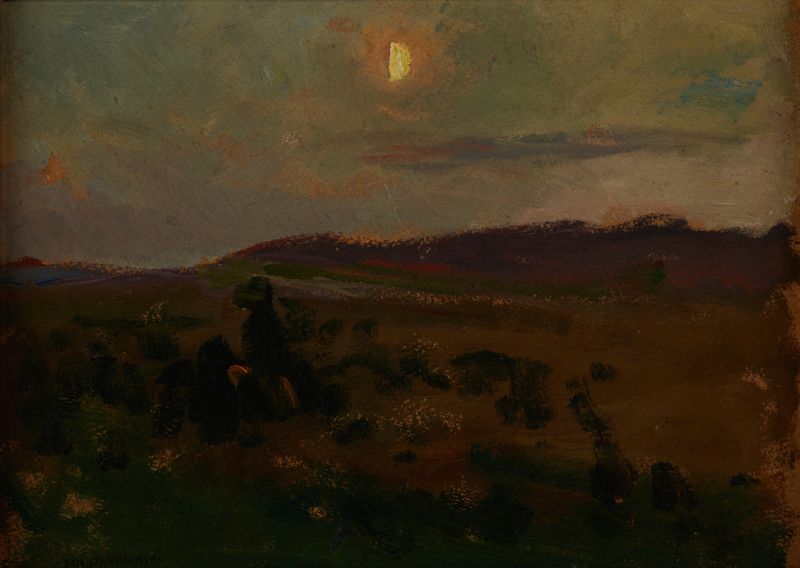
Moonrise
Jan Stanisławski
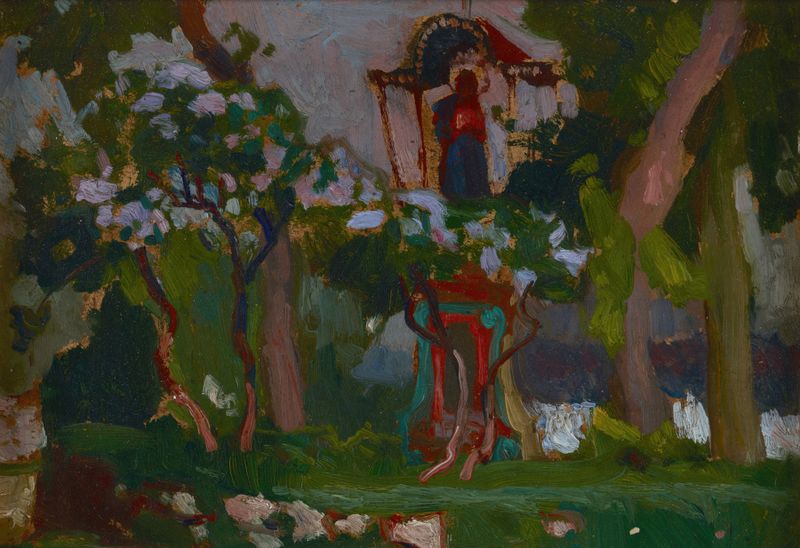
May
Jan Stanisławski
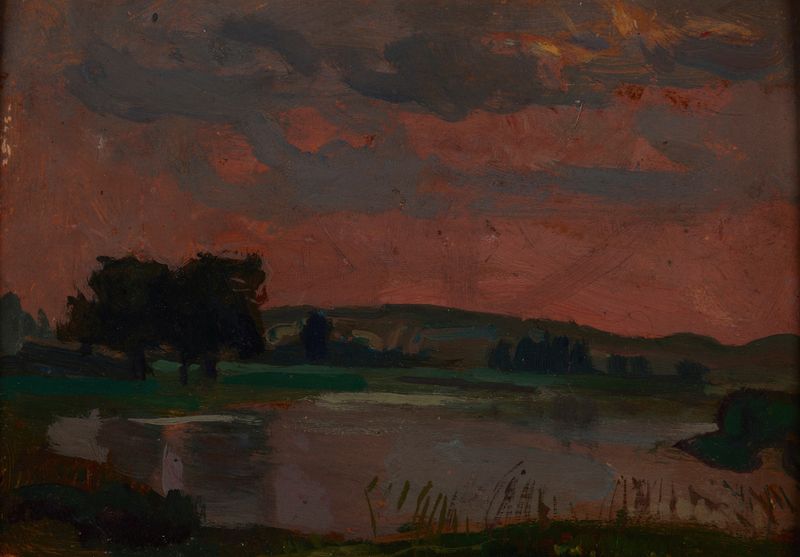
The Vistula in the Twilight
Jan Stanisławski
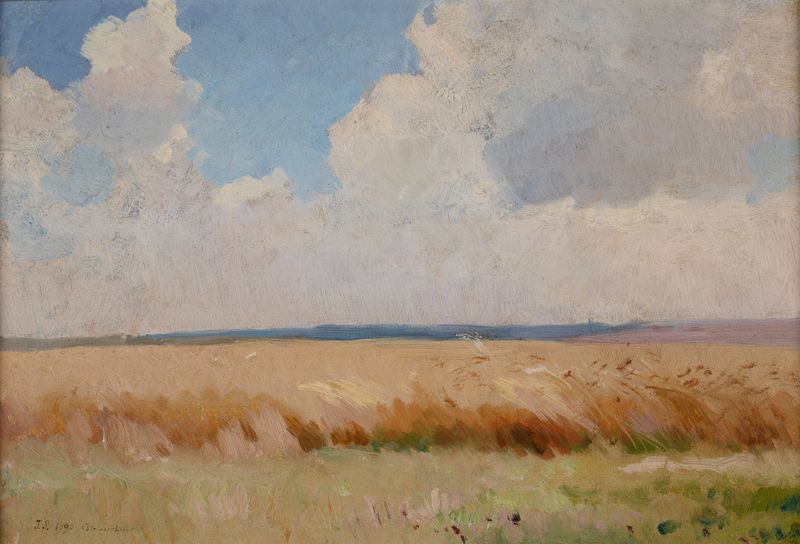
Field at Białocerkiew (Bila Tserkva)
Jan Stanisławski
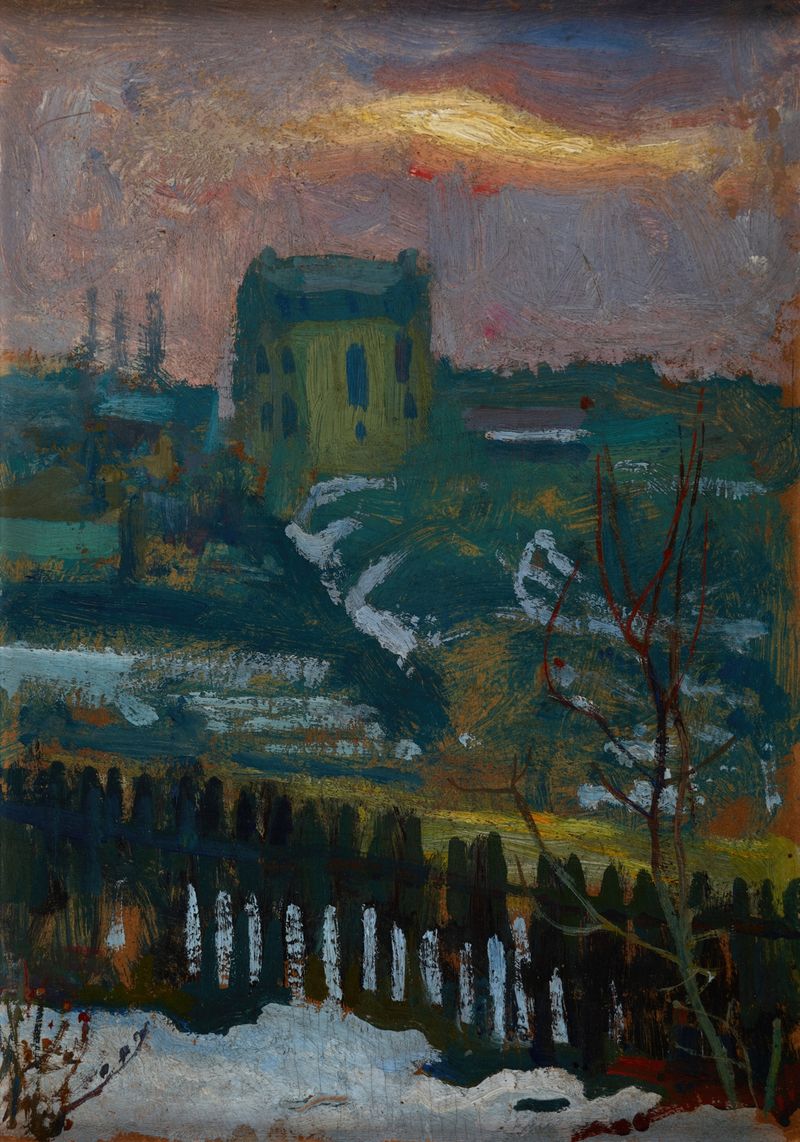
House in Winter
Jan Stanisławski
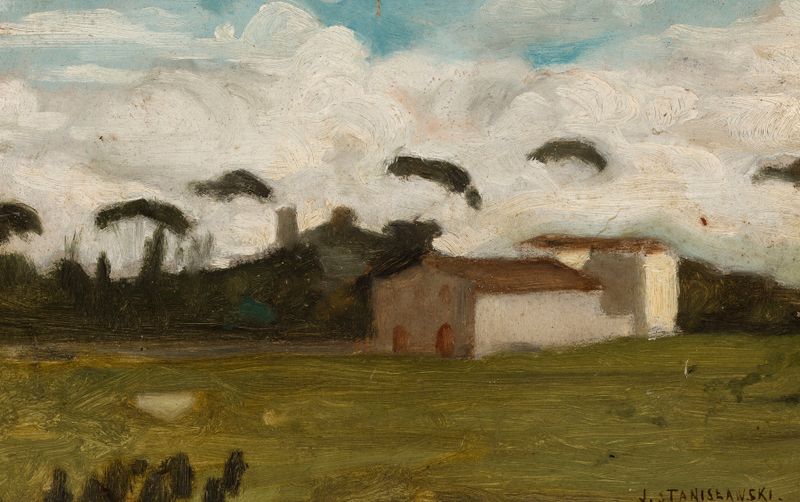
Landscape
Jan Stanisławski
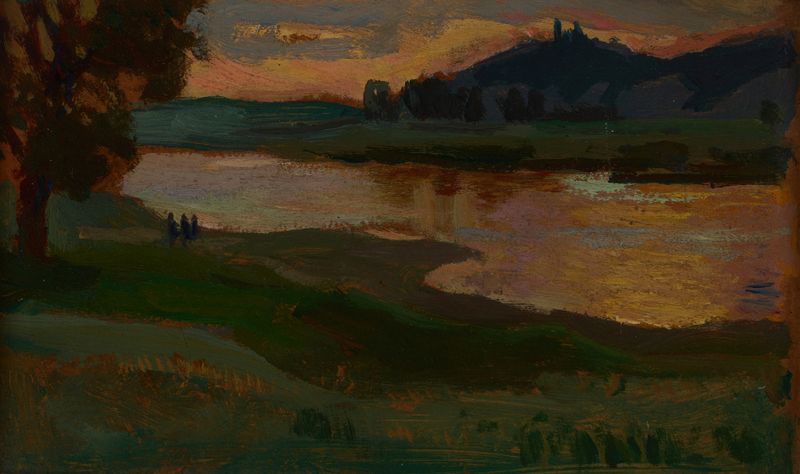
Bielany at Dusk
Jan Stanisławski
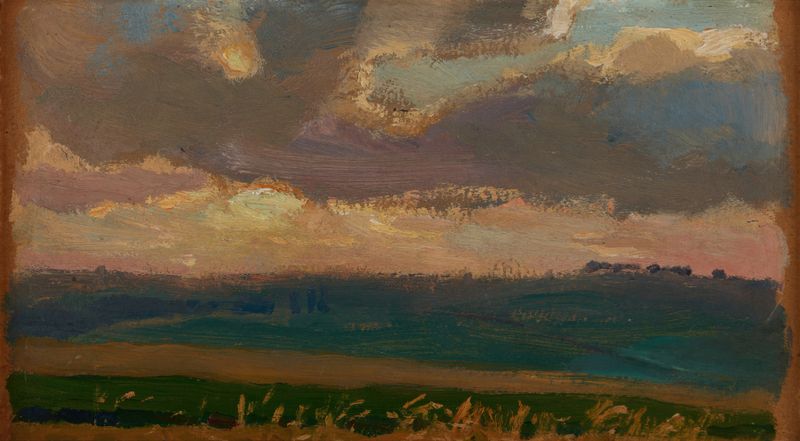
Fields at Proszowice
Jan Stanisławski