
Archers Stalking a Stag — History & Facts
In Archers Stalking a Stag, the interplay of light transforms the tumult of nature into an elegant dance, drawing us into a world suspended between movement and stillness. Look to the center, where the figures of the archers emerge from a lush tapestry of greenery. Notice the way their bodies are poised, taut with anticipation, as shafts of golden light filter through the dense foliage, illuminating their forms with a ethereal glow. The contrast between the shadowy underbrush and the highlighted figures creates a dynamic tension, guiding your eye both toward the stag and the archers, caught in a moment of both pursuit and reverie. The stag stands serene, a symbol of innocence poised against the relentless drive of humanity, encapsulating the primal struggle between hunter and hunted.
The surrounding landscape is alive with detail; each leaf shimmering with the play of light hints at the fragility of this moment. The emotional weight of the scene reveals an underlying narrative of survival and instinct, suggesting that, while the archers embody determination, the stag represents the quiet resilience of nature. John Martin created this compelling scene in 1821, during a period marked by the Romantic movement’s fascination with nature and the sublime. Living in England, Martin was captivated by the dramatic landscapes and emotional depth that characterized his work.
This painting emerged in a time when artists were beginning to explore the tensions of industrialization, reflecting a yearning for the untouched, wild beauty of the natural world.
More Artworks by John Martin
Browse all →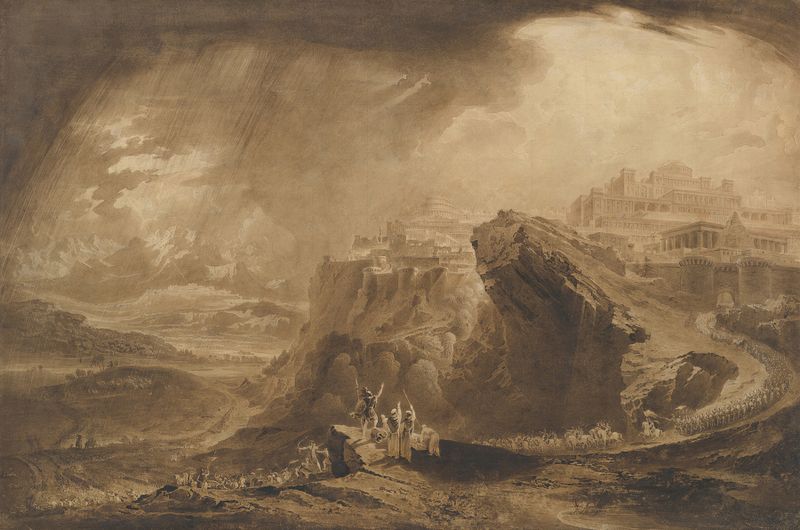
Joshua Commanding the Sun to Stand Still Upon Gibeon
John Martin
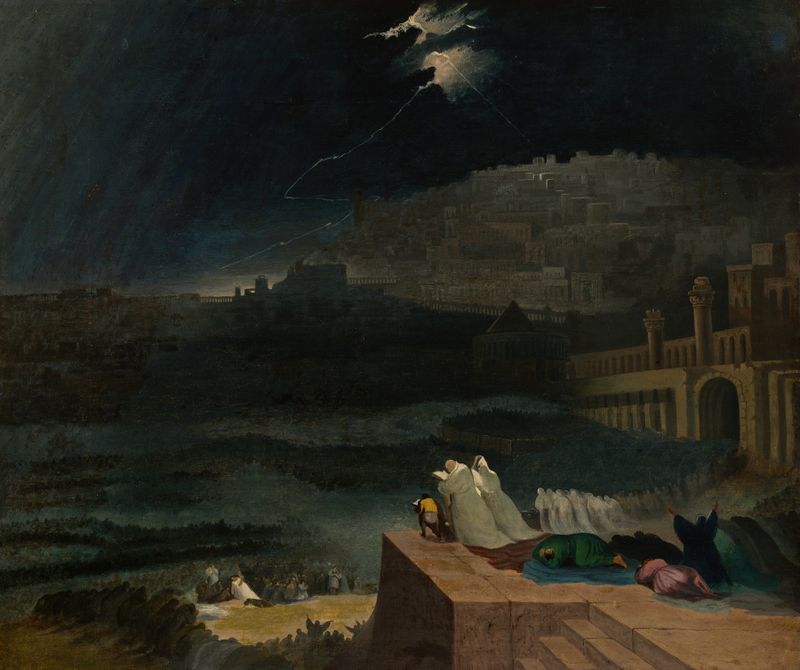
Repentance of Nineveh
John Martin

Sadak in Search of the Waters of Oblivion
John Martin
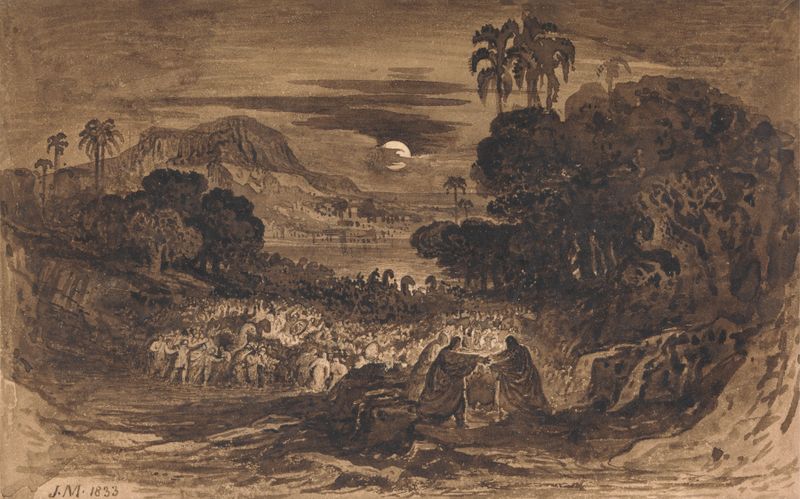
The Rescue of Lot
John Martin

The Valley of the Tyne, My Native Country near Henshaw
John Martin

The City Of God And The Waters Of Life
John Martin
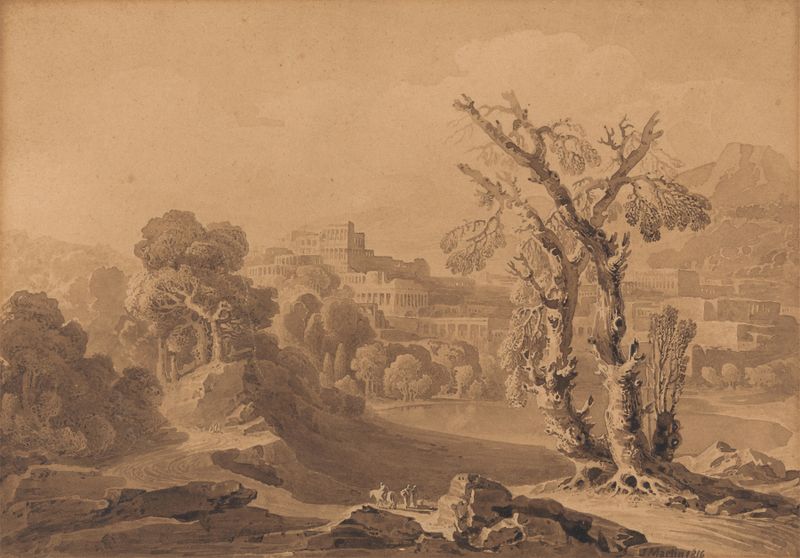
Classical City in Landscape
John Martin

Marcus Curtius
John Martin
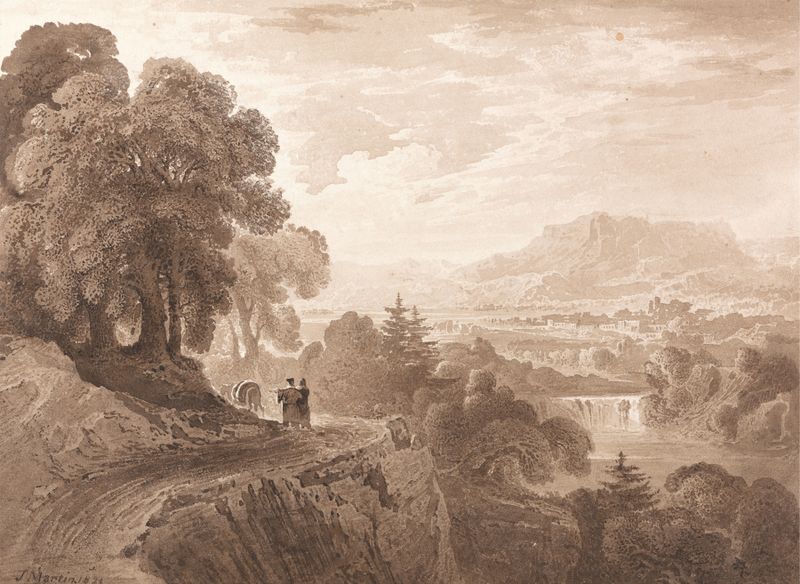
Travelers on a Road above a River
John Martin

Ruins of an Ancient City
John Martin





