
Arnold böcklin, orlando furioso, 1901, 02 — History & Facts
The eye is immediately caught by the wild, almost chaotic energy that explodes from the center of this scene: a giant, half-naked figure wields a massive tree trunk as a weapon, scattering men and carts as if they were toys. The violence is not abstract but physical, bodies tumbling through the air and sprawling on the ground, faces twisted in fear or pain. The artist leads us through a tangle of limbs and desperate gestures—one man clutches another over his shoulder, a cart is overturned, and a group of armed figures presses forward, their spears and pitchforks barely a match for the brute force dominating the composition.
The palette, earthy and raw, roots the action in a world of dust and sweat, while the sky above offers no respite, only a pale backdrop to the chaos below. Created in 1901, this work by Arnold Böcklin draws on the feverish imagination and mythic storytelling that marked the turn of the twentieth century. Paintings like this, often inspired by epic literature and legend, were prized by collectors eager for drama and spectacle—an antidote to the encroaching modern world. Böcklin himself was known for visions that blurred the line between reality and myth, and this painting, preserved in a private collection, is no exception.
History has kept few traces of this specific canvas, but its furious energy and theatrical composition invite the viewer to linger, searching for the story behind every battered figure and every frantic gesture.
More Artworks by Arnold Böcklin

Die Toteninsel III
Arnold Böcklin
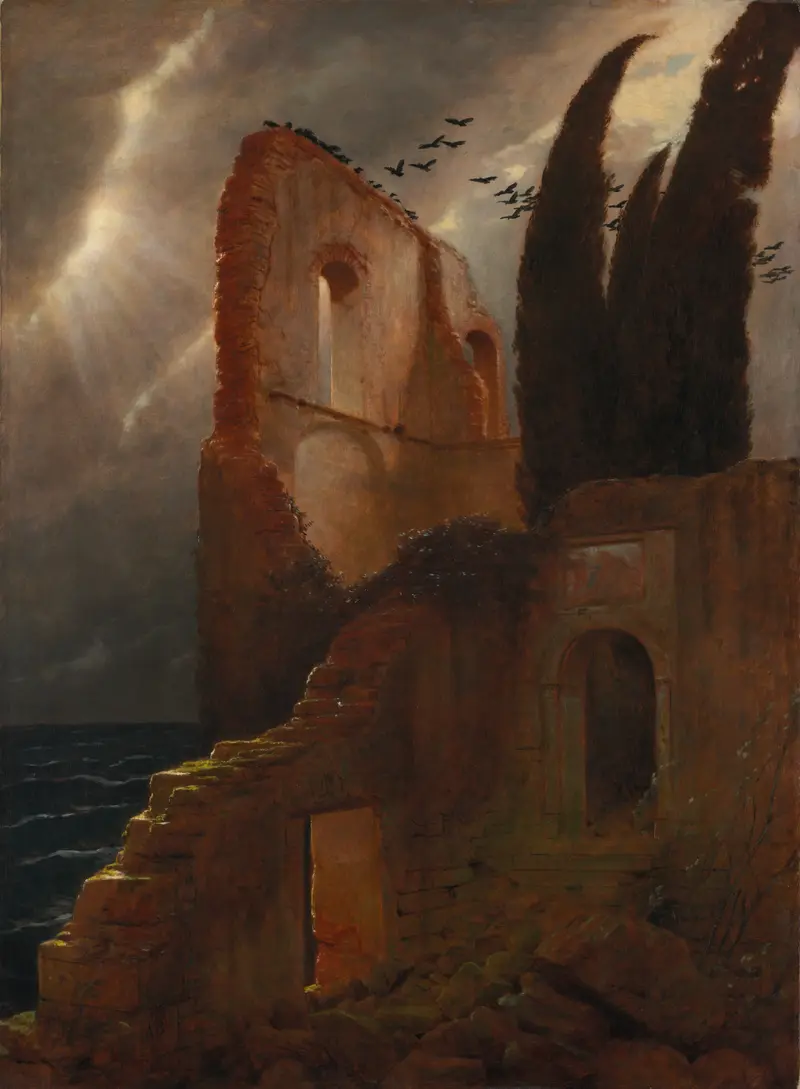
Ruin by the Sea
Arnold Böcklin
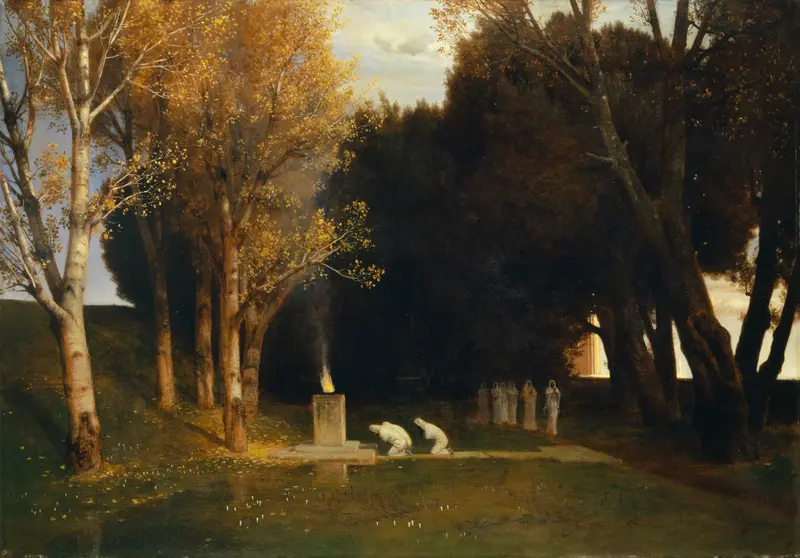
The Sacred Grove
Arnold Böcklin
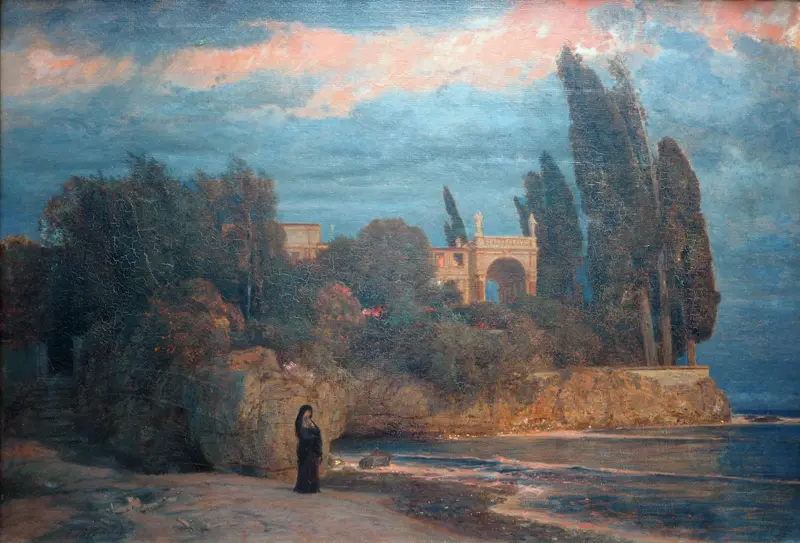
Villa by the Sea
Arnold Böcklin
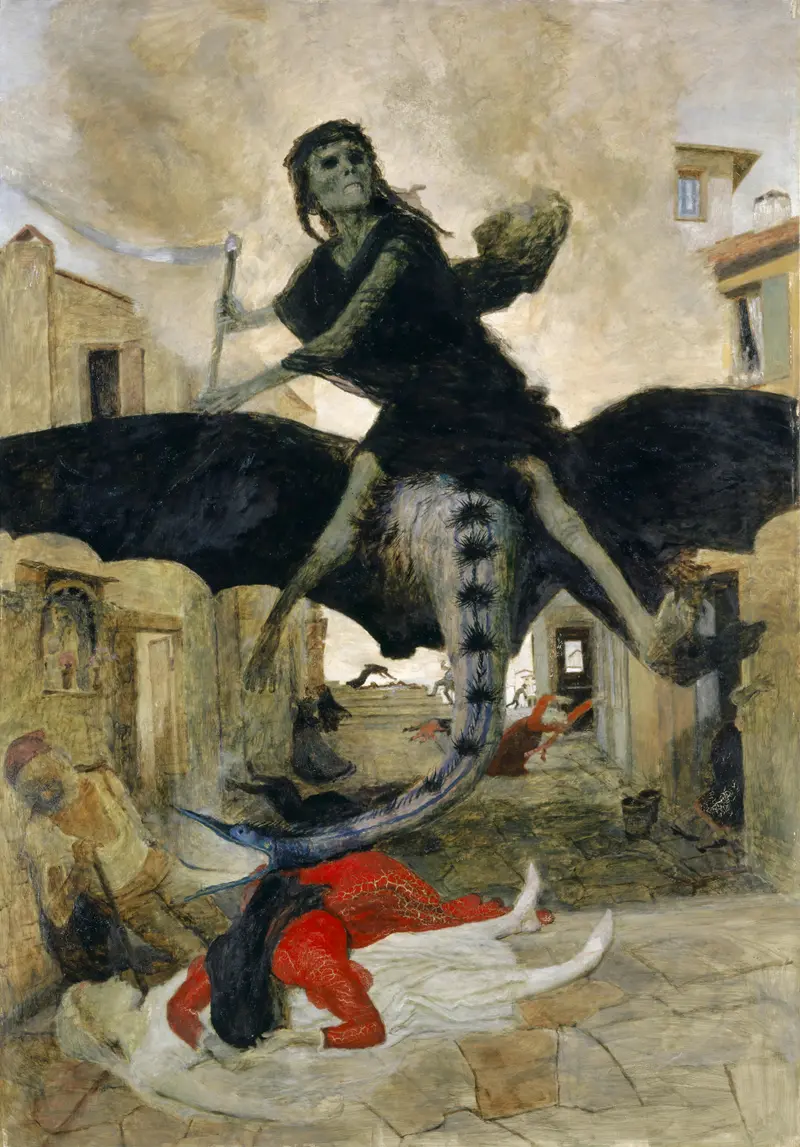
The Plague
Arnold Böcklin
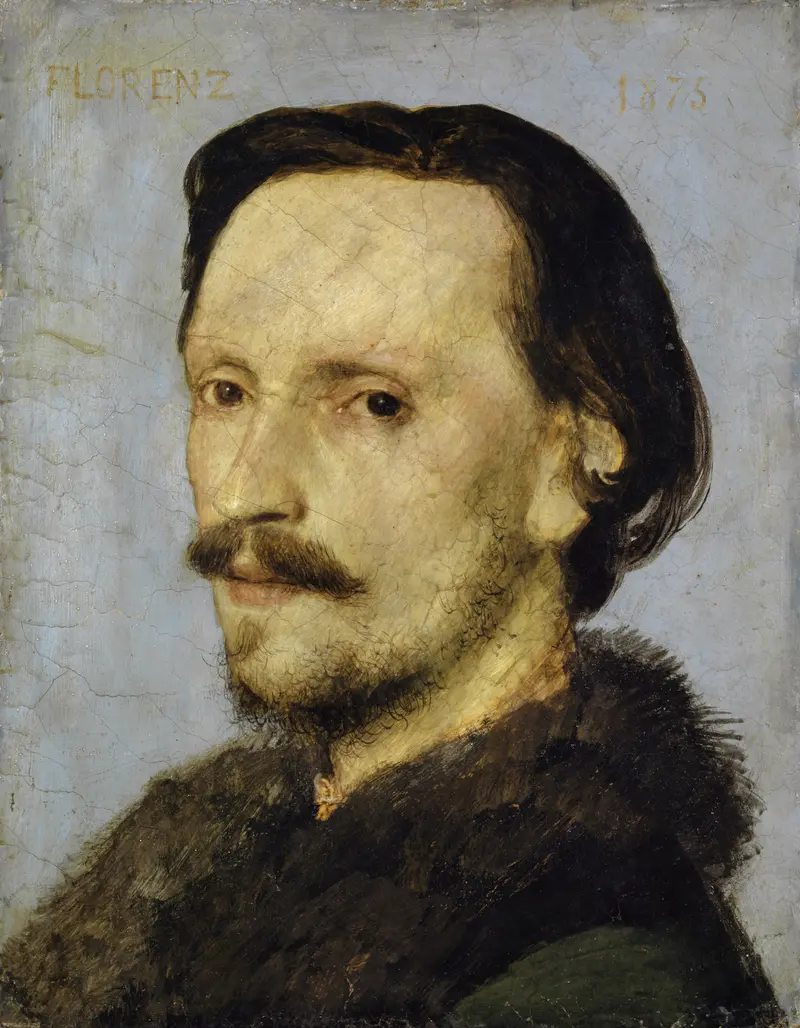
Böcklin Bildnis des Kunsthistorikers Adolph Bayersdorfer, 1875
Arnold Böcklin
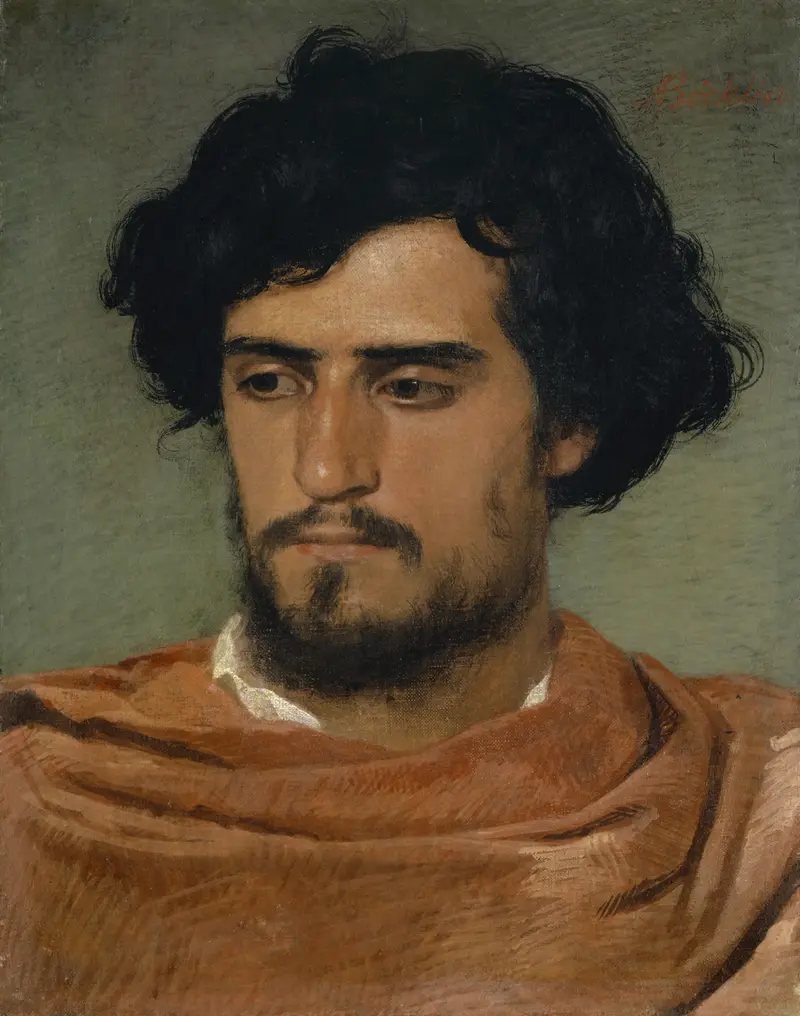
Head of a Roman
Arnold Böcklin
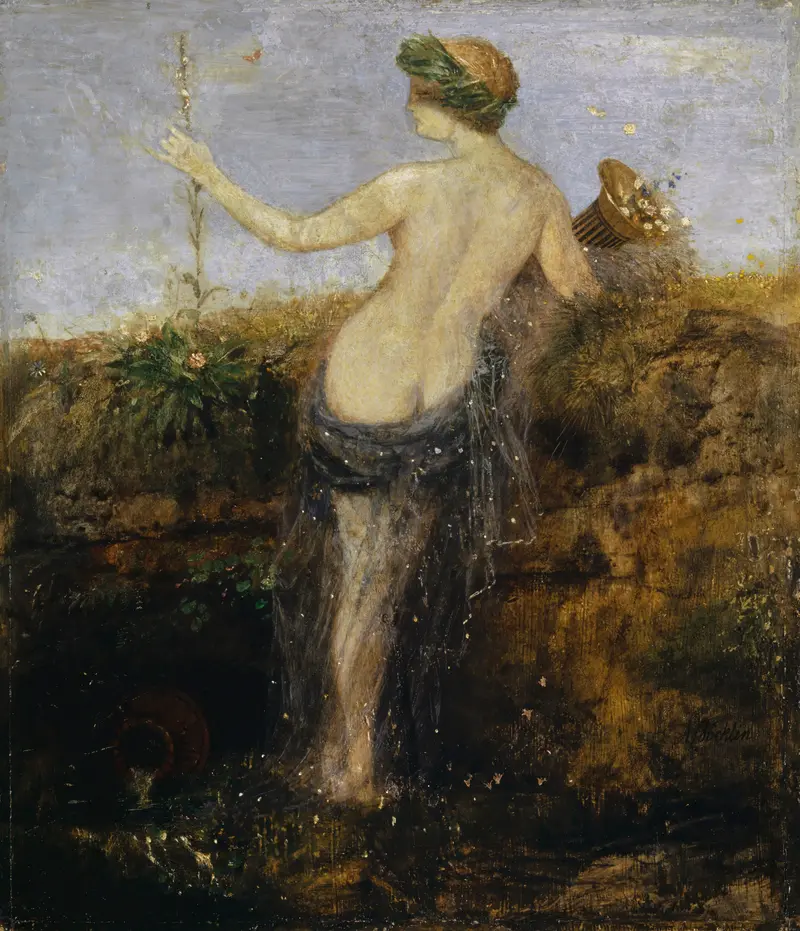
Nymphe with Horn of Plenty
Arnold Böcklin
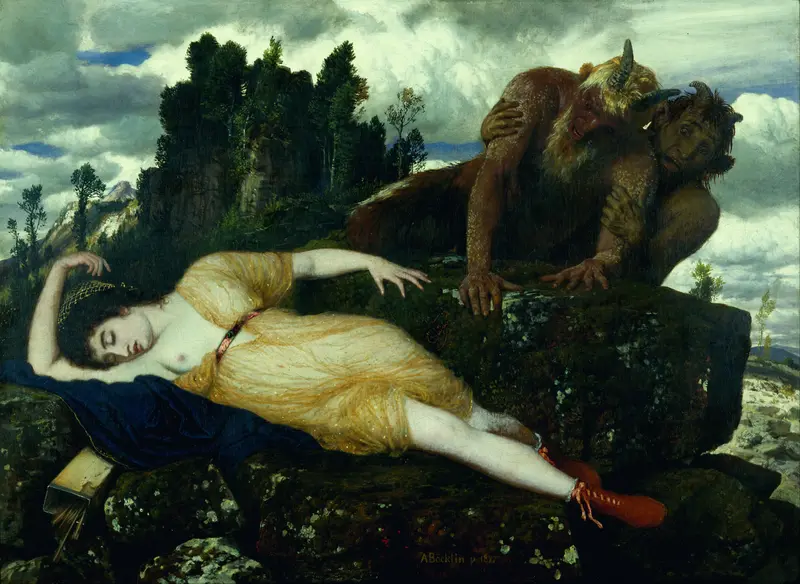
Sleeping Diana Watched by Two Fauns
Arnold Böcklin
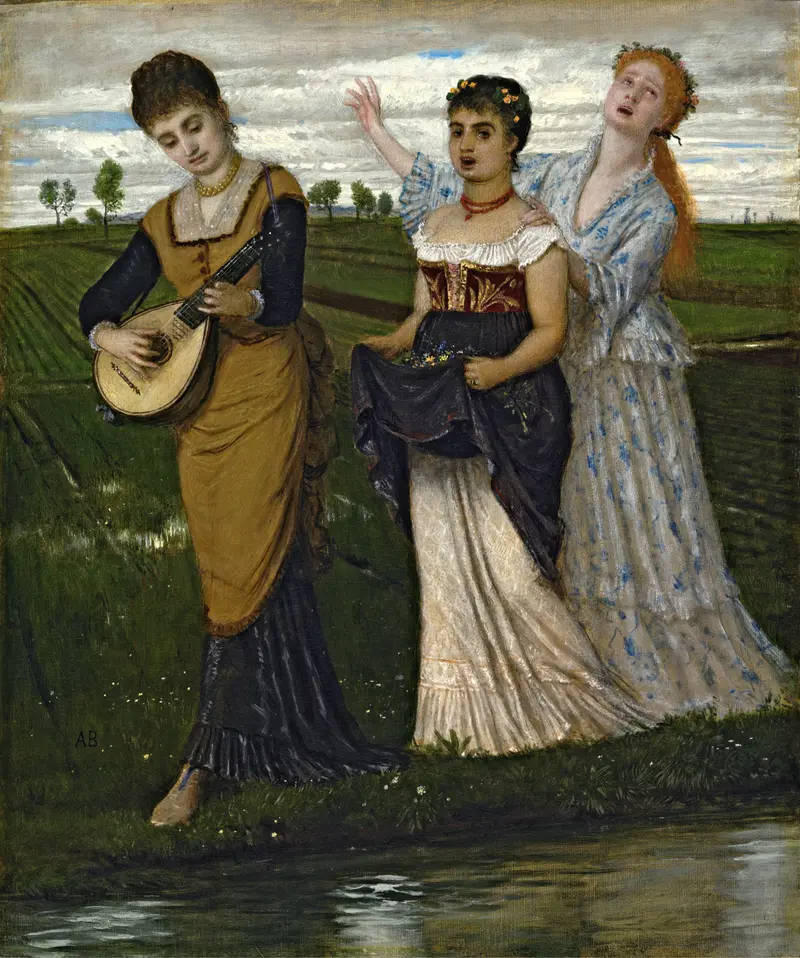
Spring (Songs of Spring)
Arnold Böcklin





