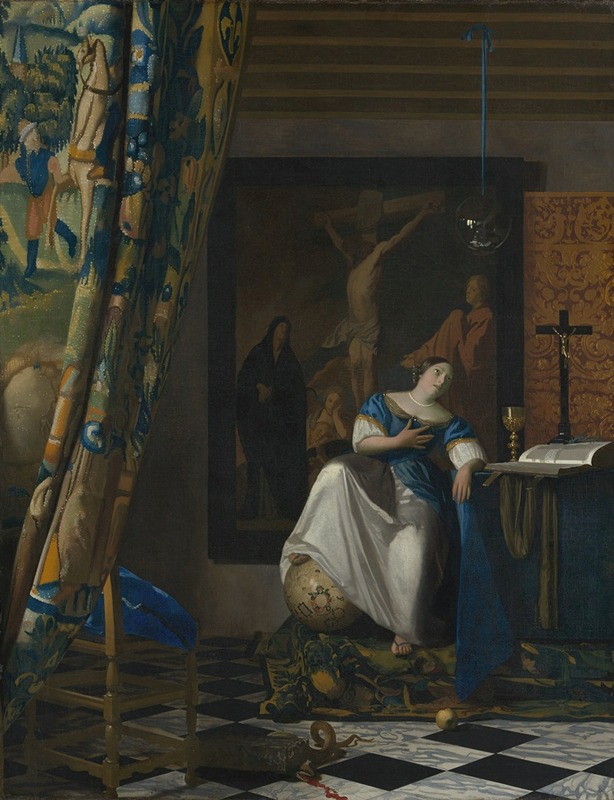
Arts en de Dood — History & Facts
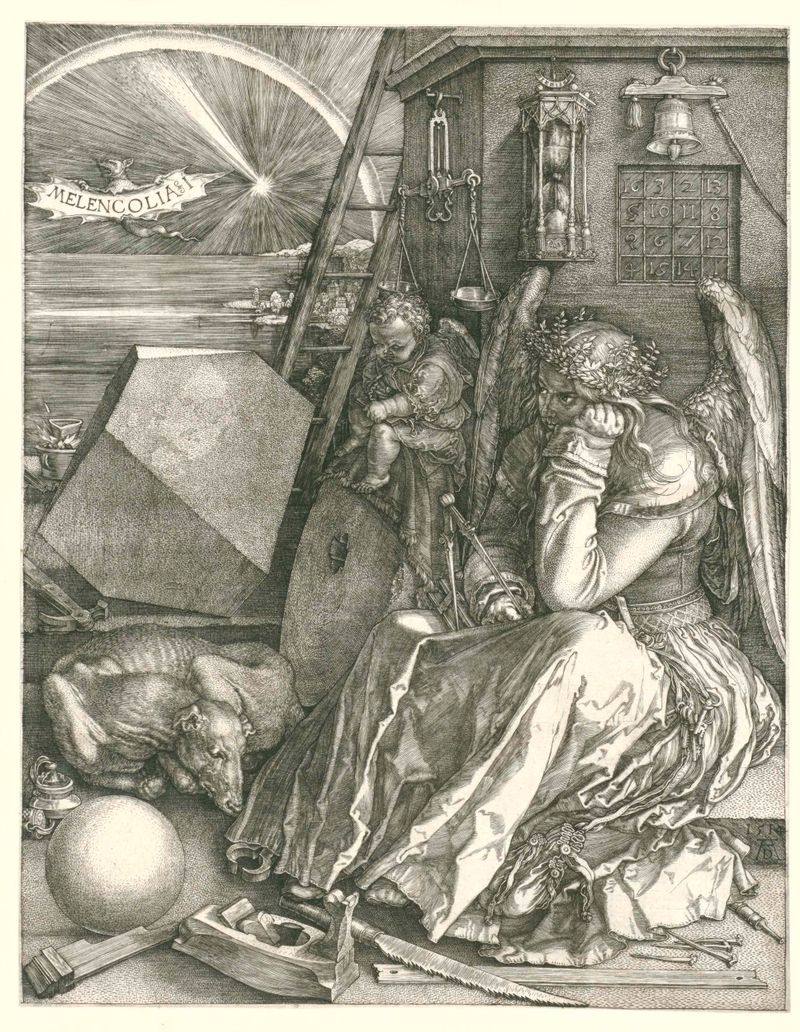
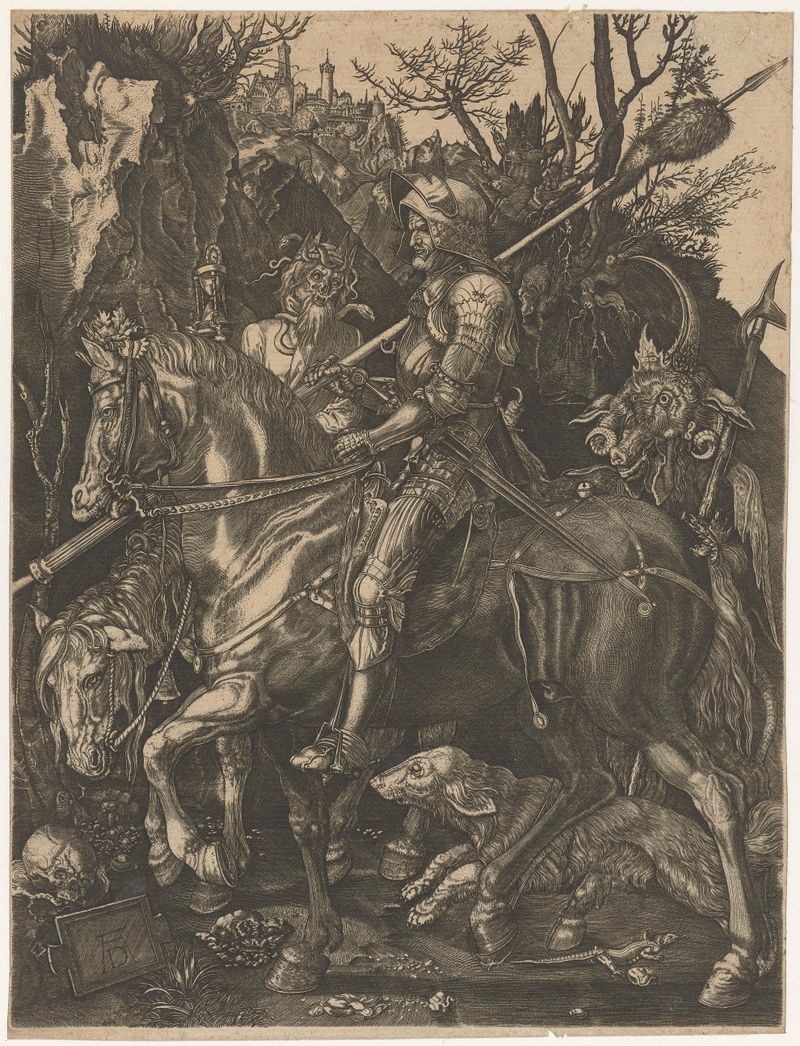
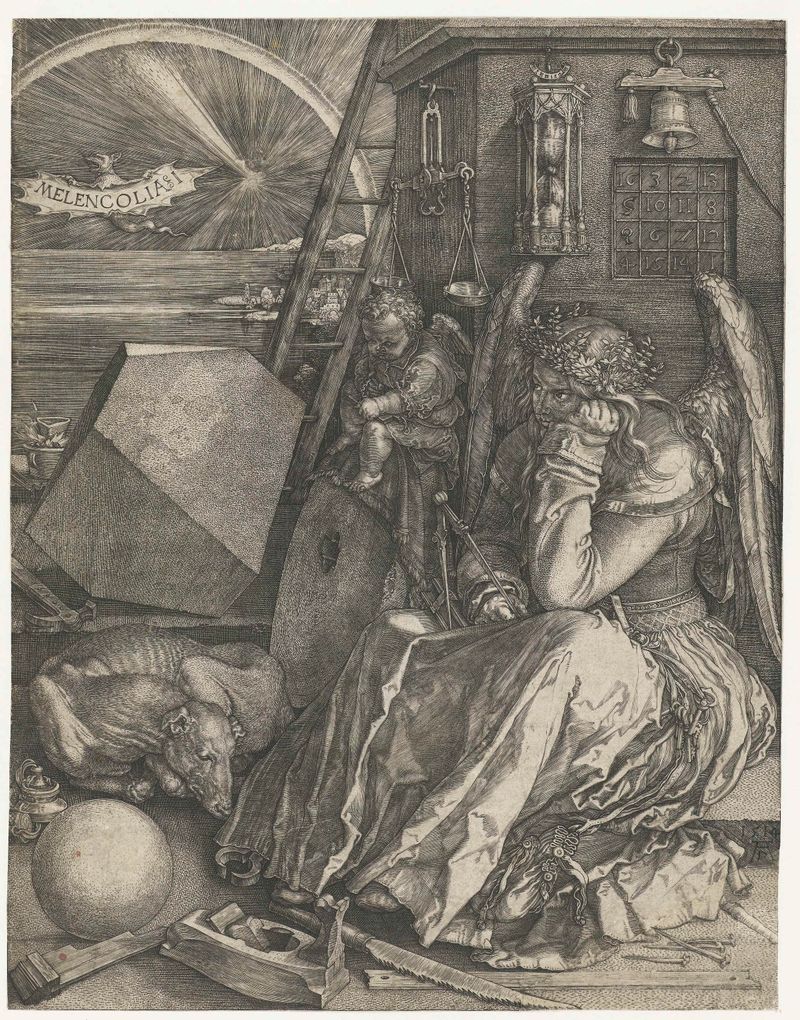
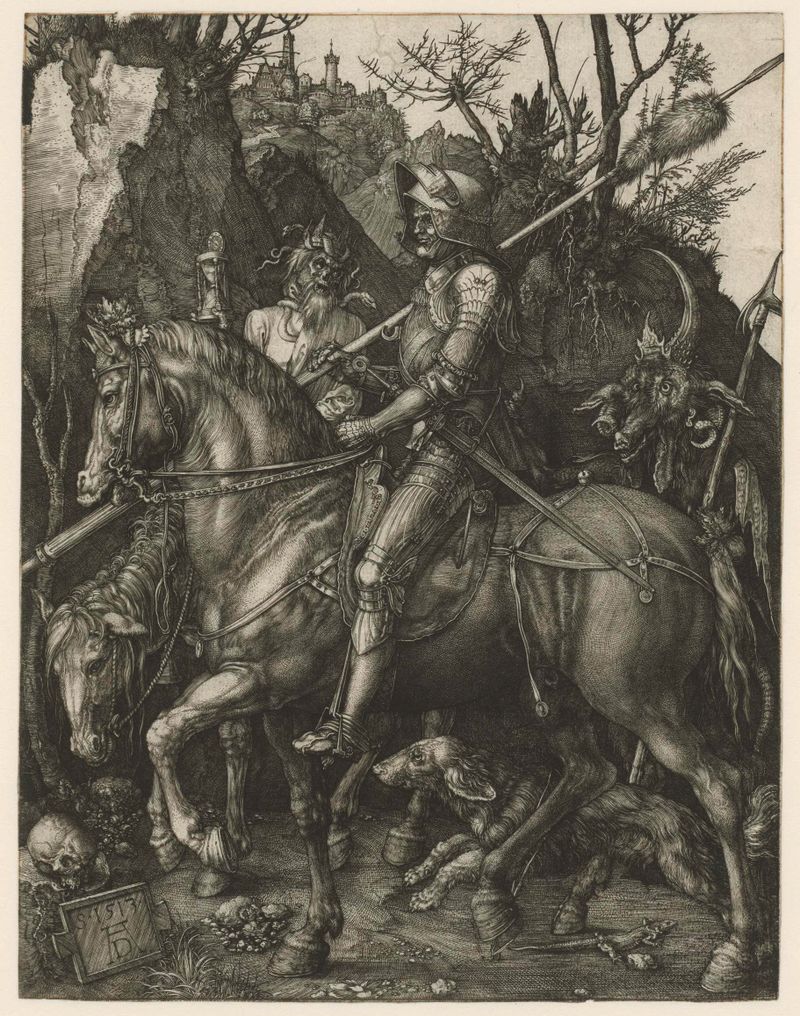
Where does light end, and longing begin? In Arts en de Dood, the juxtaposition of vibrant colors against the somberness of mortality invites a contemplation of existence itself—an exploration of life’s fleeting beauty and inevitable conclusion. Look to the center of the canvas where the spectral figure of Death looms large, draped in dark robes that absorb the light around it. Notice how the artist deftly contrasts this with the rich hues of the surrounding artworks, each representing the pursuits and passions of life. The instruments and symbols of art and science, arranged meticulously, draw the eye to their intricate details, illuminating the vibrancy of human creativity against the muted backdrop of mortality. There is a palpable tension between life and death embodied in the work.
The lively instruments—a lute, a globe—serve as reminders of dreams unrealized and paths not taken, while the lurking presence of Death suggests that all endeavors are impermanent. The gaze of the viewer is both invited into the celebration of art and confronted by the inevitability of our finality, creating an emotional resonance that lingers long after the initial viewing. Hans Holbein painted this evocative piece in 1538, during a time when the Renaissance was flourishing, and the Northern European art scene was gaining prominence. Living in Basel, Holbein was influenced by the fusion of humanism and religious thought, reflecting the era's complex attitudes toward life, death, and the human condition.
The painting encapsulates his mastery in portraying profound themes, resonating with audiences across generations.
More Artworks by Hans Holbein (II)
Browse all →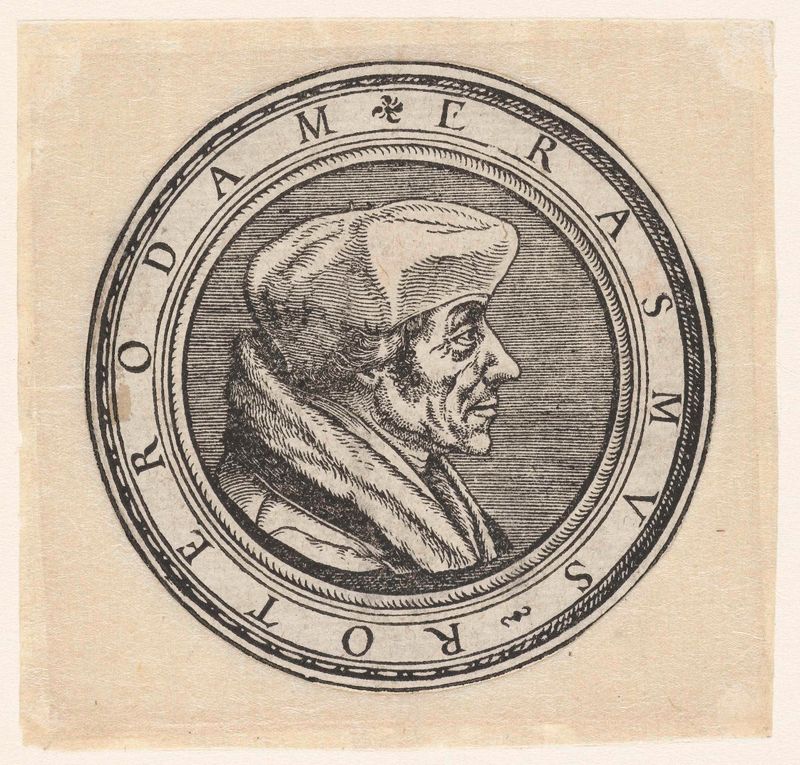
Portret van Erasmus
Hans Holbein (II)
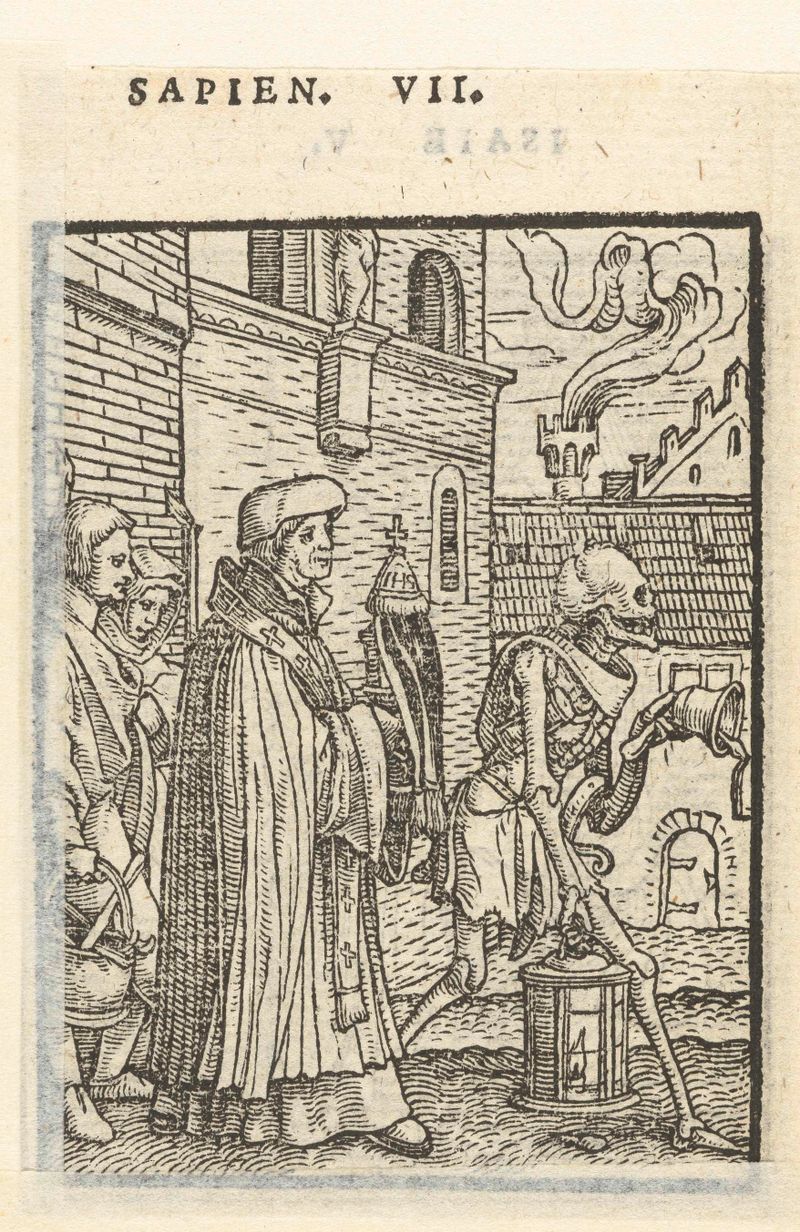
Priester en de Dood
Hans Holbein (II)
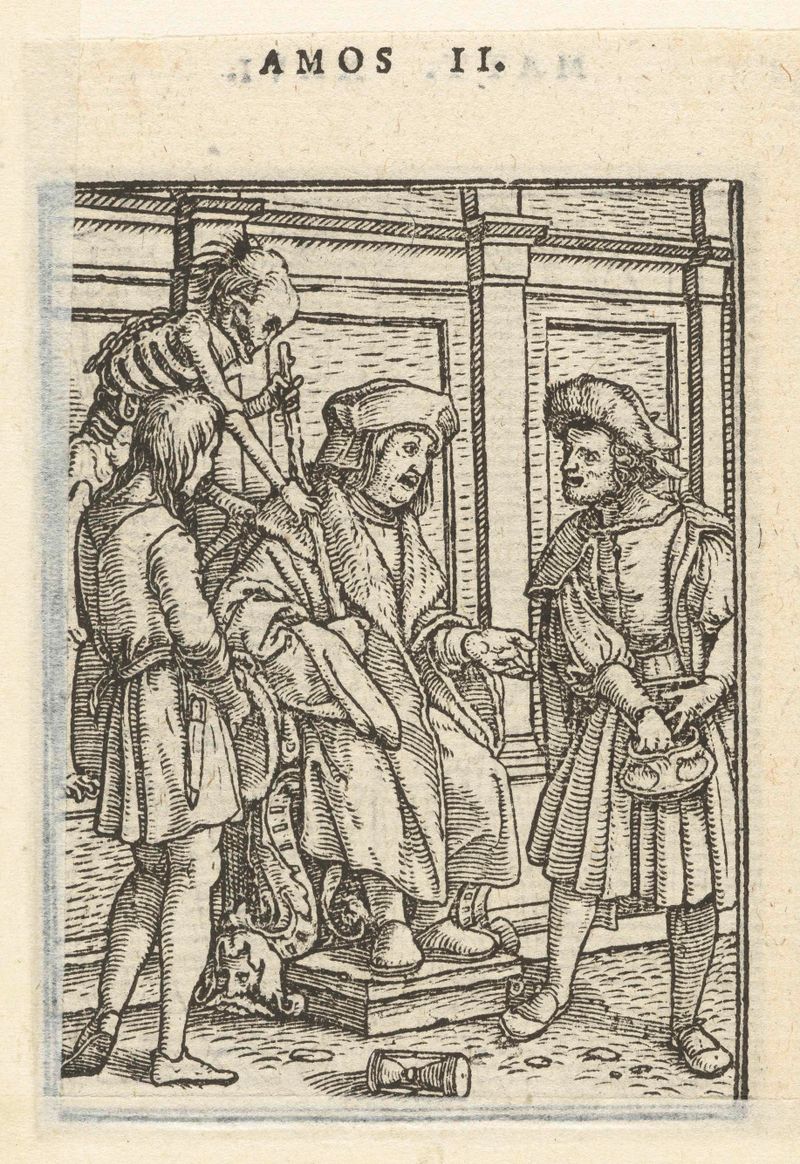
Rechter en de Dood
Hans Holbein (II)
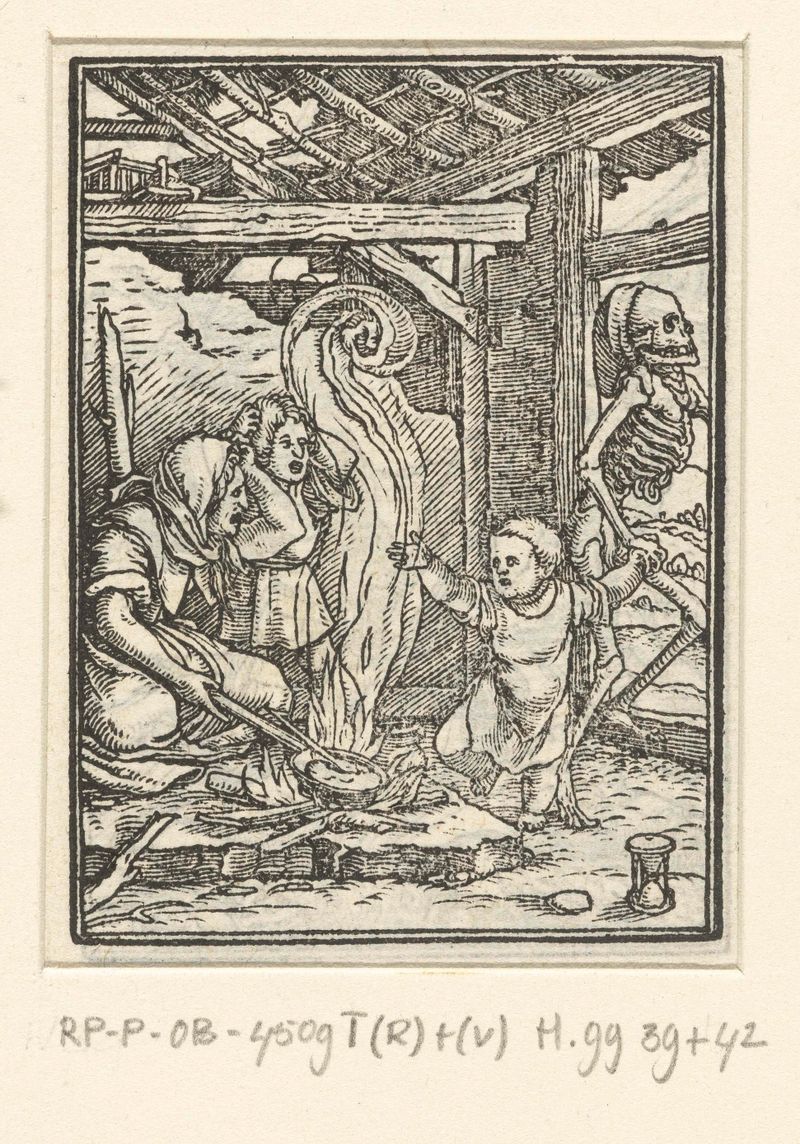
Kind en de Dood
Hans Holbein (II)
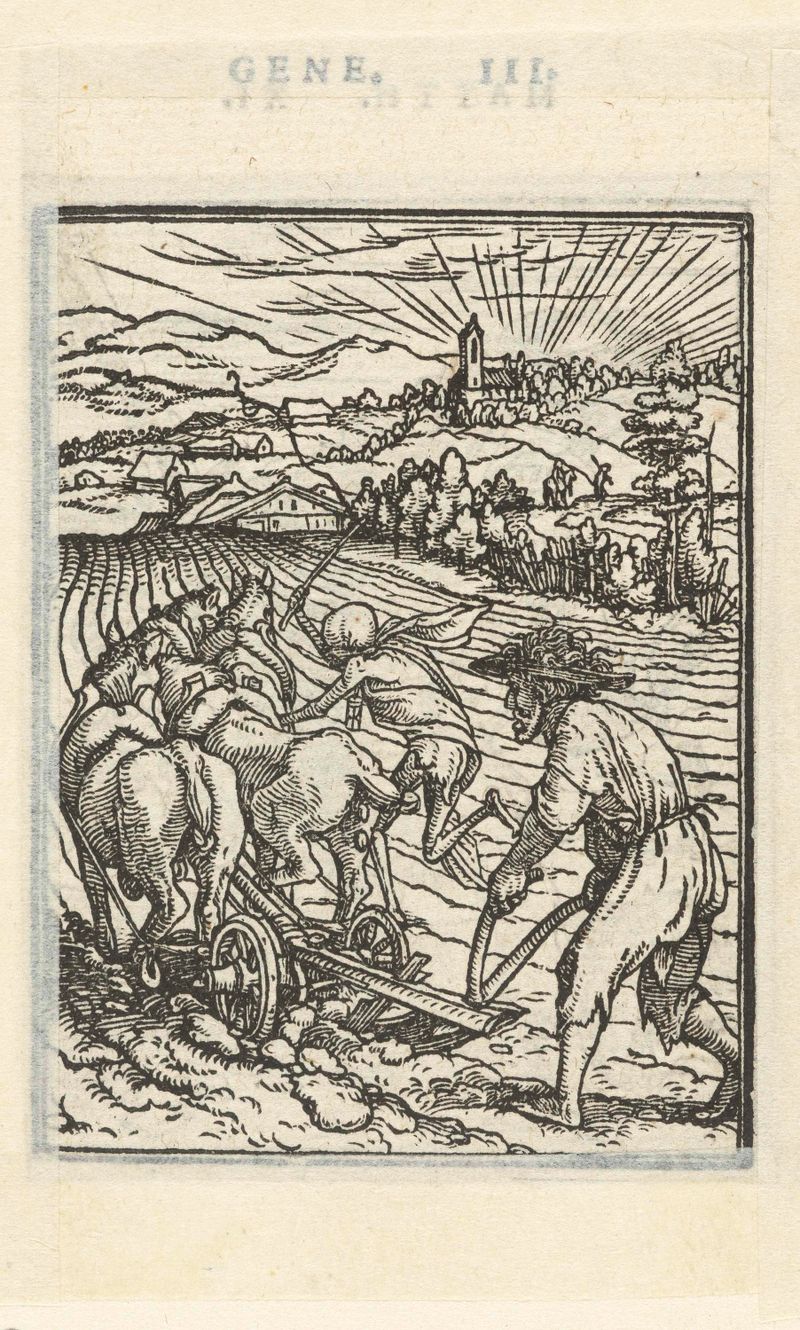
Boer en de Dood
Hans Holbein (II)
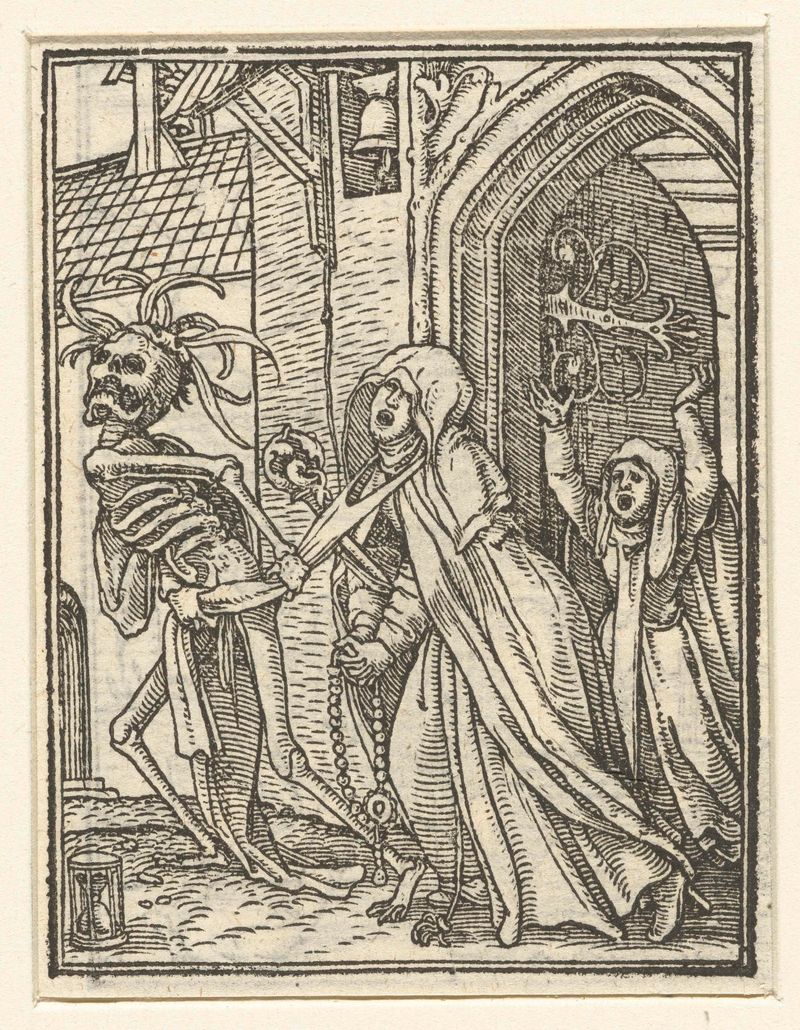
Abdis en de Dood
Hans Holbein (II)
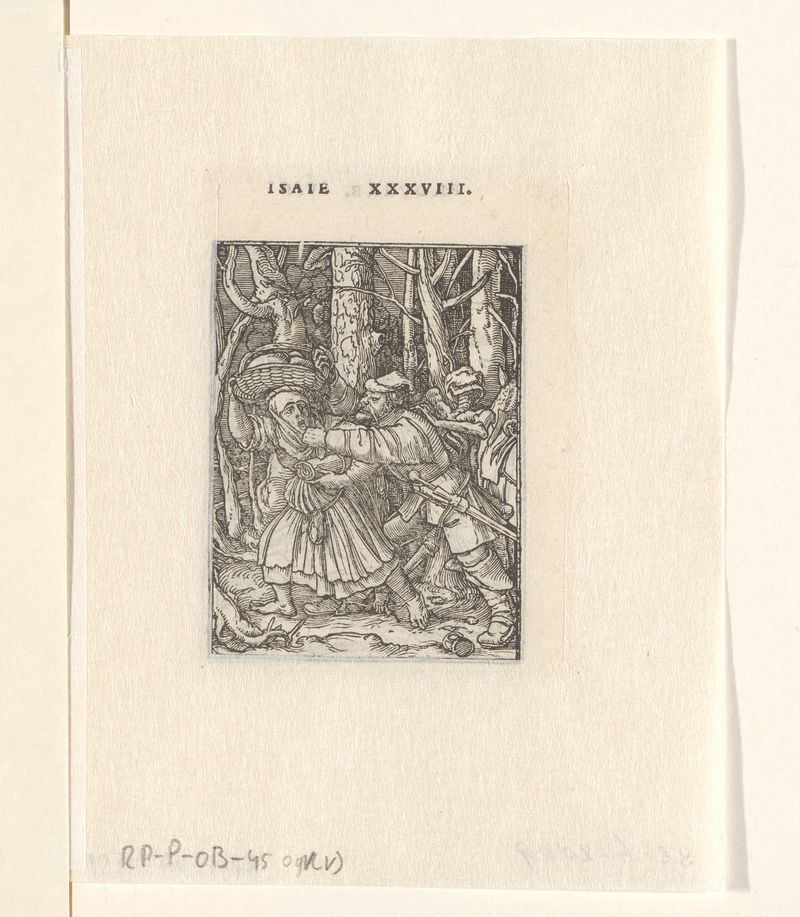
Dief en de Dood
Hans Holbein (II)
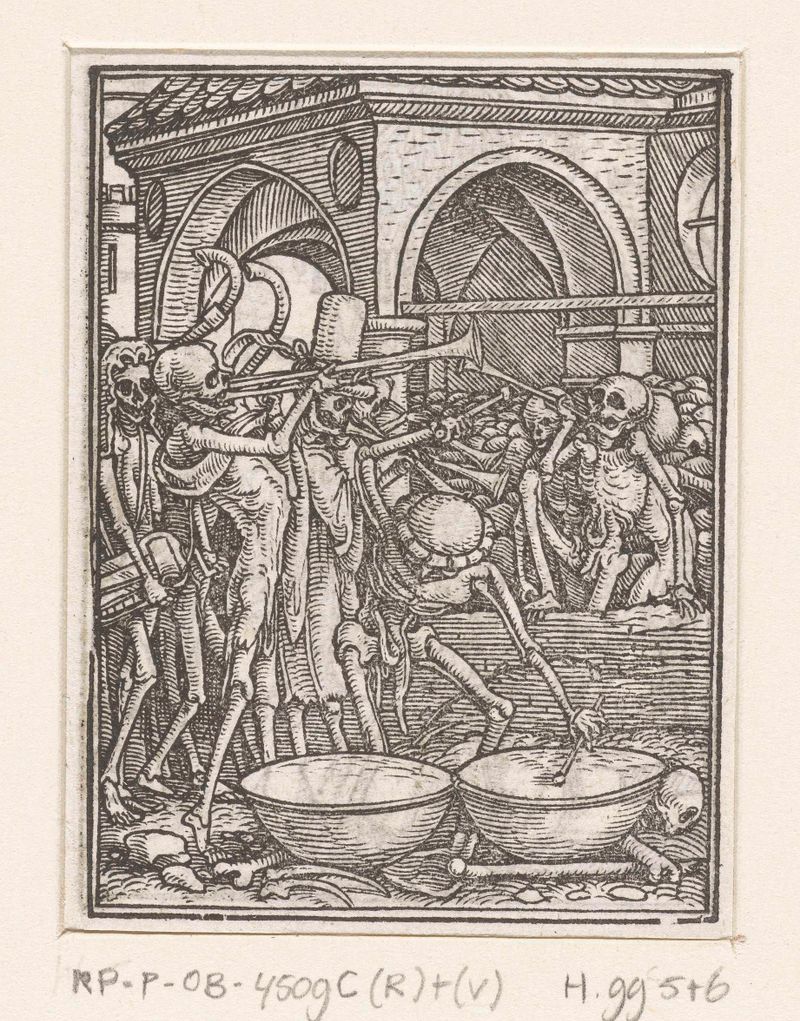
Skeletons Making Music from Dance of the Dead
Hans Holbein (II)
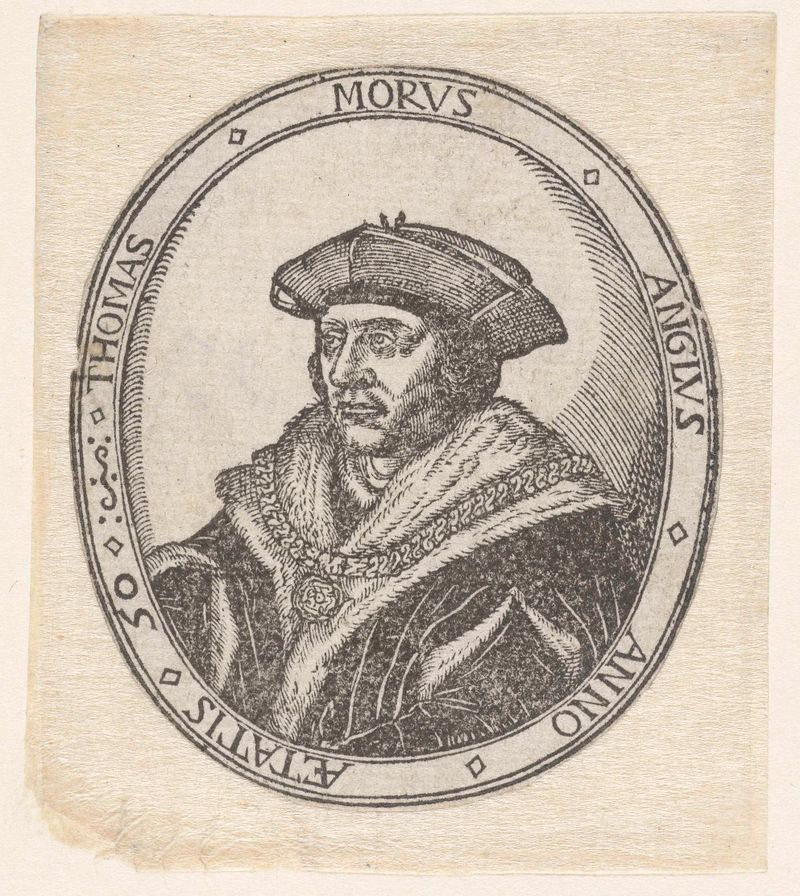
Portret van Thomas More
Hans Holbein (II)
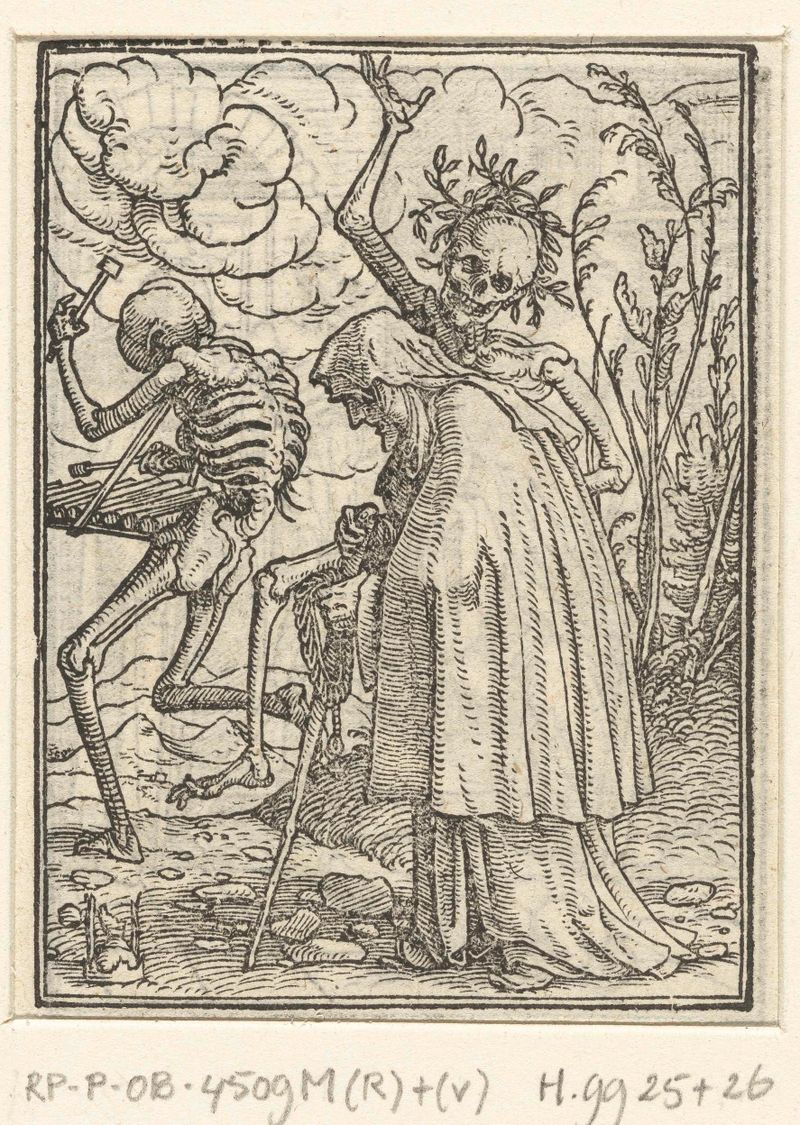
Oude vrouw en de Dood
Hans Holbein (II)