
Assumption of Mary — History & Facts
In Assumption of Mary, Jacques Callot presents a vibrant scene filled with rich colors. The painting depicts the Virgin Mary surrounded by angels, ascending towards a heavenly light. The figures are rendered with delicate details, showcasing their flowing robes and expressive faces.
The background features a luminous sky, enhancing the divine atmosphere of the moment. The painting is characterized by its Baroque style, evident in the dramatic use of light and shadow. Callot employs oil on canvas, allowing for a smooth blending of colors and intricate details. The composition is dynamic, with the figures arranged in a way that draws the viewer's eye upward.
This upward movement symbolizes the ascension of Mary, a key theme in religious art. Jacques Callot was known for his etchings and paintings that often depicted religious themes. The Assumption of Mary is a notable work from the early 1620s, reflecting the Baroque interest in dramatic narratives. Interestingly, Callot's works were influential in shaping the visual language of later artists.
This painting exemplifies his skill in combining emotion with technical precision.
More Artworks by Jacques Callot

De verloren zoon als zwijnenhoeder
Jacques Callot
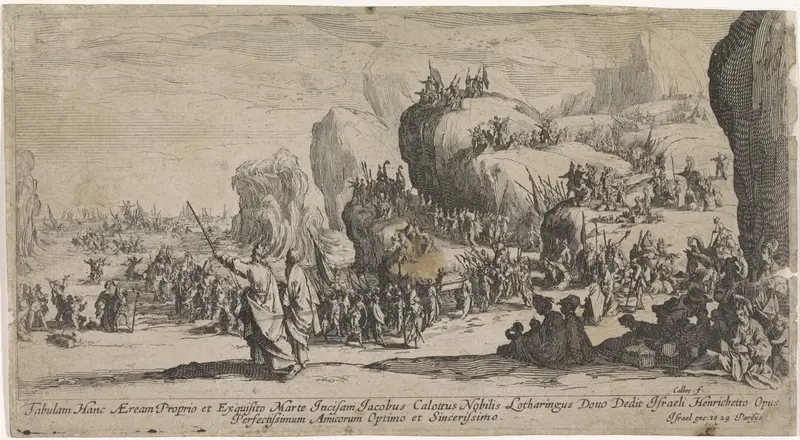
De doortocht door de Rode Zee
Jacques Callot

Kruisiging
Jacques Callot
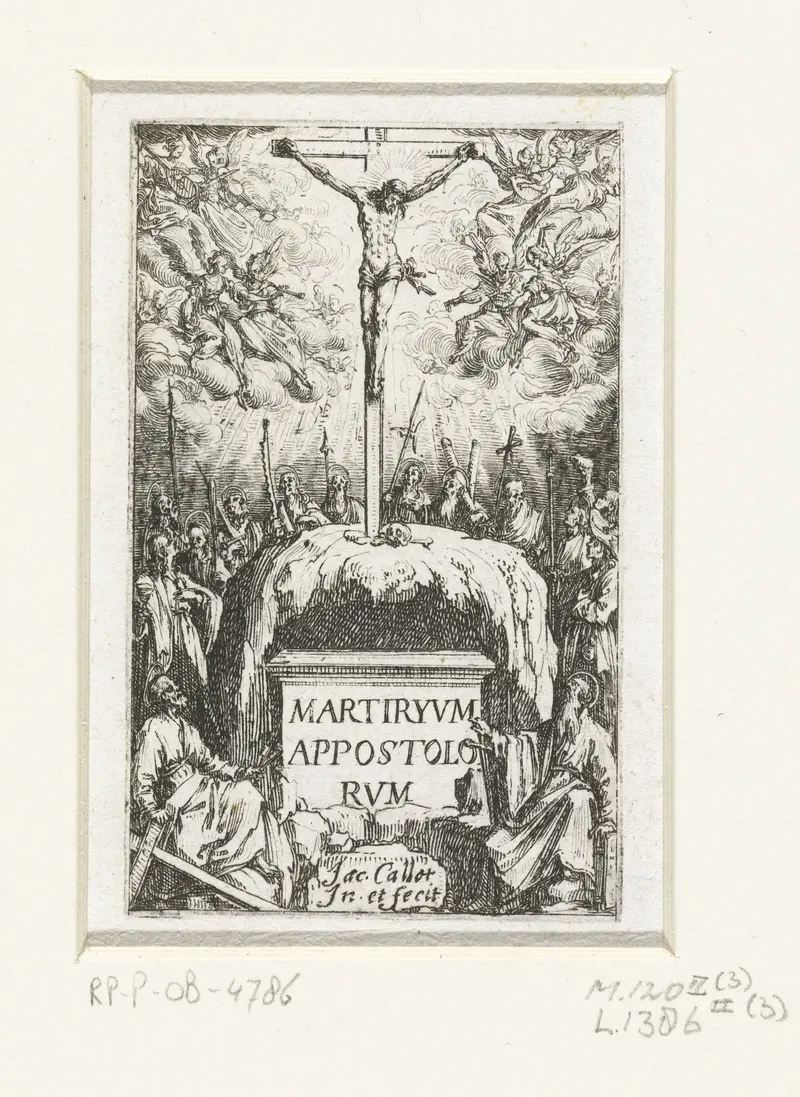
Titelprent voor de prentreeks 'De kleine apostelen' (Het martelaarschap van de apostelen)
Jacques Callot
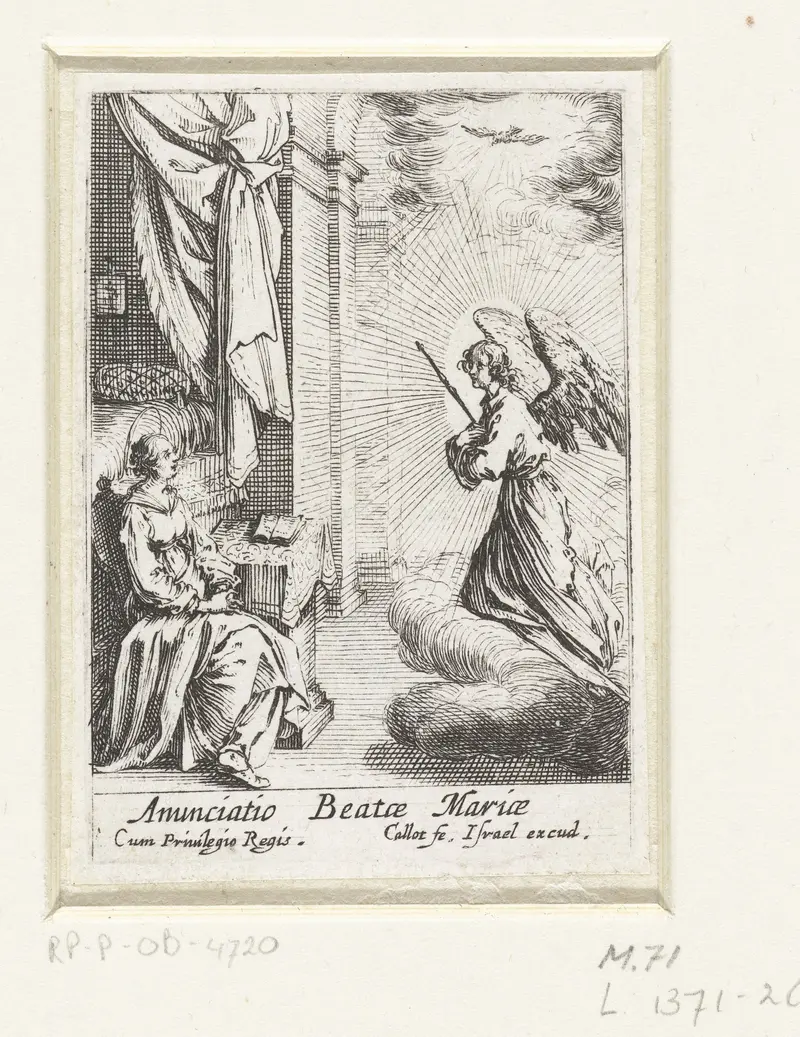
Annunciatie
Jacques Callot
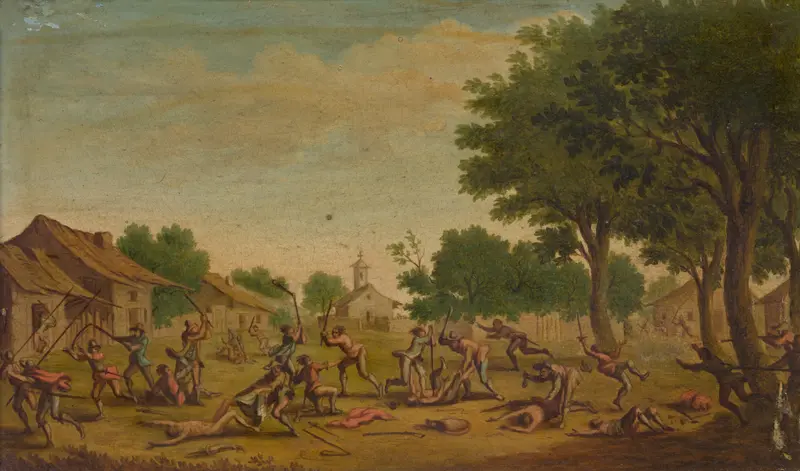
Village Fight
Jacques Callot
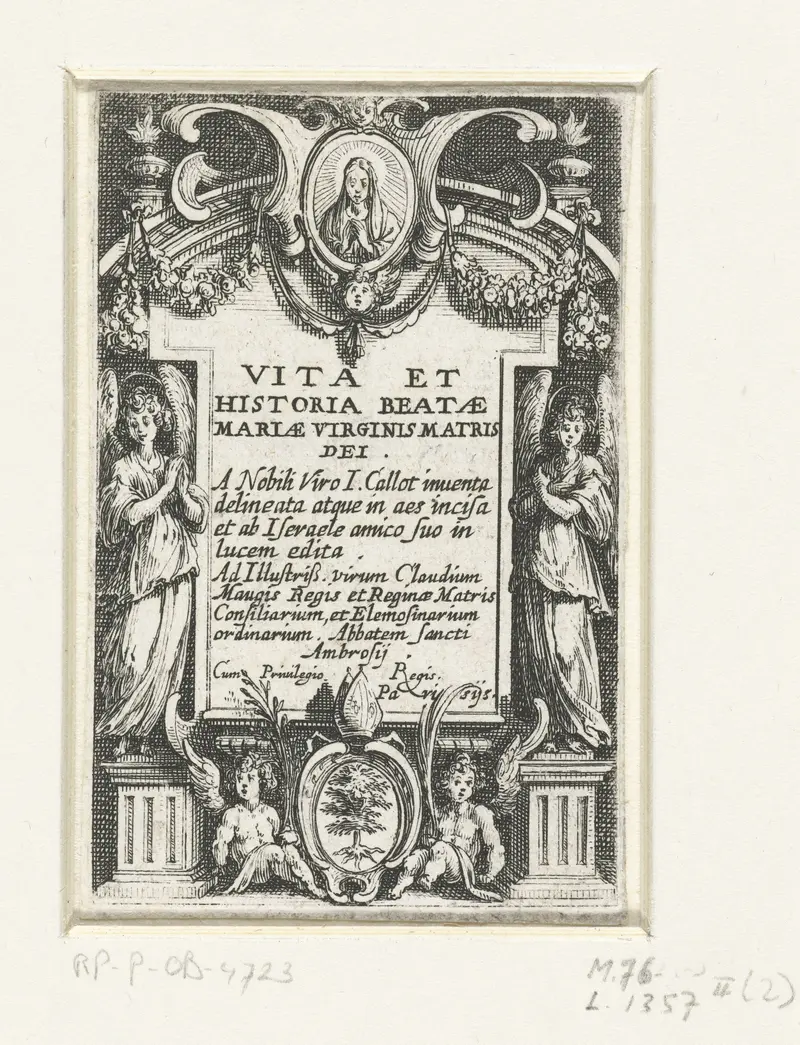
Titelprent voor prentreeks 'Het leven van Maria'
Jacques Callot
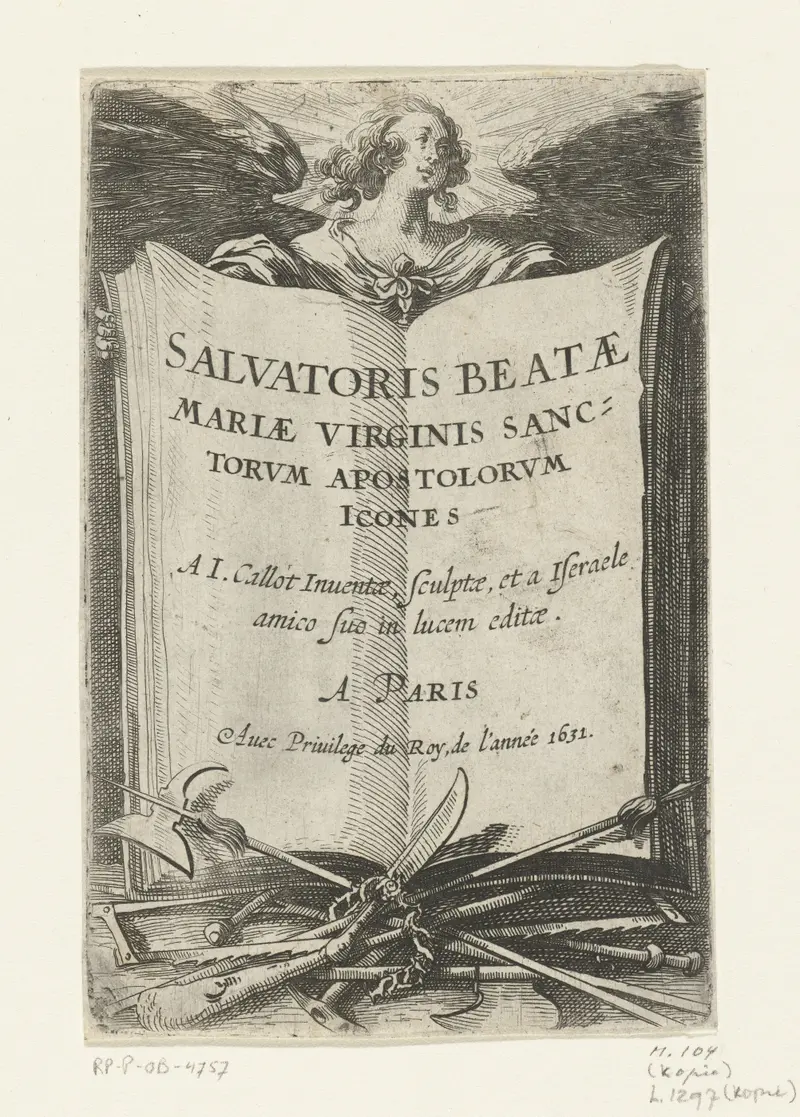
Titelprent voor de prentreeks 'De grote apostelen' (Christus, Maria en de apostelen)
Jacques Callot

Kruisoprichting
Jacques Callot
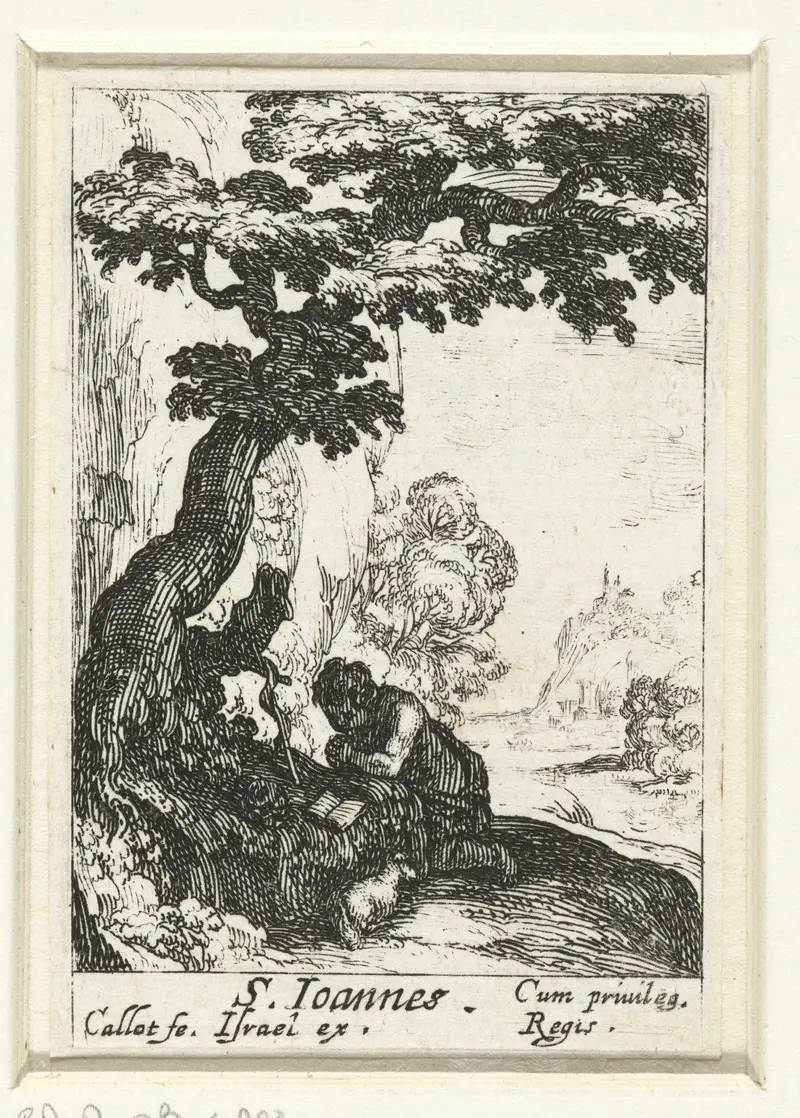
De boetvaardige Johannes de Doper
Jacques Callot





