
Atalja scheurt haar kleren voor de hogepriester — History & Facts
The tension between grace and suffering often lingers in the shadows of our legacies, shaped by the hands of time and the weight of expectation. In this piece, the viewer is invited to contemplate not only the dramatic act before them but also the deeper implications of sacrifice and renunciation. Look to the left where the figure of Atalja stands at the center, a striking silhouette against a muted backdrop. Her torn garments cascade around her, the rich gold and deep hues contrasting sharply with the somber expression on her face.
Notice how the painter’s masterful use of light highlights the intricate textures of the fabric, creating a sense of movement that feels almost palpable. Each rip in the clothing speaks of an emotional unraveling, evoking a visceral response that draws one deeper into the narrative. The act of tearing her clothes signifies more than mere rebellion; it encapsulates an internal struggle with identity and societal expectations. The tension between vulnerability and power resonates in her stance, as if she is simultaneously surrendering and asserting her agency.
The gold trim on her clothing hints at the remnants of a once-glorious status, emphasizing the fragile nature of beauty and legacy, which can be both a source of pride and pain. Holbein created this work in 1538 during a period marked by political upheaval and personal loss. Living in England, he was becoming renowned for his portraits, yet he faced the complexities of court life and the shifting tides of favor. This piece reflects the intricate balance of these experiences, encapsulating the emotional and social dynamics that pervaded his life and the world around him.
More Artworks by Hans Holbein (II)
Browse all →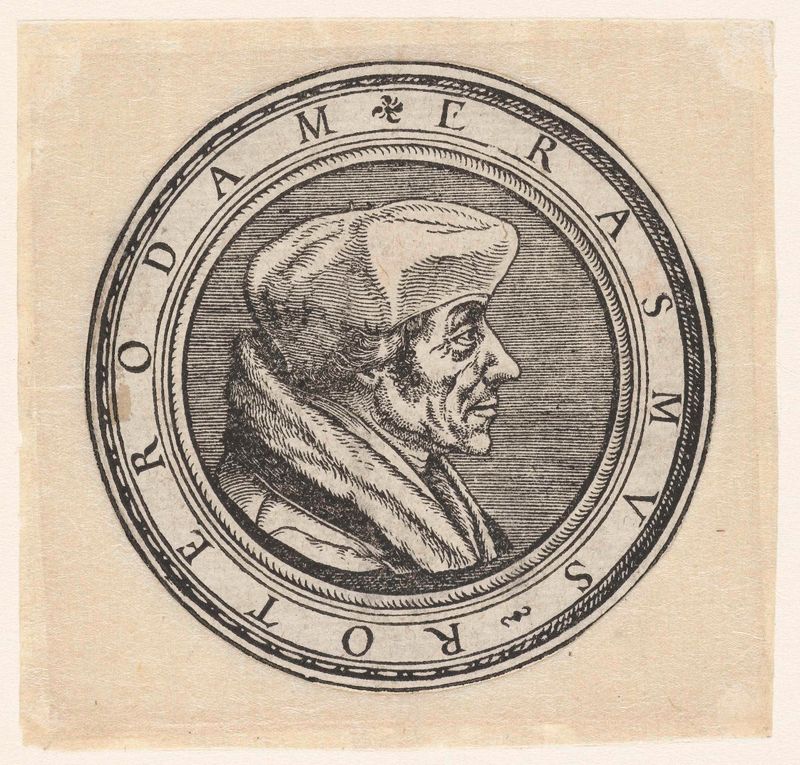
Portret van Erasmus
Hans Holbein (II)
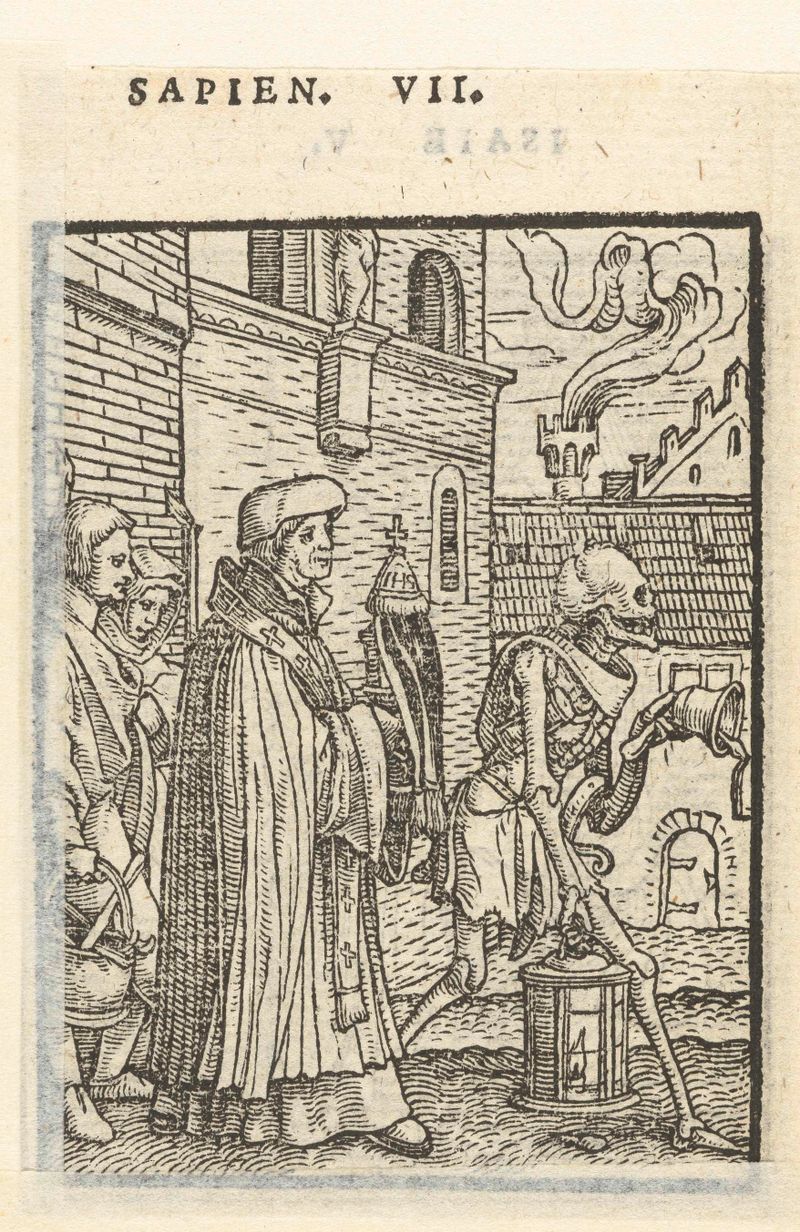
Priester en de Dood
Hans Holbein (II)
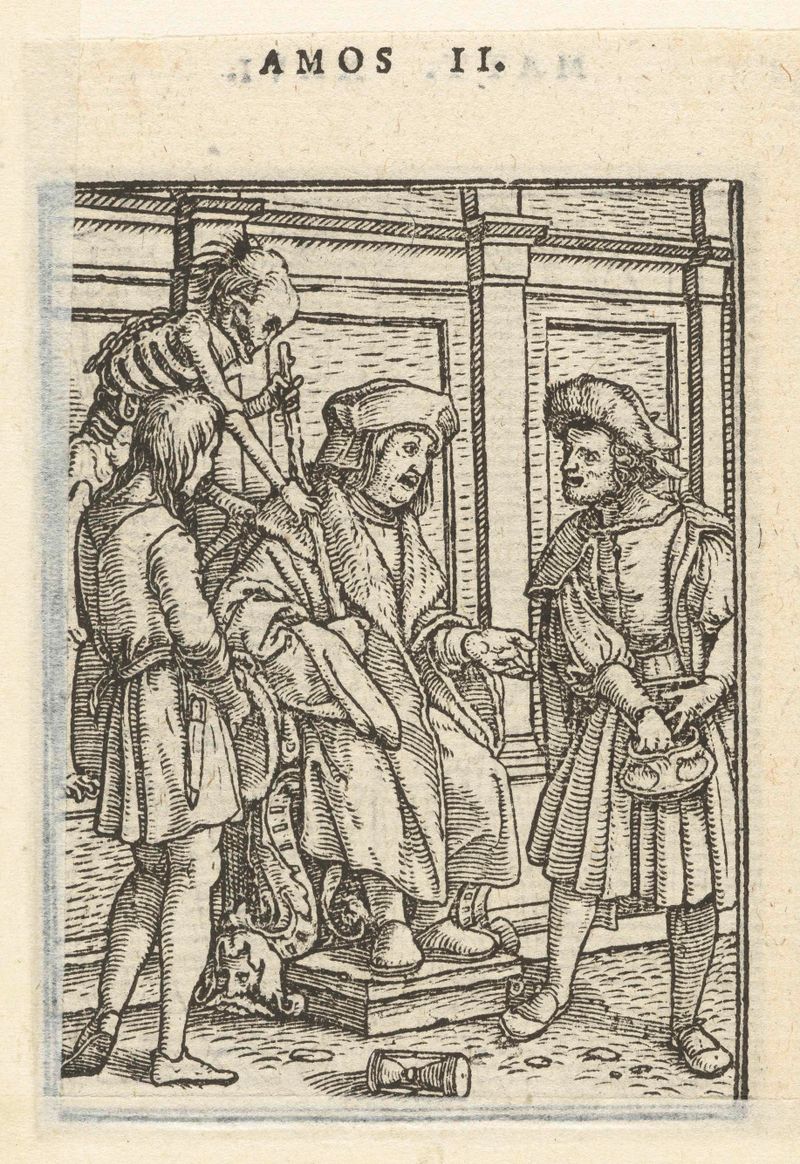
Rechter en de Dood
Hans Holbein (II)
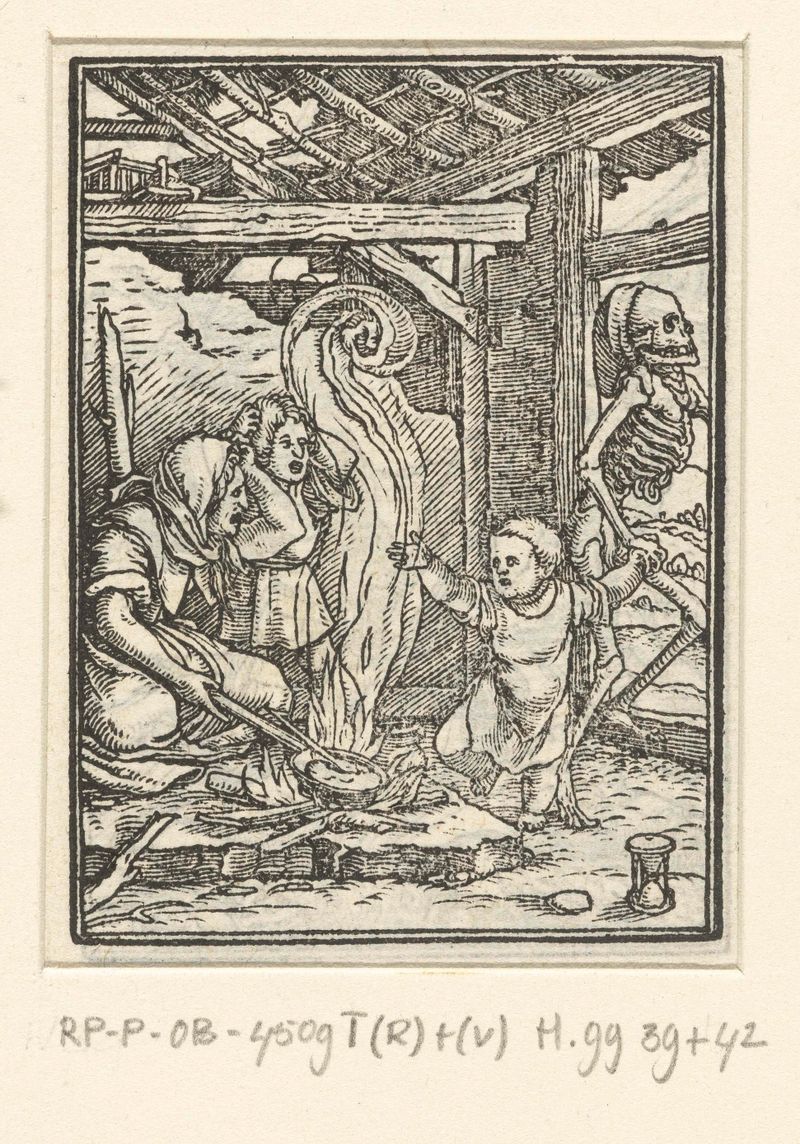
Kind en de Dood
Hans Holbein (II)
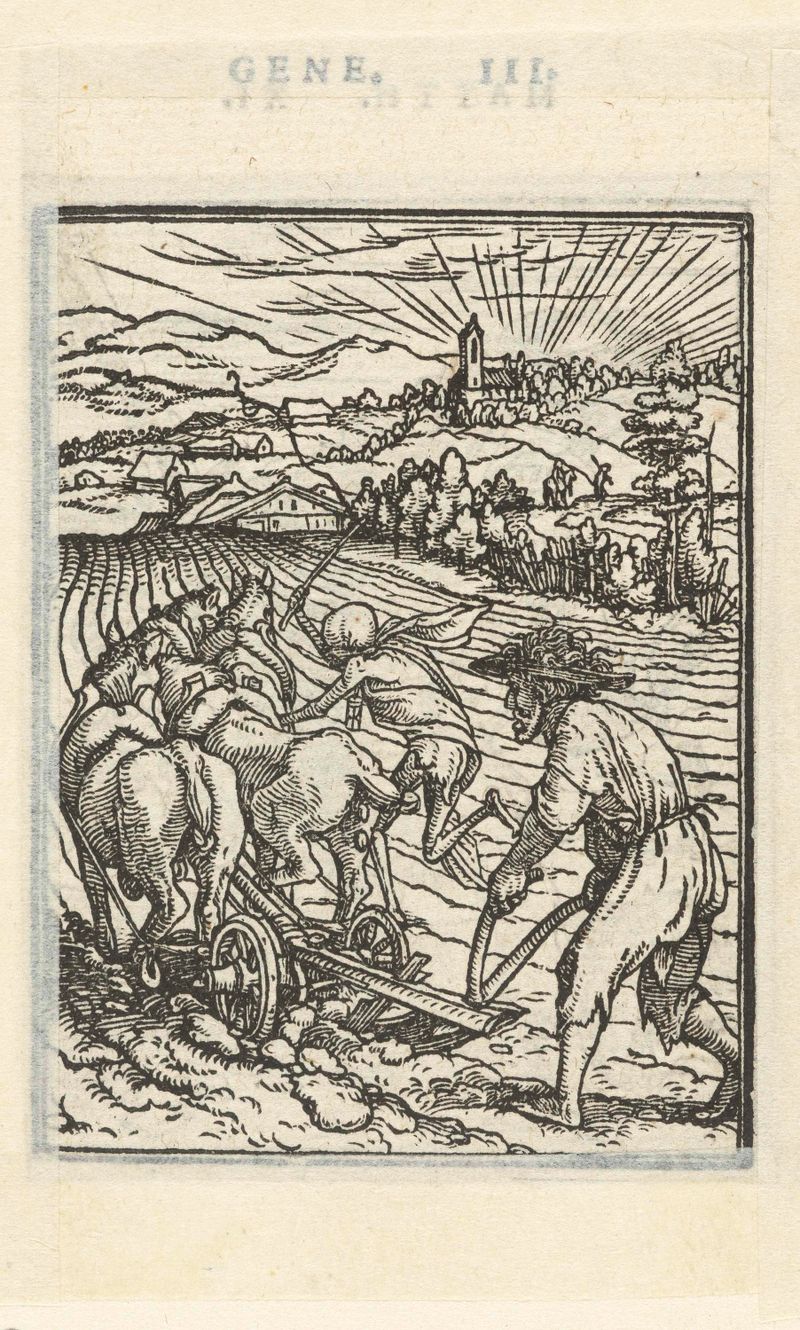
Boer en de Dood
Hans Holbein (II)
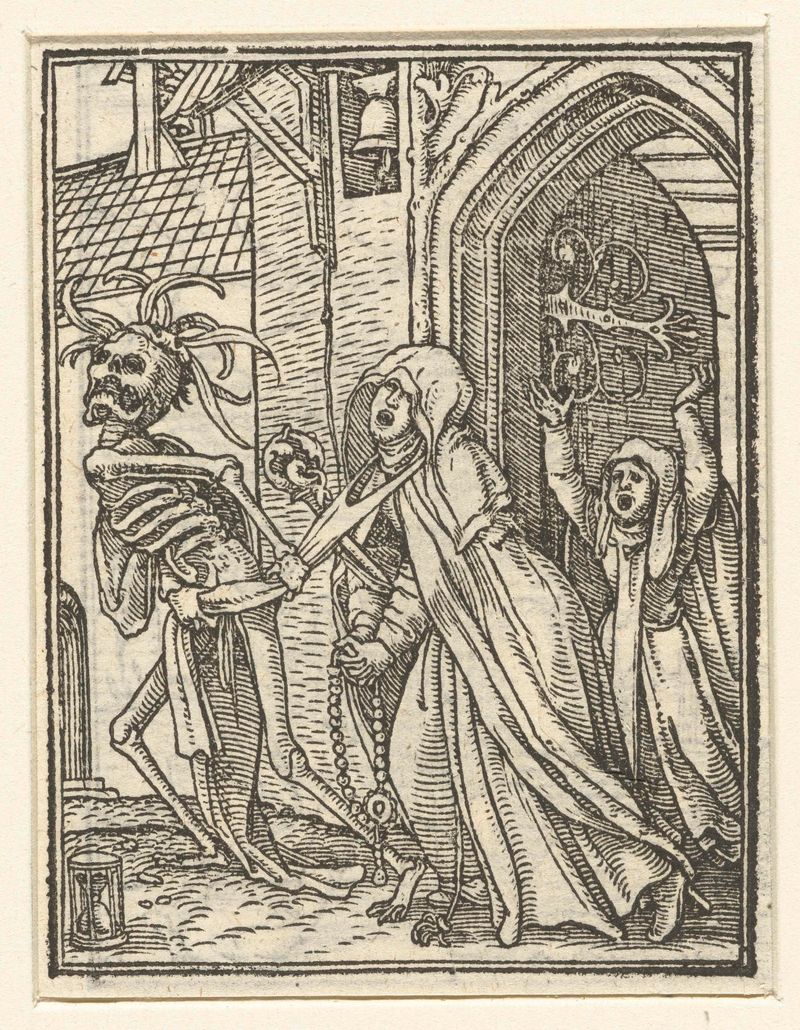
Abdis en de Dood
Hans Holbein (II)
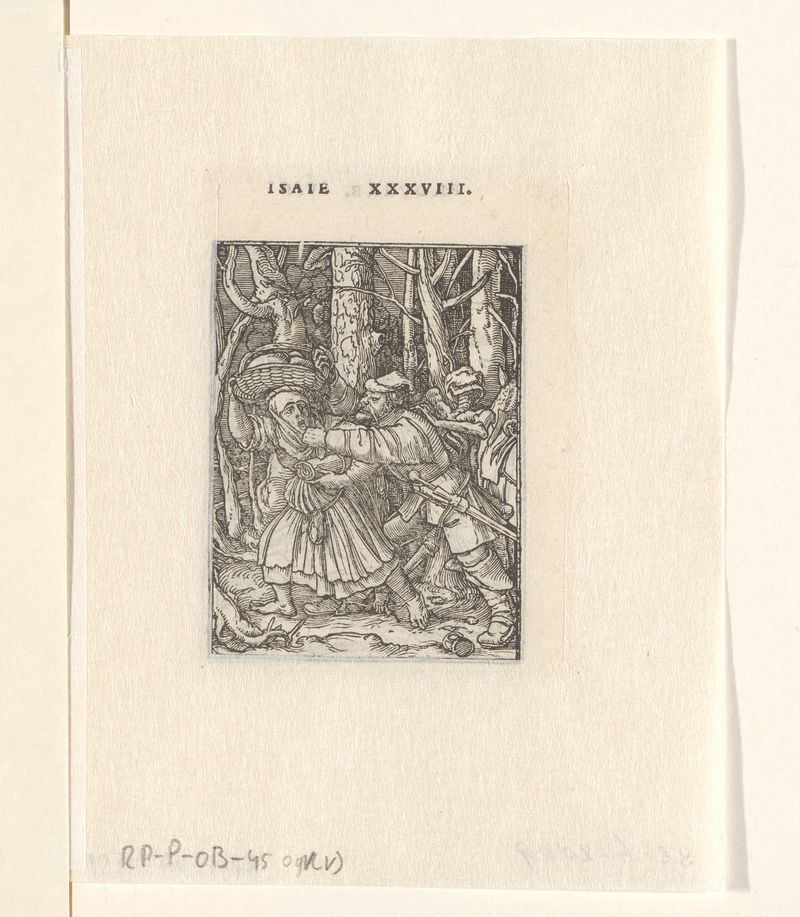
Dief en de Dood
Hans Holbein (II)
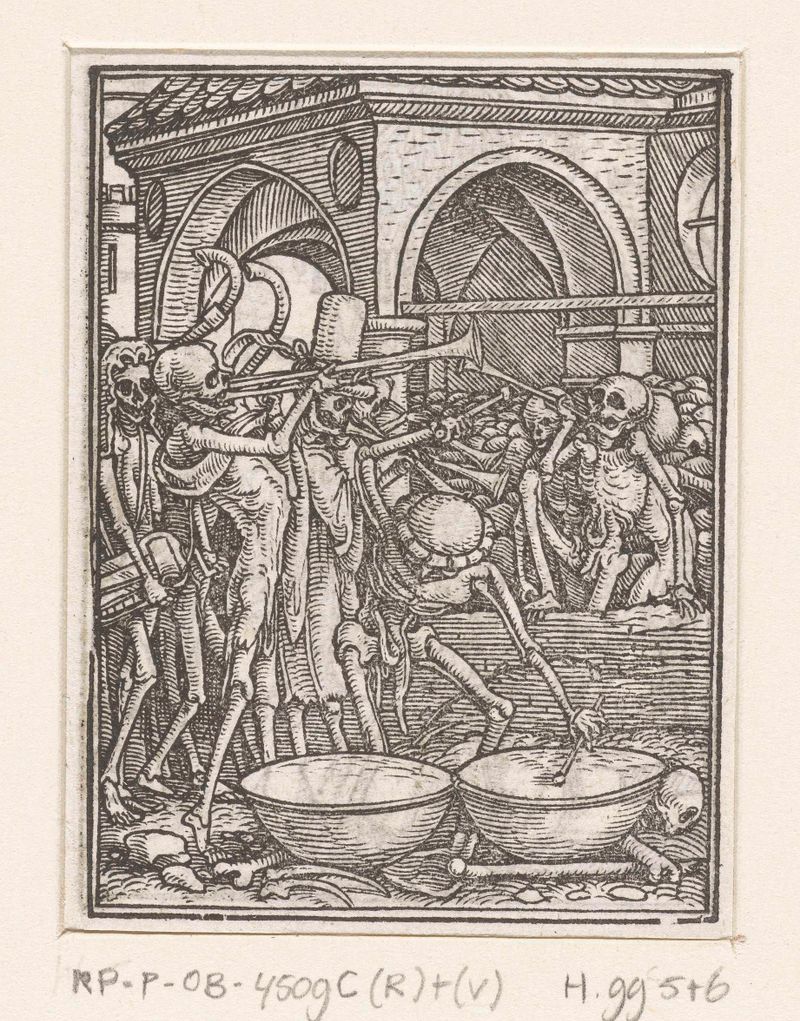
Skeletons Making Music from Dance of the Dead
Hans Holbein (II)
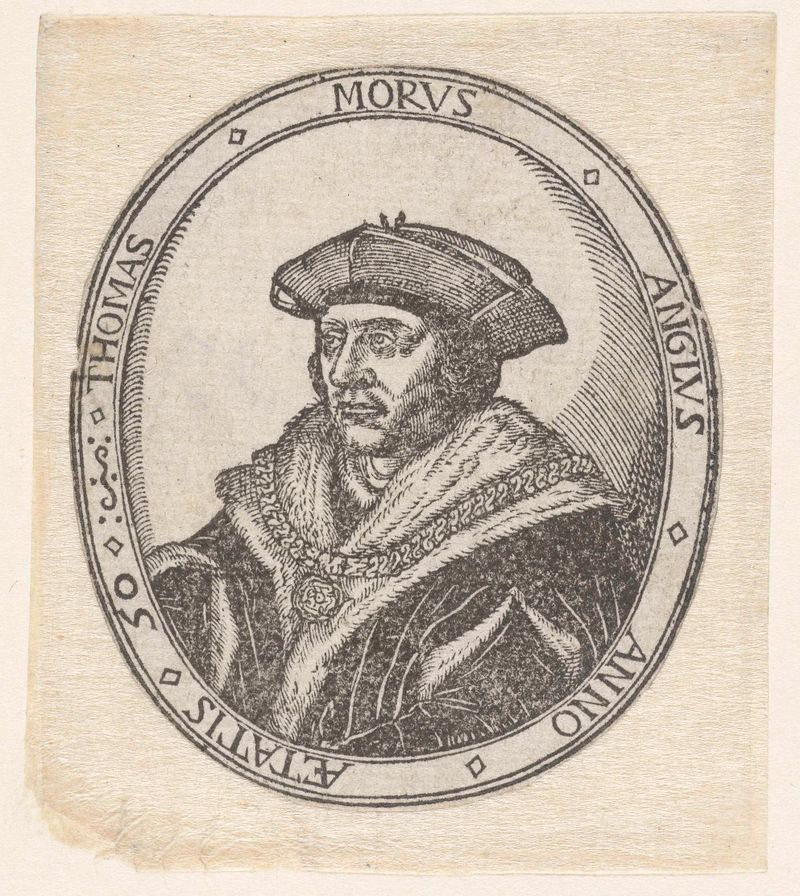
Portret van Thomas More
Hans Holbein (II)
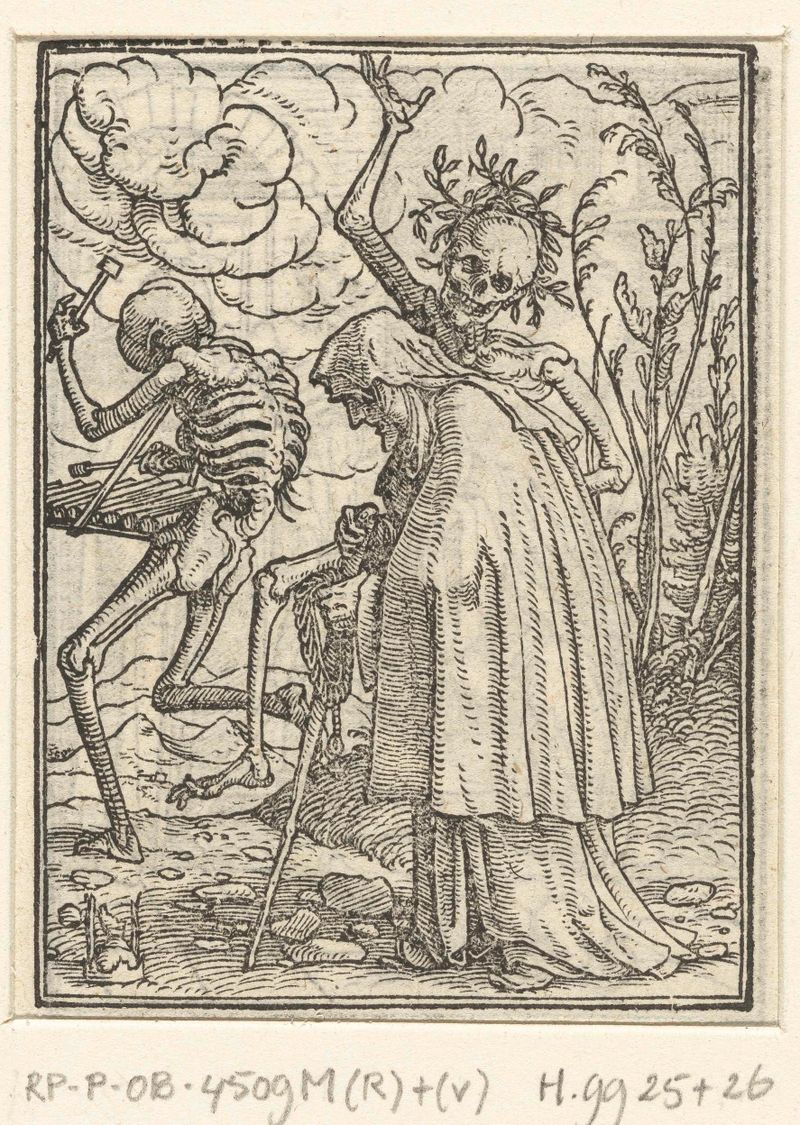
Oude vrouw en de Dood
Hans Holbein (II)
More Historical Art
Browse all →
The Night Watch Militia Company of District II under the Command of Captain Frans Banninck Cocq
Rembrandt van Rijn

Lincoln Memorial
Henry Bacon

The Third of May 1808
Francisco de Goya

Isaac and Rebecca, Known as ‘The Jewish Bride’
Rembrandt van Rijn

The Charge of the Mamelukes (1814)
Francisco de Goya

De vier ruiters van de apocalyps
Albrecht Dürer