
Au bord de l’eau — History & Facts
In Au bord de l’eau, the ephemeral beauty of a sunlit moment is preserved, inviting viewers into a serene encounter with divinity. It resonates with a profound stillness, urging us to linger in the embrace of nature and human connection. Look to the foreground, where figures bask in the warmth of a golden afternoon. Notice the delicate interplay of light and shadow dancing across the surface of the water, transforming the scene into a kaleidoscope of vibrant greens and soft blues.
The brushstrokes are fluid and rhythmic, guiding your gaze toward the joyous figures relaxed on the banks, their forms almost merging with the landscape around them. Amidst this picturesque serenity lies a deeper examination of leisure and connection. The figures seem to embody a moment of pause, a rare indulgence in the simple yet divine aspects of life. The juxtaposition of joyful companionship against the tranquil water symbolizes a fleeting escape from modernity’s demands, urging us to cherish moments of unity and delight.
The dappled light hints at the transient nature of such joys, echoing Renoir's desire to capture life's evanescent beauty. In 1890, Renoir created this work while living in the artistic enclave of France, where Impressionism was flourishing. He sought to explore themes of intimacy and pleasure, reflecting a personal desire for contentment after overcoming health challenges. This period marked a pivotal point in his career, as he turned towards more luminous colors and softer forms, embracing the divine beauty he found in everyday life.
More Artworks by Pierre-Auguste Renoir
Browse all →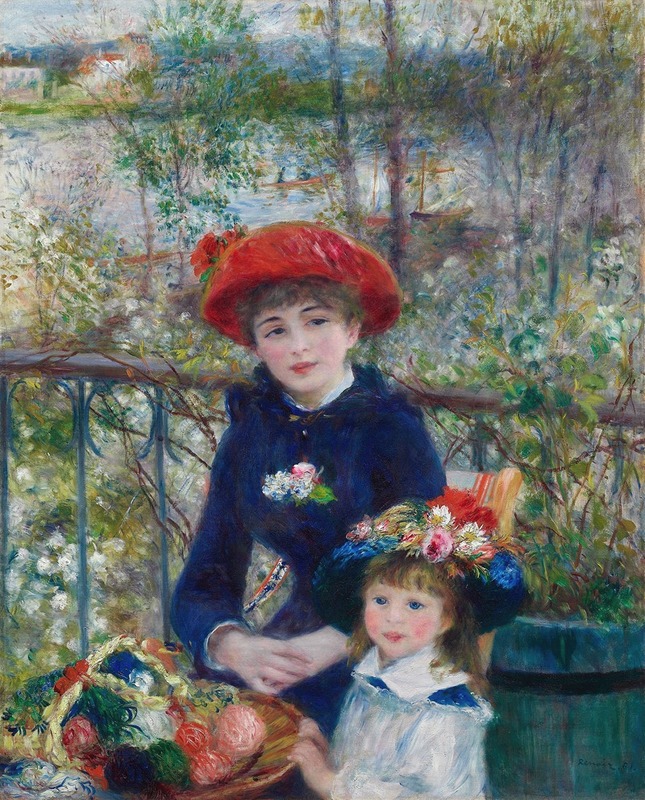
Two Sisters (On the Terrace)
Pierre-Auguste Renoir
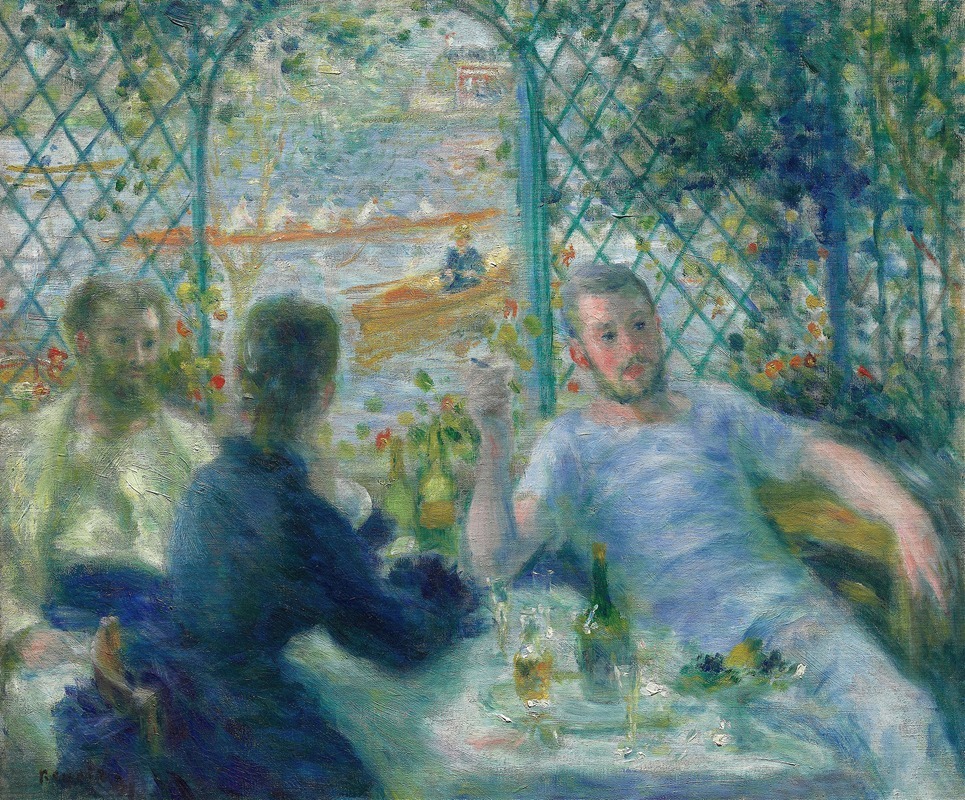
Lunch at the Restaurant Fournaise (The Rowers' Lunch)
Pierre-Auguste Renoir
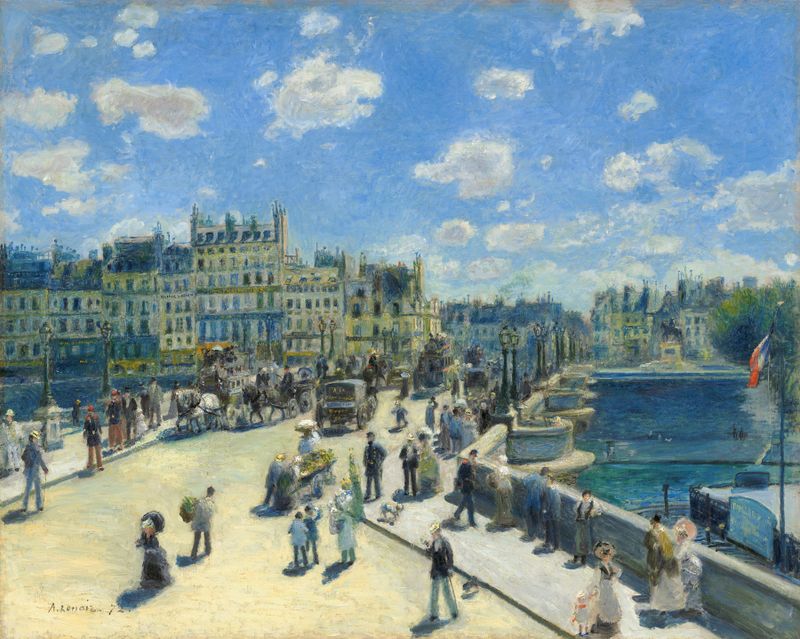
Pont Neuf, Paris
Pierre-Auguste Renoir
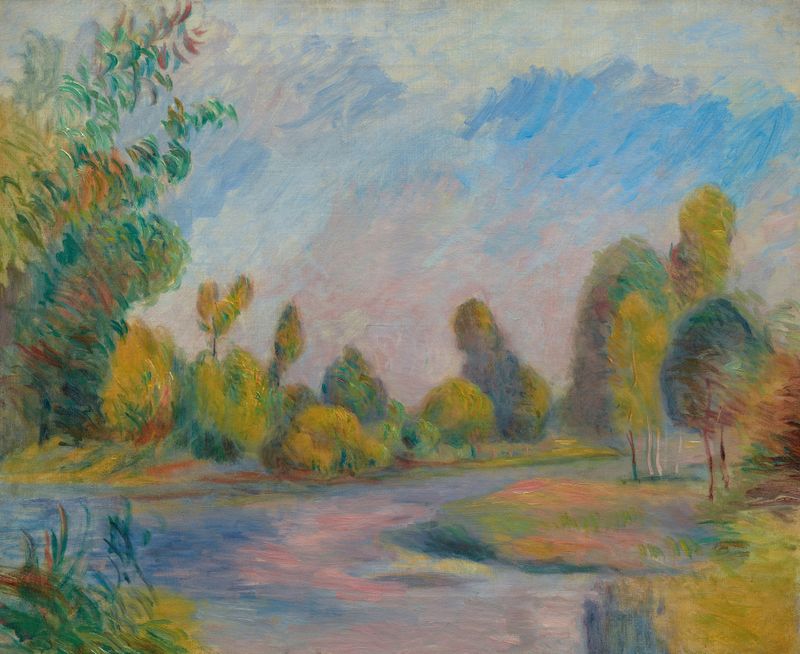
Au bord de la rivière
Pierre-Auguste Renoir

Near the Lake
Pierre-Auguste Renoir
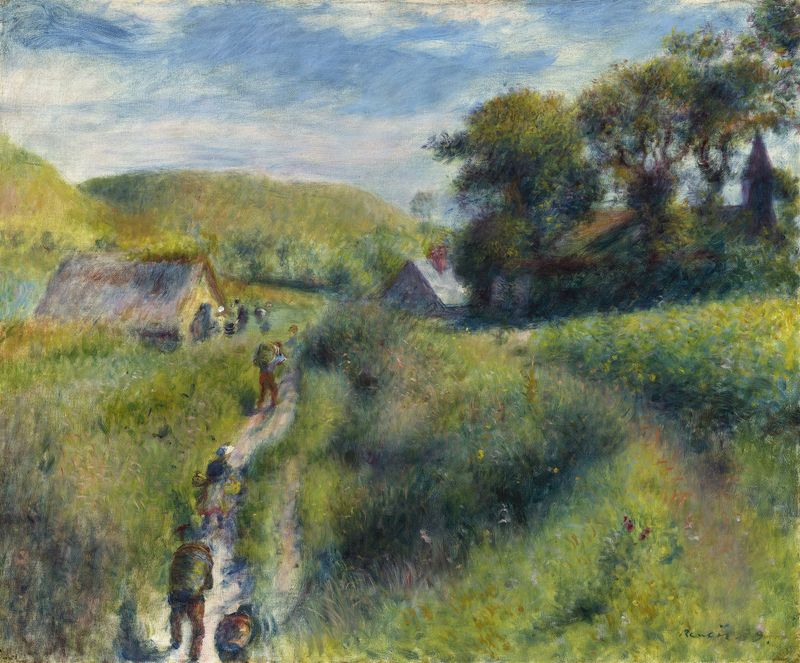
The Mussel Harvest
Pierre-Auguste Renoir

The Seine at Chatou
Pierre-Auguste Renoir
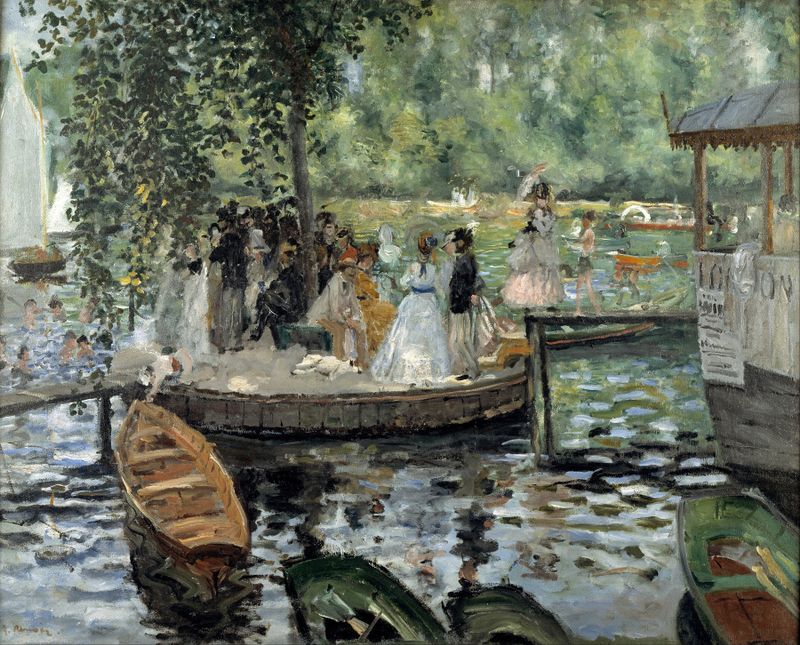
La Grenouillère
Pierre-Auguste Renoir
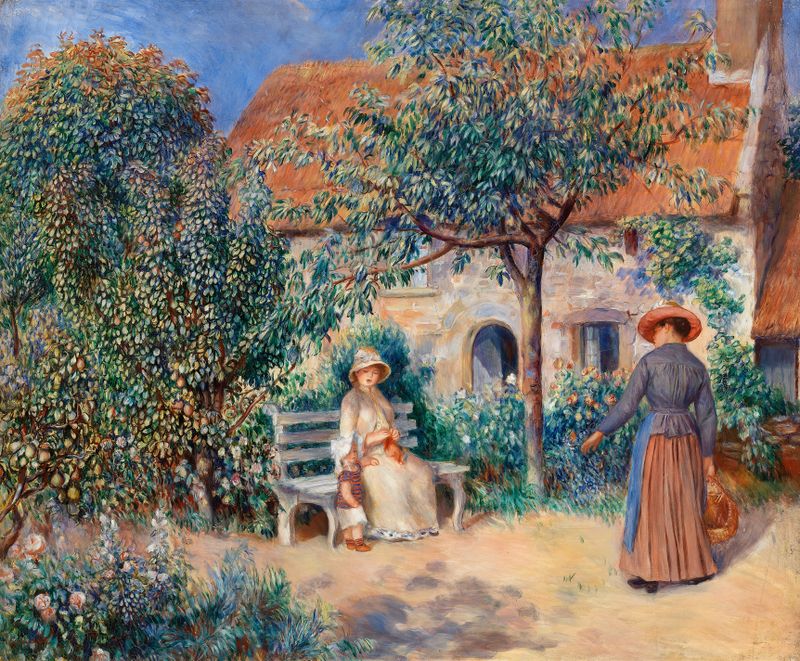
In Brittany (En Bretagne)
Pierre-Auguste Renoir
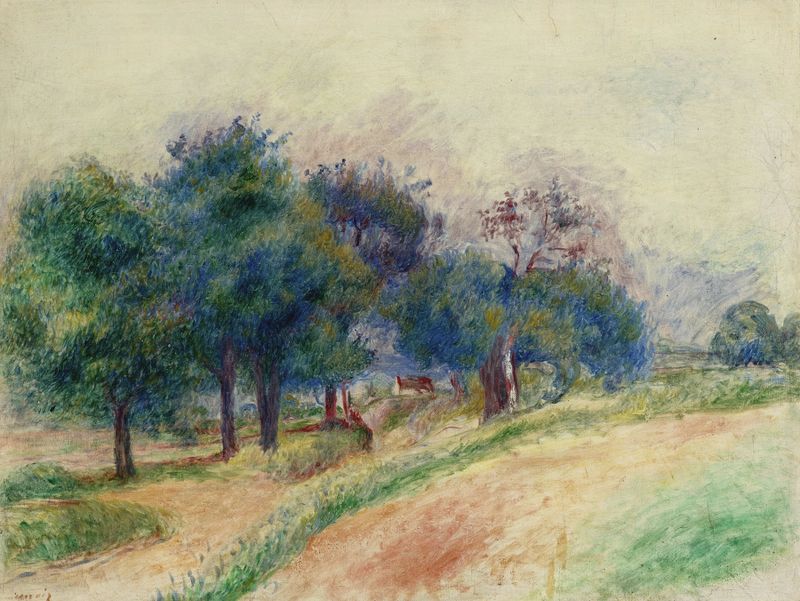
Paysage d’Essoyes
Pierre-Auguste Renoir





