
Au bord de l’eau — History & Facts
In Au bord de l’eau, light dances upon the surface of the water, capturing fleeting moments of serenity amid the chaos of life. The painting serves as a gentle reminder of the transitory beauty that surrounds us, evoking a sense of nostalgia that resonates deeply. Look to the left, where the lush greenery flourishes, dappled by sunlight filtering through the leaves. The vibrant strokes of greens and yellows create a vivacious contrast against the tranquil blue of the water.
Focus on the delicate interplay of light and shadow, as Pissarro masterfully employs broken brushwork to evoke movement and depth, drawing the viewer's eye toward the horizon where the sky meets the calm water. Delve deeper into the scene to uncover the emotional undercurrents at play. The figures, seemingly lost in their own world, hint at the quiet joys and introspections found in nature. Their relaxed postures evoke a sense of contemplation, while the distant trees, standing tall and resolute, remind us of life's permanence amidst fleeting moments.
The stillness of the water reflects their solitude, coaxing the viewer to ponder the balance between connection and isolation. Painted in 1863, this work emerges during a pivotal period for the artist, as he explored the principles of Impressionism in a world teetering on the brink of modernity. At this time, Pissarro was immersed in the artistic community of Paris, where radical ideas about light and color began to challenge traditional representations. This painting encapsulates his evolving vision, capturing a moment of harmony that speaks to the essence of life itself.
More Artworks by Camille Pissarro
Browse all →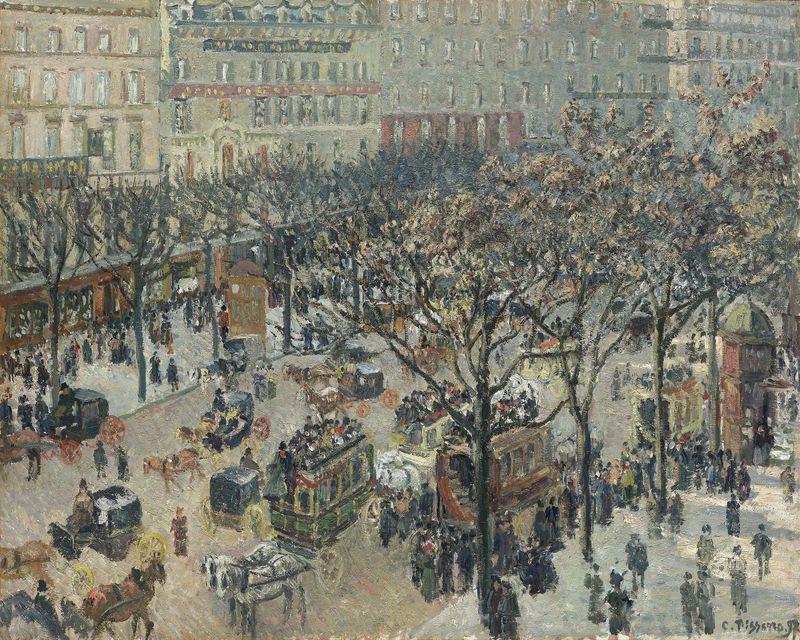
Boulevard des Italiens,Morning_Sunlight
Camille Pissarro
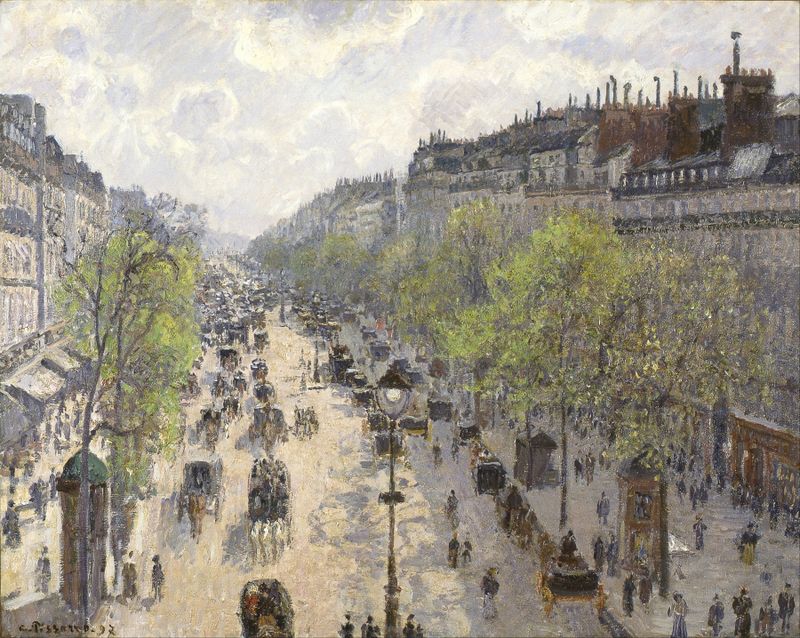
Boulevard Montmartre, Spring
Camille Pissarro
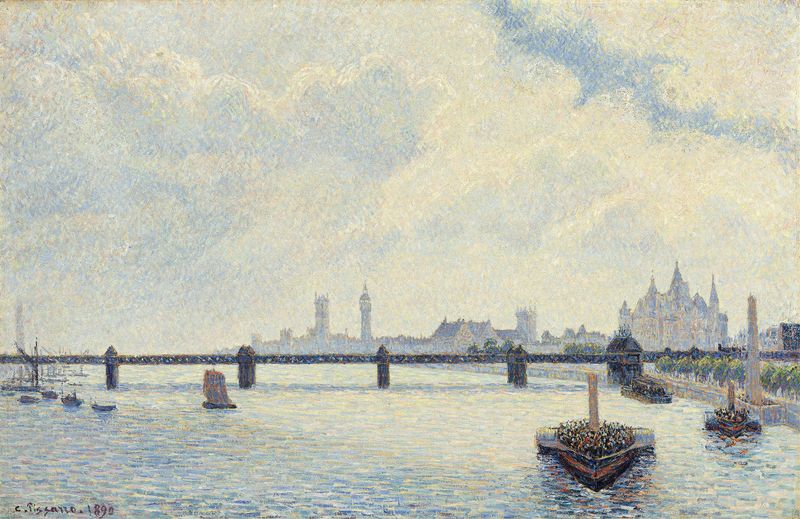
Charing Cross Bridge,London
Camille Pissarro
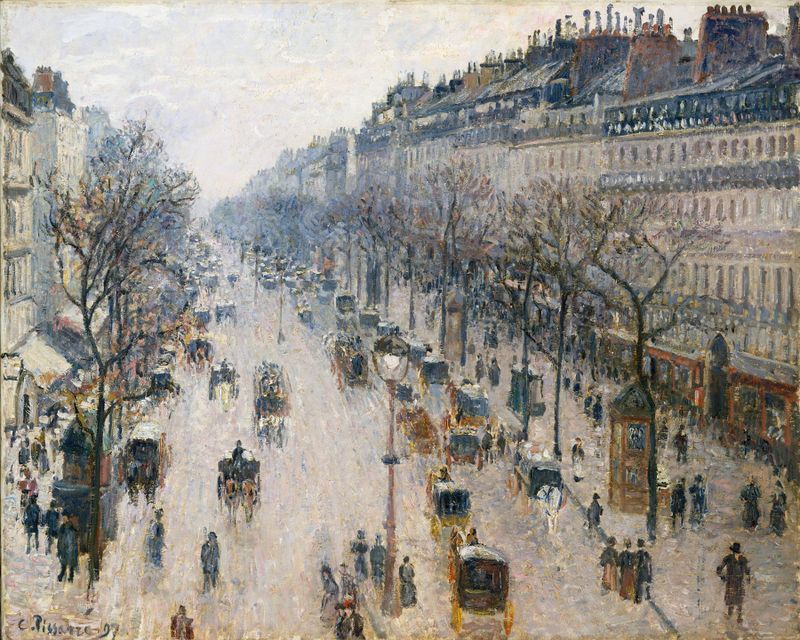
The Boulevard Montmartre on a Winter Morning
Camille Pissarro
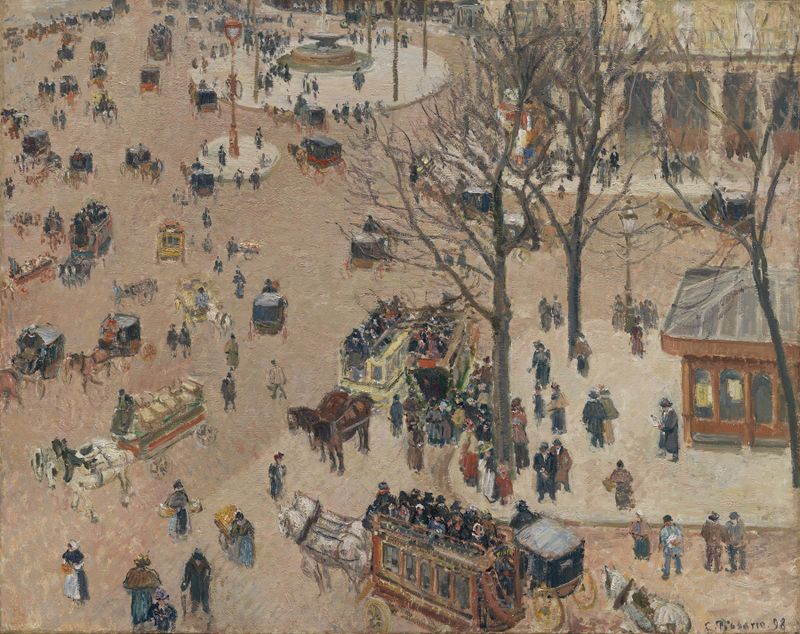
La Place du Théâtre Français
Camille Pissarro

Rue Saint-Lazare, Paris
Camille Pissarro
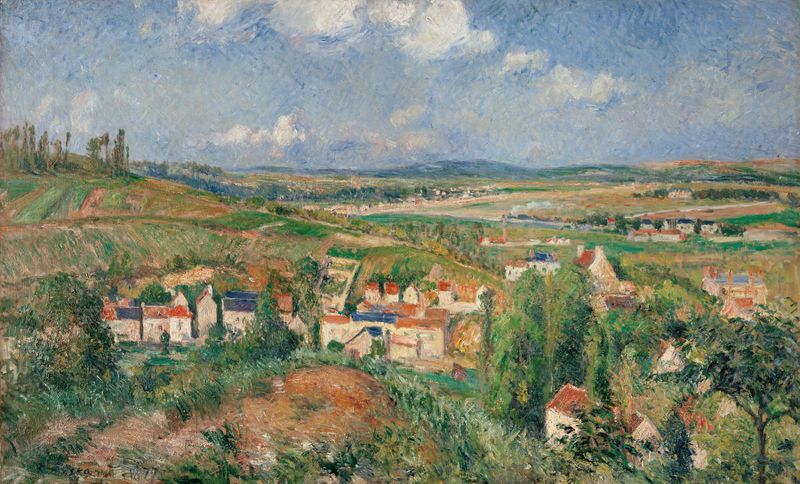
L’hermitage En Été, Pontoise
Camille Pissarro

Place du Theatre Francais,Fog Effect
Camille Pissarro
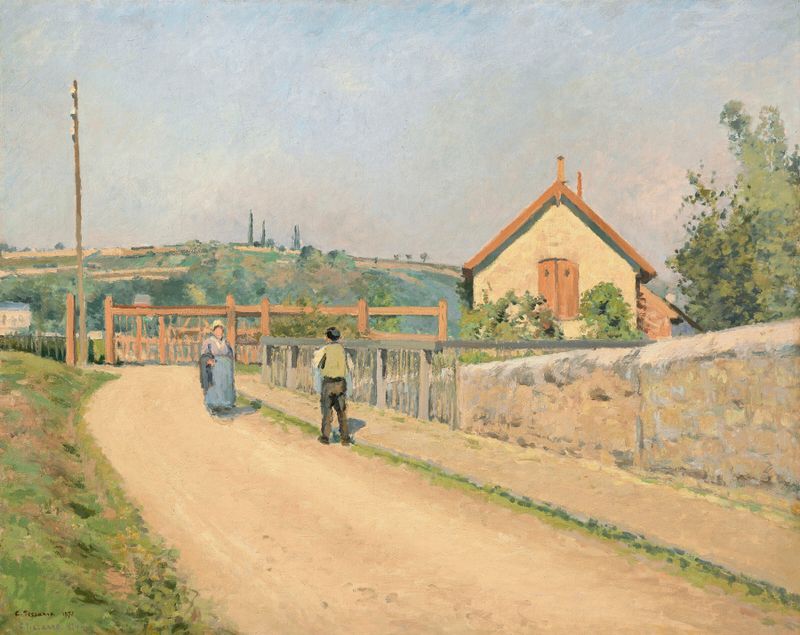
La barrière du chemin de fer, aux Pâtis près Pontoise
Camille Pissarro
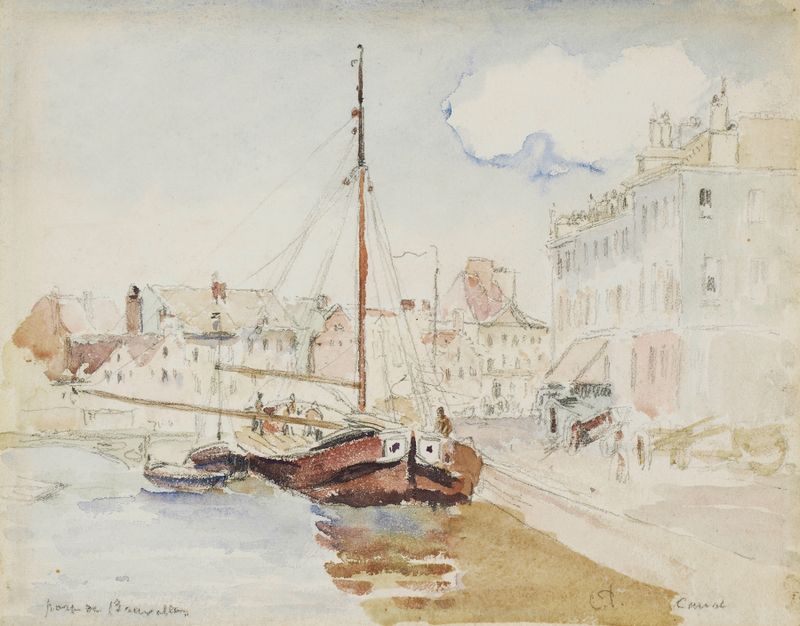
Port de Bruxelles
Camille Pissarro





