
Augustus Listening to the Reading of the Aeneid — History & Facts
When Jean Auguste Dominique Ingres exhibited Augustus Listening to the Reading of the Aeneid at the 1812 Salon, he chose a subject that had never before been painted on such a scale: the legendary moment when Rome’s first emperor heard his own destiny immortalized in verse. The painting’s debut was met with fascination, as Ingres, then just 32, was already known for his devotion to classical antiquity and for stirring controversy with his bold interpretations of history. Here, he presents not a battle or a coronation, but an intimate literary scene—an emperor moved by poetry, a rare theme for the grand canvases of the Napoleonic era. The scene unfolds in the imperial palace: Augustus, enthroned and draped in Roman red, listens as Virgil recites from his newly completed Aeneid, the epic that would define Rome’s mythic origins.
At the poet’s words, Octavia, Augustus’s sister, swoons—legend holds she fainted upon hearing lines mourning her dead son Marcellus. Ingres captures this drama: Octavia’s limp form is supported by attendants, while Augustus’s gesture freezes between command and concern. The laurel wreaths, marble columns, and antique busts evoke the grandeur of Rome, but the focus is on the human reaction to art.
Where earlier artists like Giovanni Battista Tiepolo painted Virgil’s readings as decorative pageants, Ingres insists on psychological truth, turning a literary anecdote into a meditation on power, loss, and the force of poetry. The exact commission for this painting remains unclear, but it was created during Ingres’s formative years in Rome, when he was a pensionnaire at the French Academy. Its academic rigor and archaeological detail reflect his studies in Italy, and the work stands as a manifesto for his lifelong devotion to history painting. Augustus Listening to the Reading of the Aeneid has passed through various collections and is now held in the Musée des Beaux-Arts de Lyon.
It marks a turning point in Ingres’s career, foreshadowing the cool precision and emotional restraint that would define his later masterpieces.
More Artworks by Jean Auguste Dominique Ingres
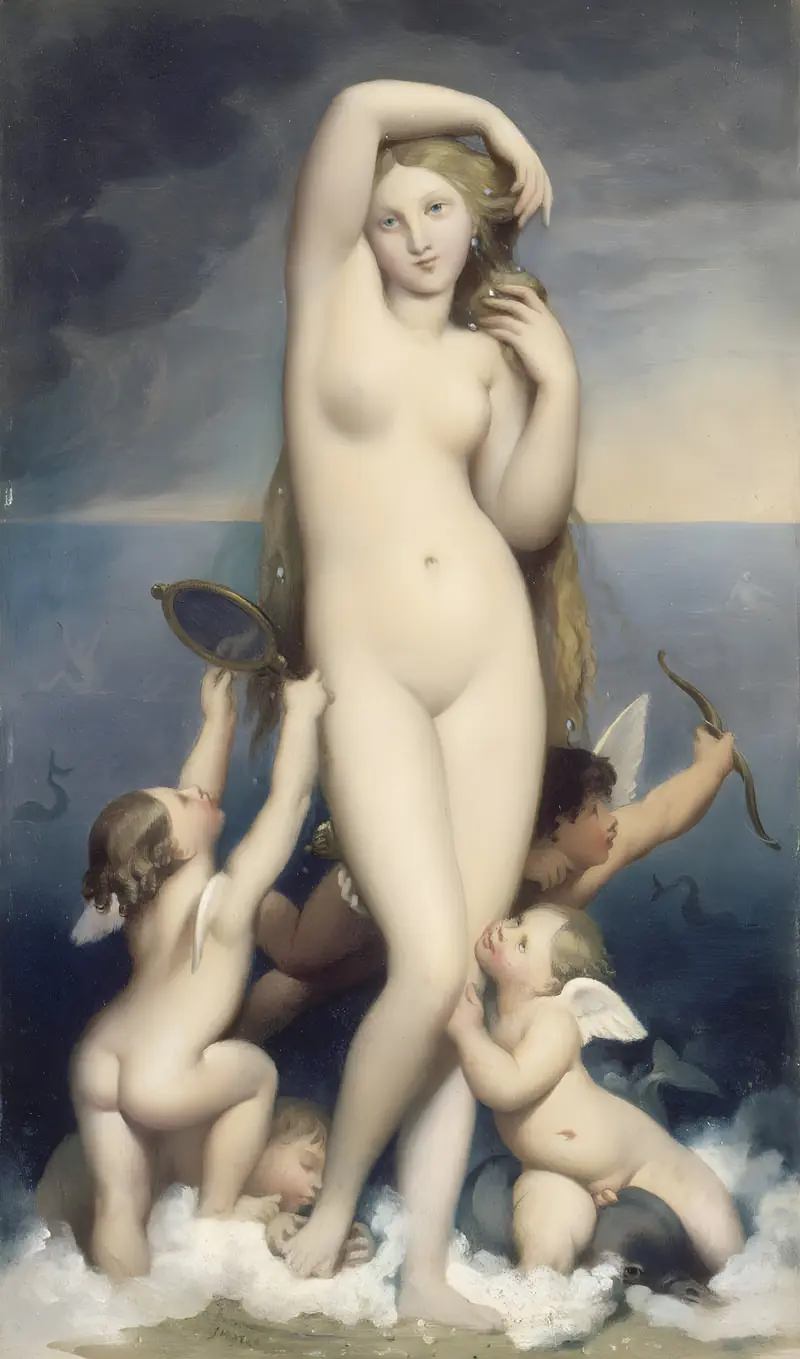
Vénus anadyomène
Jean Auguste Dominique Ingres
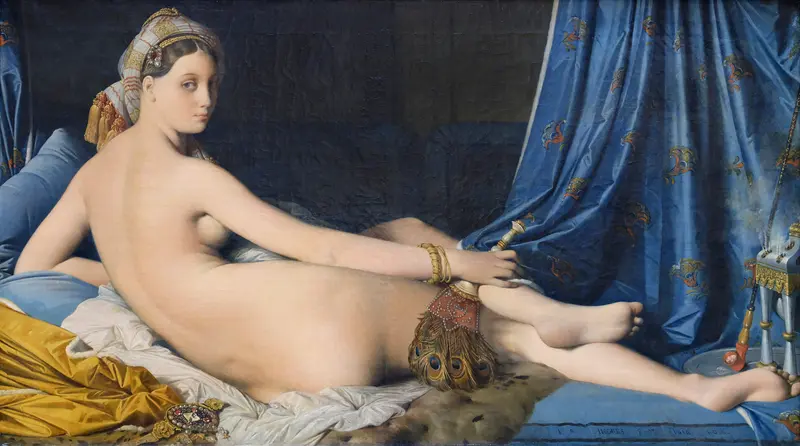
Grande Odalisque
Jean Auguste Dominique Ingres
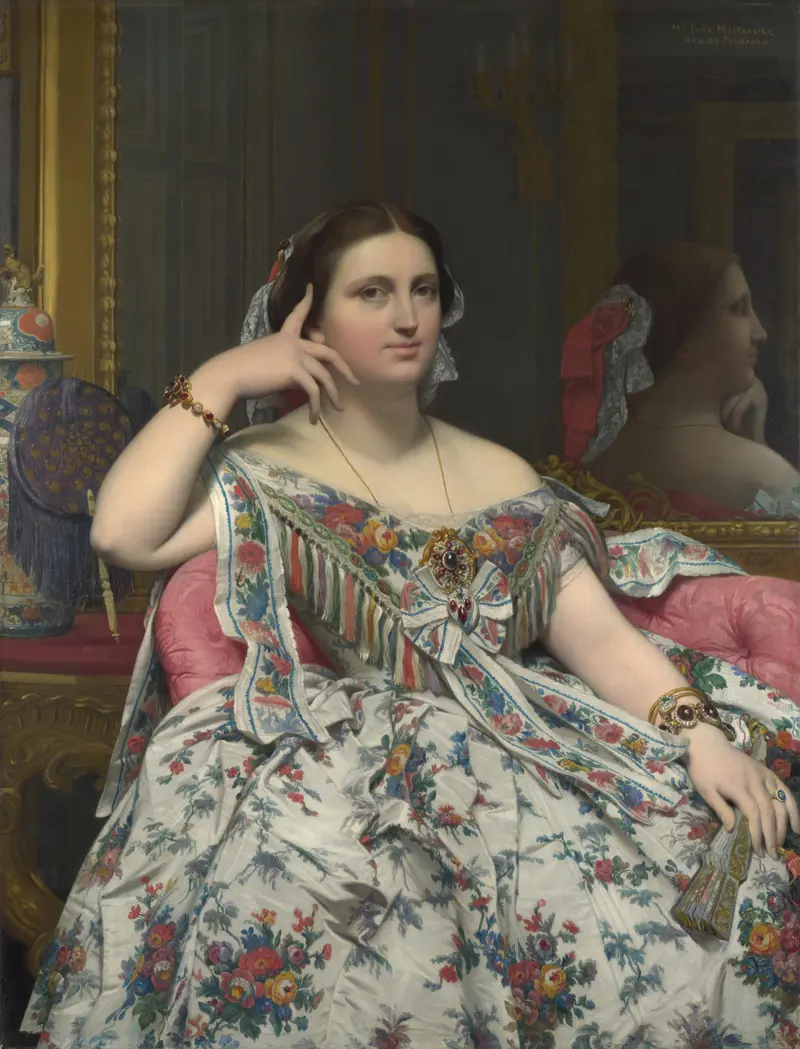
Madame Moitessier (seated)
Jean Auguste Dominique Ingres
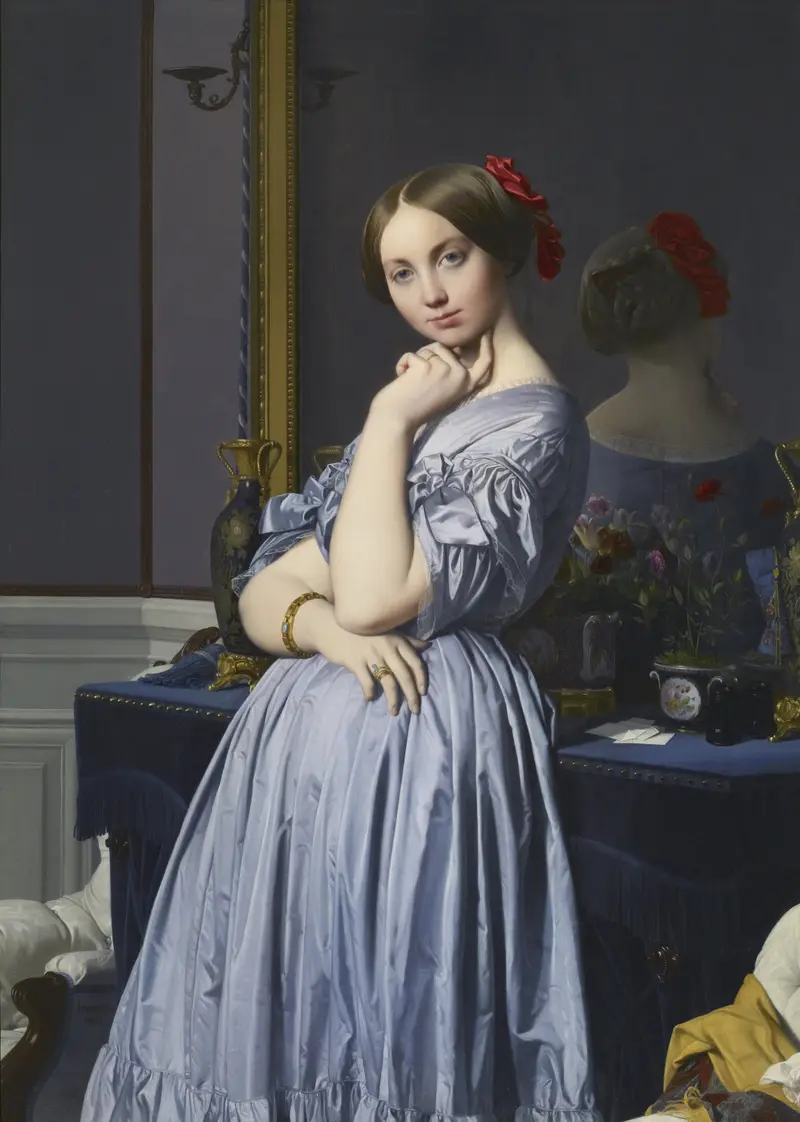
Portrait of Comtesse d’Haussonville
Jean Auguste Dominique Ingres
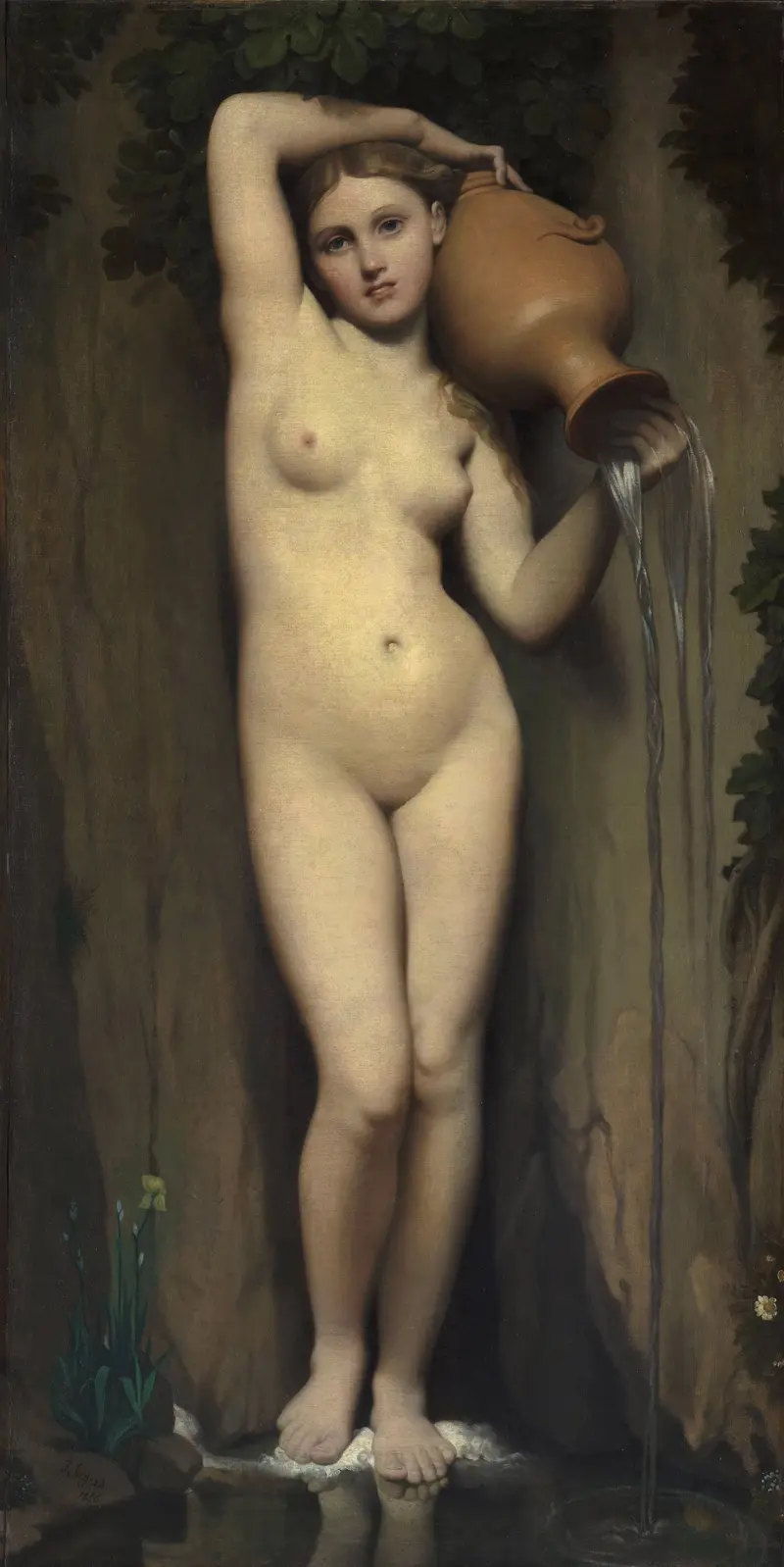
The Source
Jean Auguste Dominique Ingres
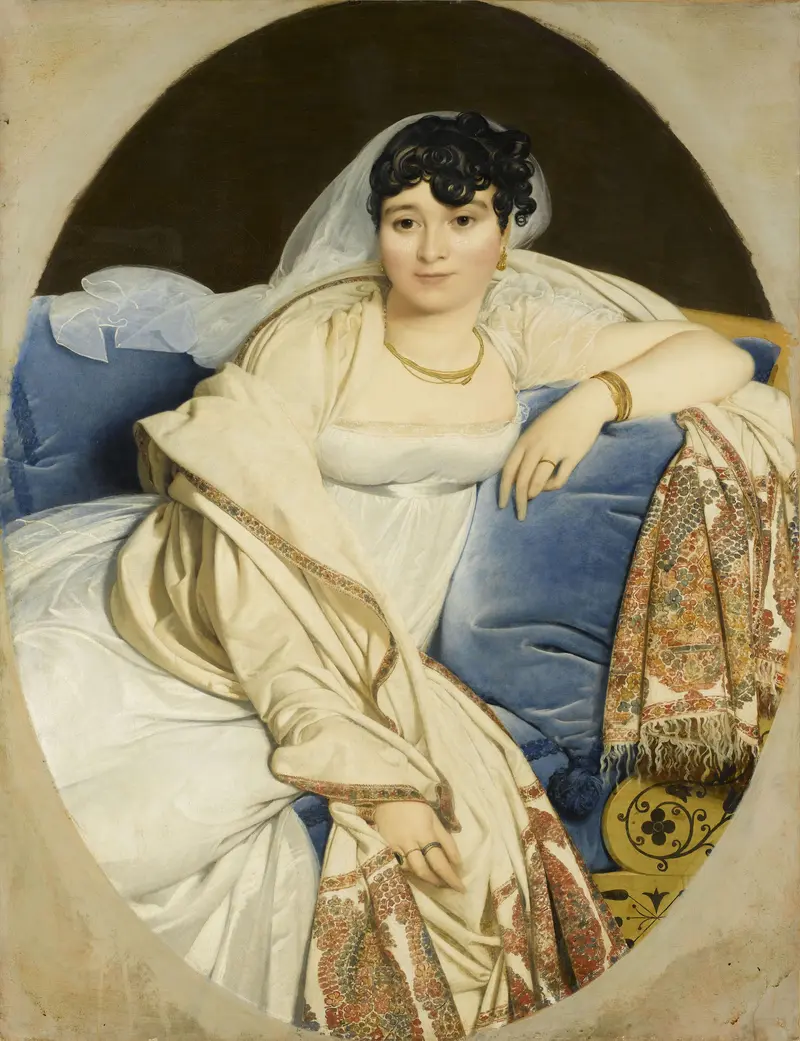
Madame Rivière
Jean Auguste Dominique Ingres

Madame Jean-Auguste-Dominique Ingres, née Madeleine Chapelle
Jean Auguste Dominique Ingres

Portrait of a Lady
Jean Auguste Dominique Ingres
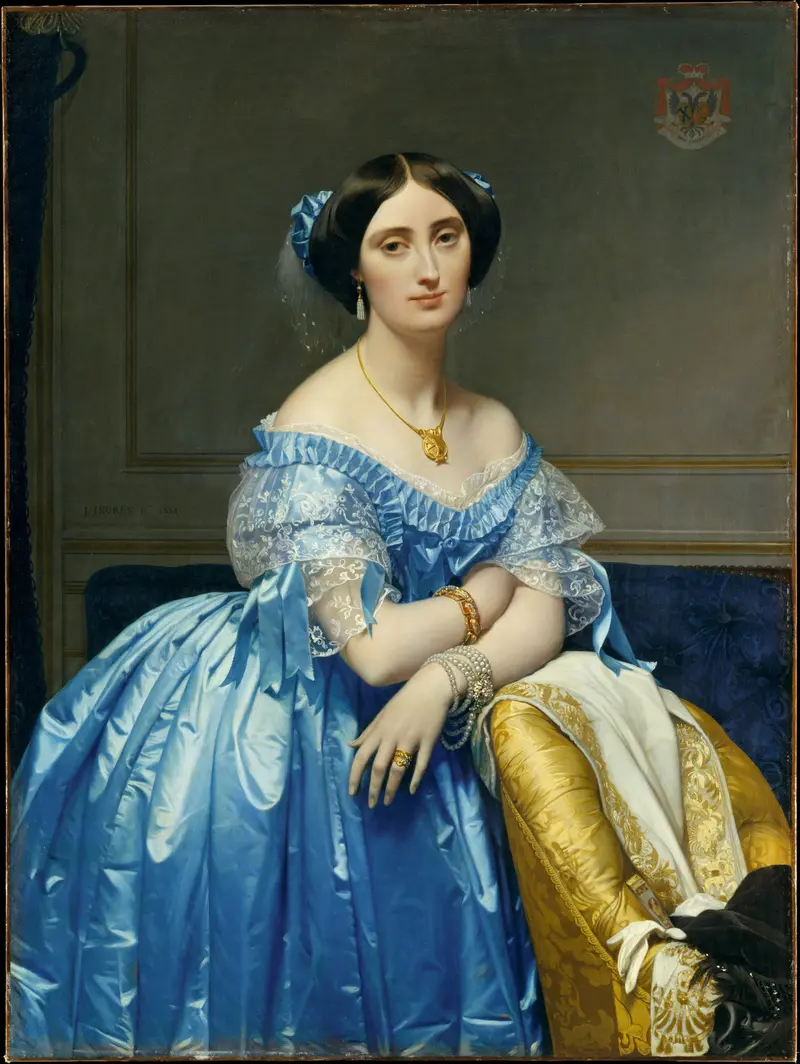
Joséphine-Éléonore-Marie-Pauline de Galard de Brassac de Béarn (1825–1860), Princesse de Broglie
Jean Auguste Dominique Ingres
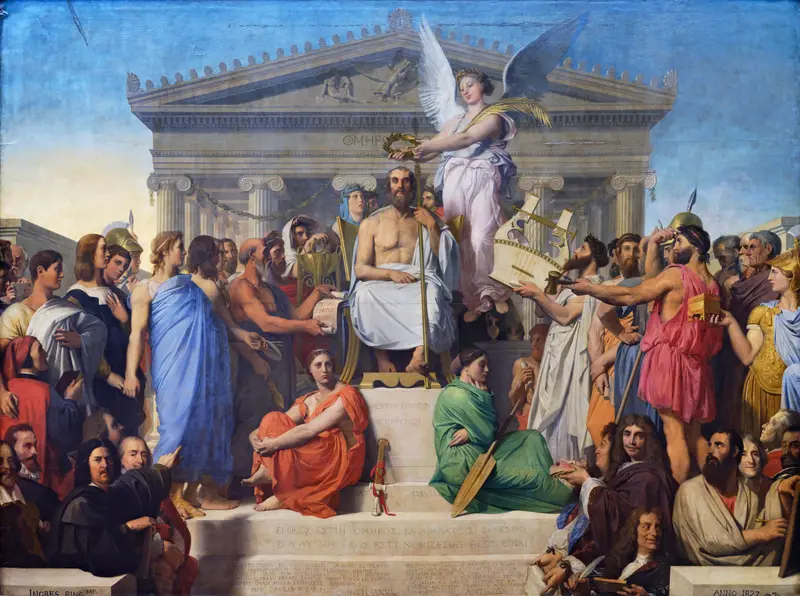
The Apotheosis of Homer
Jean Auguste Dominique Ingres





