Automne — History & Analysis
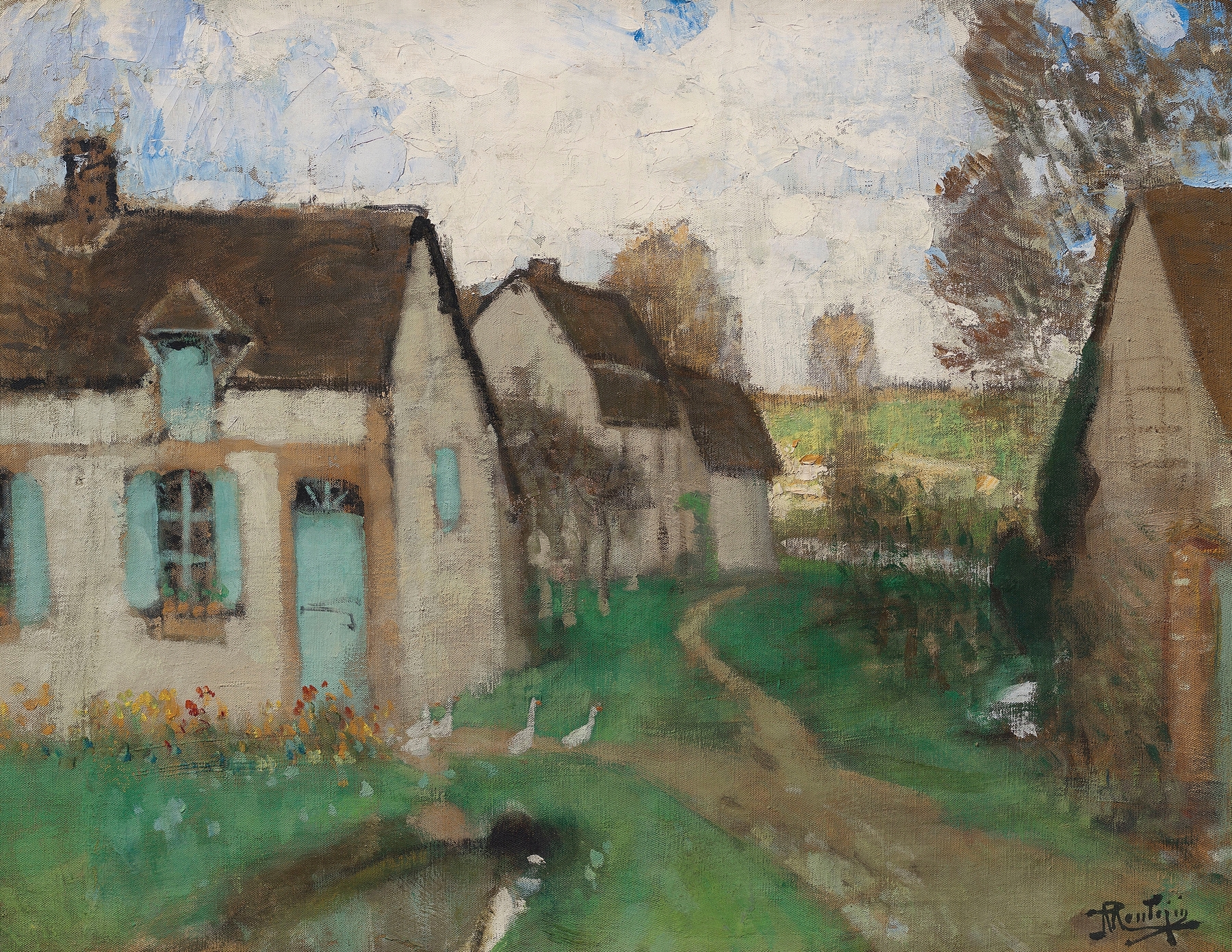
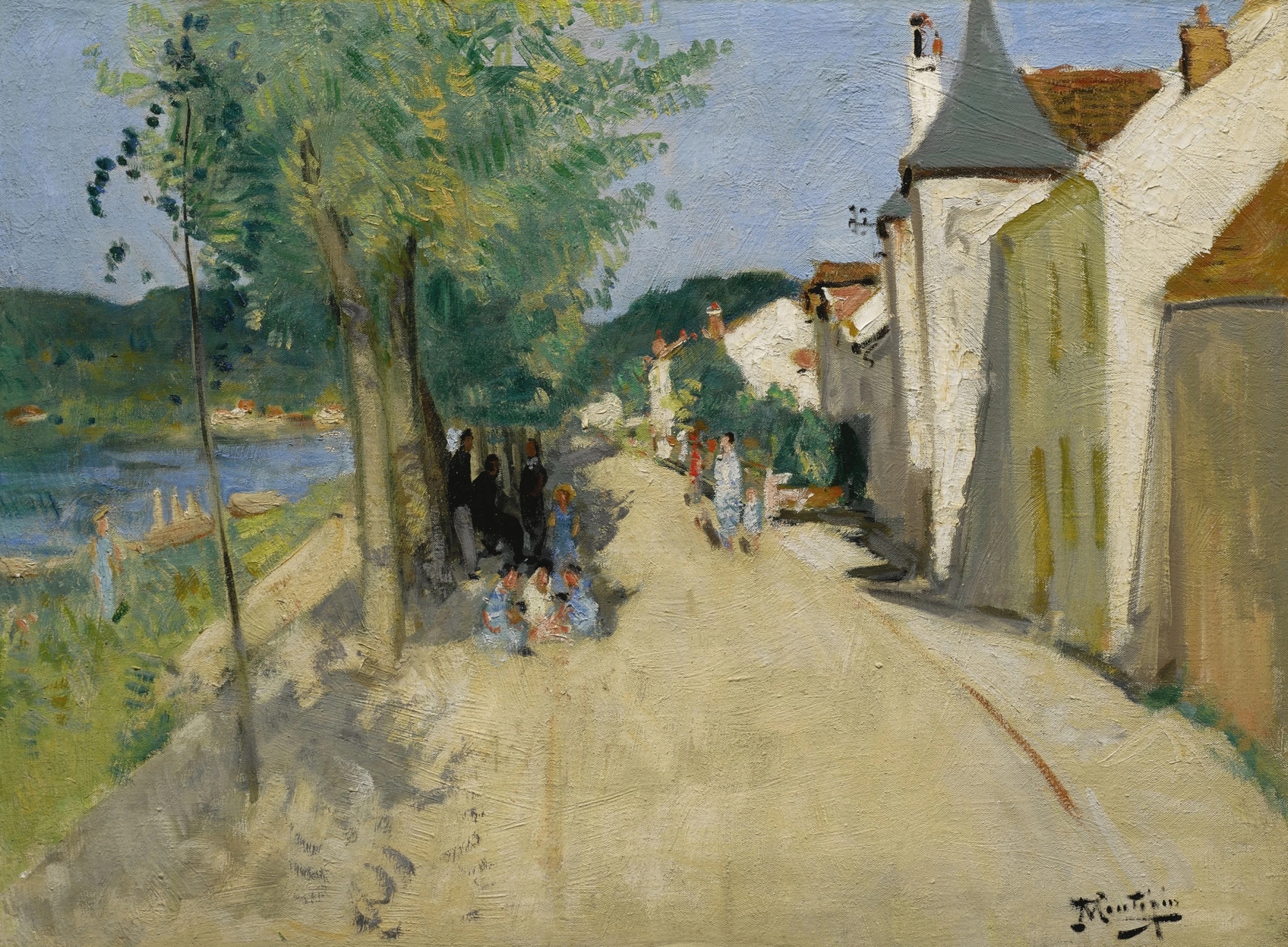
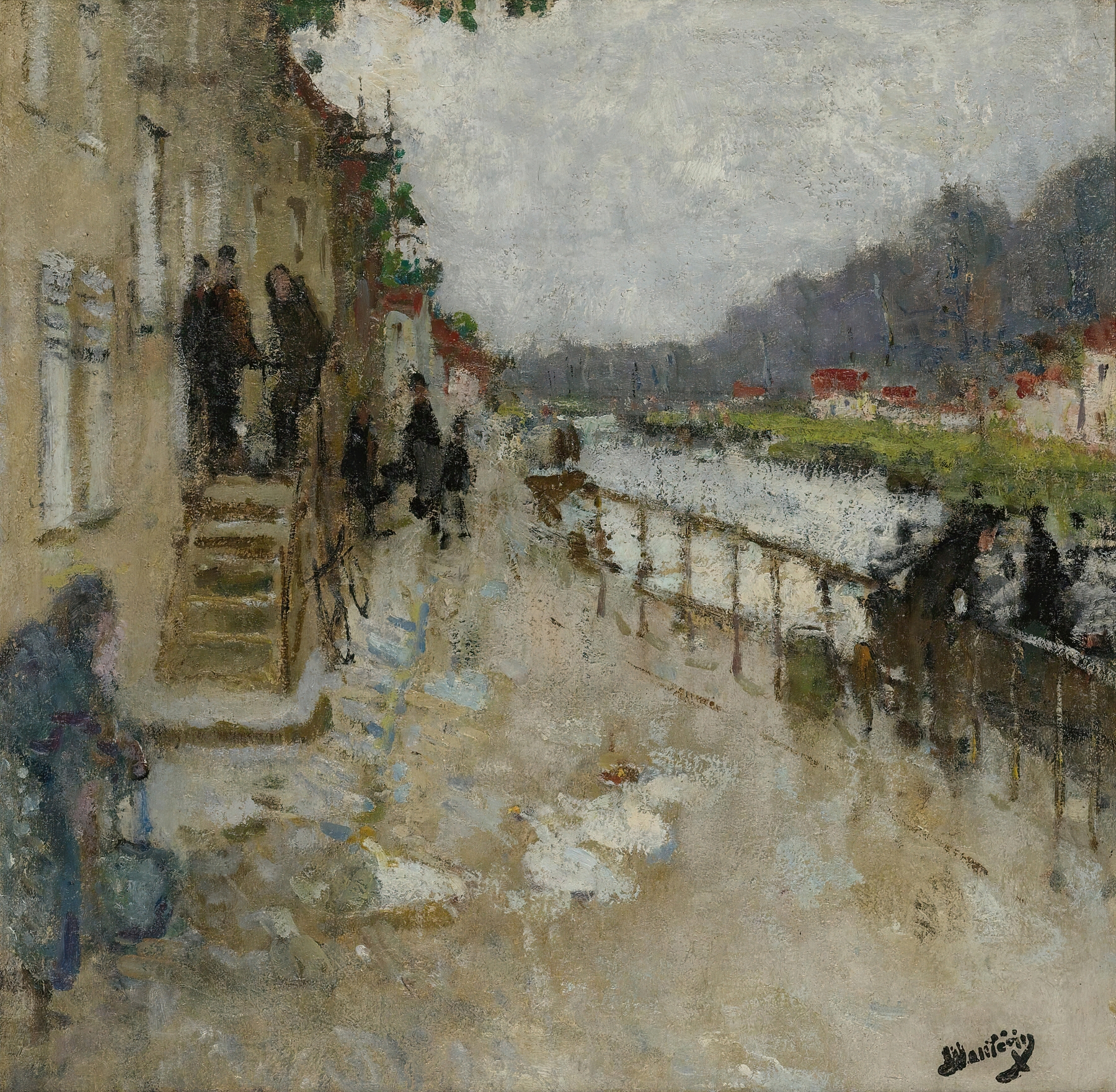
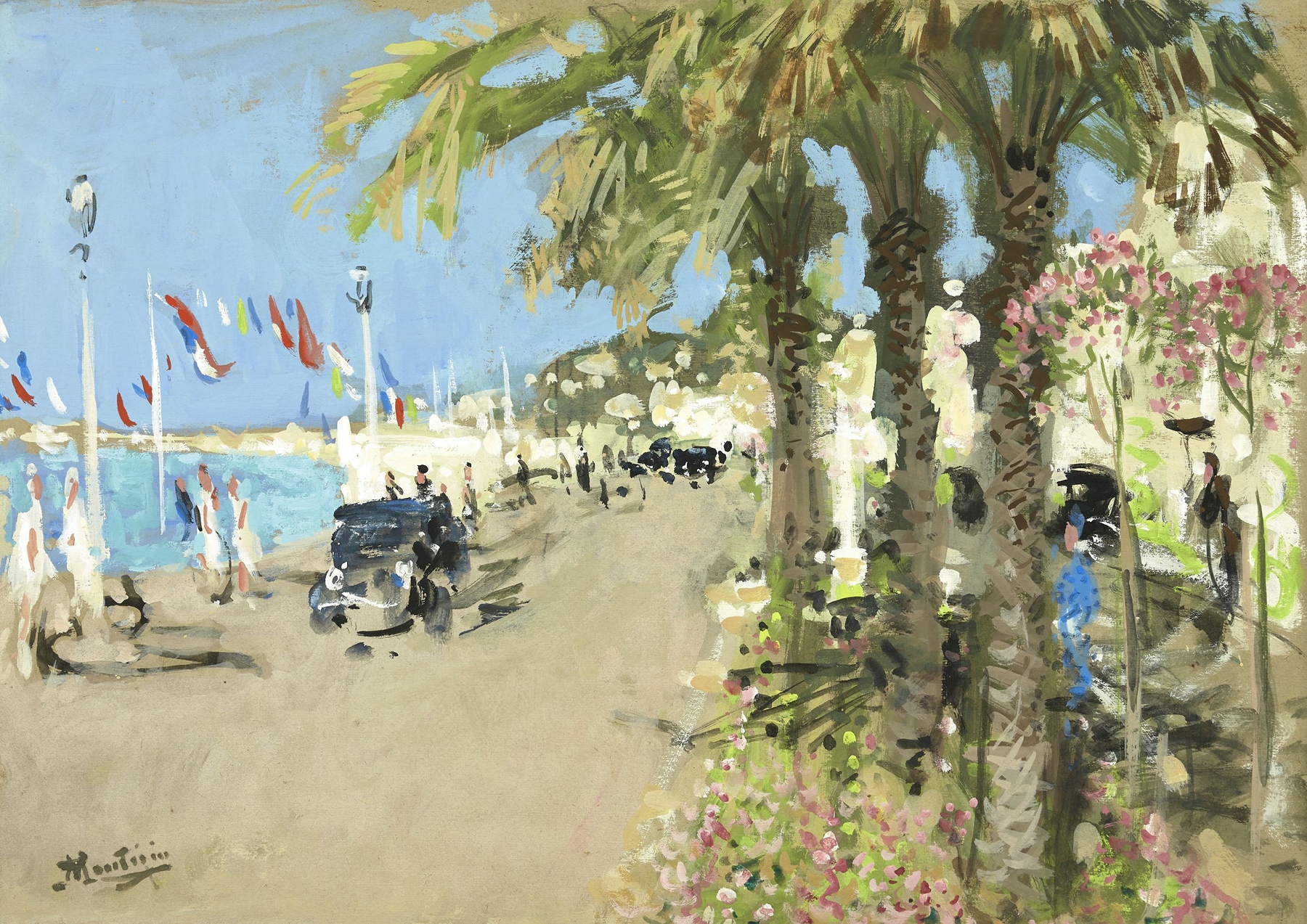
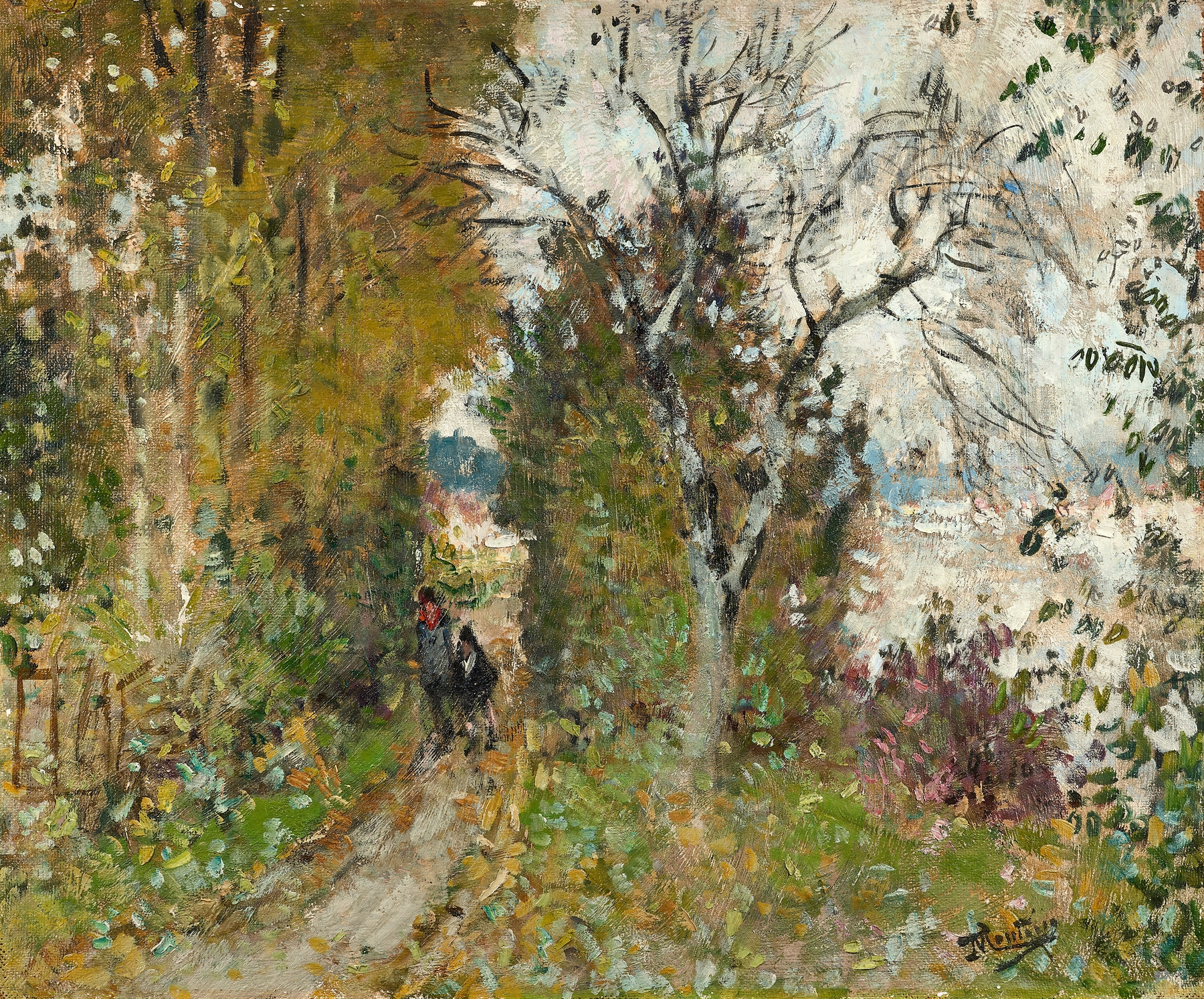
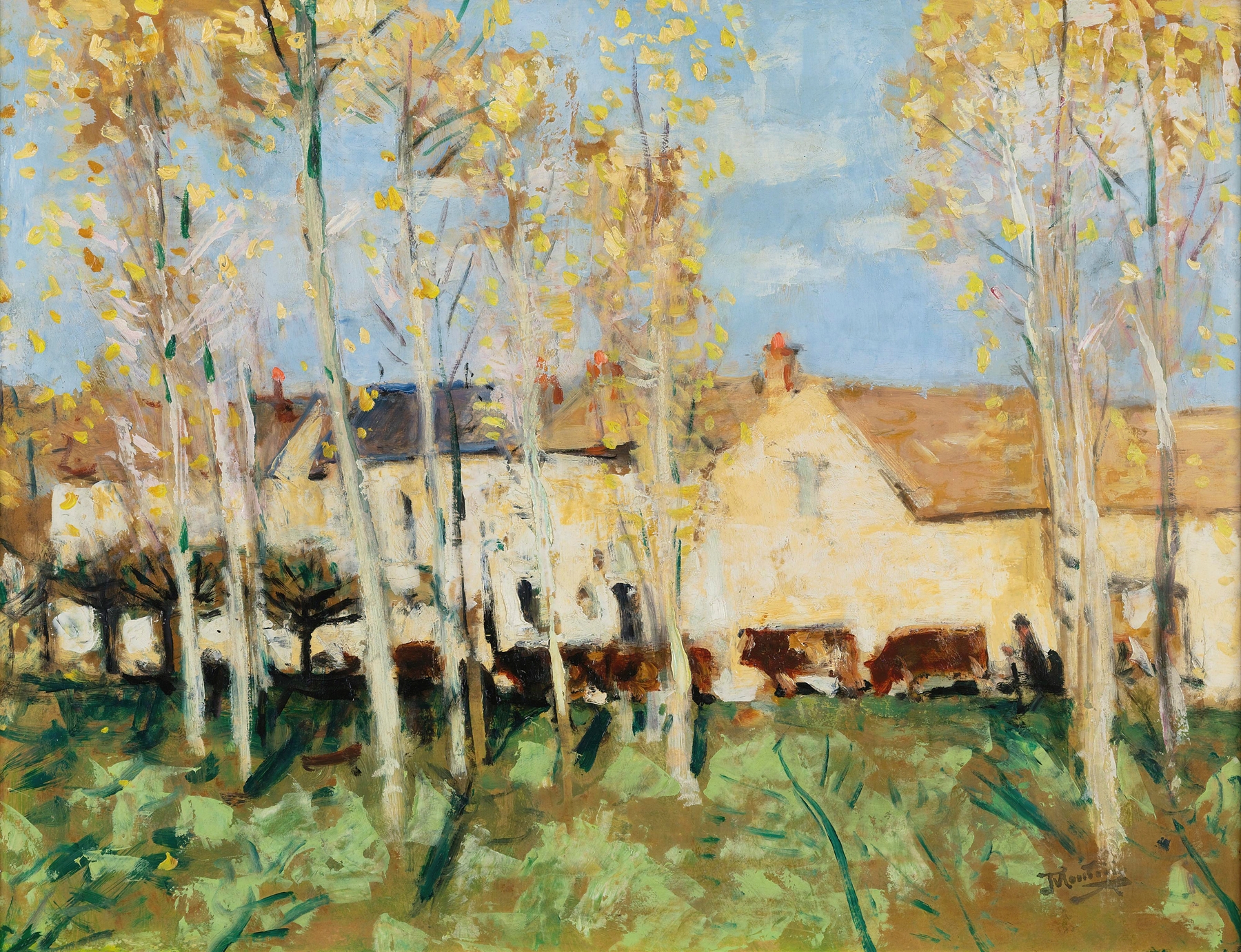
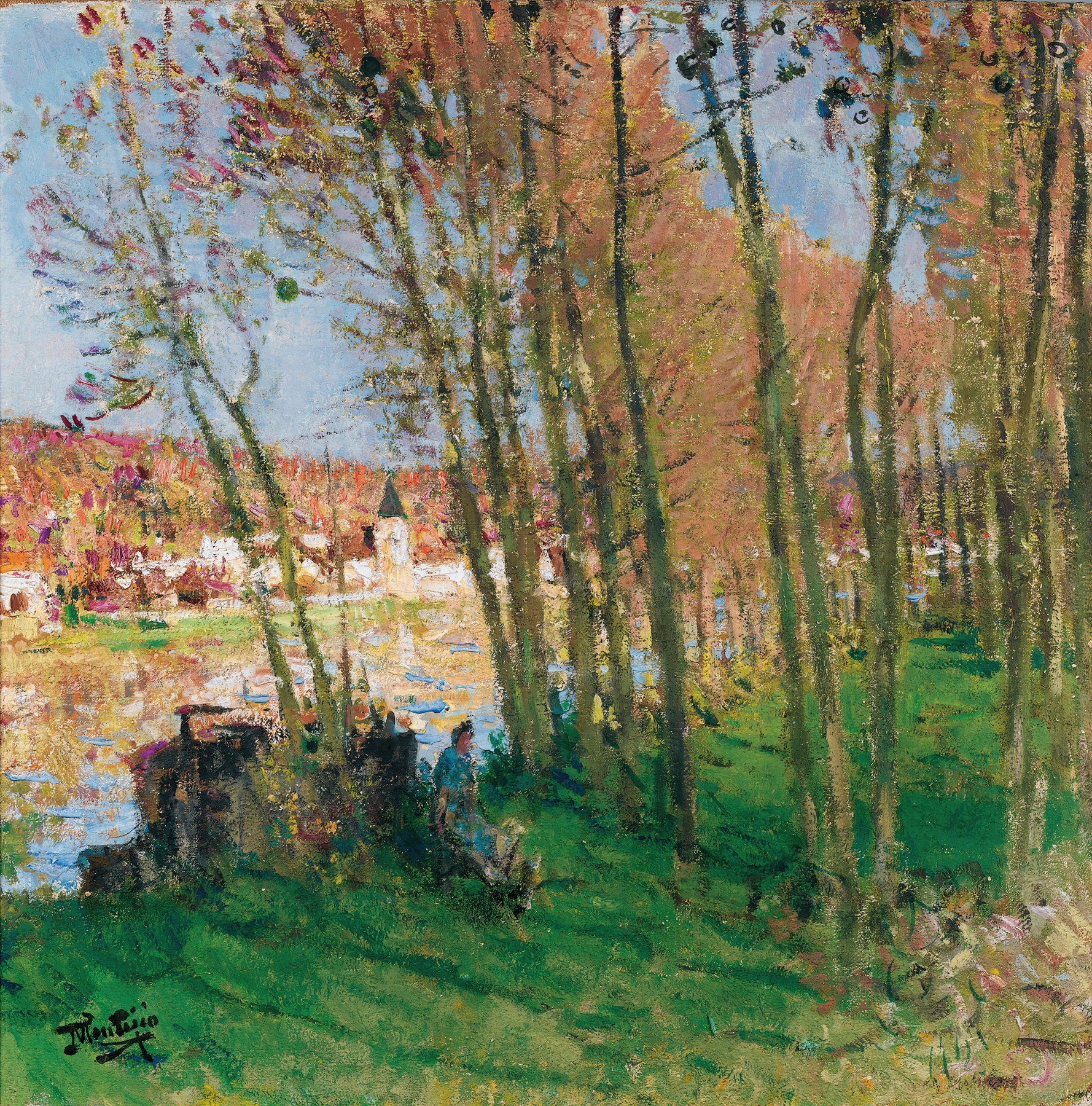
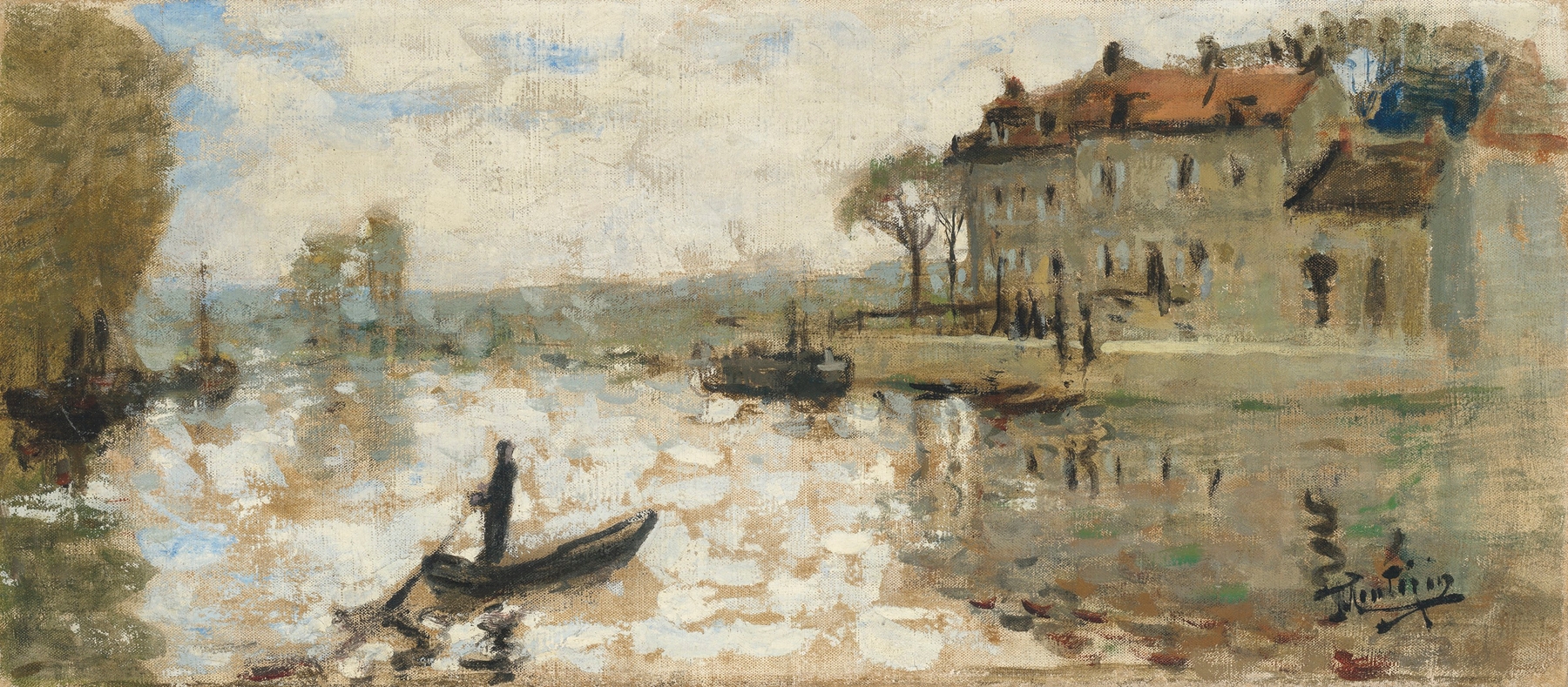
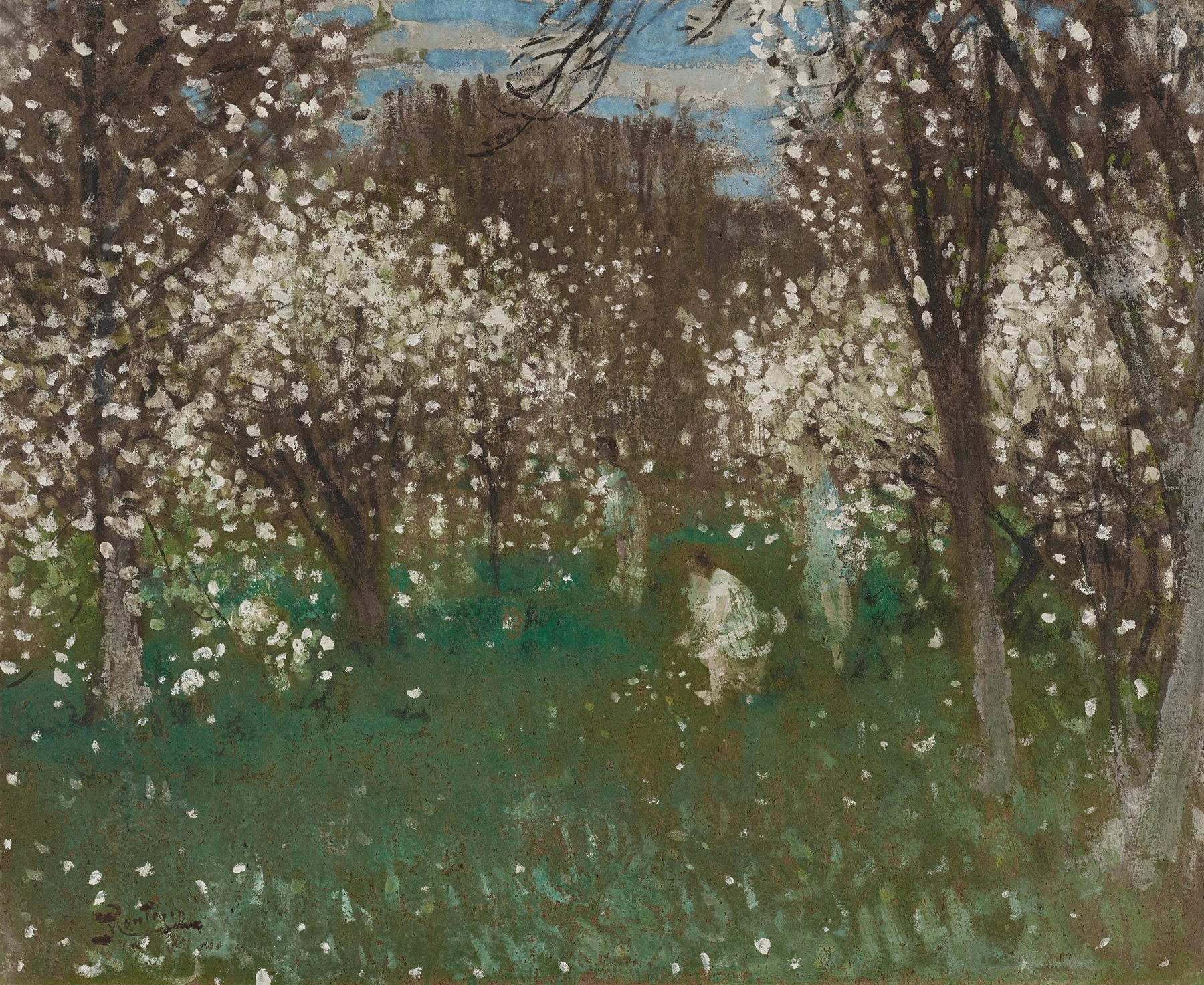
“Between color and silence, truth hides.” In the quiet embrace of autumn, nature unveils its palette, revealing secrets that resonate deep within the soul. Montézin captures this fleeting moment, where the world transforms, inviting us to pause and reflect. Look closely at the canvas, where warm hues of amber and gold emerge, cloaking the landscape in a soft, almost ethereal light. Notice how the trees, with their gentle sway, seem to whisper tales of change and renewal.
The brushstrokes dance across the surface, creating a textured depth that draws the eye, inviting exploration into the rich tapestry of foliage and sky. Each stroke is deliberate, painted with a reverence that commands attention and stirs emotion. Delve deeper into the contrasts within the work: the vibrancy of the leaves against the muted backdrop, the stillness of the scene suggesting both tranquility and inevitable transition. There is a delicate tension present—the beauty of life in its autumnal decay, reflecting the bittersweet nature of existence.
The quietude of the landscape speaks to the soul’s yearning for connection, a reminder of the fleeting moments that define our human experience. Created during a period of shifting artistic movements, Montézin painted this work in the early 20th century, a time when Impressionism was giving way to modernism. Living in France, he was surrounded by a rich artistic community, influenced by both the natural world and the evolving styles of his contemporaries. This backdrop shaped his vibrant yet contemplative approach, encouraging him to convey the profound tranquility and awe found in nature’s ever-changing cycles.