Paysage — History & Analysis
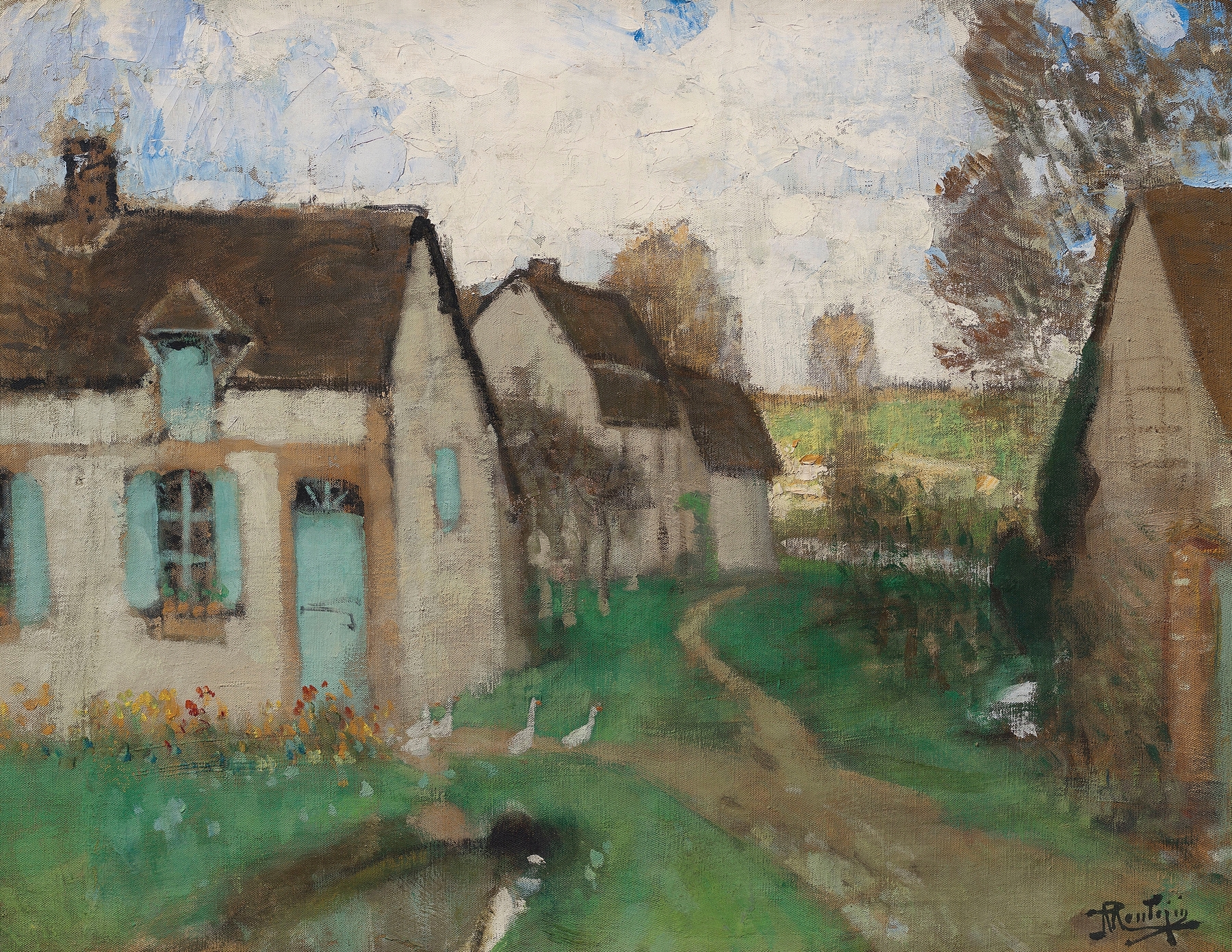
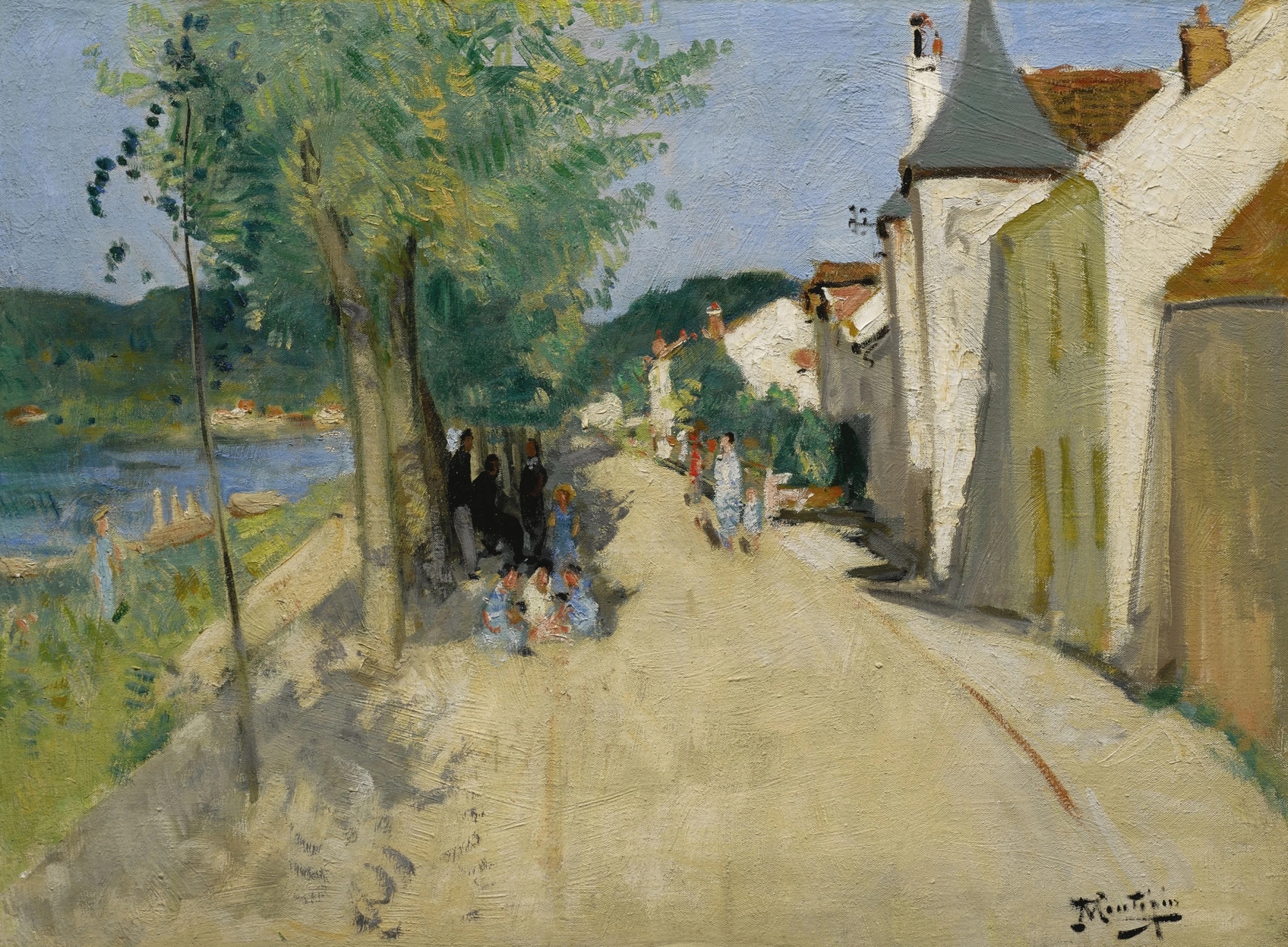
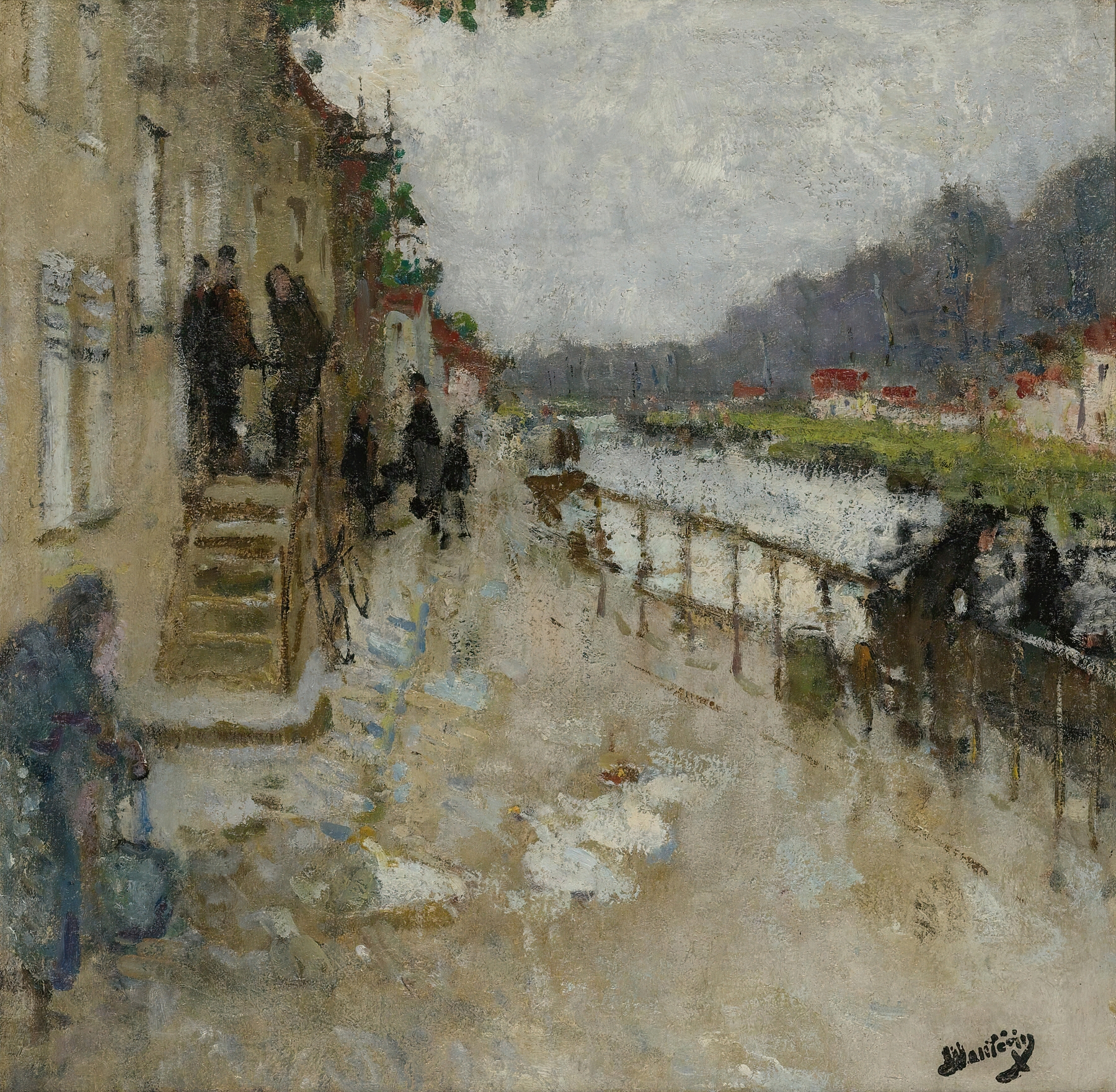
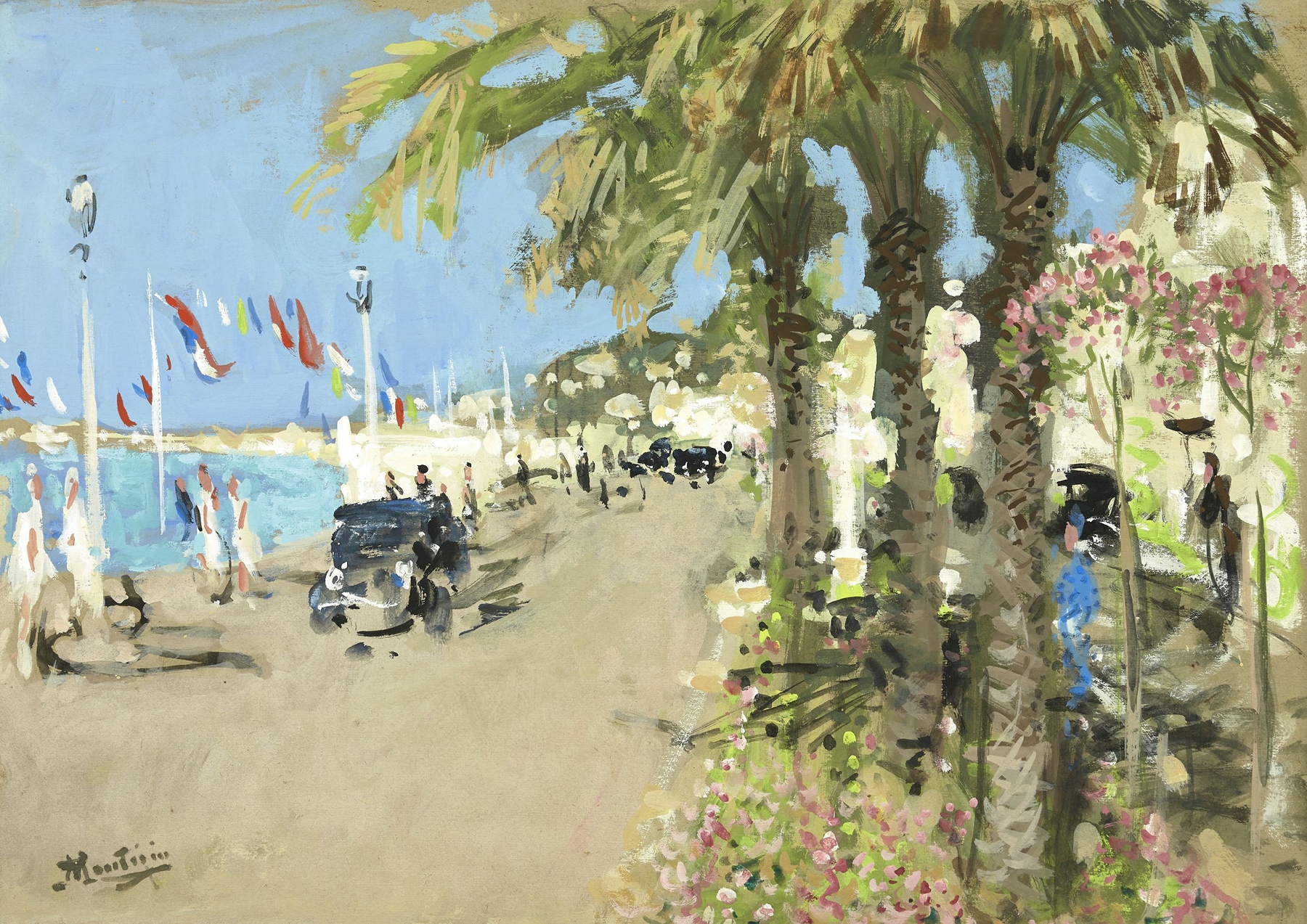
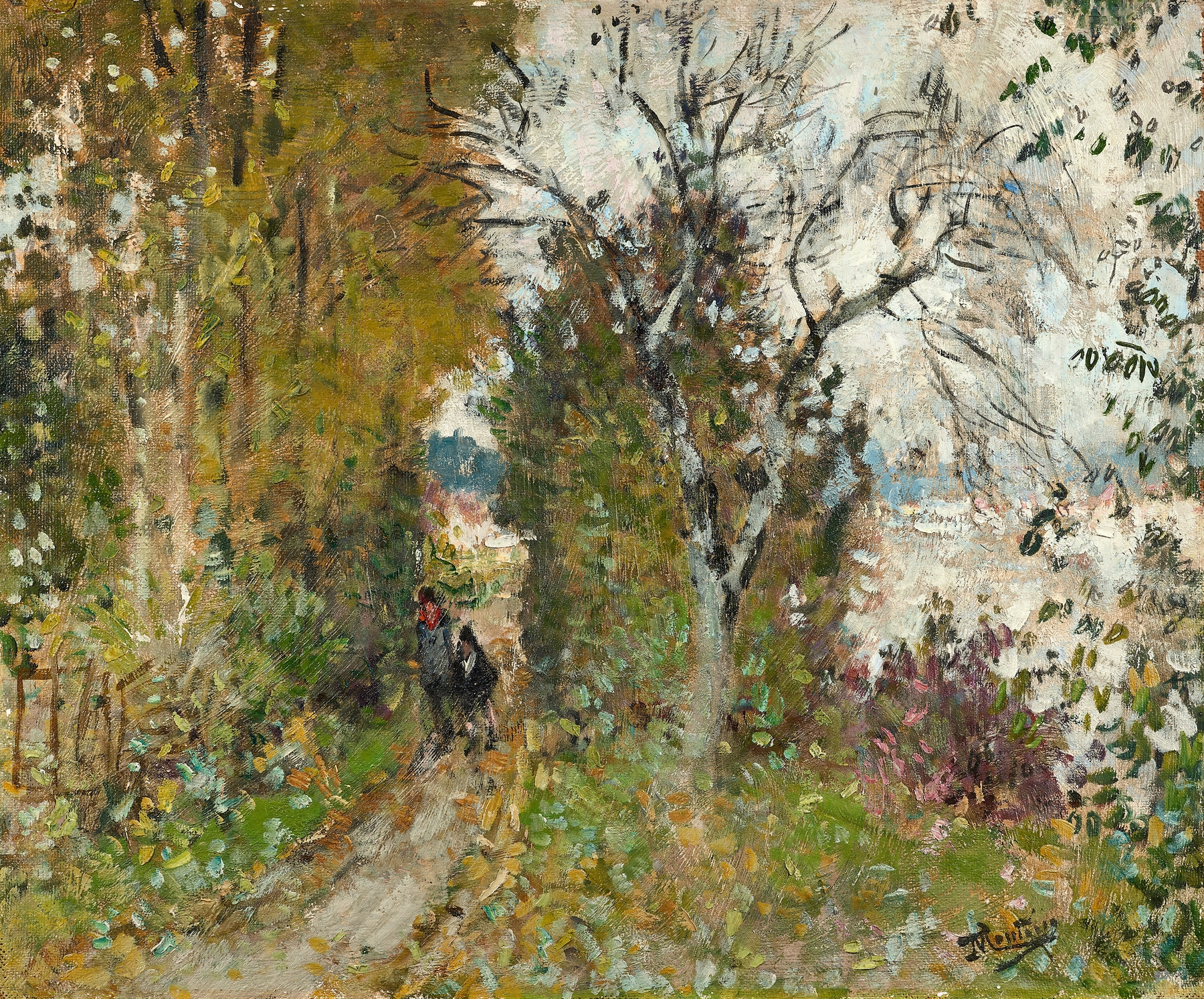
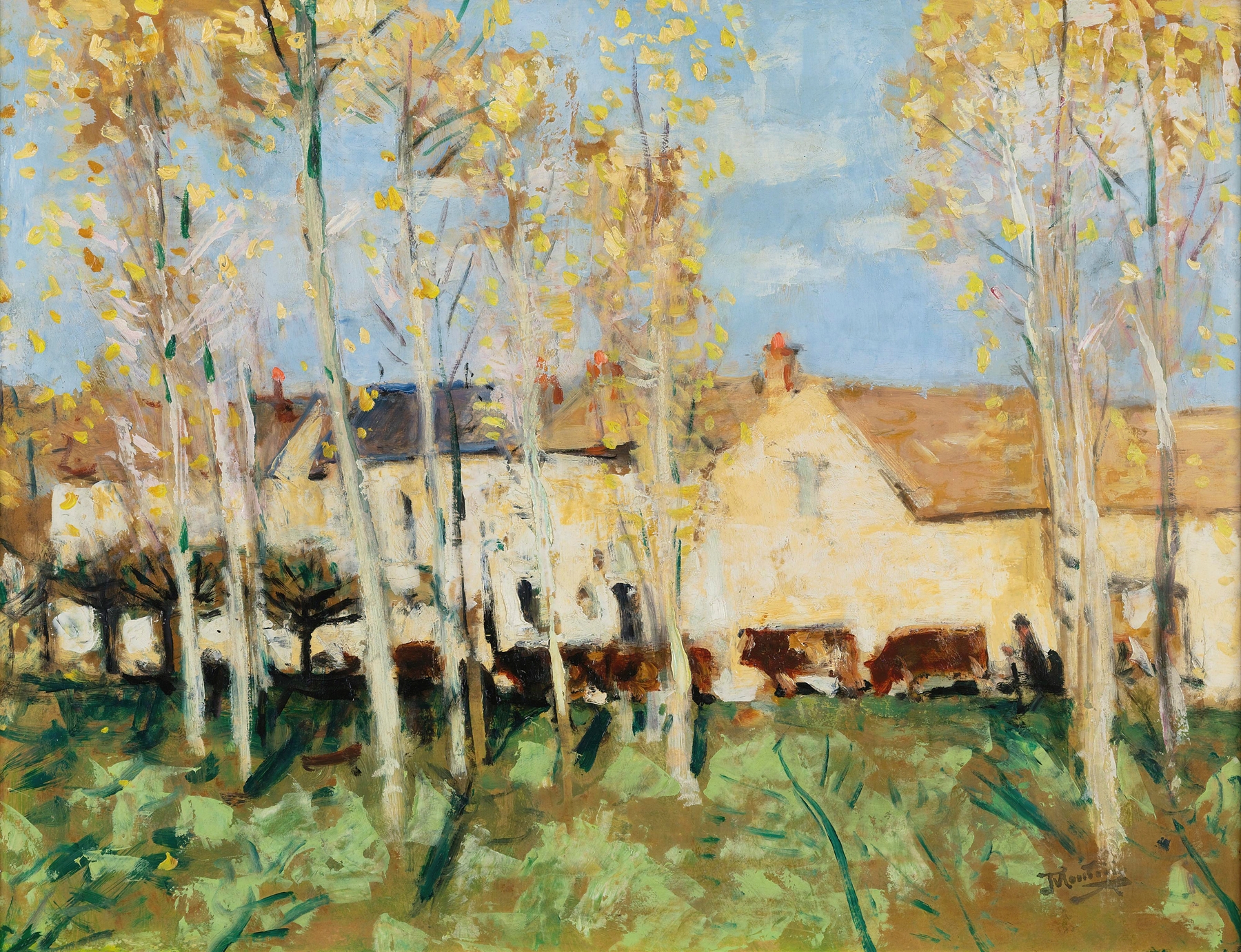
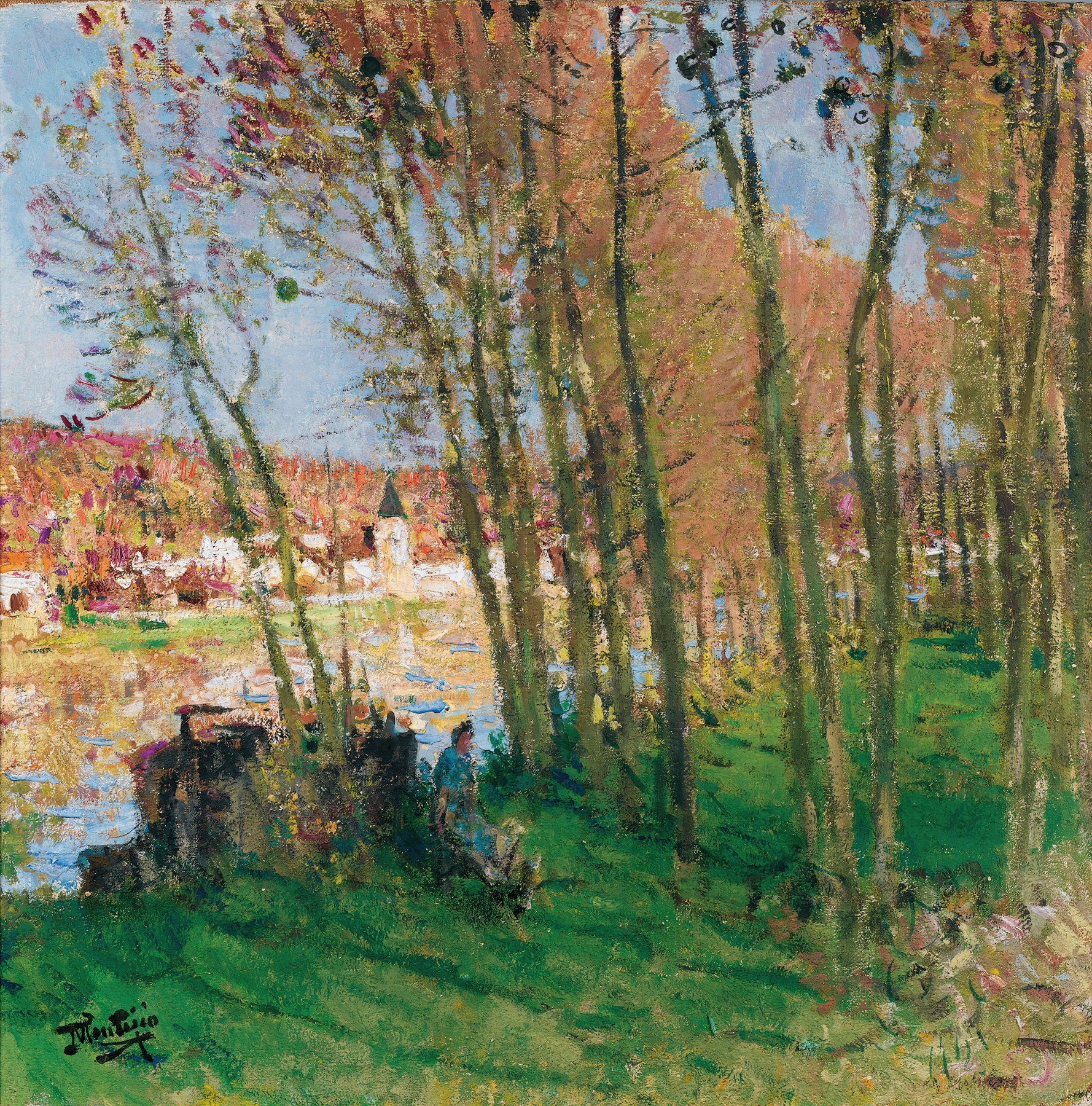
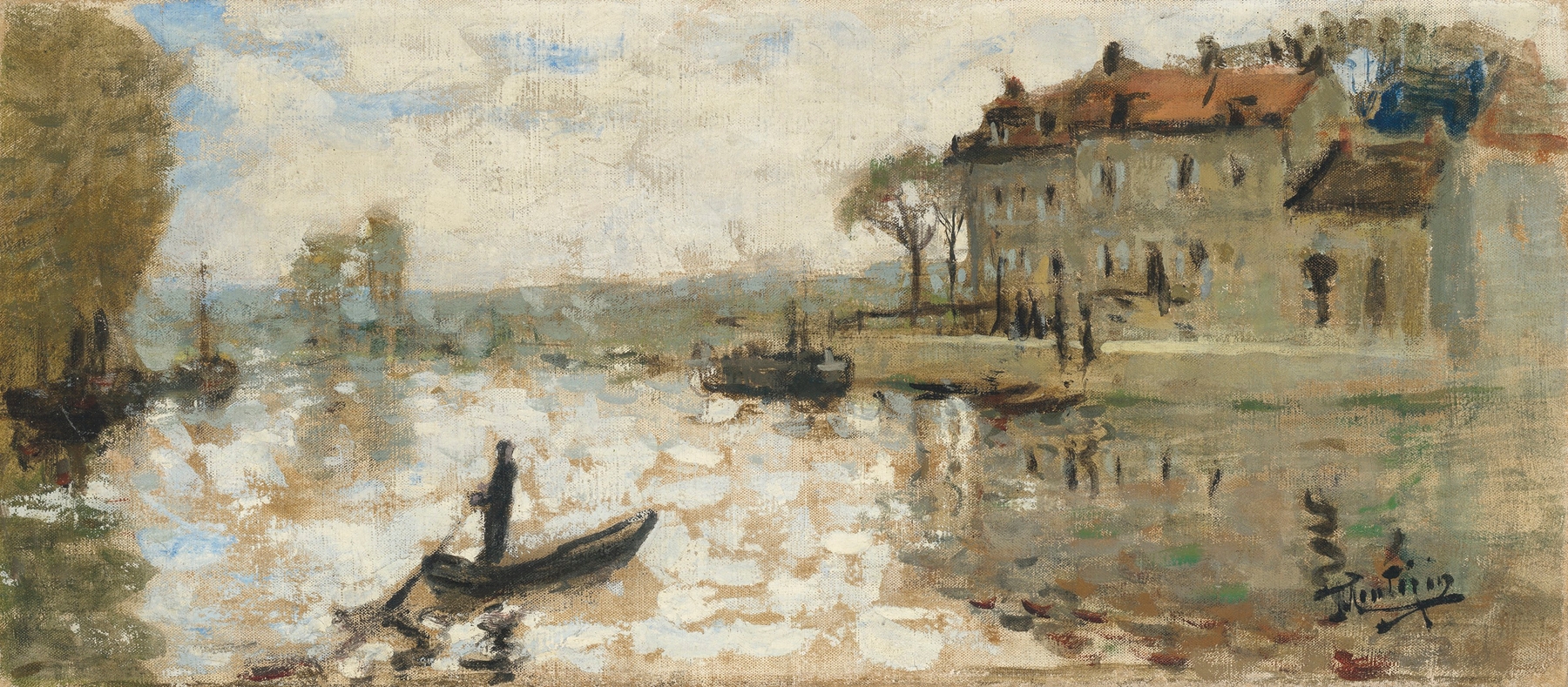
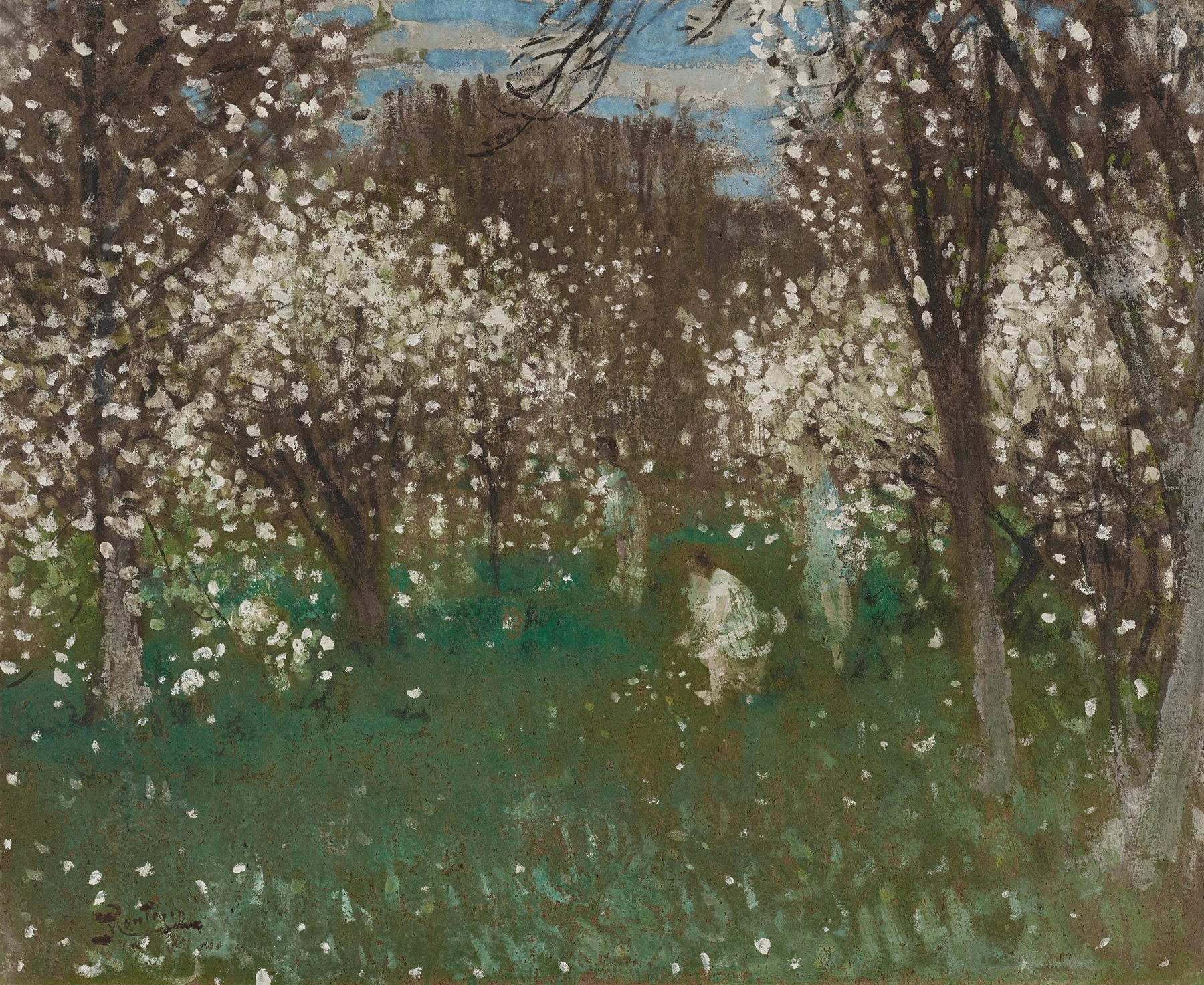
Could a single brushstroke hold eternity? In Paysage, the expanse of nature stretches before us, inviting contemplation and transformation. Each stroke resonates with the pulse of life, both fleeting and eternal, as if the very essence of the landscape has been captured on canvas. Look to the foreground, where the vibrant greens of the grass contrast beautifully with the cooler blues of the distant hills.
Notice how the brushwork dances across the surface, creating a sense of movement that draws the eye in—a gentle breeze rustling through the leaves. The play of light throughout the scene suggests the passage of time, illuminating patches of color that evoke the warmth of a sun-drenched afternoon. Yet, there’s a deeper narrative woven into this serene tapestry. The juxtaposition of the lush foreground with the muted tones of the horizon speaks to the tension between the immediacy of life and the inevitability of change.
The careful layering of paint reveals a spectrum of emotional resonance, as if Montézin is inviting viewers to reflect on their own journeys through the seasons of existence, the beauty and transience interlinked. Created during a period of artistic exploration in the early 20th century, Montézin's Paysage encapsulates the evolution of Impressionism, embracing the beauty of the natural world with a personal touch. While the exact date remains unknown, Montézin was part of a movement that sought to capture not just visual reality but the emotional experience behind it, a response to the rapidly changing world around him.