
Autumn — History & Facts
What first catches the eye in Autumn by Adolphe Joseph Thomas Monticelli is the dense, almost tactile surface of paint, where the landscape seems to emerge from the earth itself. The brushwork is vigorous and layered, creating a living tangle of foliage and undergrowth that pulls the viewer into the thicket. Amid the shadows and bursts of green and gold, small figures—perhaps peasants or gatherers—bend to their work, nearly swallowed by the wildness around them.
The sky above is heavy with swirling clouds, patches of blue peeking through, lending the whole scene a restless, shifting energy. Here, the light does not gently illuminate but rather flickers and darts, heightening the sense of autumn’s transience and the labor that continues beneath its uncertain skies. Painted between circa 1867 and 1869, this work belongs to a moment when artists across France were reimagining the landscape, moving away from the polished clarity of academic tradition toward something more immediate and personal. Monticelli was known for his lush, impasto technique and his ability to conjure atmosphere with color and texture rather than precise detail.
Such paintings were often made for a new class of collectors eager for scenes of rural life and the changing seasons, as industrialization transformed both city and countryside. Today, Autumn resides in the Cleveland Museum of Art, a quiet testament to a time when the boundaries between nature and paint, observation and memory, were being redrawn. Let your eye wander through its tangled brushwork, and the season’s fleeting richness comes alive again.
More Artworks by Adolphe Monticelli

Portrait of a Lady
Adolphe Monticelli
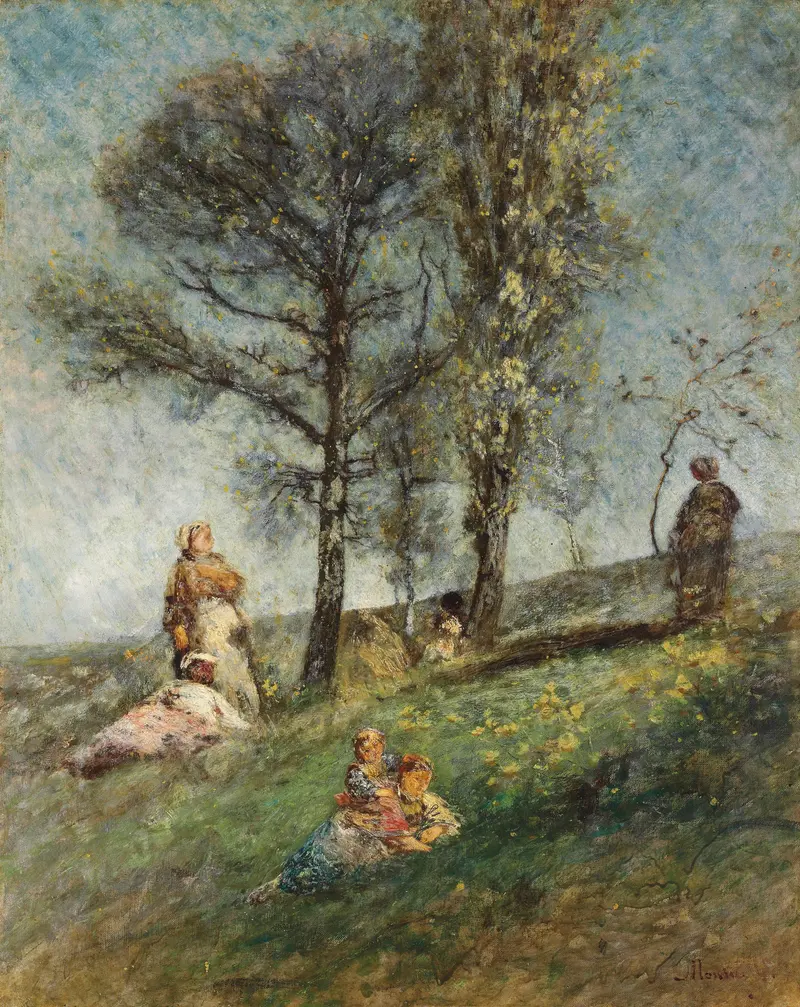
A Young Family Under Trees On A Hill
Adolphe Monticelli

Fête d'Après-Midi
Adolphe Monticelli
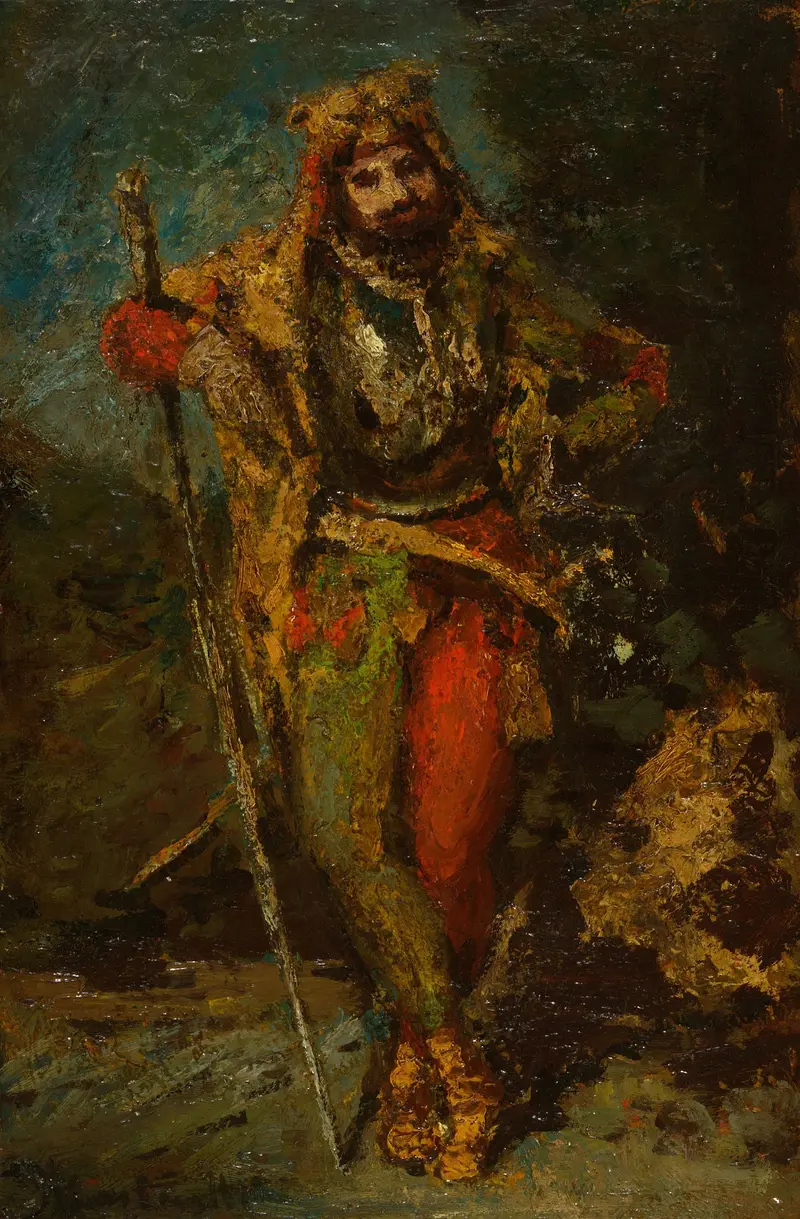
Mephisto from the Opera Faust
Adolphe Monticelli
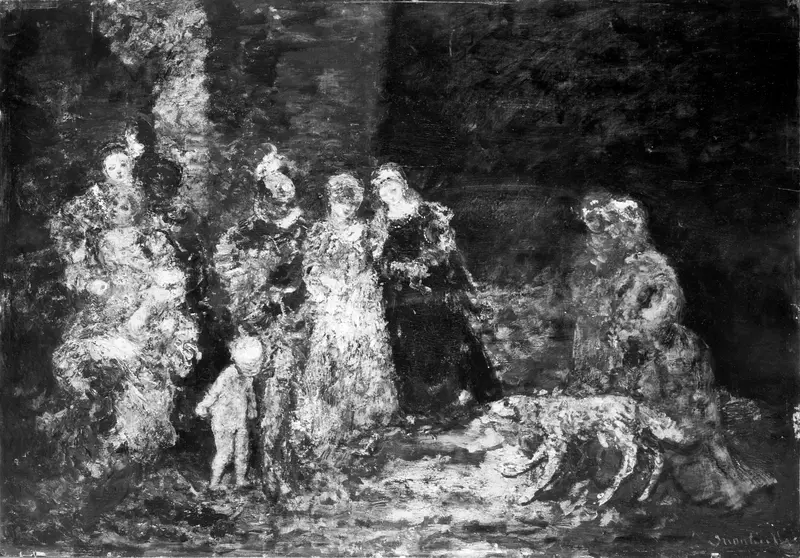
The Fairies
Adolphe Monticelli
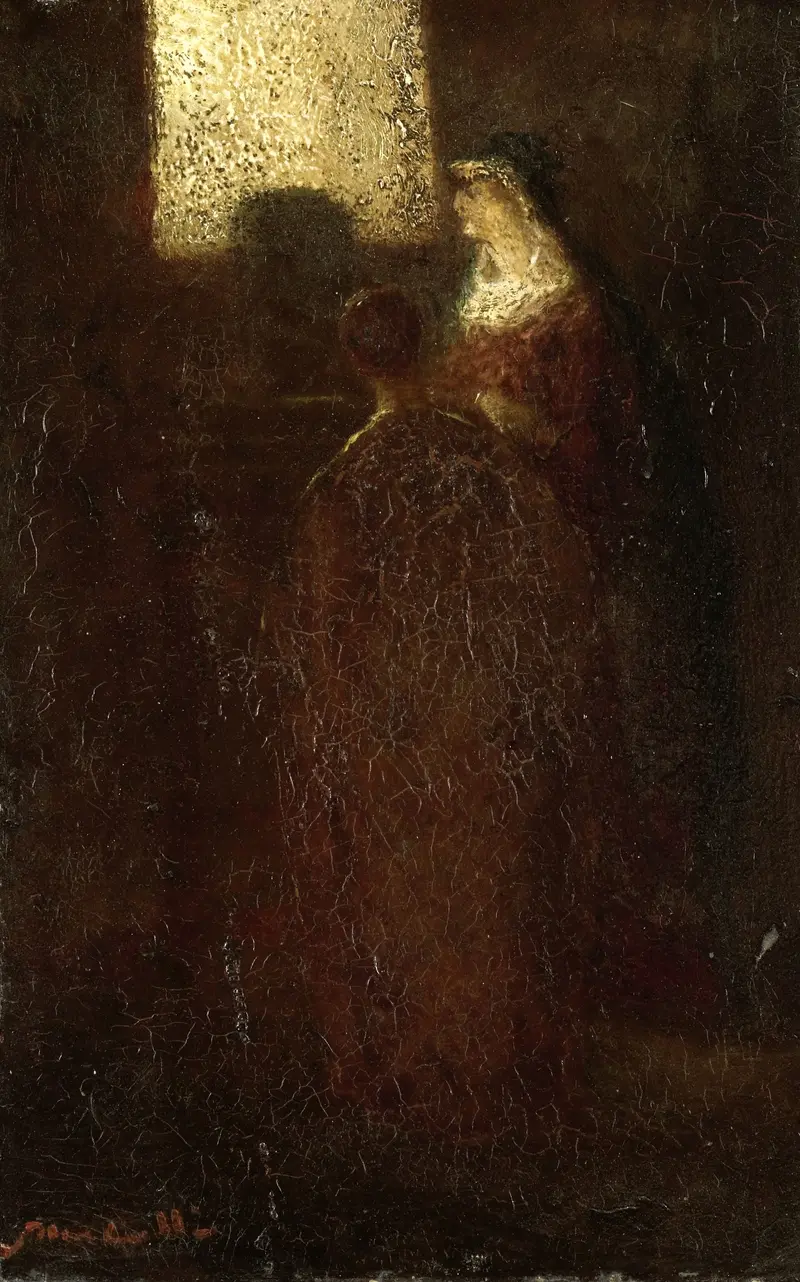
Aan het altaar
Adolphe Monticelli
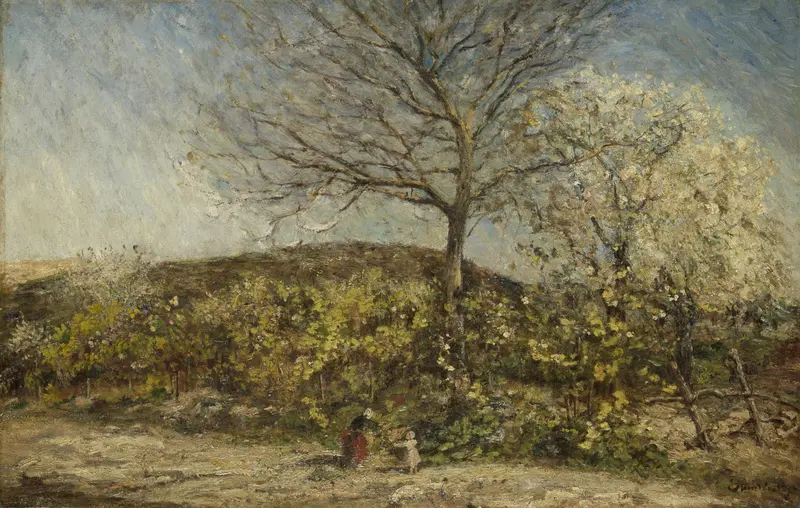
Landschap met bloeiende boomgaard
Adolphe Monticelli
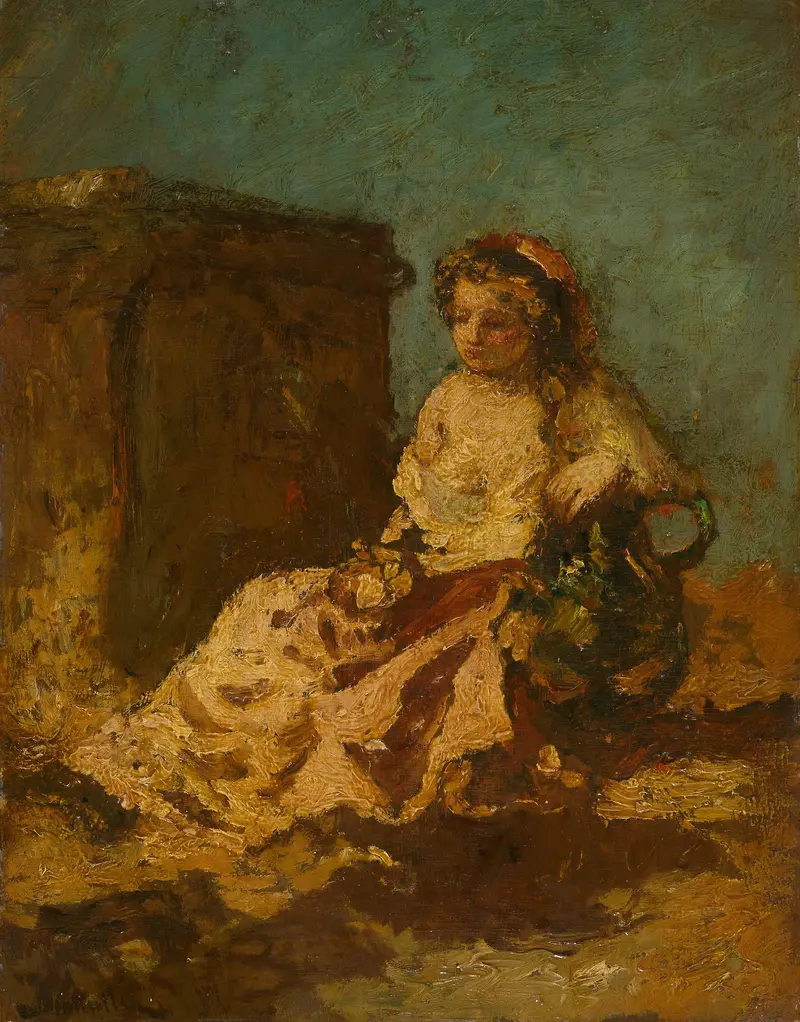
Meditation (Seated Woman)
Adolphe Monticelli
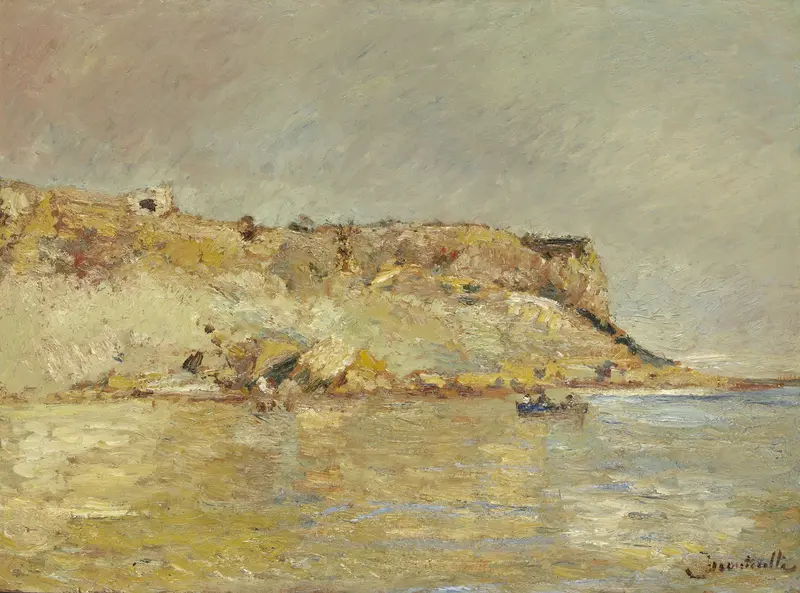
Coastal Mountains
Adolphe Monticelli
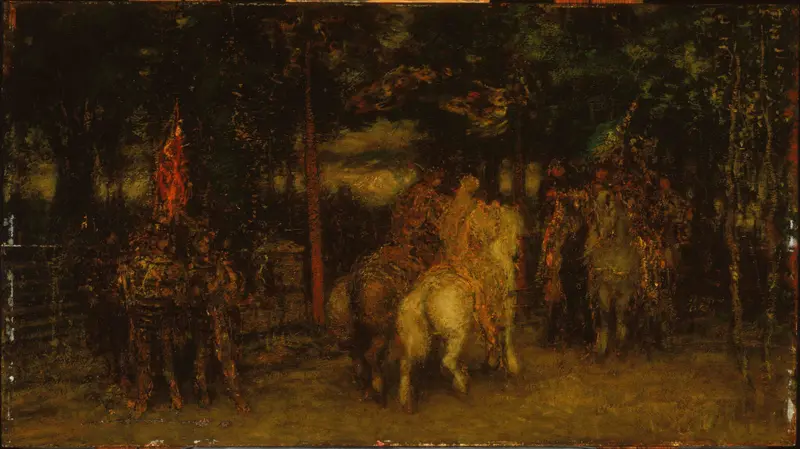
Landscape with Figures
Adolphe Monticelli
More Landscape Art

The Starry Night
Vincent van Gogh

View of Delft
Johannes Vermeer

Water Lilies
Claude Monet

The Grand Canal, Venice, looking north-west from the Ca' Corner to the Ca' Contarini degli Scrigni, with the campanile of Santa Maria della Carità
Canaletto

Windsor Castle
Canaletto

The Grand Canal looking North-East from the Palazzo Dolfin-Manin to the Rialto Bridge
Canaletto