
Autumn's Golden Pathway — History & Facts
Few works by Albert Pinkham Ryder have generated as much speculation as Autumn's Golden Pathway, painted in 1880 and long shrouded in mystery due to the unknown medium Ryder employed. While Ryder is best known for his moody, visionary seascapes, this painting stands apart as one of his rare forays into landscape, and its unusual surface—neither clearly oil nor watercolor—has puzzled conservators and historians alike. The painting’s first public exhibition in New York caused a stir, with critics noting its "unusual glow," though none could quite agree on how Ryder achieved it.
Even today, technical analysis has failed to definitively identify the materials, adding a layer of intrigue to its golden hues. The scene Ryder chose is a solitary woodland path, dappled with the deep golds and russets of late autumn. A lone figure, barely more than a silhouette, walks away from the viewer, swallowed by a tunnel of trees whose leaves carpet the ground and shimmer in the slanting light. The pathway itself becomes a river of gold, guiding the eye into the painting’s heart, while the encroaching shadows hint at the year’s end and the inevitability of change.
Ryder’s use of soft, blurred contours and glowing color gives the scene a dreamlike quality, recalling the poetic landscapes of George Inness, though Ryder’s palette is warmer and more saturated, emphasizing the season’s richness rather than its melancholy. The absence of narrative detail invites viewers to supply their own story, perhaps a memory of a last walk before winter. Autumn's Golden Pathway has passed quietly through private collections, surfacing only occasionally at auction before entering the public domain in the mid-20th century. Unlike many of Ryder’s works, which suffered from his experimental techniques and have deteriorated over time, this painting remains remarkably well preserved.
Its uncertain medium continues to attract technical study, and it has become a touchstone for those interested in Ryder’s less typical subjects. Today, it hangs in an online gallery, a testament to Ryder’s restless innovation and his ability to find mystery in the most familiar of seasons. The painting marks a pivotal moment in his career, foreshadowing the atmospheric effects that would define his later, more famous works.
More Artworks by Albert Pinkham Ryder

The Toilers of the Sea
Albert Pinkham Ryder
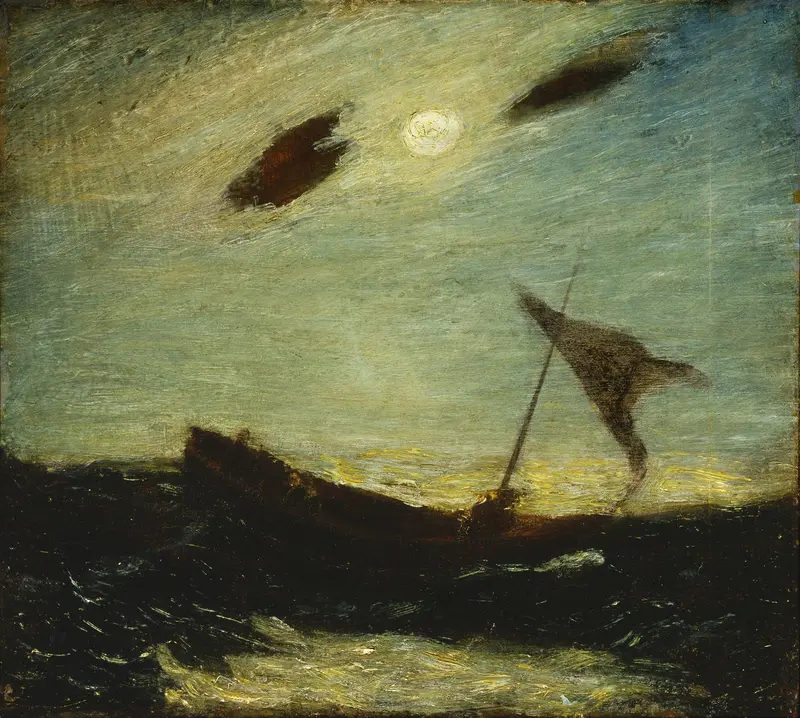
Moonlight
Albert Pinkham Ryder
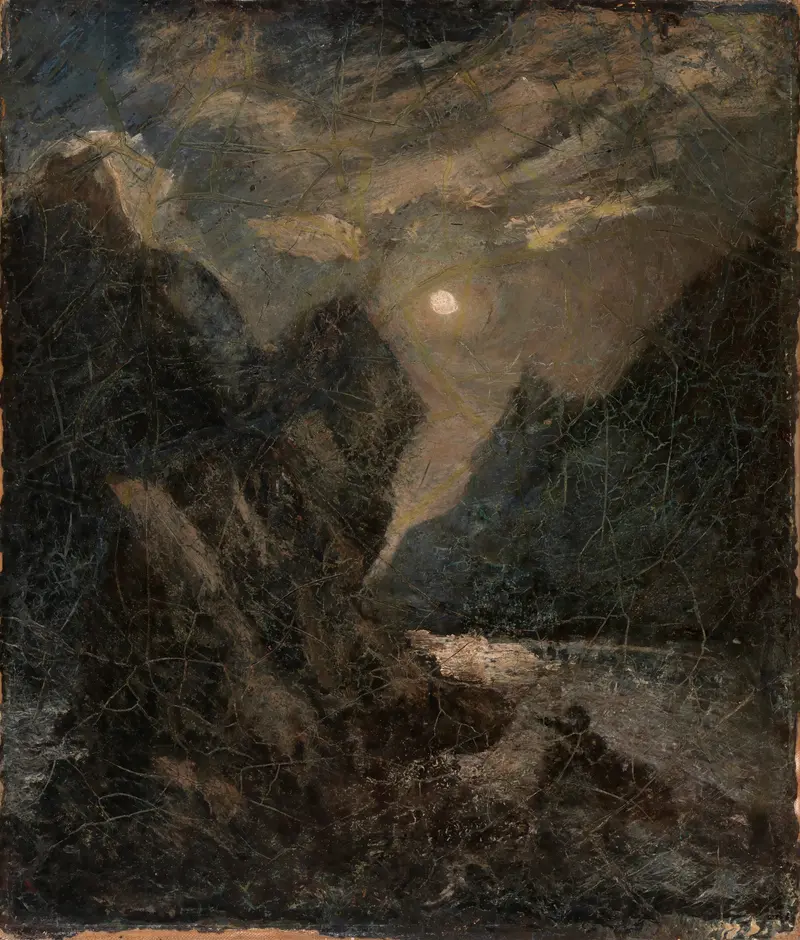
The Lorelei
Albert Pinkham Ryder
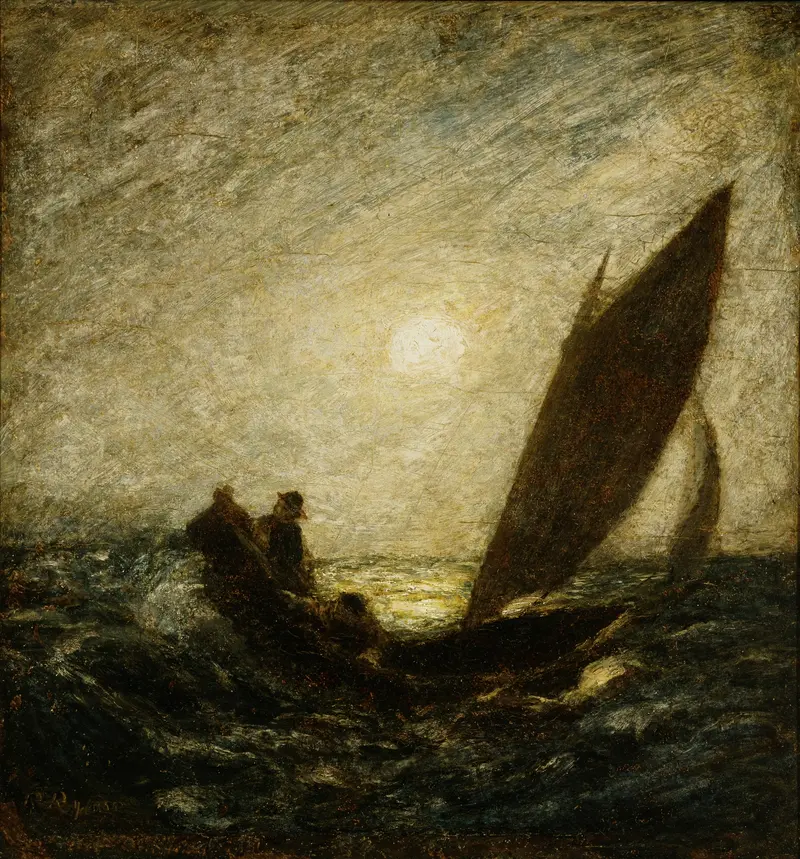
With Sloping Mast And Dipping Prow
Albert Pinkham Ryder
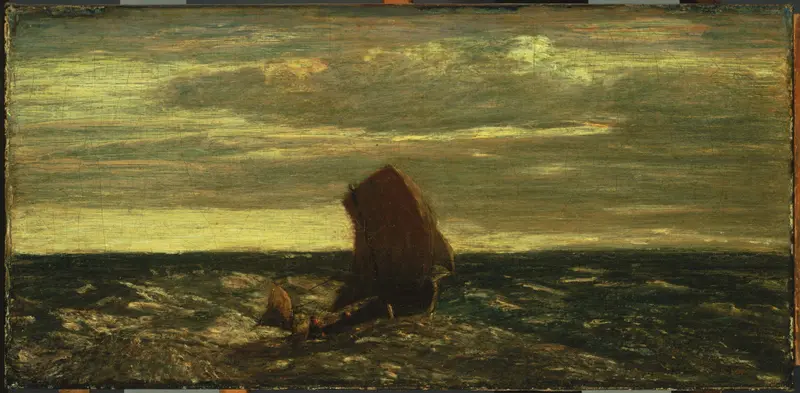
Homeward Bound
Albert Pinkham Ryder
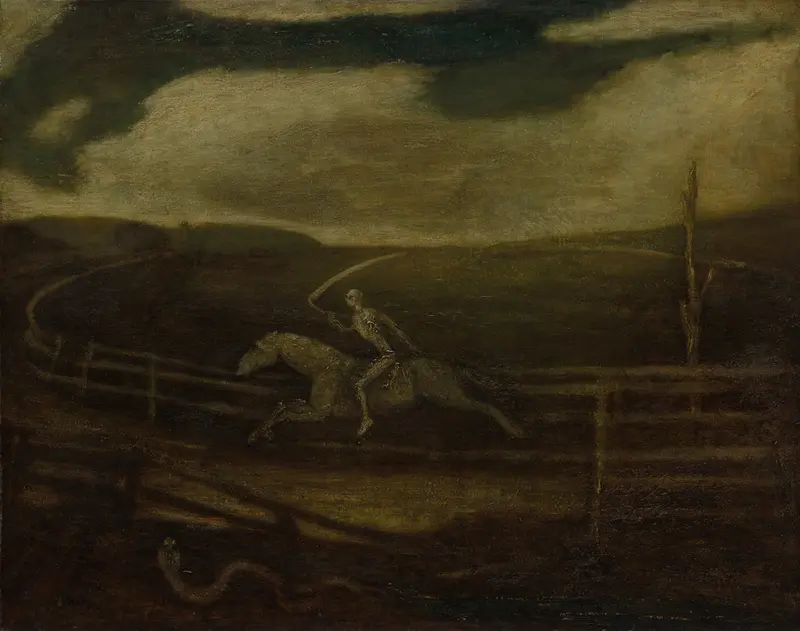
The Race Track (Death on a Pale Horse)
Albert Pinkham Ryder
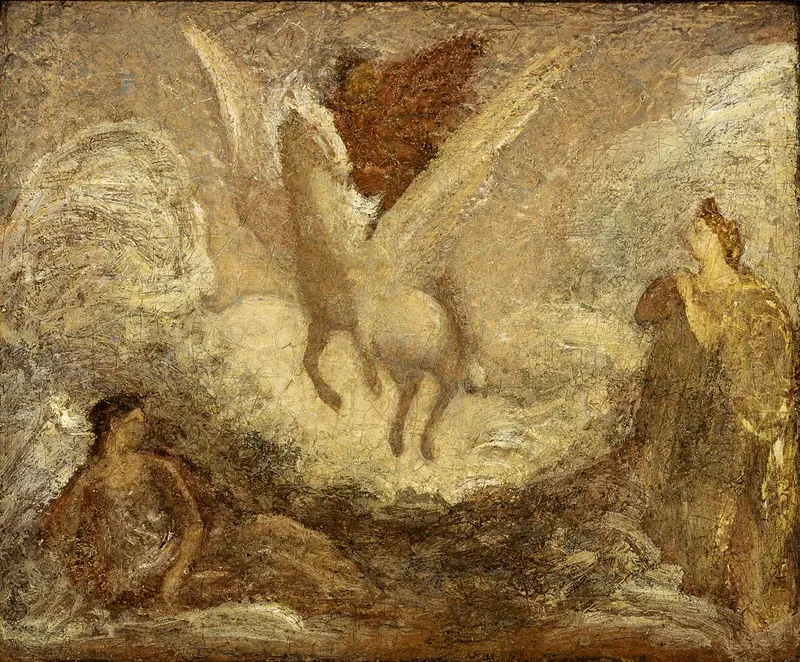
Pegasus Departing
Albert Pinkham Ryder
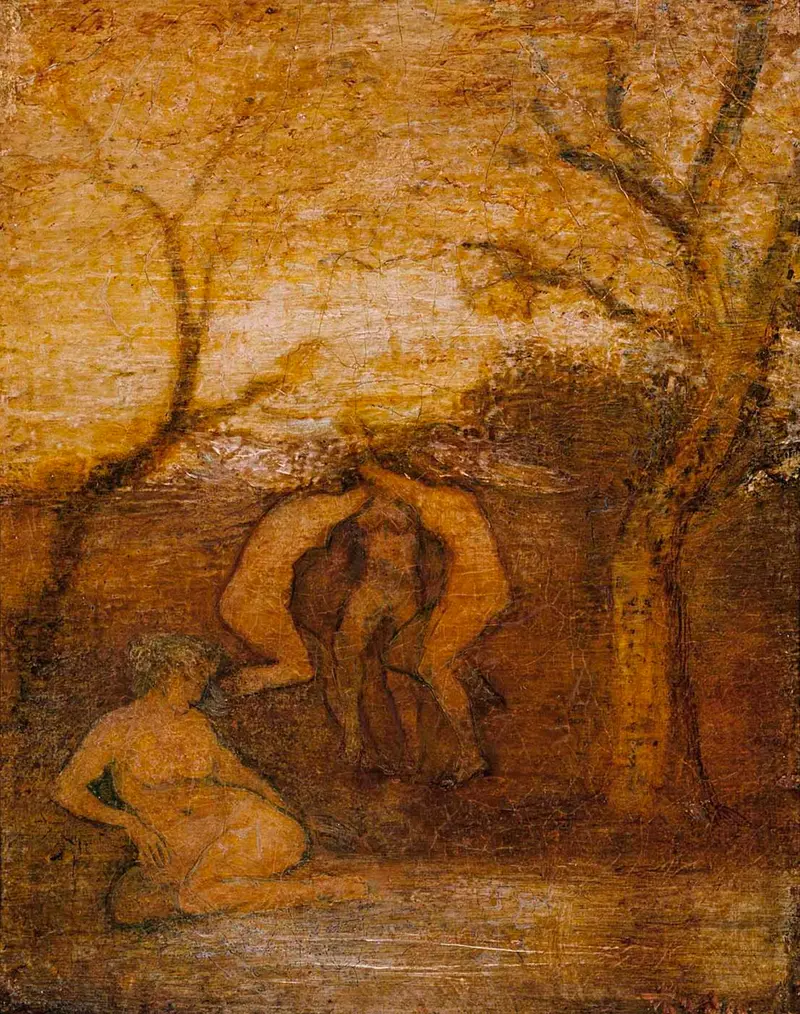
Dancing Dryads
Albert Pinkham Ryder
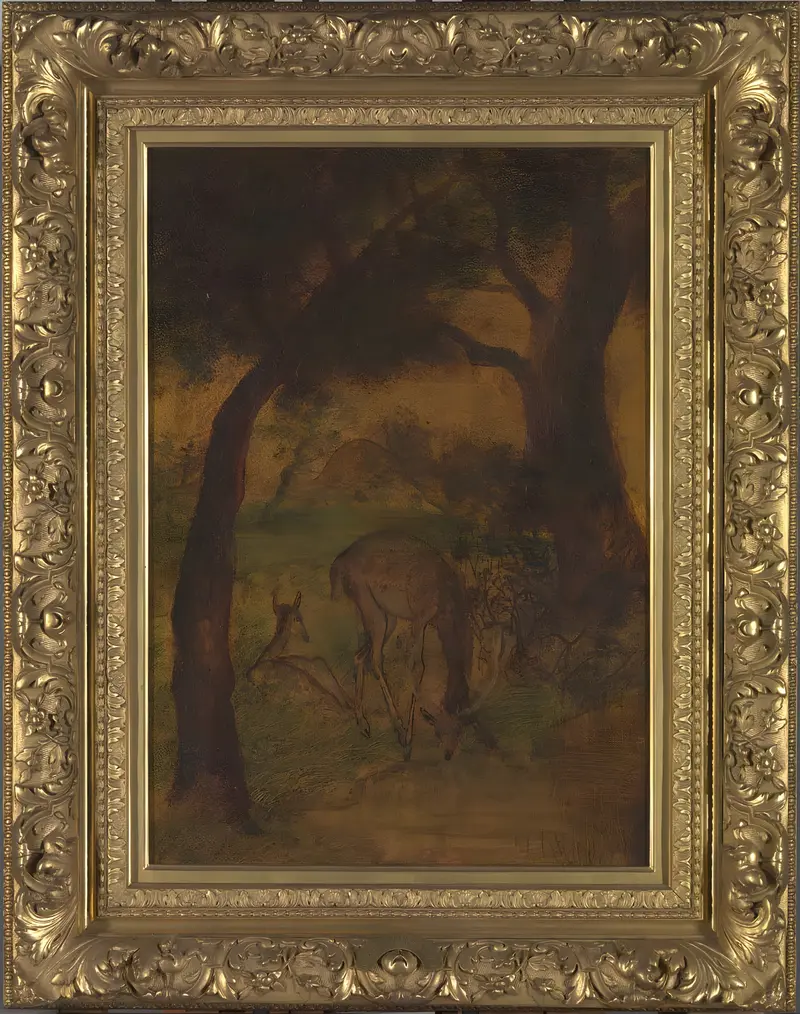
A Stag Drinking
Albert Pinkham Ryder
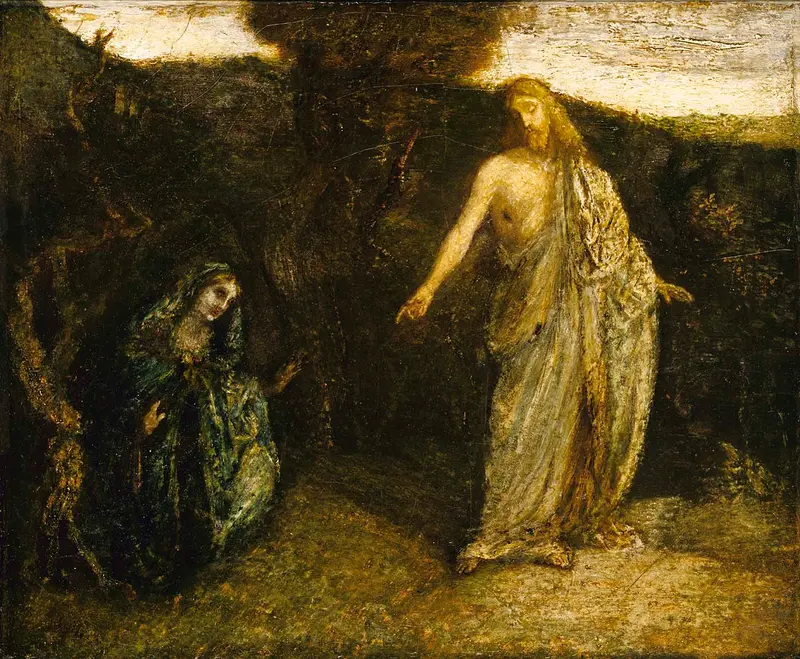
Christ Appearing to Mary
Albert Pinkham Ryder
More Landscape Art

The Starry Night
Vincent van Gogh

View of Delft
Johannes Vermeer

Water Lilies
Claude Monet

The Grand Canal, Venice, looking north-west from the Ca' Corner to the Ca' Contarini degli Scrigni, with the campanile of Santa Maria della Carità
Canaletto

Windsor Castle
Canaletto

The Grand Canal looking North-East from the Palazzo Dolfin-Manin to the Rialto Bridge
Canaletto