
Auvers, Panoramic View — History & Facts
Did the painter know this moment would outlive them? In Auvers, Panoramic View, a quiet dream of the French countryside unfolds, a testament to the fleeting nature of life and art. Look to the center where the rolling hills rise, bathed in soft light, their verdant hues blending seamlessly into the sky. The brushstrokes are deliberate yet fluid, capturing the essence of the landscape rather than its precise details. Notice how the clouds dance above, their forms shifting, echoing the movement of the vibrant greenery below.
The warm palette evokes a sense of nostalgia, inviting the viewer to linger in this tranquil space. In the foreground, the interplay of light and shadow suggests the passage of time, a reminder that every moment is transient. The vibrant green fields are punctuated by earthy browns, symbolizing both growth and decay. Beyond that, the distant village lies in soft focus, a whisper of human presence amidst the grandeur of nature, hinting at stories untold.
Cezanne's choice to portray the landscape in this way elevates it to a realm of dreams, blurring the lines between reality and imagination. During the years 1873 to 1875, Cezanne painted this piece while living in France, amidst the tumult of post-Impressionism. The art world was shifting, embracing new ideas that blurred traditional boundaries. This was a pivotal time for the artist, as he grappled with his vision, seeking to establish a unique style that would later influence generations.
In Auvers, Panoramic View, he captures not just a scene, but an enduring essence of life, inviting us to ponder our place within it.
More Artworks by Paul Cezanne
Browse all →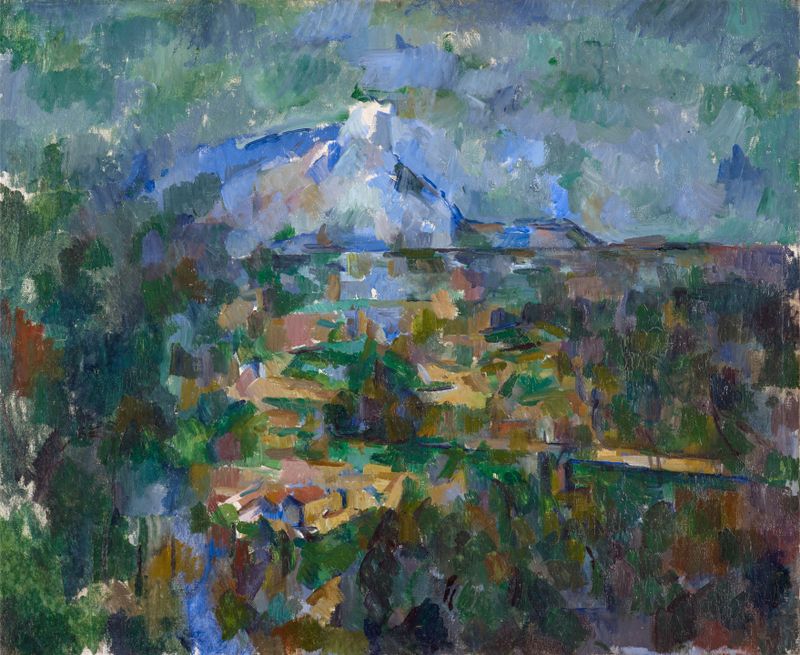
The Mont Sainte-Victoire Seen From Les Lauves
Paul Cezanne
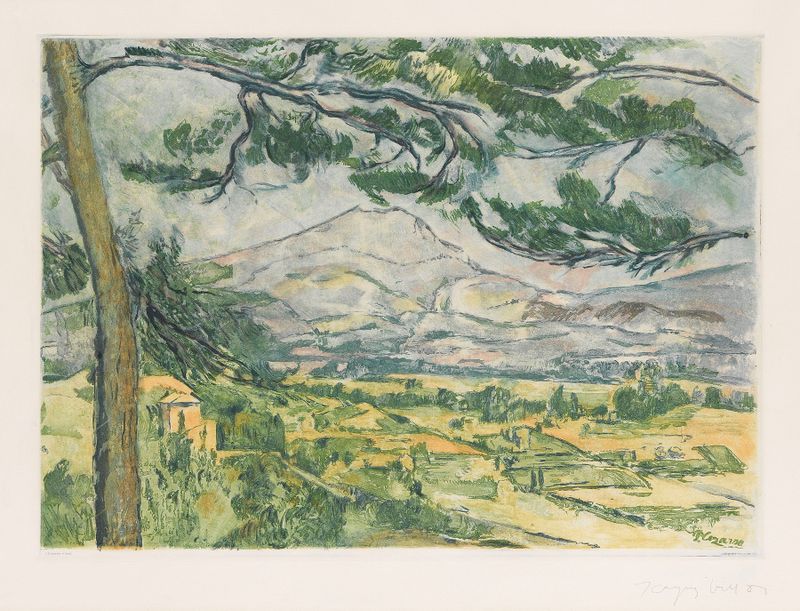
La Montagne Sainte-Victoire
Paul Cezanne
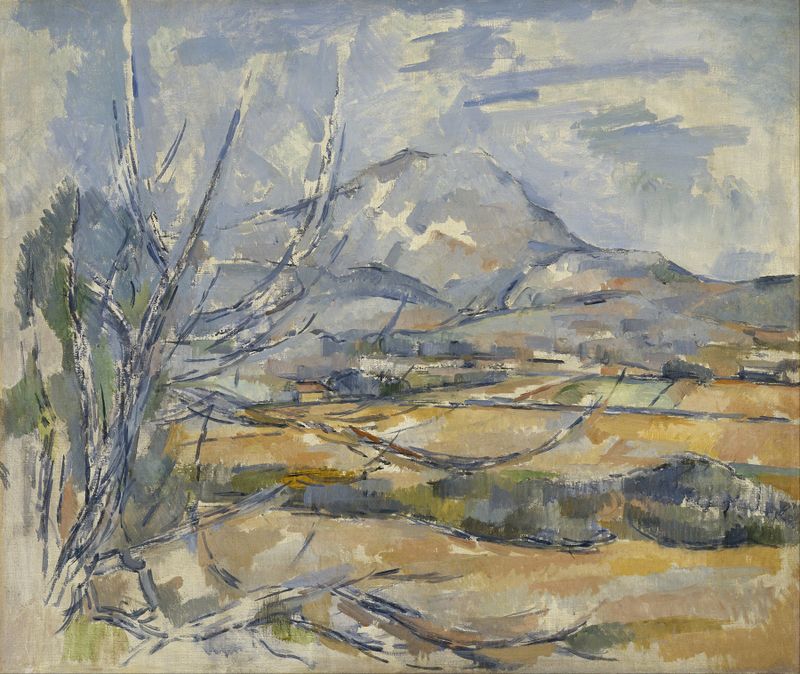
Montagne Sainte-Victoire
Paul Cezanne
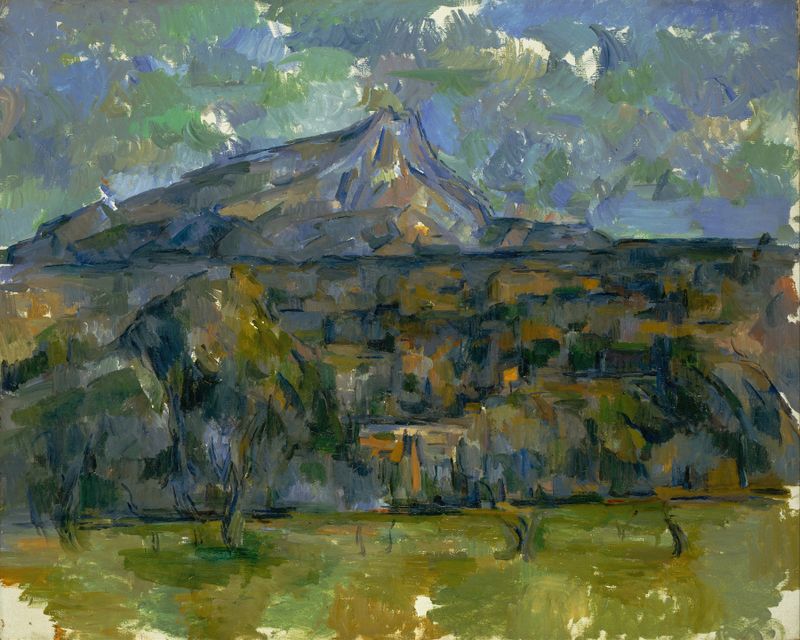
Mont Sainte-Victoire
Paul Cezanne
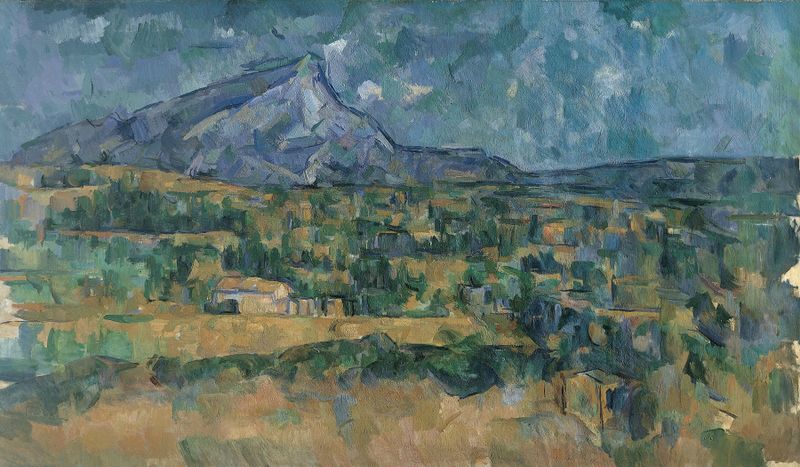
Mont Sainte-Victoire
Paul Cezanne
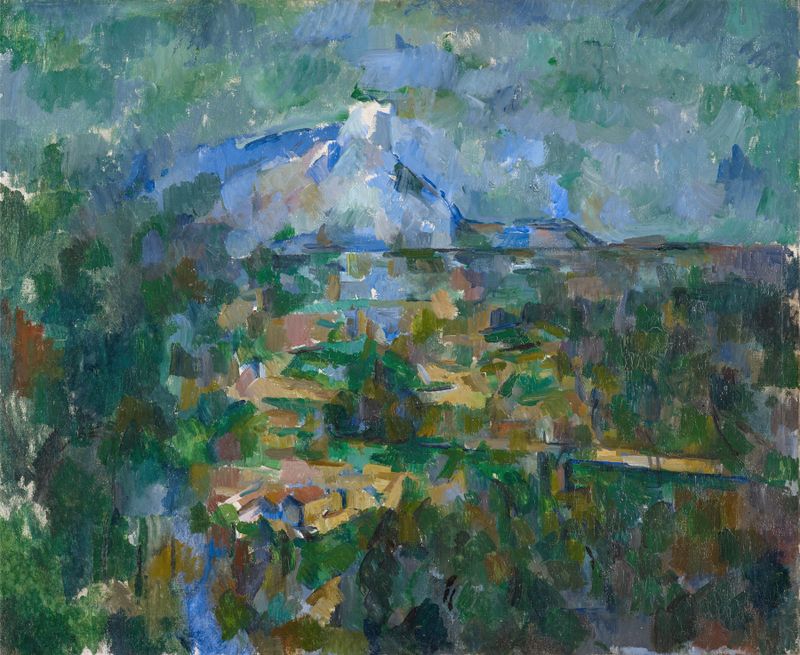
View of Mount Sainte-Victoire from Les Lauves
Paul Cezanne
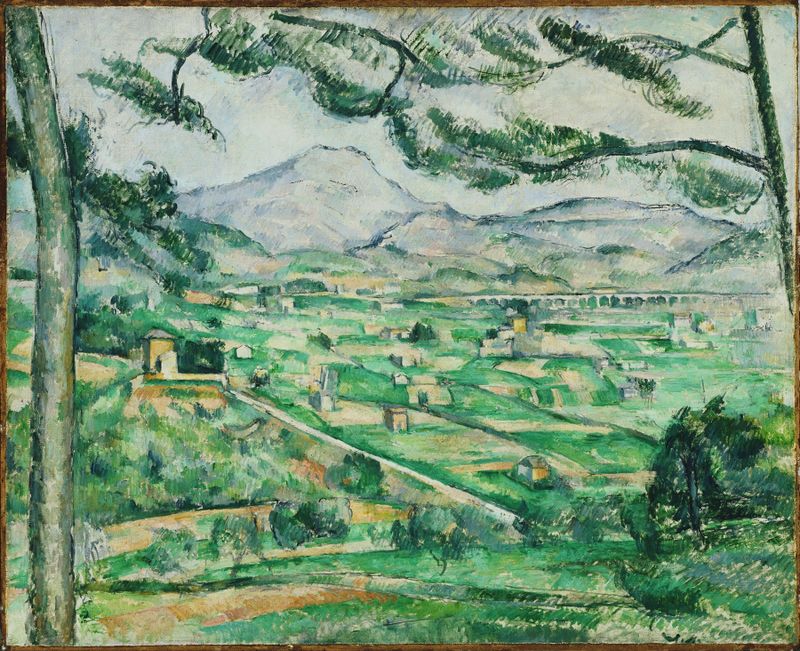
Mont Sainte-Victoire 2
Paul Cezanne

The Basket of Apples
Paul Cezanne

Mount Sainte-Victoire
Paul Cezanne
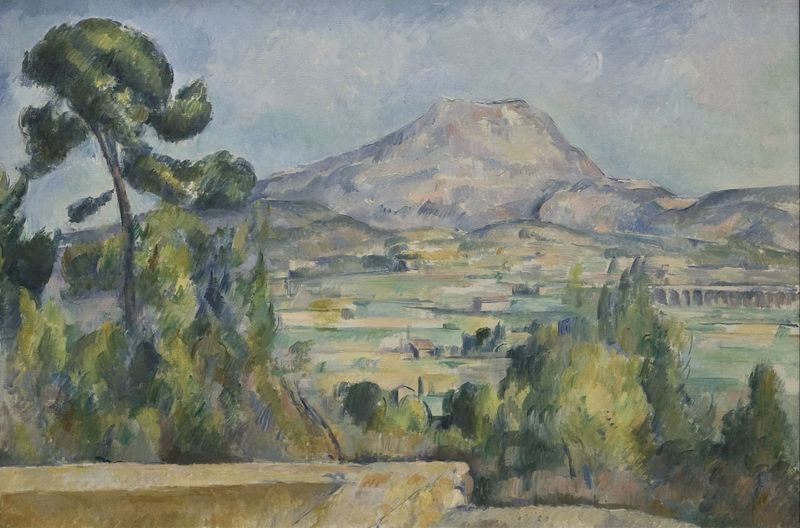
Montagne Saint-Victoire
Paul Cezanne





