
Avaritia (Greed) — History & Facts
In Avaritia (Greed), Jacques Callot presents a striking composition filled with dark and muted colors. The central figure, representing greed, is surrounded by various allegorical elements that symbolize the consequences of avarice. The intricate details of the figures and objects create a sense of chaos and moral decay.
The setting is dark and oppressive, enhancing the theme of greed's destructive nature. This artwork is an etching, a medium that allows for fine detail and texture. The use of line work is meticulous, showcasing Callot's skill in creating depth and dimension. The figures are exaggerated and expressive, emphasizing their emotional states and moral failings.
The overall composition is balanced yet dynamic, drawing the viewer's eye across the piece. Jacques Callot was a French artist known for his etchings and prints, which often depicted social commentary. Avaritia is part of a series that explores the seven deadly sins, making it a significant work in his oeuvre. Interestingly, Callot's work influenced later artists, including those of the Rococo period.
His ability to convey complex themes through simple imagery remains impactful in art history.
More Artworks by Jacques Callot

De verloren zoon als zwijnenhoeder
Jacques Callot
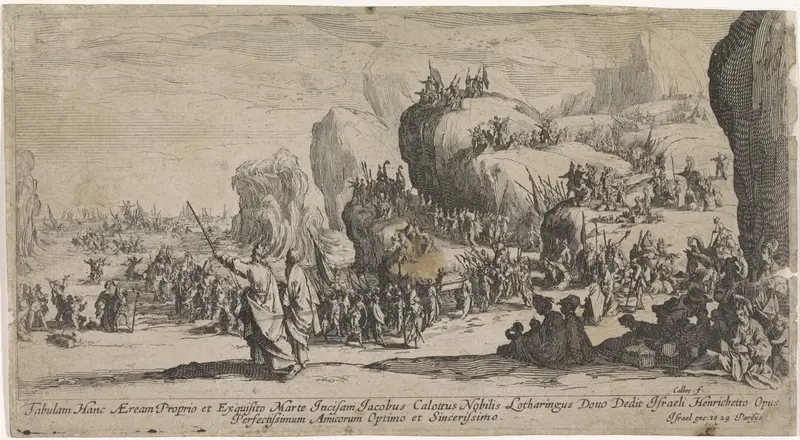
De doortocht door de Rode Zee
Jacques Callot

Kruisiging
Jacques Callot
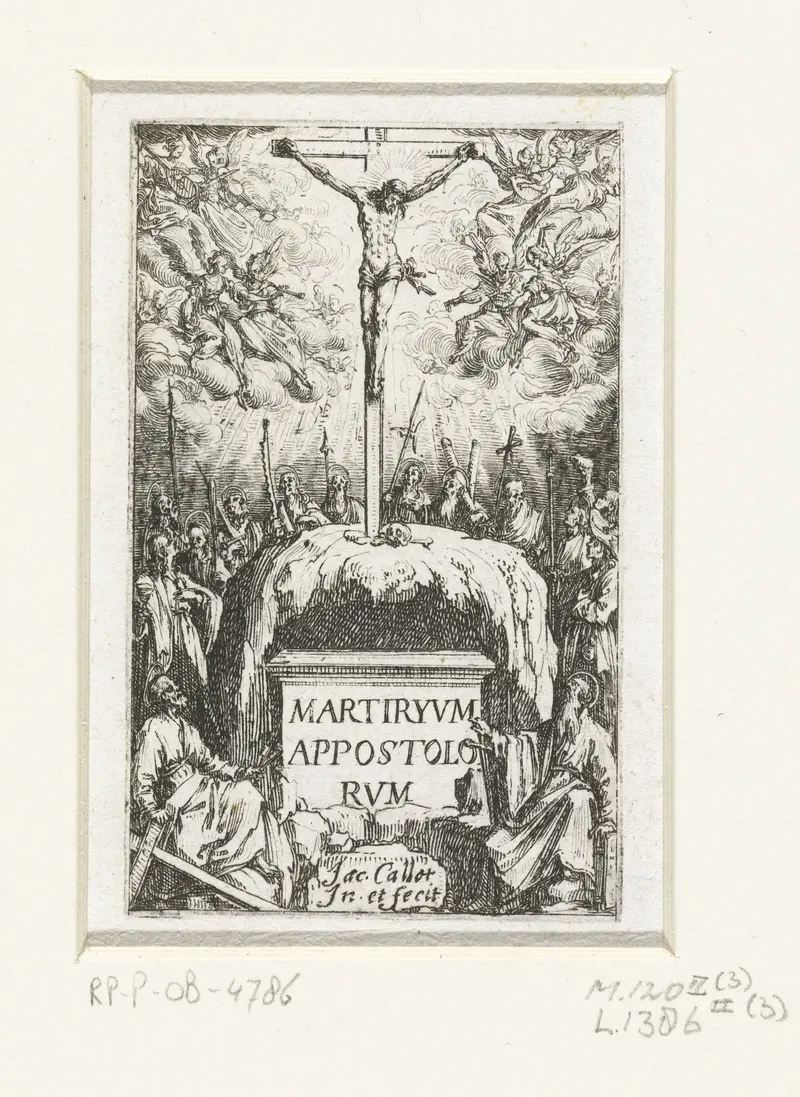
Titelprent voor de prentreeks 'De kleine apostelen' (Het martelaarschap van de apostelen)
Jacques Callot
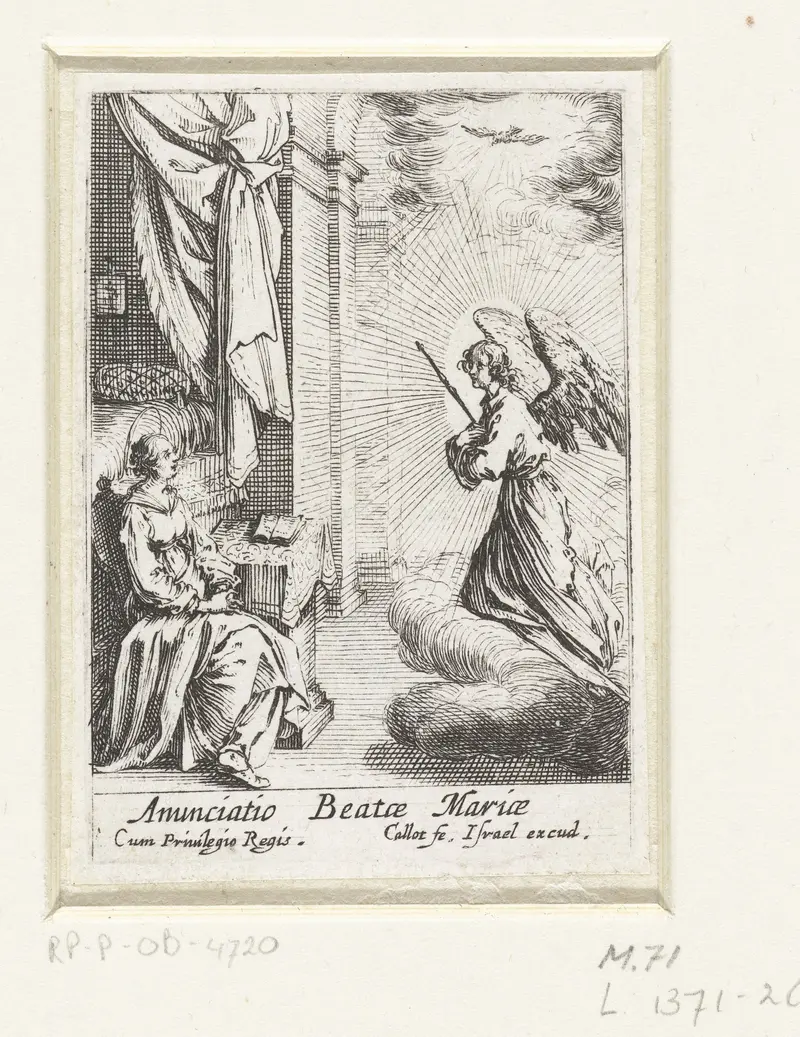
Annunciatie
Jacques Callot
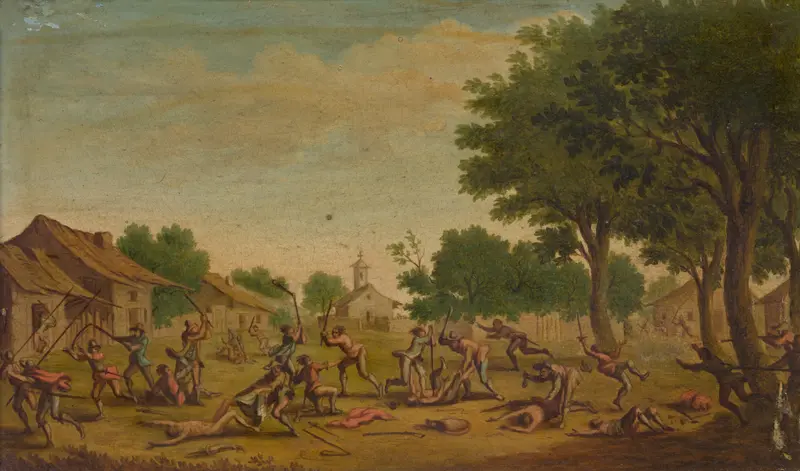
Village Fight
Jacques Callot
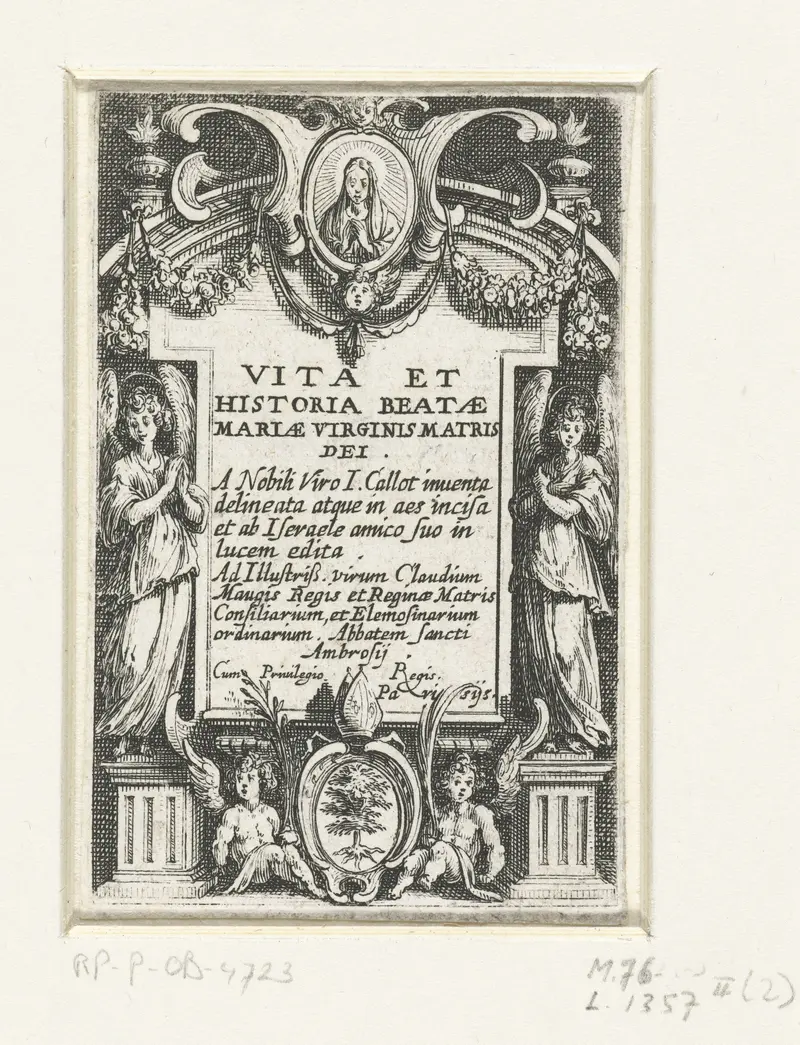
Titelprent voor prentreeks 'Het leven van Maria'
Jacques Callot
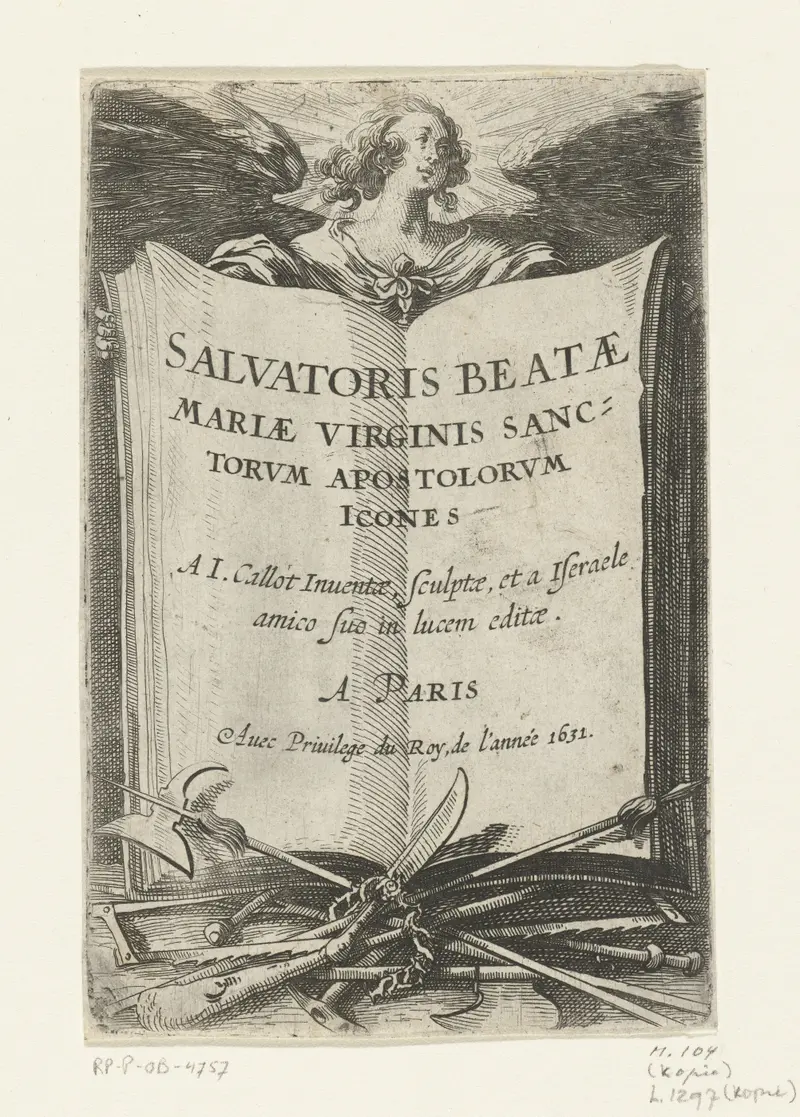
Titelprent voor de prentreeks 'De grote apostelen' (Christus, Maria en de apostelen)
Jacques Callot

Kruisoprichting
Jacques Callot
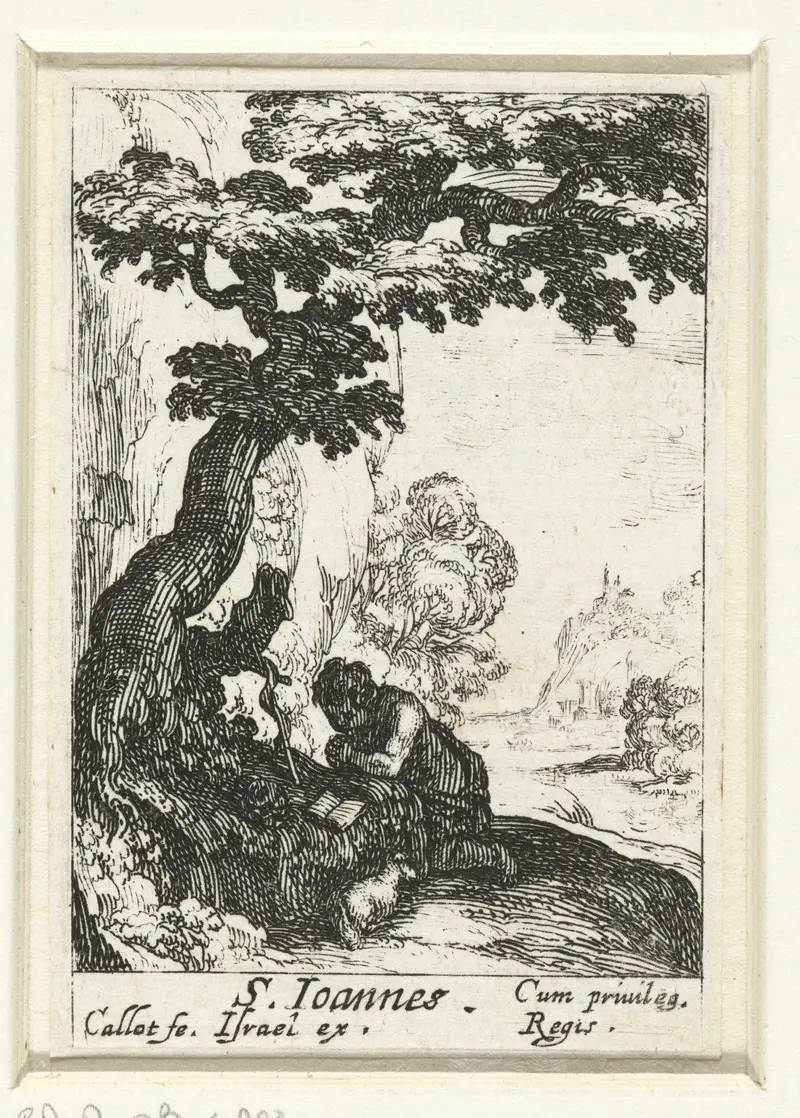
De boetvaardige Johannes de Doper
Jacques Callot





