
Baai van Salerno Golf van Salerno — History & Facts
Could a single brushstroke hold eternity? In Baai van Salerno Golf van Salerno, the essence of decay whispers through the vibrant colors and texture, capturing a fleeting moment that speaks to the passage of time. Focus on the sun-kissed horizon where the sky melts into shades of fiery orange and soft lilac. Notice how the artist’s deft brushwork animates the shimmering waters, with gentle waves reflecting the dying light. Look closely at the coastline, where craggy cliffs cradle the bay, their ruggedness echoing the beauty of impermanence.
Each stroke seems alive, suggesting a world teetering between vitality and dissolution. Delve deeper into the juxtaposition within the painting. The vibrant hues are invigorating, yet they also evoke a sense of nostalgia, reminding us of nature's constant cycles of life and decay. The cliffs, grand yet weathered, symbolize the relentless passage of time, urging the observer to confront their own temporality.
Every detail, from the azure waves lapping at the shore to the serene clouds drifting by, intertwines a sense of tranquility with an underlying urgency. Etienne Bosch painted this piece between 1873 and 1931, a time marked by both personal and artistic transformation. Living in a period where Impressionism was reshaping the artistic landscape, he sought to capture the luminosity of nature while contemplating its transience. As society grappled with change, his work becomes a meditation on the eternal within the ephemeral, reflecting both the artist’s introspective nature and the world around him.
More Artworks by Etienne Bosch
Browse all →
Gezicht op de achterkant van de Notre Dame in Parijs Notre Dame
Etienne Bosch
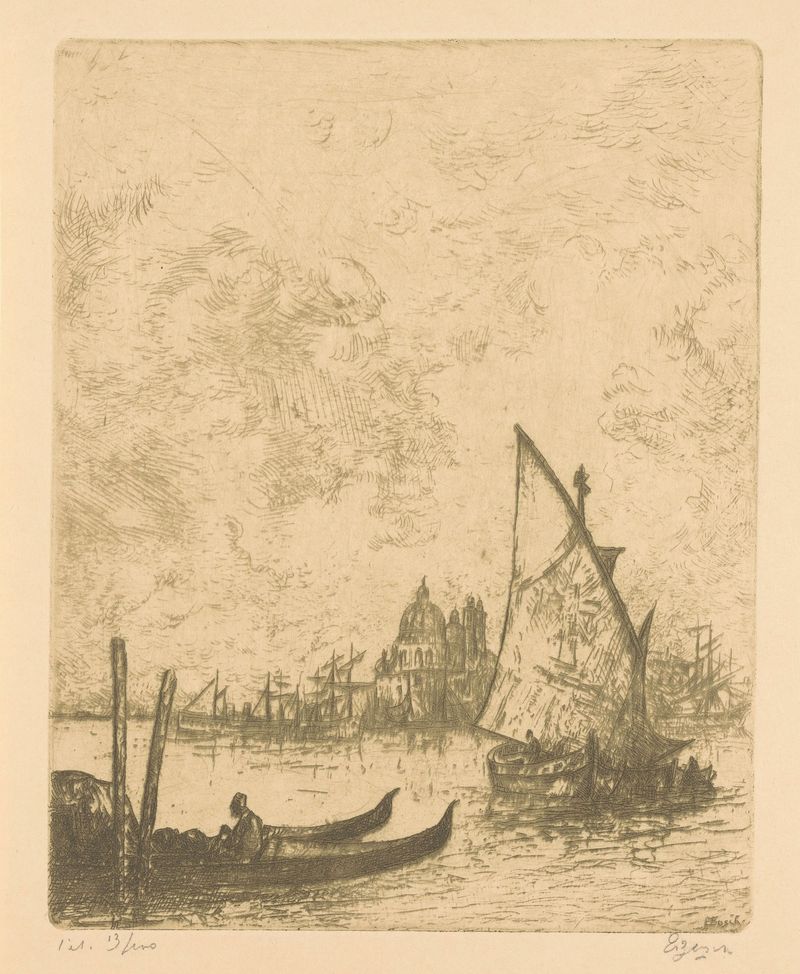
Venetië
Etienne Bosch

Amsterdamse poort te Haarlem
Etienne Bosch

Le Palatin Rome
Etienne Bosch

Landschap bij Rome
Etienne Bosch
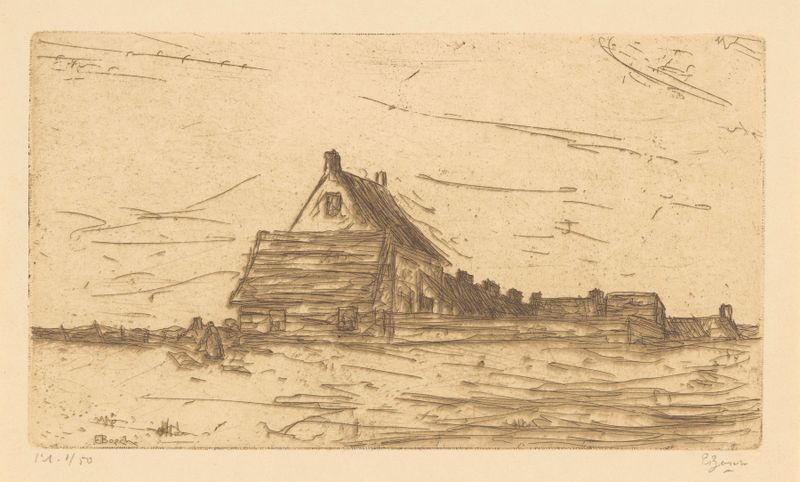
Boerenwoning
Etienne Bosch

Scheveningen
Etienne Bosch
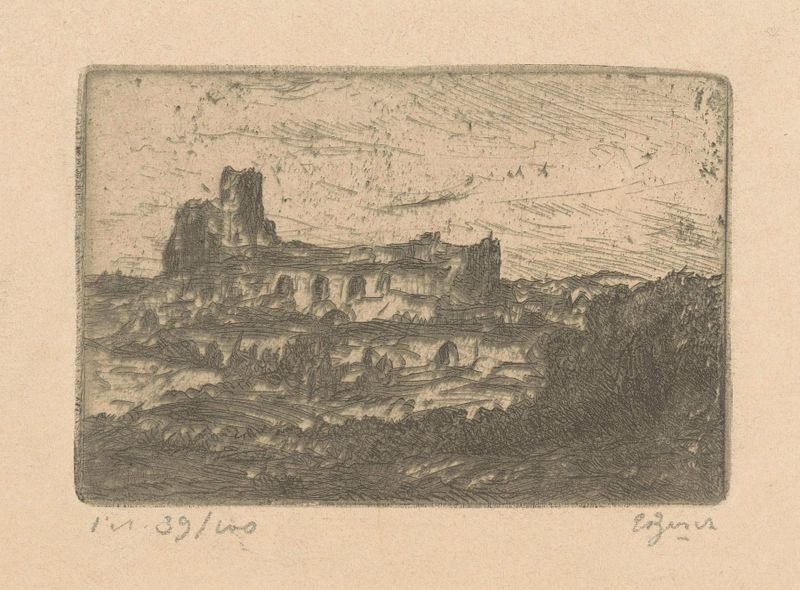
Ruïne Rome
Etienne Bosch
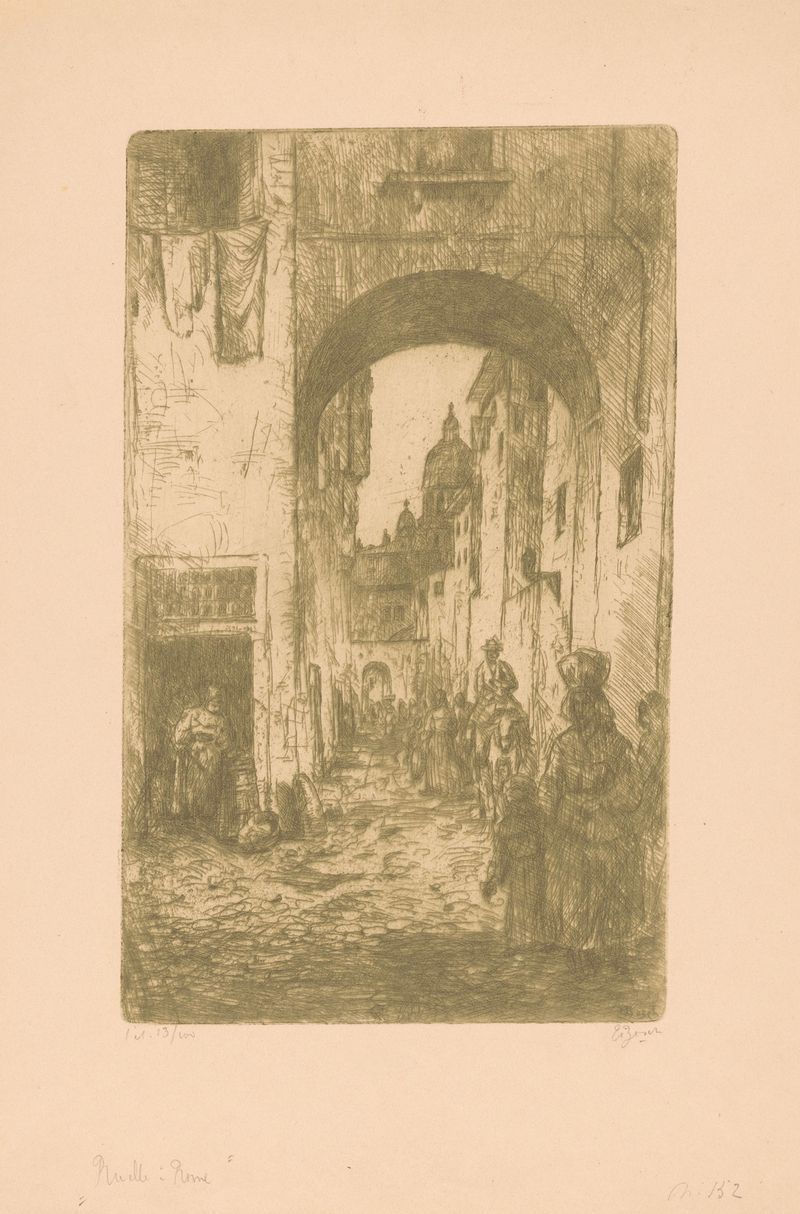
Ruelle, Rome
Etienne Bosch
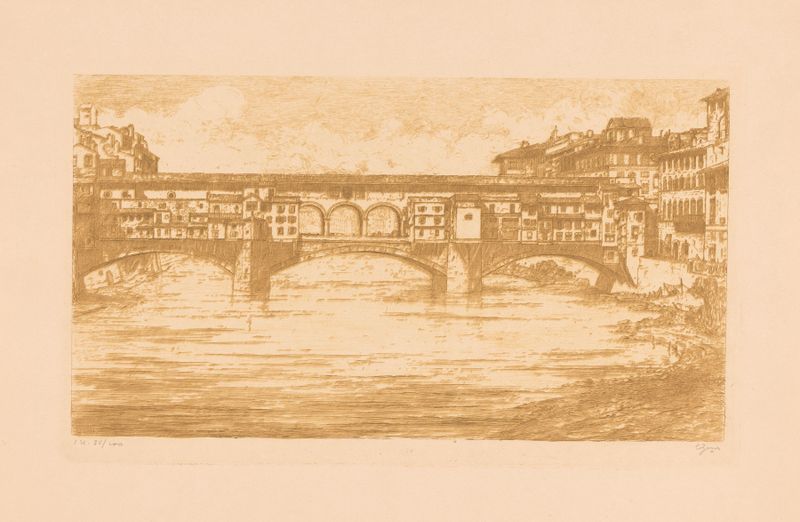
Ponte Vecchio in Florence
Etienne Bosch





