
Baby Reaching for an Apple — History & Facts
When Baby Reaching for an Apple was first exhibited in 1893, it drew attention for its bold, intimate focus on the daily rituals of motherhood—a subject that Mary Cassatt had made her own. By this point, Cassatt was already celebrated in Paris as the only American to exhibit with the Impressionists, but it was her unsentimental, quietly radical portrayals of women and children that set her apart. Critics noted the freshness of her approach: rather than idealizing childhood, she captured its curiosity and awkward grace.
This painting, with its simple domestic scene, became a touchstone for discussions about the changing roles of women and children in late 19th-century society. At the heart of the composition, a chubby-handed baby stretches eagerly toward a bright apple, her mother’s gentle grip steadying her from behind. Cassatt chooses the instant of anticipation—the apple just out of reach, the baby’s gaze fixed with determination, the mother’s expression unreadable but attentive. The apple, a classic symbol of knowledge and desire, takes on new meaning here: it is both a treat and a lesson, a moment of learning and trust.
The loose, visible brushwork and soft daylight recall the influence of Degas, Cassatt’s friend and mentor, but where Degas often painted women in public or at work, Cassatt draws us into the private, tactile world of home. The result is a scene that feels both ordinary and quietly revolutionary. The precise medium of Baby Reaching for an Apple remains uncertain, though Cassatt worked frequently in oil and pastel during this period. Like many of her works, it was likely intended for exhibition in Paris or for sale to the growing circle of American collectors who admired her modern vision.
While the painting’s early provenance is not fully documented, it reflects the artist’s mature style—marked by a focus on maternal themes and a confident, Impressionist touch. Today, it stands as a testament to Cassatt’s lifelong commitment to portraying the realities of women’s lives, and it continues to inspire new generations of viewers and artists alike.
More Artworks by Mary Cassatt

The Child's Bath
Mary Cassatt
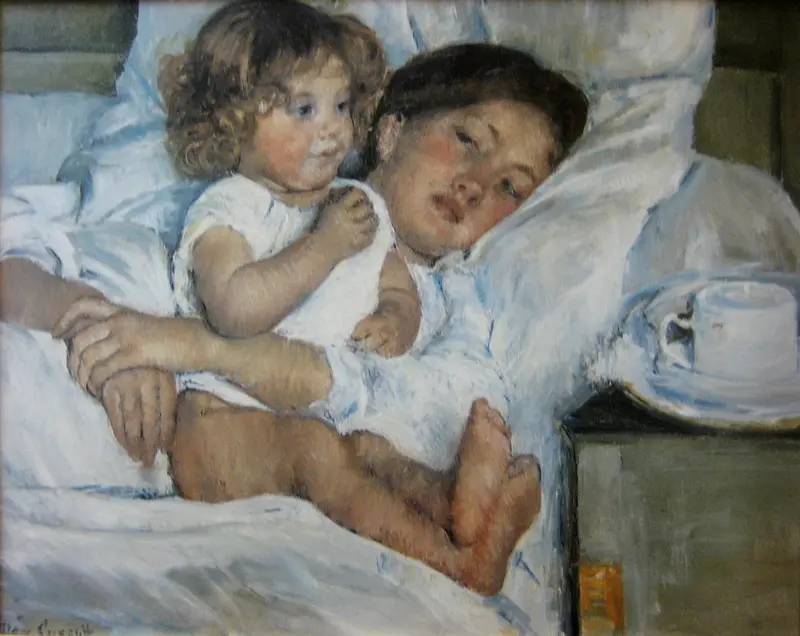
Breakfast in Bed
Mary Cassatt

Mother and Child (Baby Getting Up from His Nap)
Mary Cassatt
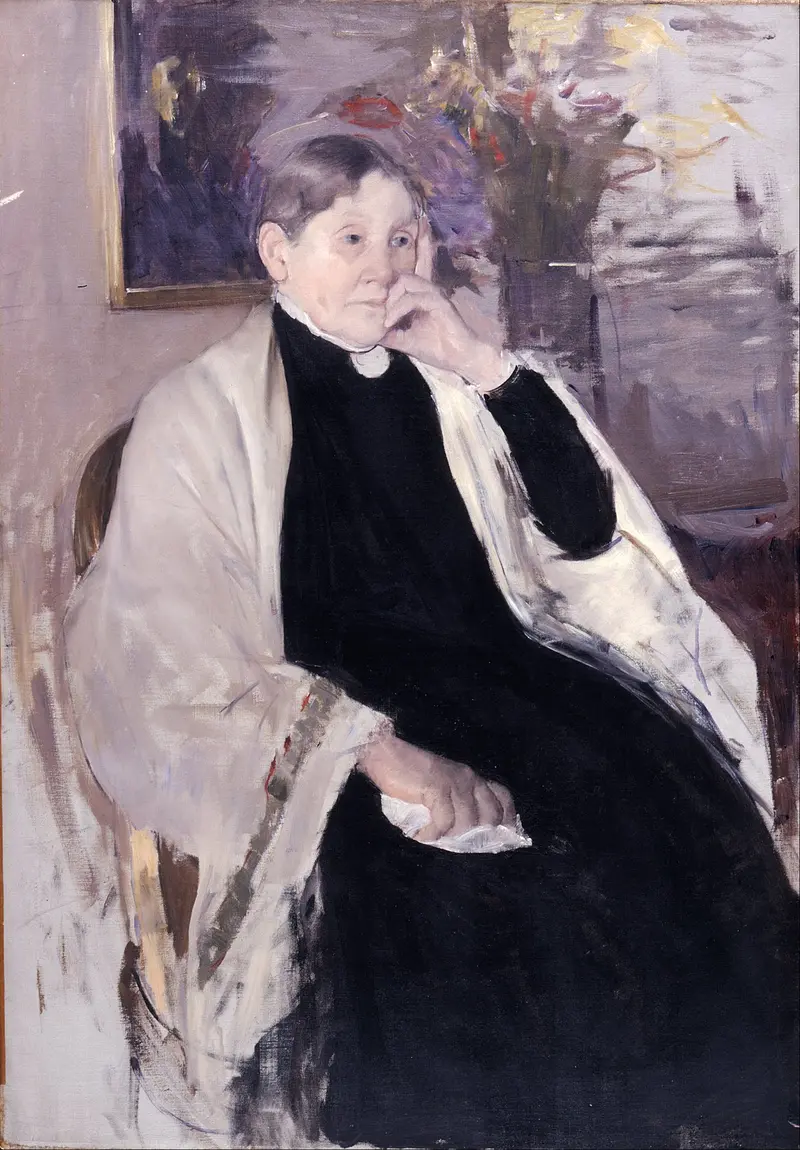
Mrs. Robert S. Cassatt, the Artist's Mother
Mary Cassatt
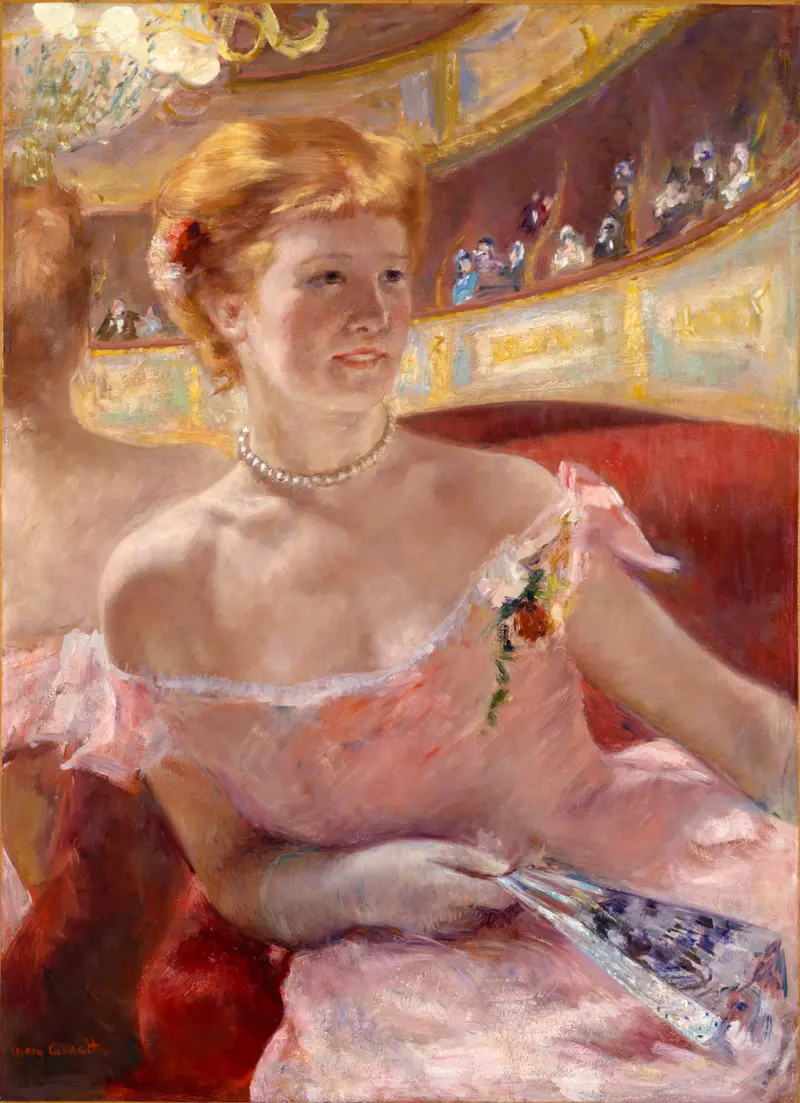
Woman with a Pearl Necklace in a Loge
Mary Cassatt
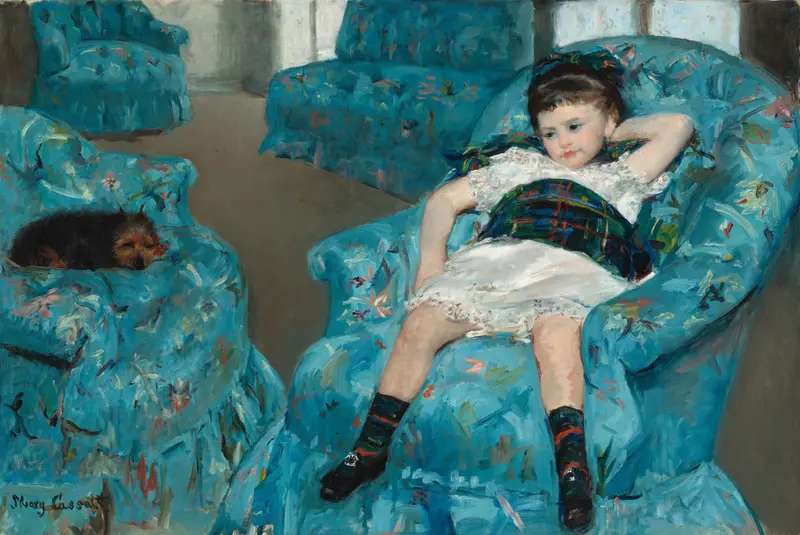
Little Girl in a Blue Armchair
Mary Cassatt
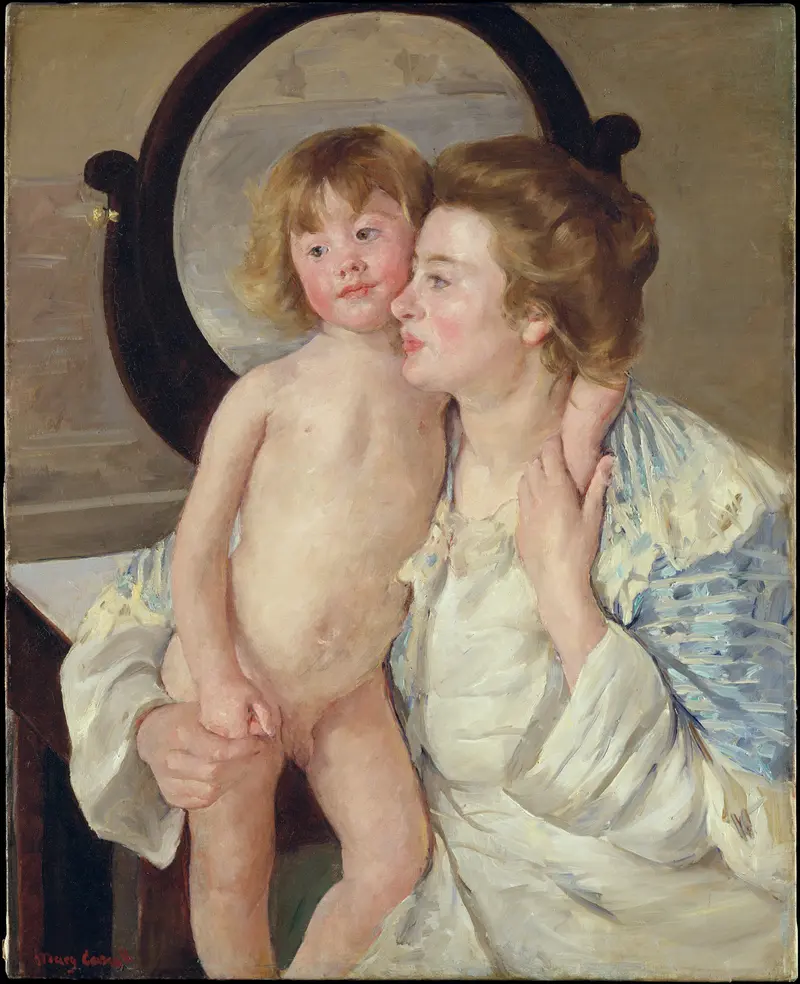
Mother and Child (The Oval Mirror)
Mary Cassatt
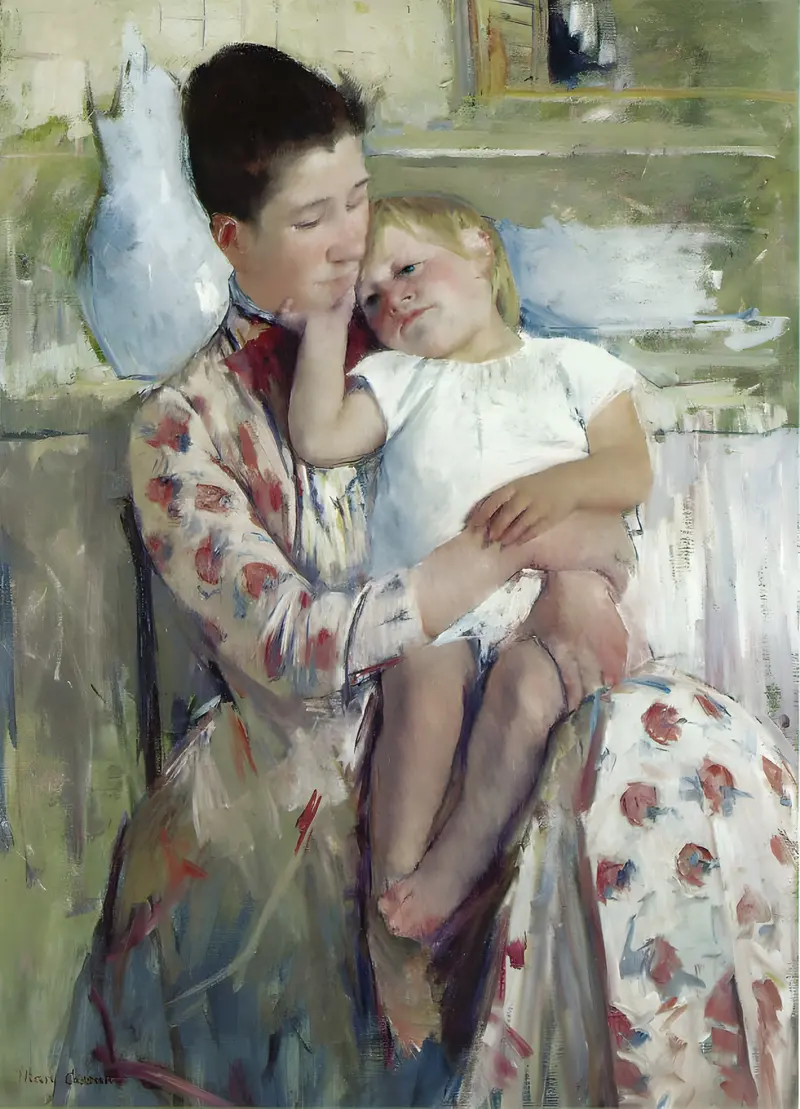
Mother and Child
Mary Cassatt
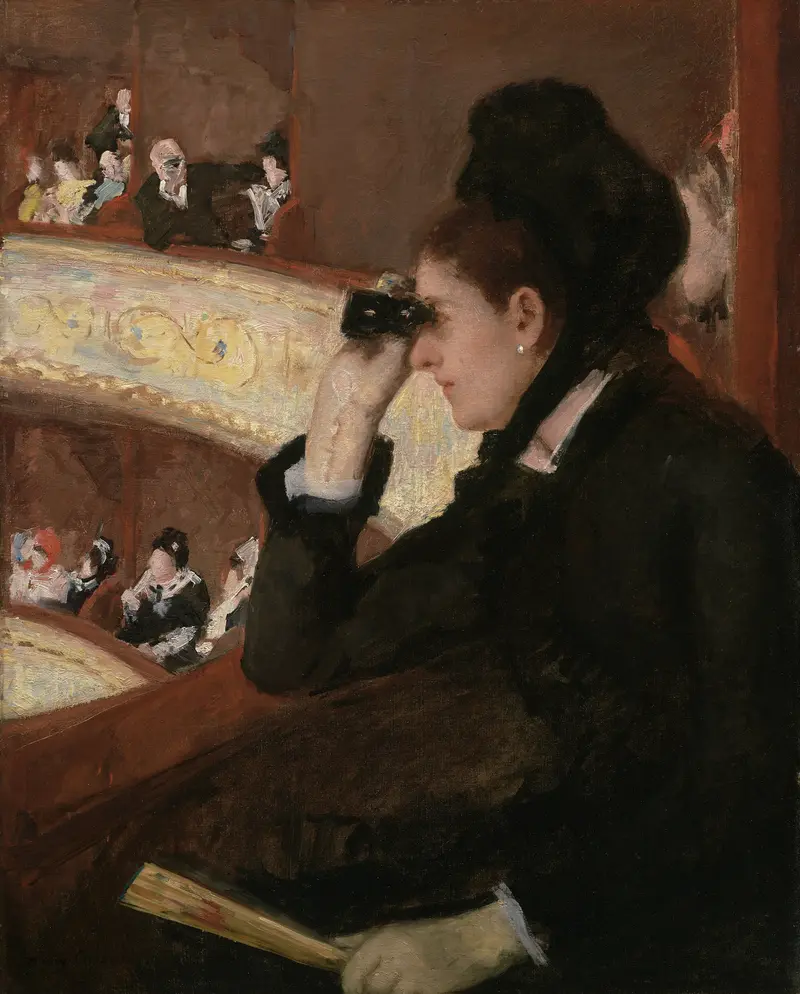
In The Loge
Mary Cassatt
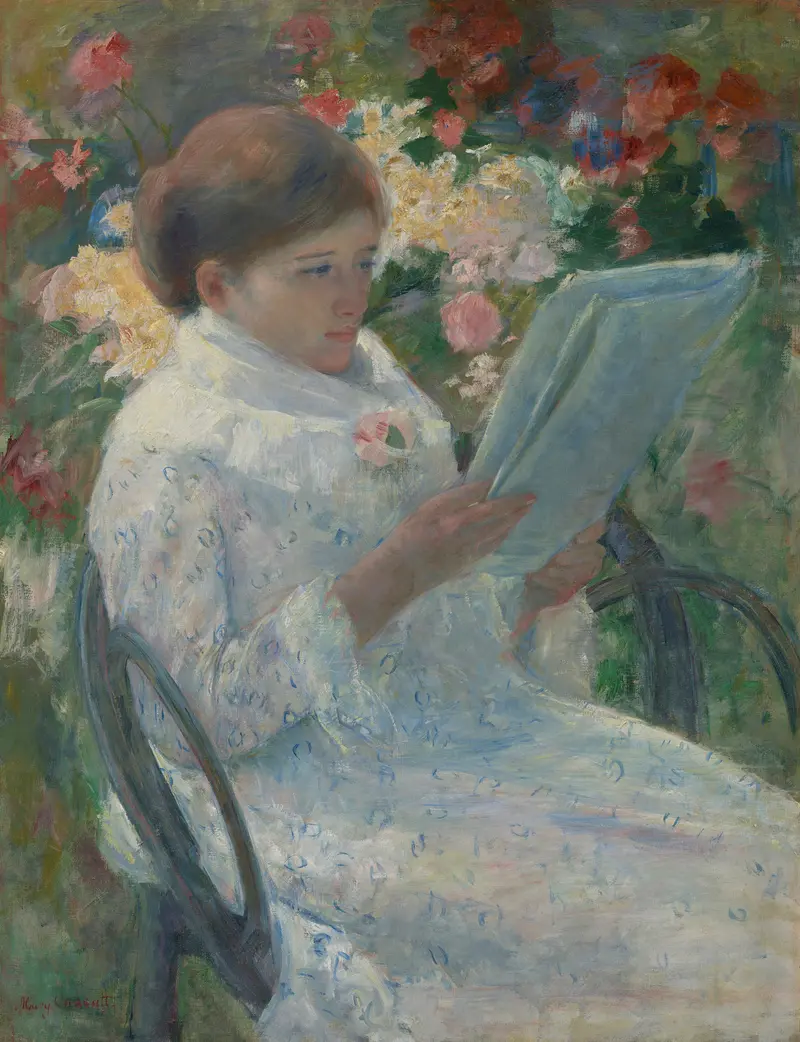
On a Balcony
Mary Cassatt
More Genre Scene Art

Banquet of the Officers of the St George Civic Guard
Frans Hals

Rembrandt and Saskia in the Scene of the Prodigal Son
Rembrandt van Rijn

Bal du moulin de la Galette
Pierre-Auguste Renoir

Quadrille at the Moulin Rouge
Henri de Toulouse-Lautrec

A Burial at Ornans
Gustave Courbet

When Will You Marry?
Paul Gauguin