
Babylone d’Allemagne — History & Facts
In Babylone d’Allemagne, vibrant colors dominate the canvas, with deep reds and yellows creating a lively atmosphere. The figures are depicted in various poses, suggesting movement and energy. The setting appears to be a bustling Parisian nightlife scene, filled with patrons enjoying themselves.
Toulouse-Lautrec captures the essence of the late 19th-century Parisian cabaret culture. The painting is executed in oil on canvas, a medium that allows for rich color application and texture. Viewers can observe Toulouse-Lautrec's characteristic brushwork, which combines bold strokes with fine details. The dimensions are approximately 80 x 100 cm, making it a sizable work that draws attention.
The composition is dynamic, with figures arranged in a way that leads the eye throughout the scene. Henri de Toulouse-Lautrec was known for his depictions of Parisian nightlife, and Babylone d’Allemagne is a prime example of his focus on this subject. This work reflects the vibrant culture of cabarets and dance halls in the 1890s. An interesting fact about this painting is that it showcases the artist's ability to convey the energy and excitement of nightlife through color and form.
Toulouse-Lautrec's unique perspective is evident in his portrayal of the human figure and social interactions.
More Artworks by Henri de Toulouse-Lautrec
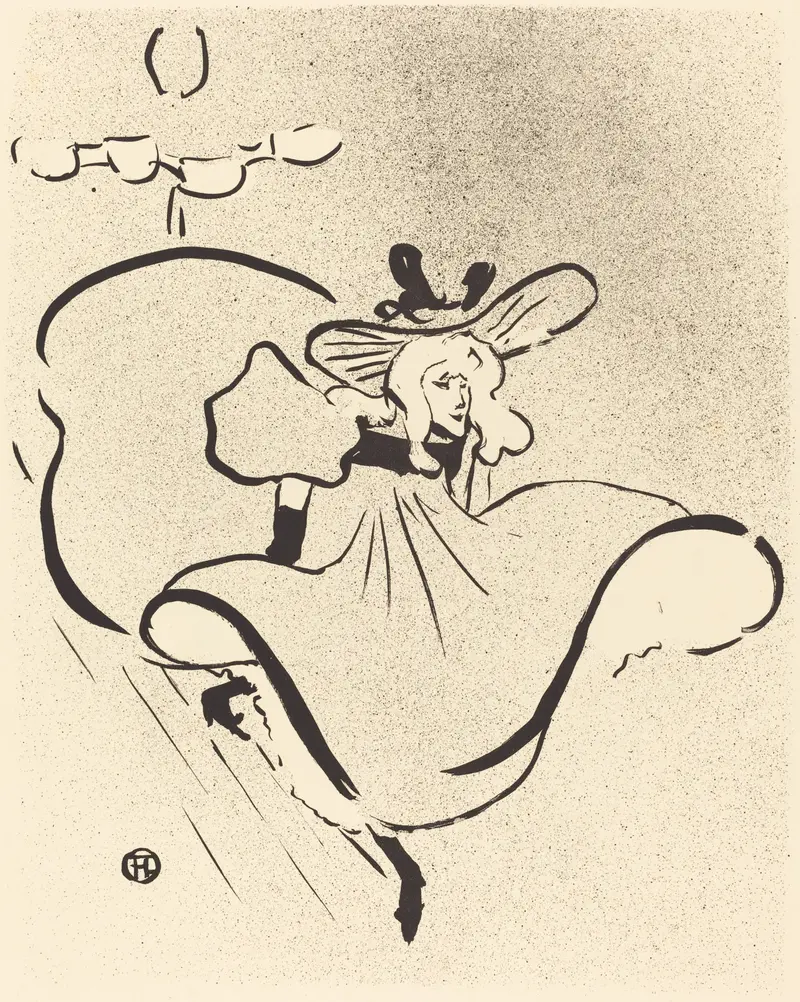
Jane Avril
Henri de Toulouse-Lautrec
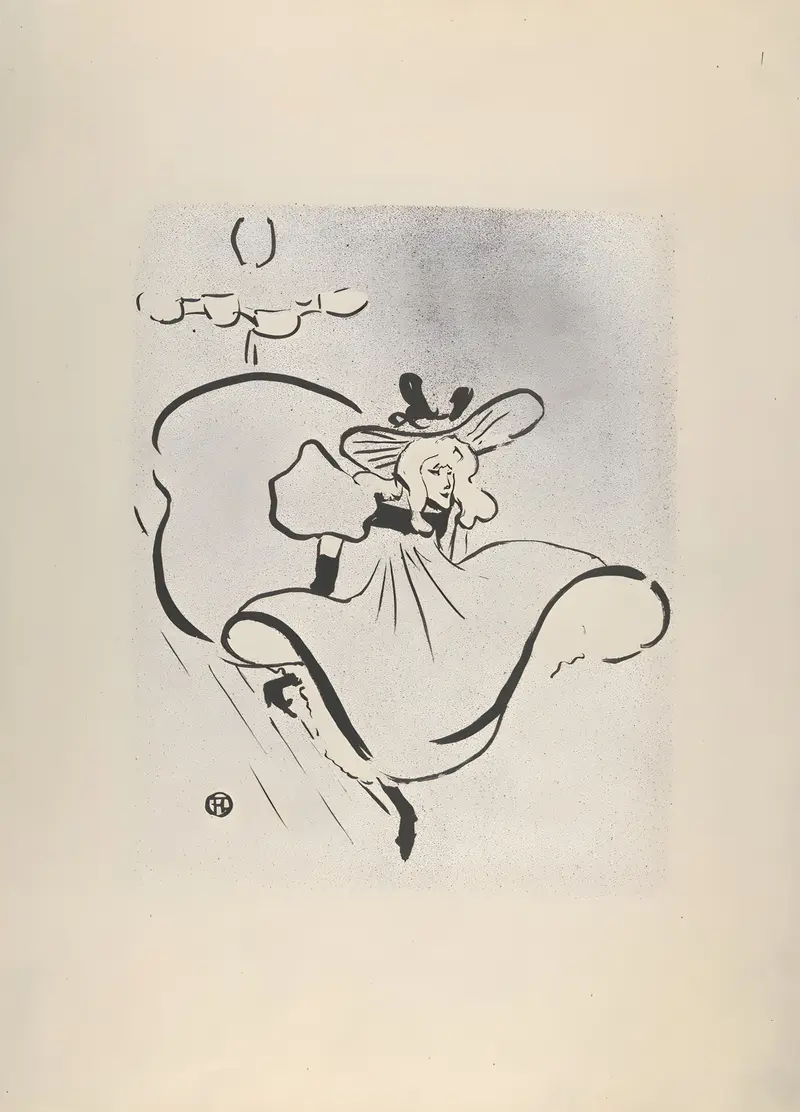
Jane Avril.
Henri de Toulouse-Lautrec

Quadrille at the Moulin Rouge
Henri de Toulouse-Lautrec
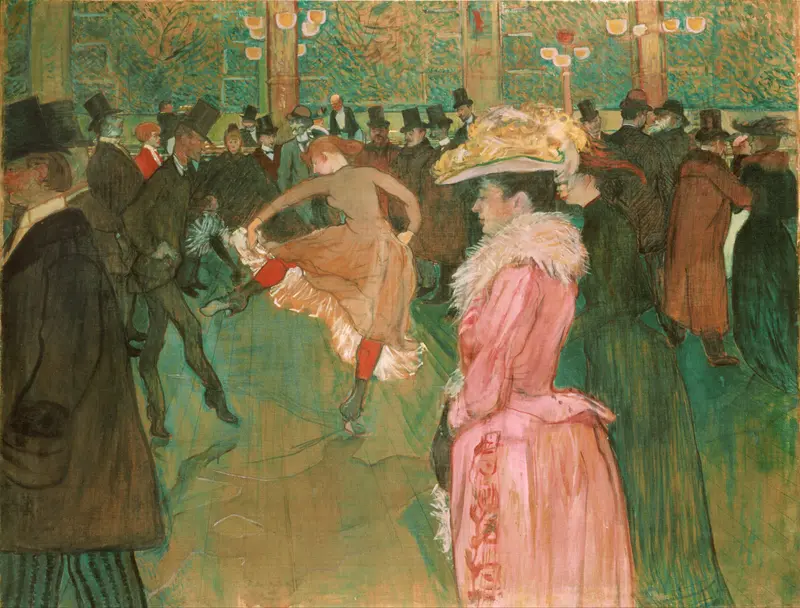
At the Moulin Rouge- The Dance
Henri de Toulouse-Lautrec
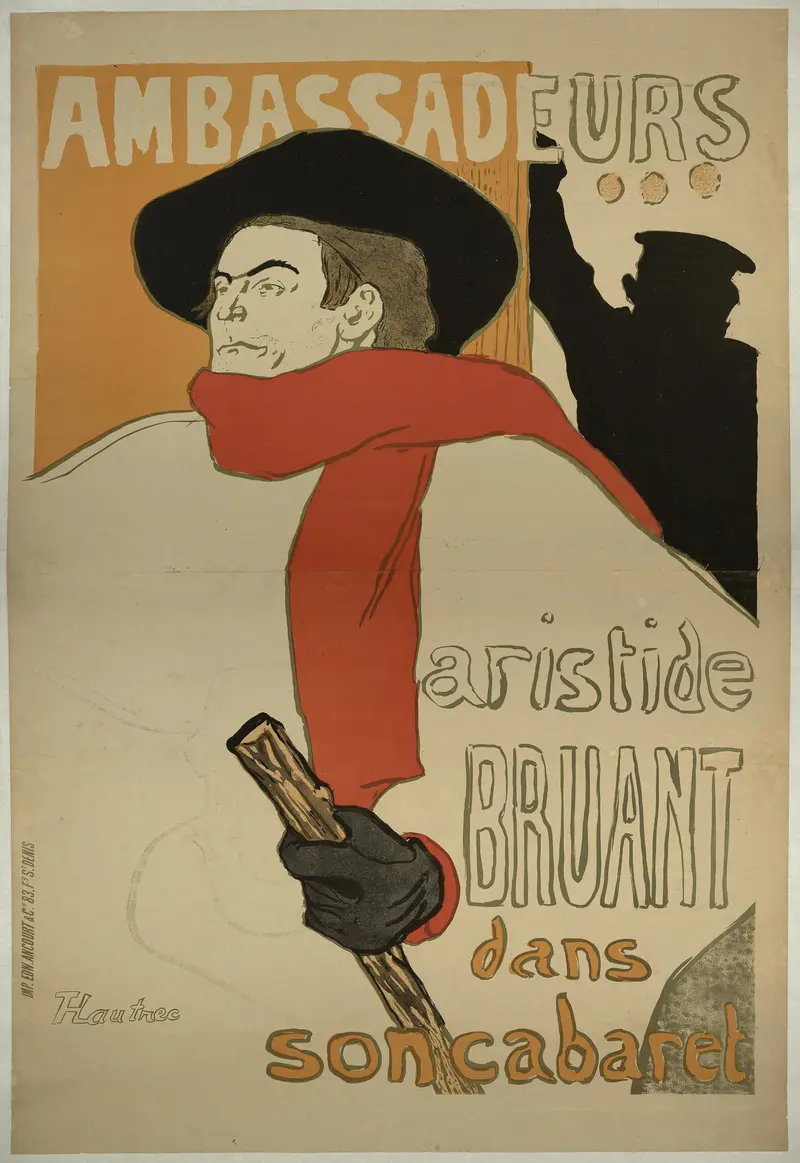
Ambassadeurs. Aristide Bruant dans son cabaret
Henri de Toulouse-Lautrec
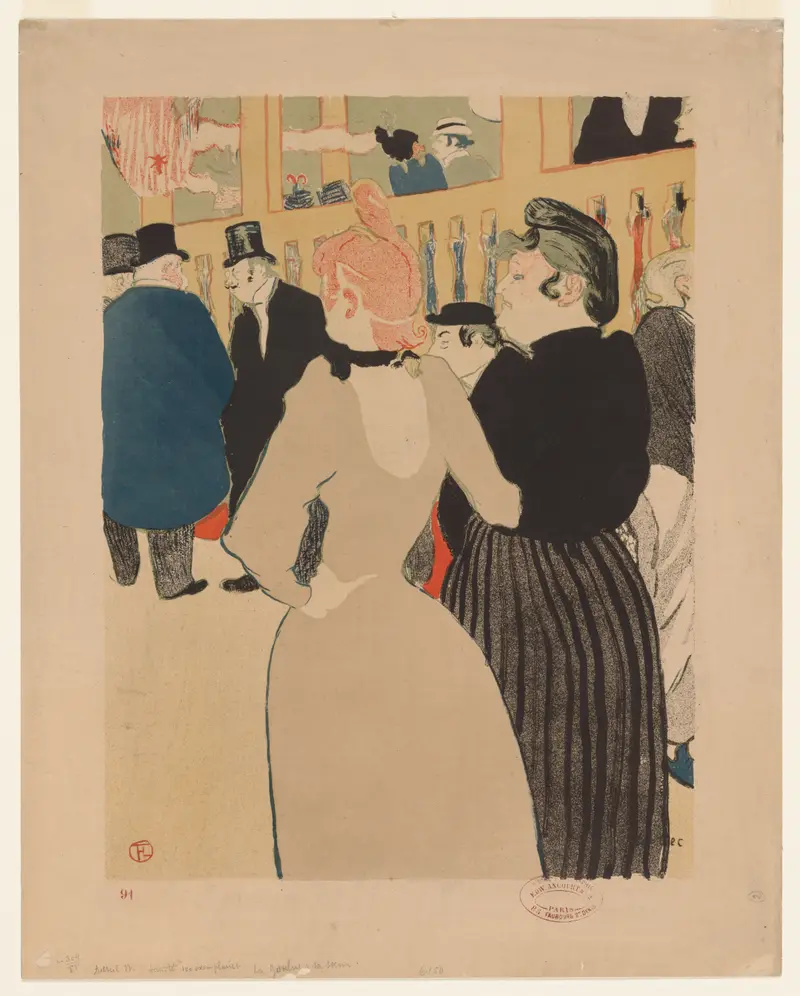
At the Moulin Rouge; La Goulue and Her Sister
Henri de Toulouse-Lautrec
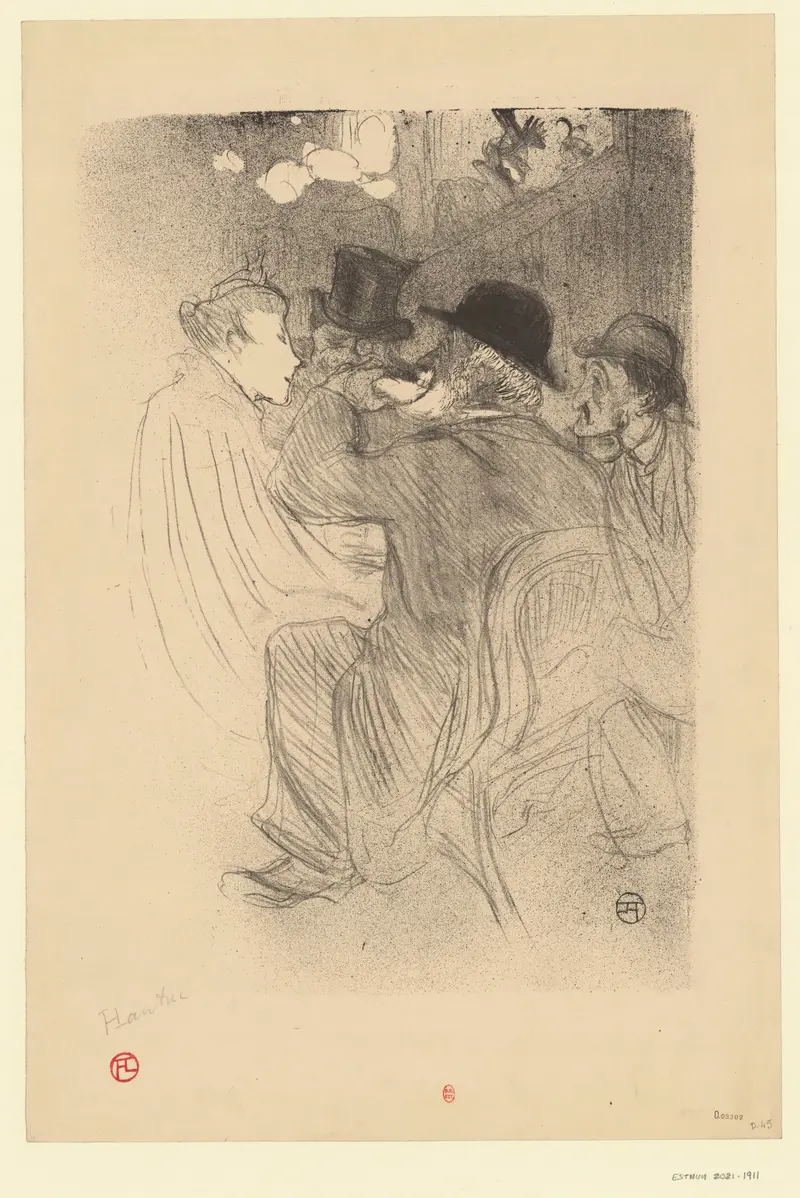
Au Moulin Rouge;Un Rude! Un Vrai Rude!
Henri de Toulouse-Lautrec
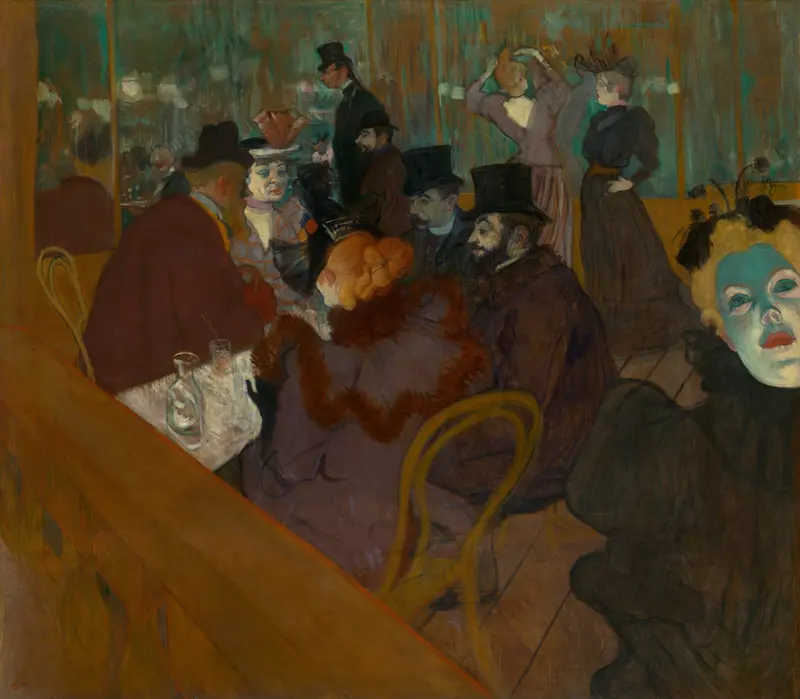
At the Moulin Rouge
Henri de Toulouse-Lautrec
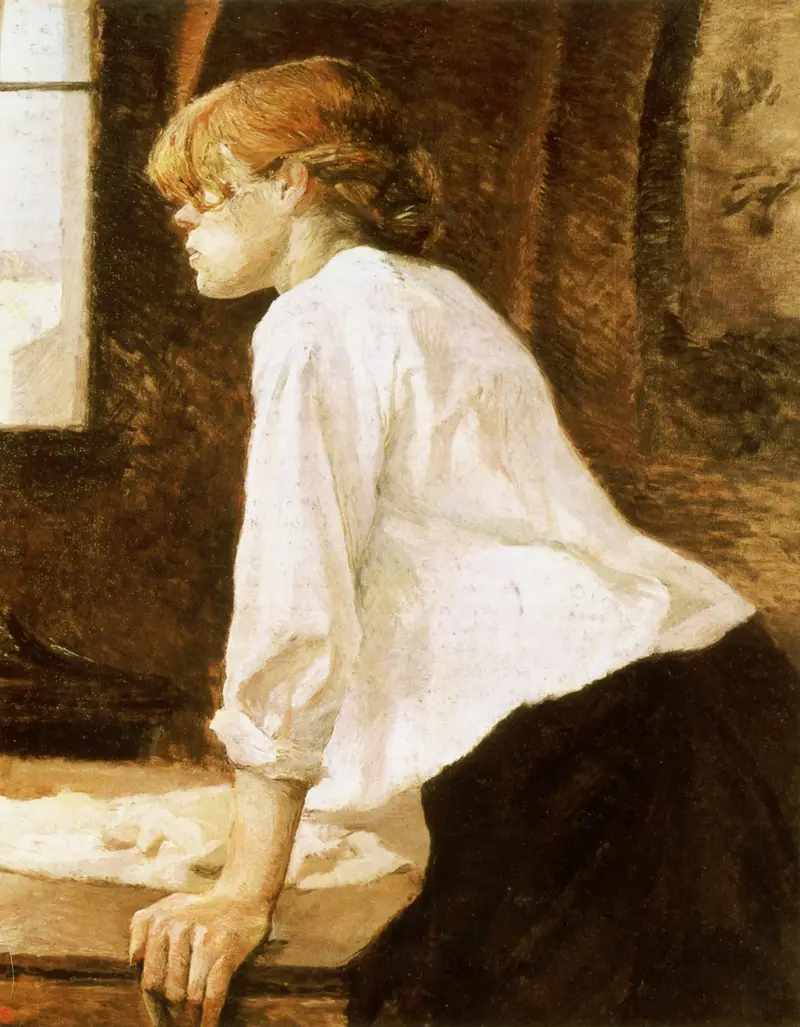
La Blanchisseuse
Henri de Toulouse-Lautrec
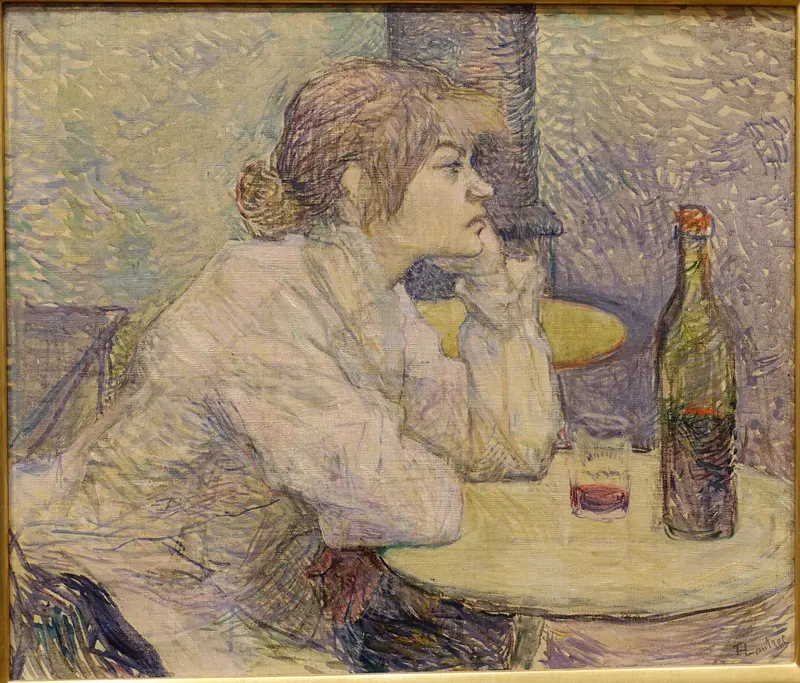
The Hangover (Suzanne Valadon)
Henri de Toulouse-Lautrec
More Genre Scene Art

Banquet of the Officers of the St George Civic Guard
Frans Hals

Rembrandt and Saskia in the Scene of the Prodigal Son
Rembrandt van Rijn

Bal du moulin de la Galette
Pierre-Auguste Renoir
Quadrille at the Moulin Rouge
Henri de Toulouse-Lautrec

A Burial at Ornans
Gustave Courbet

When Will You Marry?
Paul Gauguin