
Bacchanale d'enfants — History & Facts
When Bacchanale d'enfants appeared in Rome in 1626, it marked one of the earliest known instances of Nicolas Poussin tackling the theme of bacchanalian revels—a subject that would become central to his mature work. What makes this painting especially intriguing is its playful inversion: instead of adults, Poussin fills the scene with children, a choice that both delighted and puzzled his contemporaries. The painting’s early fame was such that it was copied and imitated by several artists, and even inspired engravings, spreading its lively imagery across Europe. At the heart of the scene, a raucous band of children tumbles and dances around a toppled wine vessel, their chubby limbs tangled in a joyous, chaotic round.
Grapevines and garlands crown their heads, and some clutch miniature thyrsi—the staff of Bacchus—while others play pipes or gnaw on fruit. The moment Poussin selects is one of wild abandon, yet he arranges the figures with the careful structure of a classical frieze. The spilled wine and broken vessels allude to the loss of innocence and the dangers of excess, even in play.
Unlike Titian’s more sensual adult bacchanals, Poussin’s children parody adult rituals, inviting viewers to reflect on both the innocence and folly of human nature. The painting’s early history is not fully documented, but it is believed to have been created during Poussin’s first years in Rome, likely for a private collector fascinated by mythological themes. Over the centuries, Bacchanale d’enfants has passed through several collections, its attribution to Poussin occasionally questioned but now firmly established by scholars. Today, it stands as a testament to the artist’s inventive spirit and his engagement with both classical antiquity and the exuberance of youth.
The work’s lively composition and unusual subject matter mark an important step in the development of the Baroque style in France and Italy, and it remains a favorite among those who seek the playful side of myth.
More Artworks by Nicolas Poussin

Spring
Nicolas Poussin
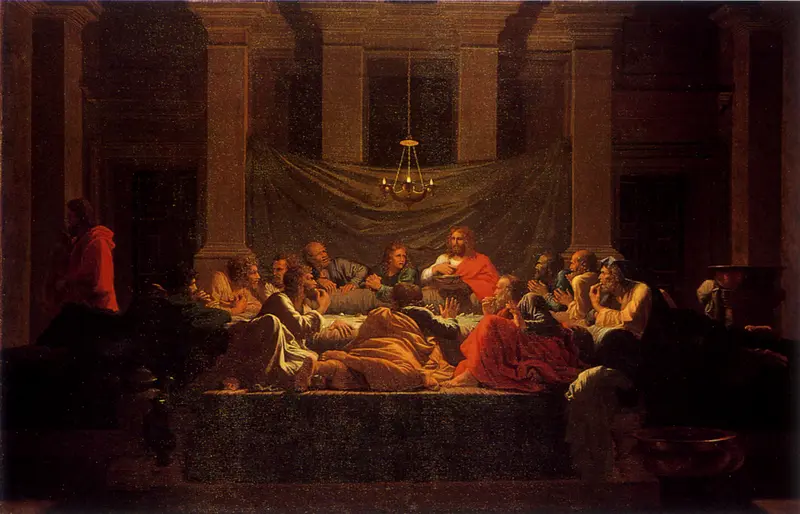
The Sacrament of the Holy Eucharist
Nicolas Poussin
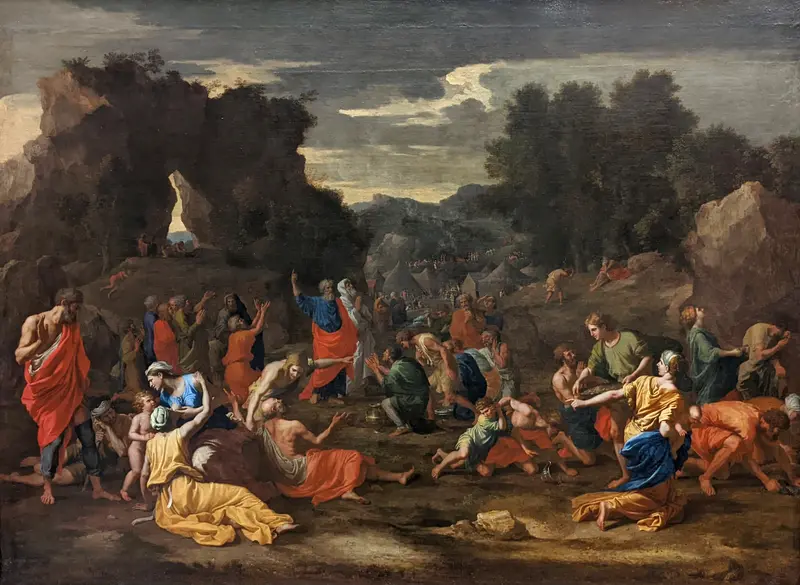
The Israelites gathering Manna in the Desert
Nicolas Poussin
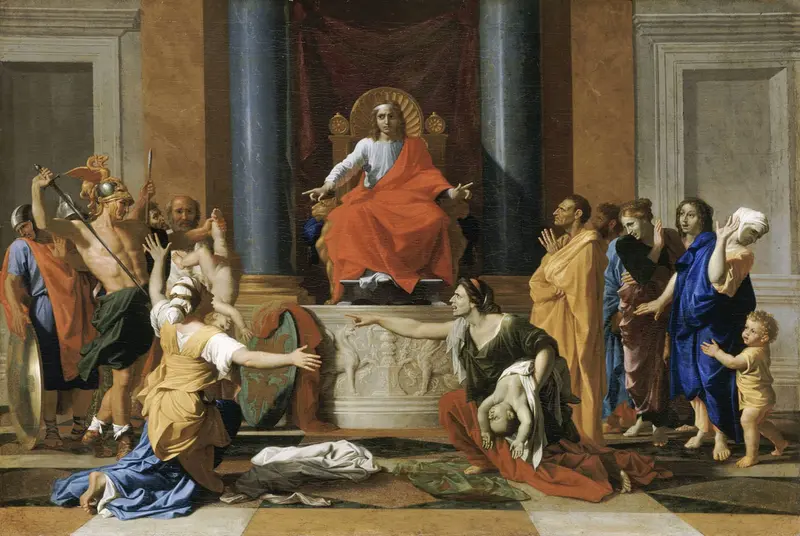
The Judgment of Solomon
Nicolas Poussin
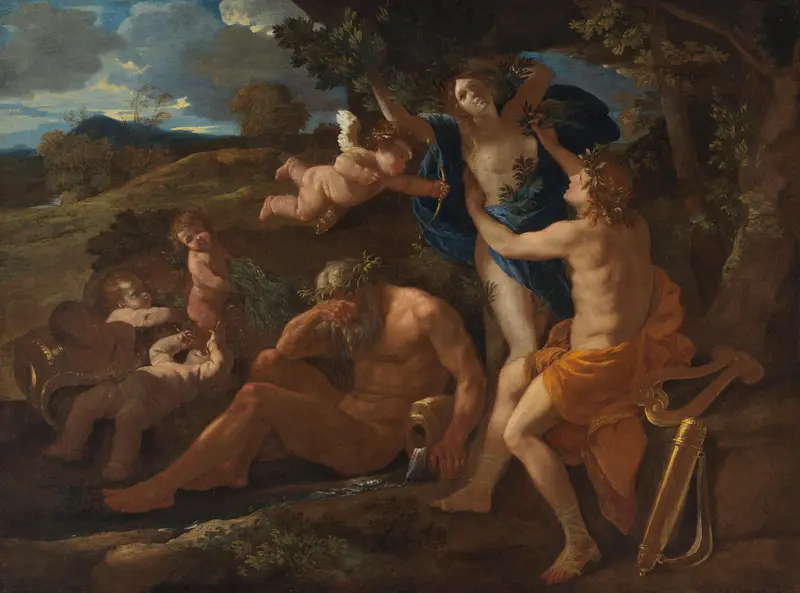
Apollo and Daphne
Nicolas Poussin

The Nurture of Jupiter
Nicolas Poussin

Ordination
Nicolas Poussin
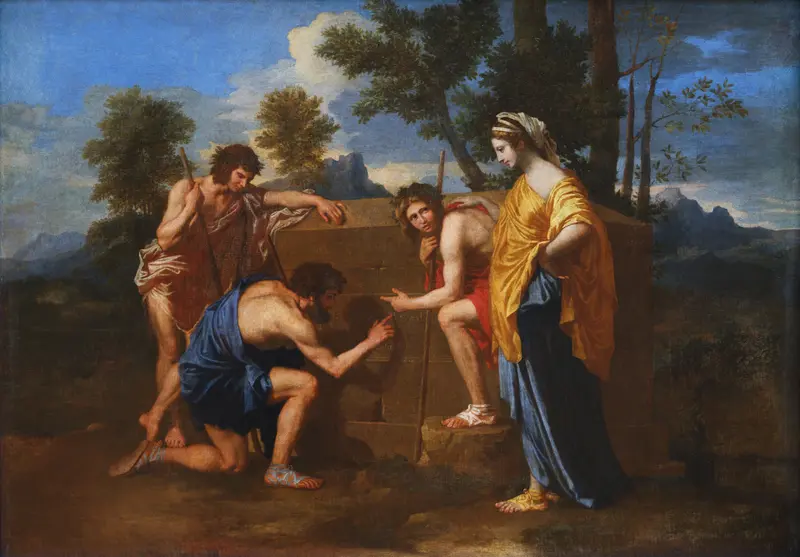
Et in Arcadia ego
Nicolas Poussin
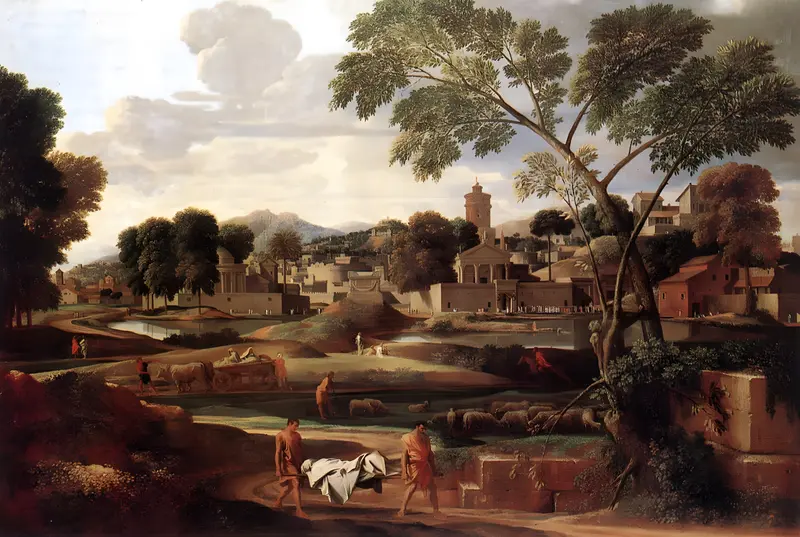
The Funeral of Phocion
Nicolas Poussin
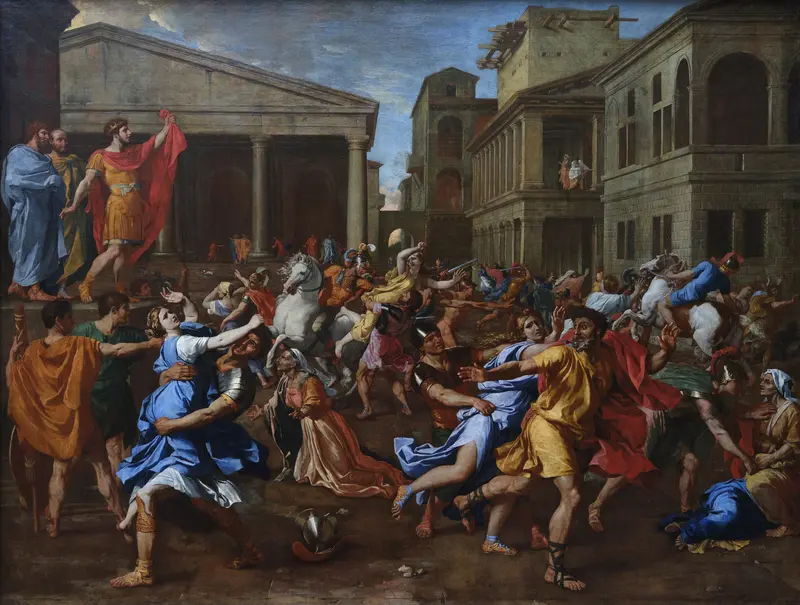
The Rape of the Sabine Women
Nicolas Poussin





