Baked Pears in Duane Park — History & Facts
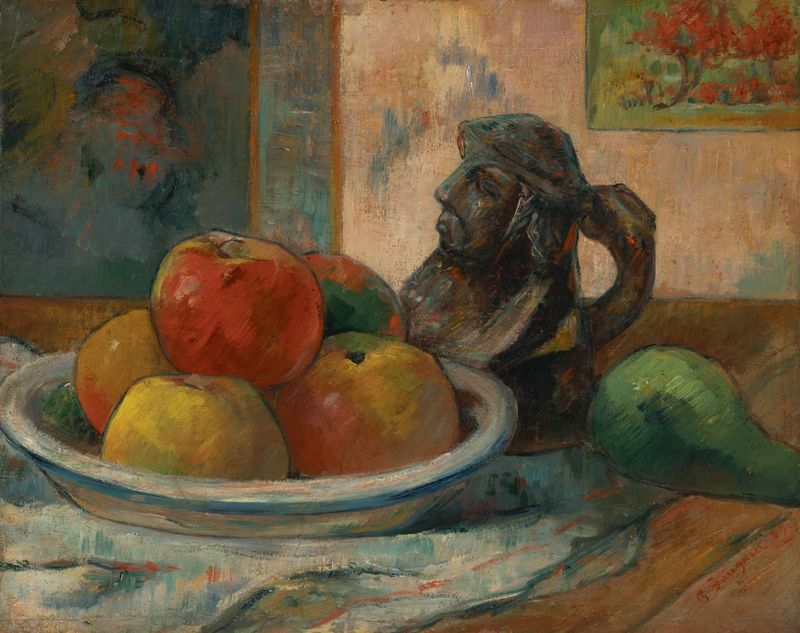
In the stillness of a kitchen, the quiet elegance of simplicity breathes life into the mundane. A moment frozen in time, where emptiness speaks volumes and every shadow suggests a story yet to be told. Look closely at the center of the canvas, where golden-brown pears sit elegantly on a plate. The rich textures of their skin, dappled with subtle highlights, invite the viewer to touch them.
Notice how the soft, diffused light streams in from the left, bathing the fruit in a warm glow that contrasts with the dark backdrop, drawing your eyes instinctively towards the pears. This play of light and shadow creates a serene yet compelling atmosphere, one that invites contemplation and appreciation for the beauty of everyday life. Delving deeper, the composition reveals an emotional tension between abundance and emptiness. The pears, though bountiful in their appearance, stand alone, suggesting the solitude that often accompanies beauty.
The surrounding space is vast and unadorned, emphasizing the isolation of the subject. This contrast serves as a reminder of the transient nature of life, where even the simplest moments can evoke a profound sense of longing. During the 1870s, Chappel painted Baked Pears in Duane Park at a time when the art world was experiencing a shift towards realism and still life was gaining prominence. Living in New York, he found inspiration in the quiet moments of domestic life, reflecting a departure from the grand narratives that dominated his predecessors.
The work captures not just the fruit itself, but the essence of a fleeting moment, forever preserved on canvas.
More Artworks by William P. Chappel
Browse all →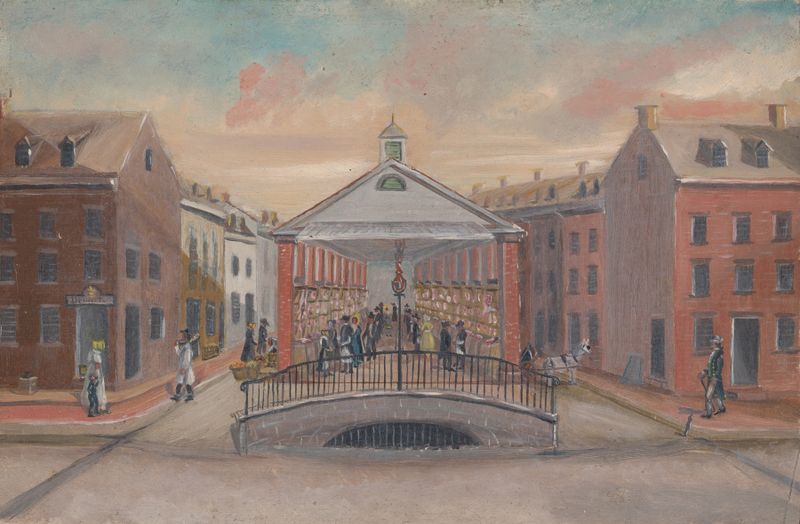
Fly Market
William P. Chappel
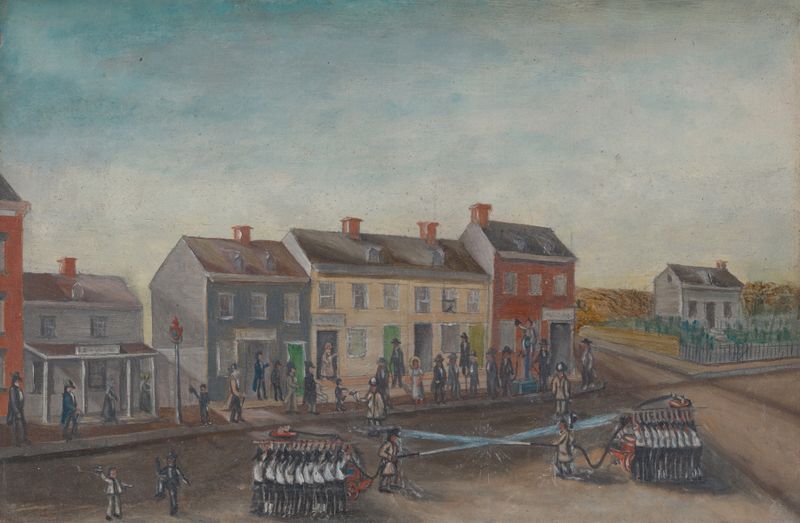
Firemen’s Washing Day
William P. Chappel
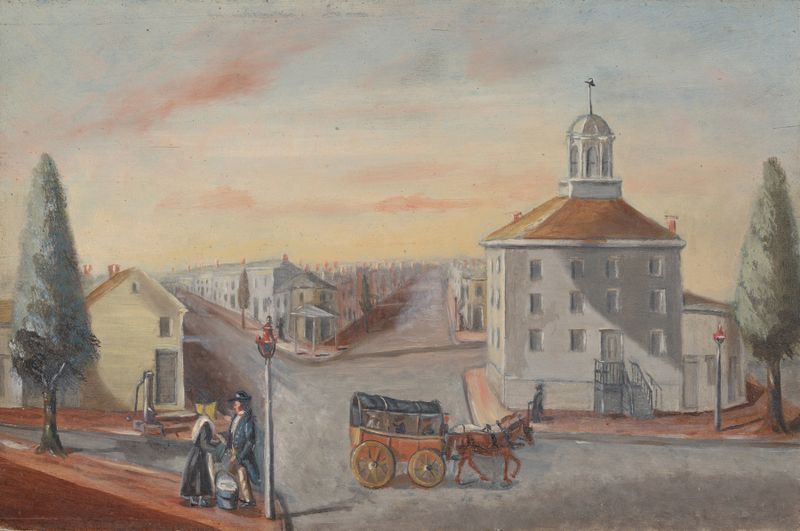
Hot Corn Seller
William P. Chappel
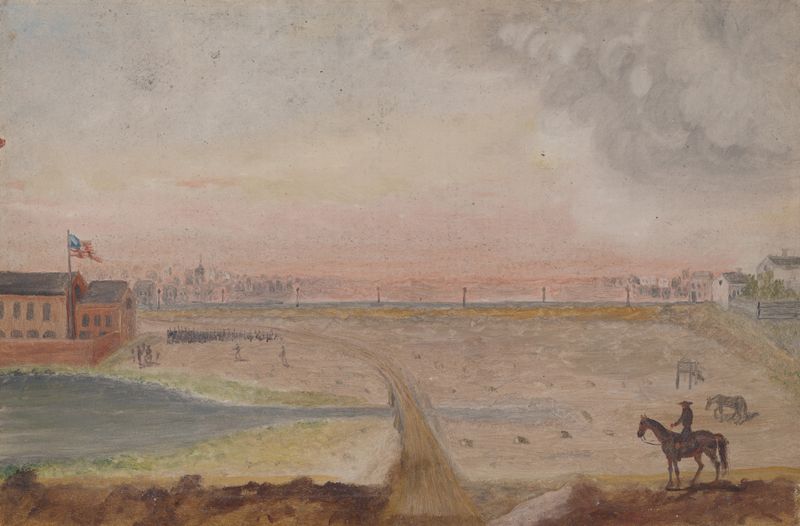
Militia Drilling
William P. Chappel
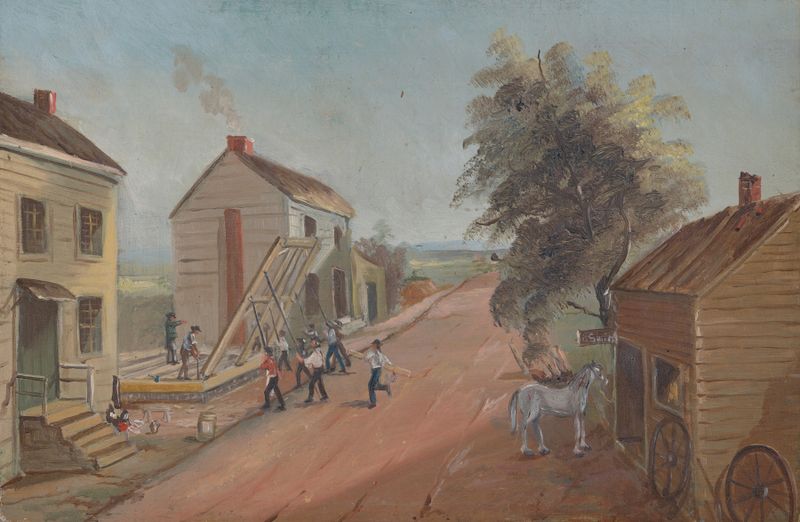
House Raising
William P. Chappel
Buttermilk Pedlar
William P. Chappel
Old Ferry Stairs
William P. Chappel
The Boot Black
William P. Chappel
City Watchman
William P. Chappel
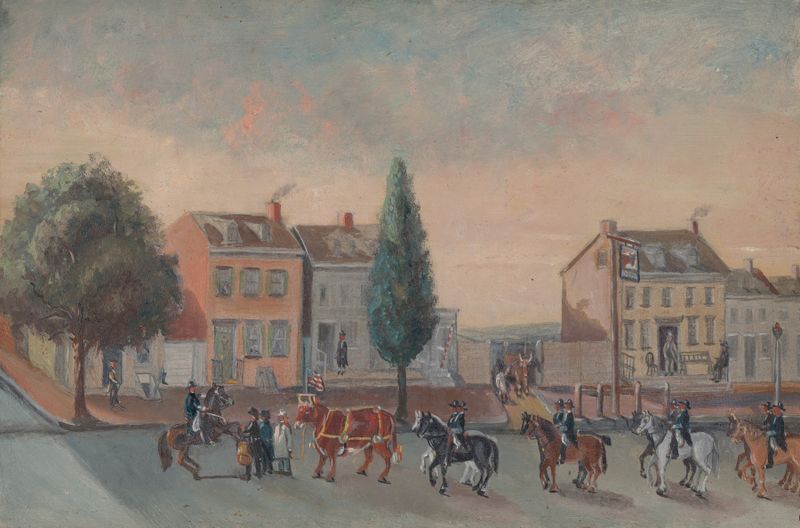
Bull’s Head Tavern
William P. Chappel