
Banks of the Seine at Médan — History & Facts
In Banks of the Seine at Médan, a world unfolds where light dances across the landscape, illuminating both the water and the trees in a gentle embrace of color and form. The interplay of sunlight and shadow reveals nature's pulse, creating an atmosphere that feels both timeless and immediate. Look to the left at the vibrant greens of the foliage, each leaf depicted with a distinct, hesitant stroke—a testament to the artist's deep observation of the natural world. Notice how the water reflects the soft blues and whites of the sky, creating a serene yet dynamic movement across the canvas.
The layered color application draws you in, inviting exploration of the subtleties in tone and thickness that Cézanne so masterfully orchestrates, breathing life into the scene. Hidden within the apparent tranquility lies a tension between nature's stillness and the artist's emotional engagement. The juxtaposition of the calm water against the vigorous brushwork captures an internal struggle, mirroring the complexity of human experience. The gentle ripples suggest both serenity and the inevitable passage of time, while the variances in color hint at the fleeting beauty of a moment that can never be recaptured. Cézanne painted this piece during a transformative period in art, specifically between 1885 and 1890, in the village of Médan near Paris.
At this time, he was delving deeper into post-impressionism, seeking to capture the essence of his subjects through structure and color rather than mere representation. This work reflects both his personal journey toward artistic innovation and the broader movement that sought to redefine how we perceive nature and reality.
More Artworks by Paul Cezanne
Browse all →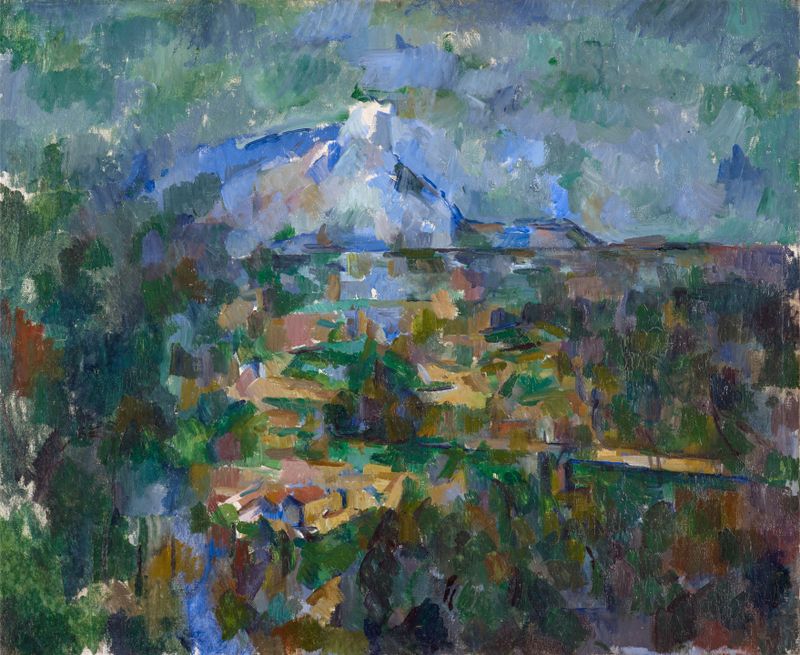
The Mont Sainte-Victoire Seen From Les Lauves
Paul Cezanne
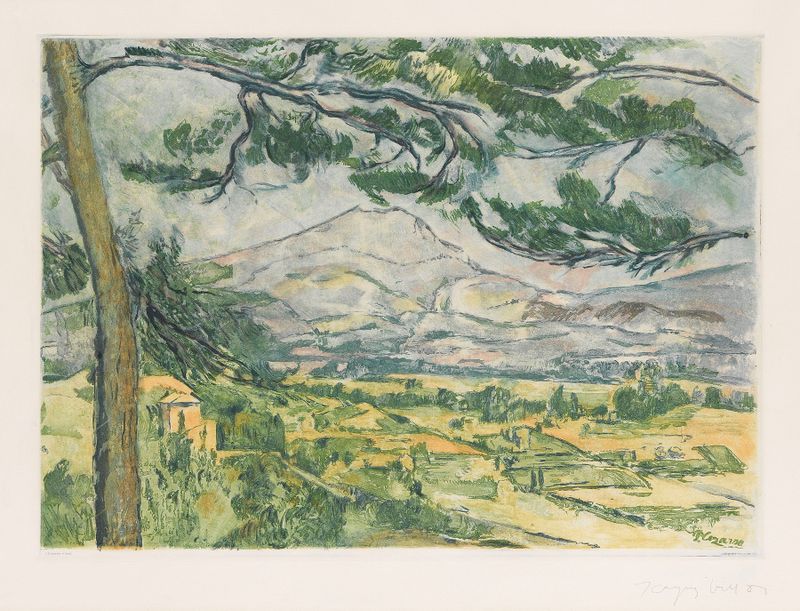
La Montagne Sainte-Victoire
Paul Cezanne
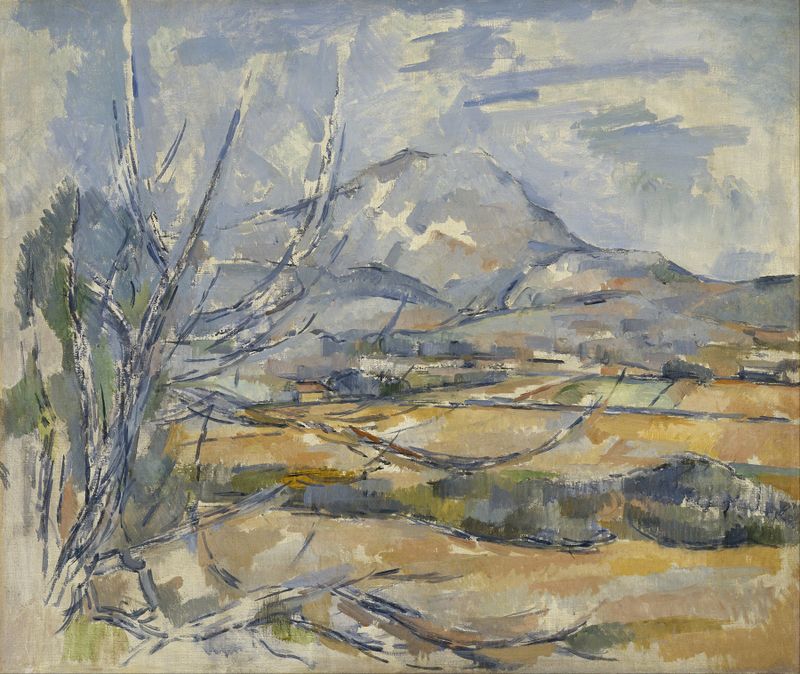
Montagne Sainte-Victoire
Paul Cezanne
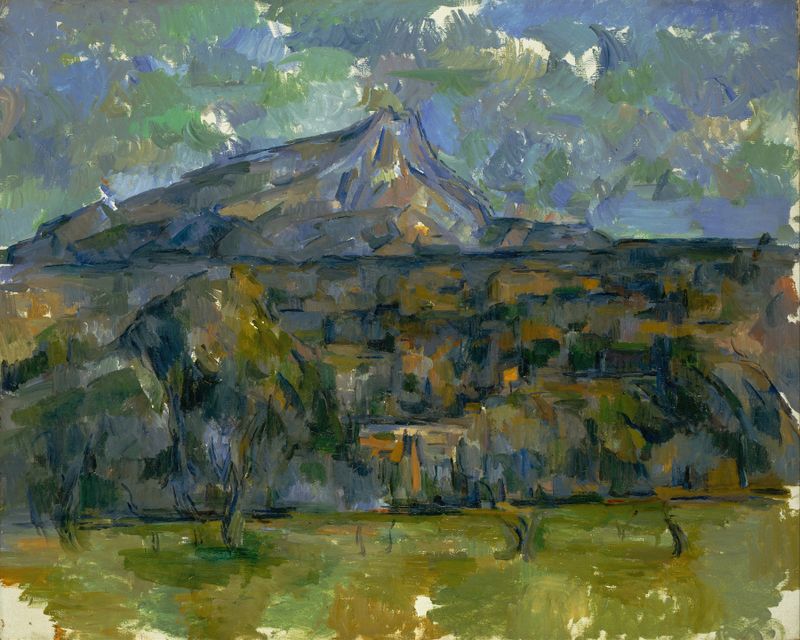
Mont Sainte-Victoire
Paul Cezanne
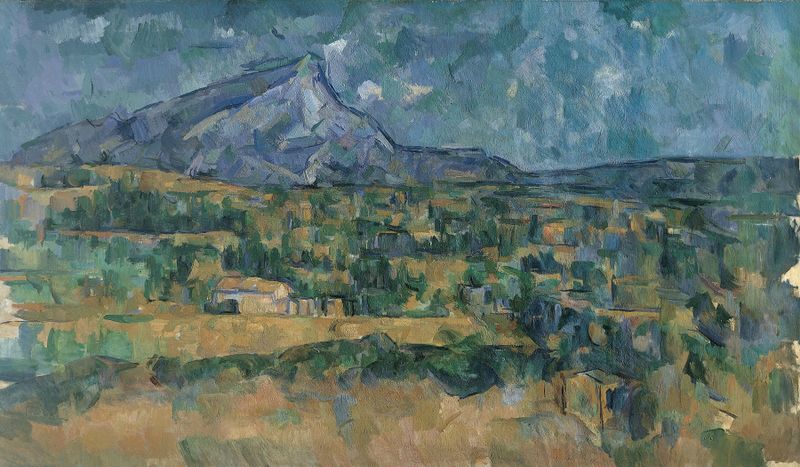
Mont Sainte-Victoire
Paul Cezanne
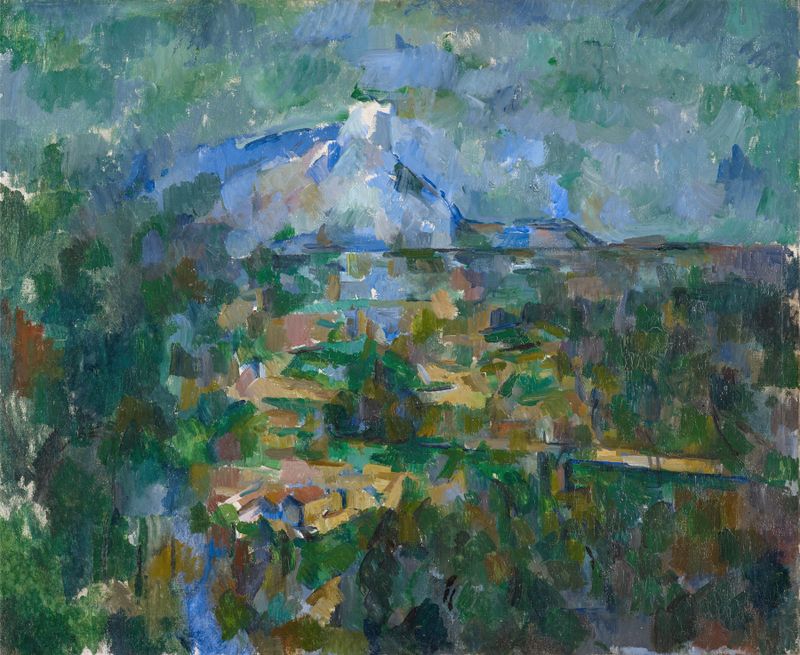
View of Mount Sainte-Victoire from Les Lauves
Paul Cezanne
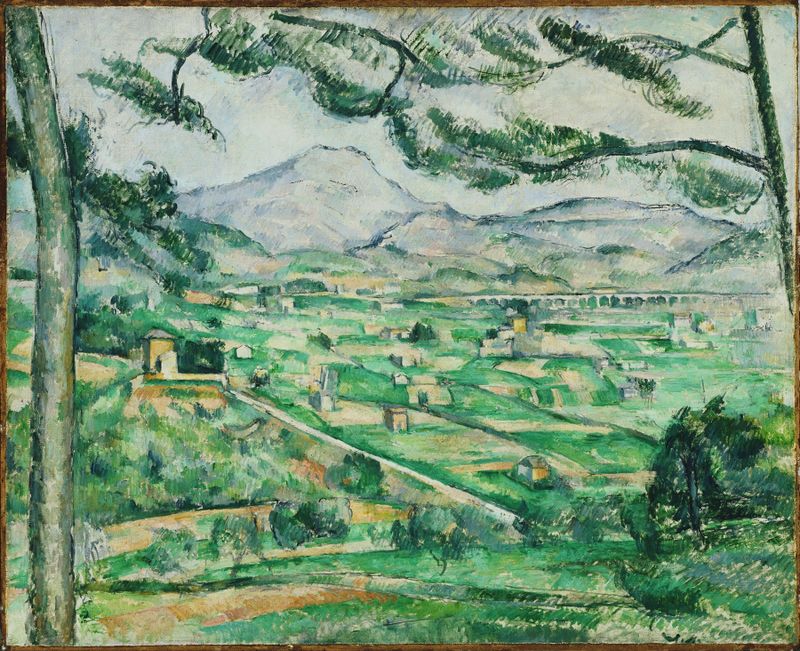
Mont Sainte-Victoire 2
Paul Cezanne

The Basket of Apples
Paul Cezanne

Mount Sainte-Victoire
Paul Cezanne
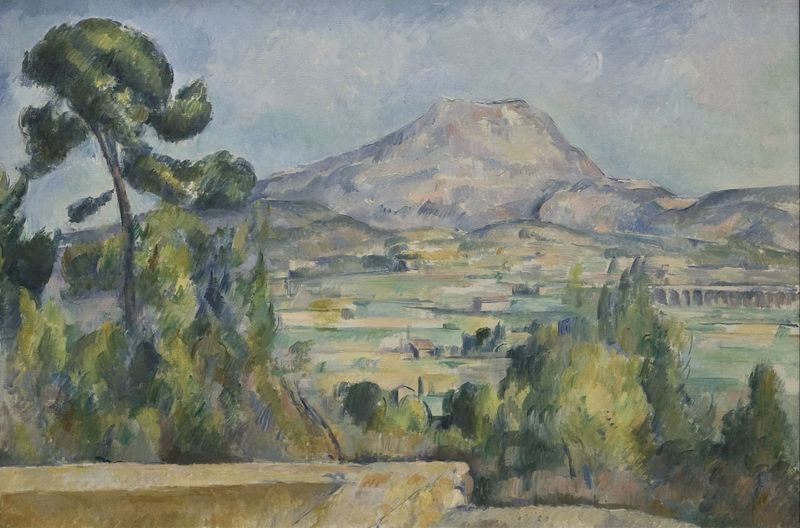
Montagne Saint-Victoire
Paul Cezanne





