
Battle of Schweinschädel. — History & Facts
A surge of chaos grips the eye before the mind can make sense of the tumult: horses rear and tumble, sabres flash, and a dense, smoky haze splits the living from the fallen. In Battle of Schweinschädel, Alexander Von Bensa chooses not the aftermath or the distant sweep of armies, but the very heart of the melee—where cavalry and infantry collide in a tangle of limbs, steel, and desperate motion. The painter draws you in with the white horse at center, its wild-eyed panic a focal point amid the blur of uniforms and the churned earth.
The palette is muddy and urgent, every brushstroke adding to the sense of confusion and immediacy, while the sky above remains heavy and indifferent, dwarfing the human struggle below. Painted in 1866, this work belongs to a world obsessed with the spectacle and horror of war, when battle scenes were not only commemorations but also cautionary tales and patriotic displays. Such paintings often found homes in military academies, public halls, or the salons of those who wished to remember—or mythologize—the turning points of their age. The year marks a Europe in upheaval, and Von Bensa’s choice to capture the chaos rather than the glory reflects shifting attitudes toward conflict in the later nineteenth century.
History has kept few traces of this particular canvas beyond its date and image, but its energy and turmoil speak across the years, inviting the viewer to step closer and search for individual stories within the tumult.
More Artworks by Alexander Von Bensa

Historisches Karussell
Alexander Von Bensa
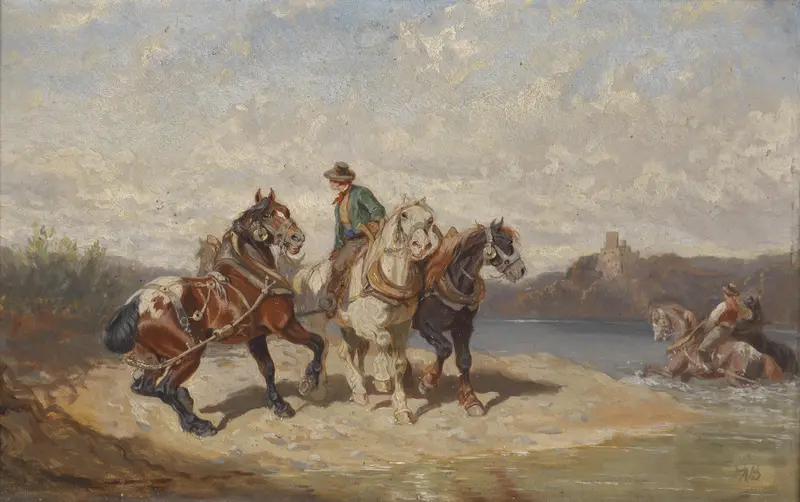
Treidelpferde an der Donau
Alexander Von Bensa
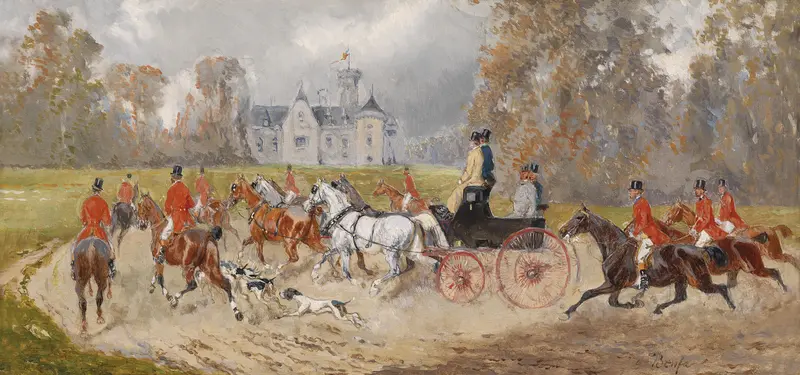
Rückkehr ins Schloss
Alexander Von Bensa
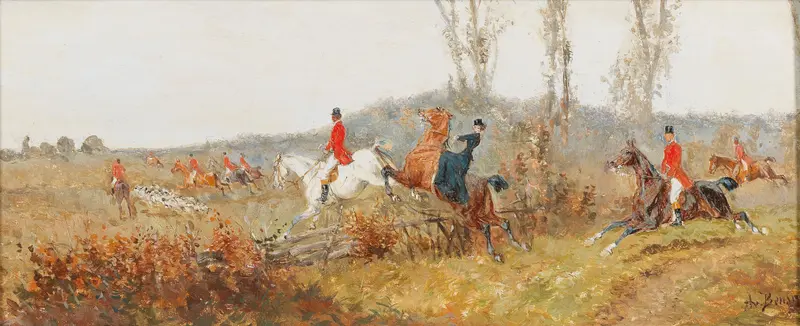
On the Scent
Alexander Von Bensa
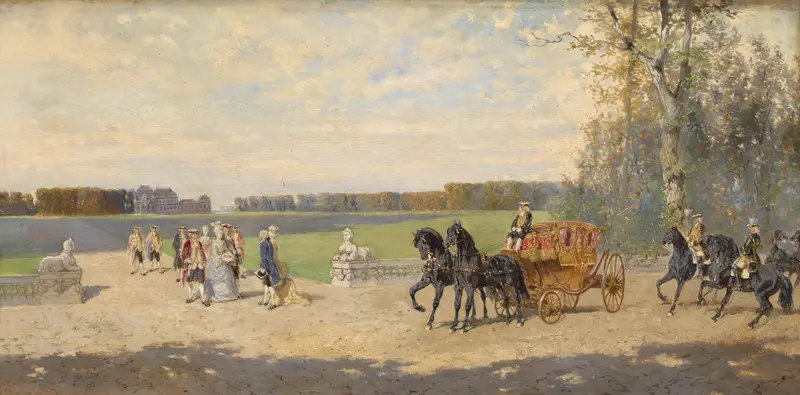
Ausfahrt vor dem Schloss
Alexander Von Bensa
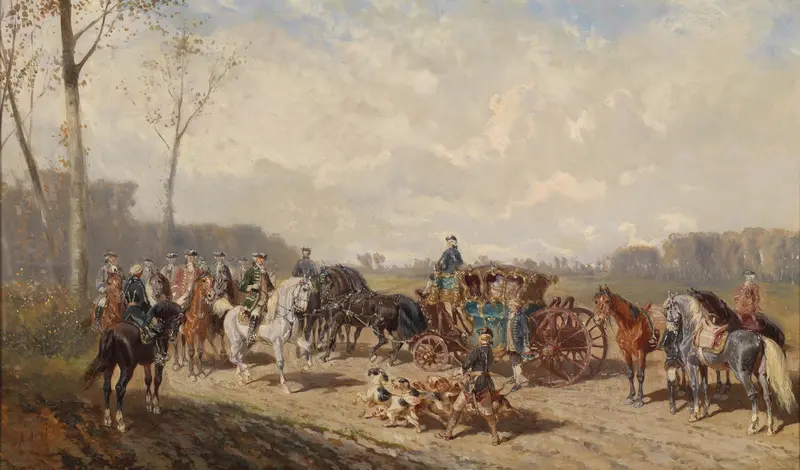
Begegnung beim Ausritt
Alexander Von Bensa
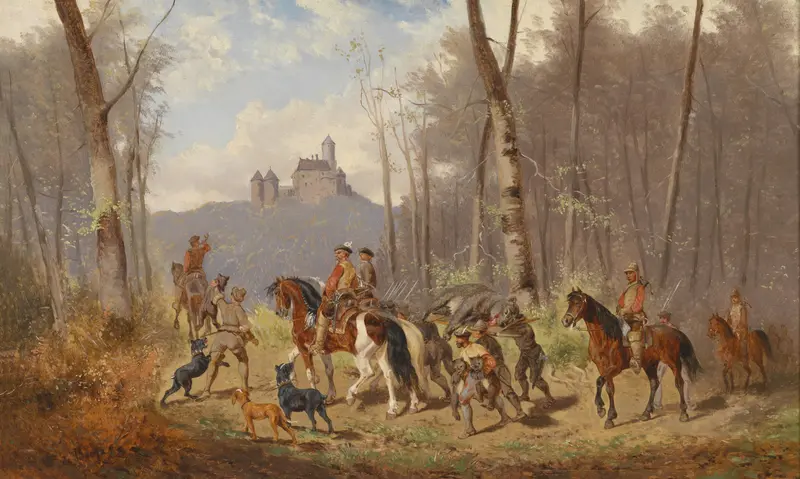
Heimkehr nach der Bärenjagd
Alexander Von Bensa
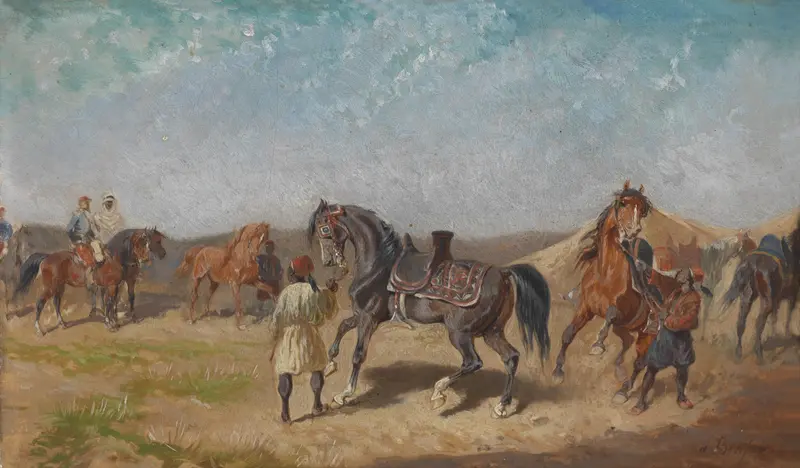
Nordafrikanisches Reiterlager
Alexander Von Bensa
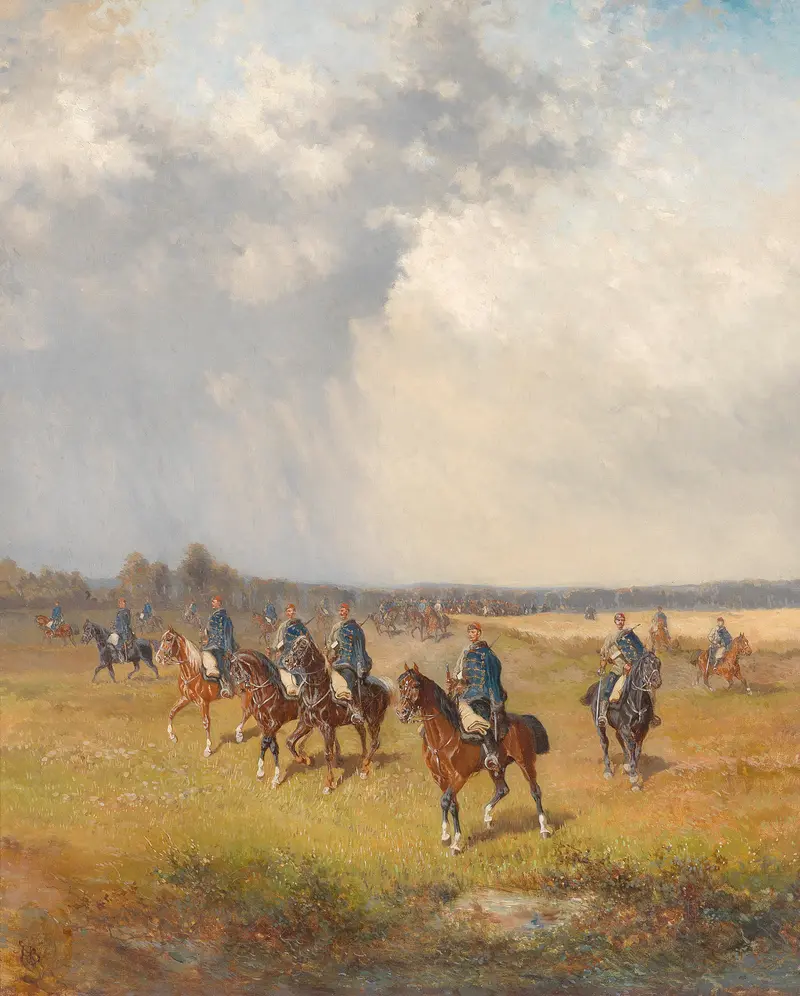
Ungarische Husaren
Alexander Von Bensa
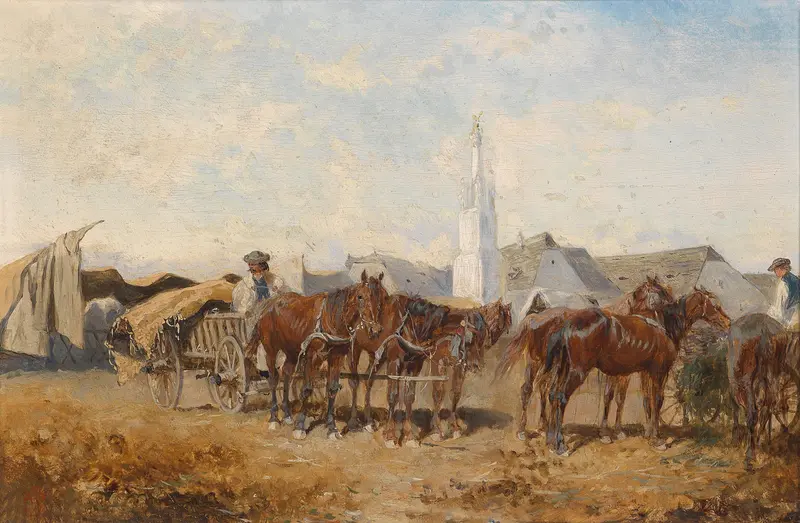
Markttag in Szolnok
Alexander Von Bensa





