
Markttag in Szolnok — History & Facts
What first catches the eye in Markttag in Szolnok is the quiet choreography of horses and men, all paused in a moment of anticipation beneath a sky that seems to stretch forever. The artist, Alexander Von Bensa, draws us into the rhythms of rural life not through drama, but through the careful arrangement of forms and the play of light across the animals’ backs. The horses, their coats catching the daylight in broad, confident strokes, stand patiently yoked to carts, while their drivers exchange glances or tend to unseen tasks.
In the background, a white spire rises above the rooftops, its verticality anchoring the scene and guiding the viewer’s gaze upward, suggesting the presence of a community gathered for more than just commerce. Painted by 1902, this work belongs to a tradition of market scenes that flourished in Central Europe at the turn of the twentieth century, when artists sought to capture the everyday rituals that defined rural existence. Such images were often commissioned or collected by urban patrons nostalgic for a vanishing countryside, or by local institutions eager to celebrate regional identity. Though little is recorded about the specific journey of this painting, its presence in the Dorotheum collection hints at a life shaped by changing tastes and the enduring appeal of scenes that invite viewers to linger.
The dust, the sunlight, the sturdy horses—all are reminders that history is built on ordinary days like this, waiting to be rediscovered.
More Artworks by Alexander Von Bensa

Historisches Karussell
Alexander Von Bensa
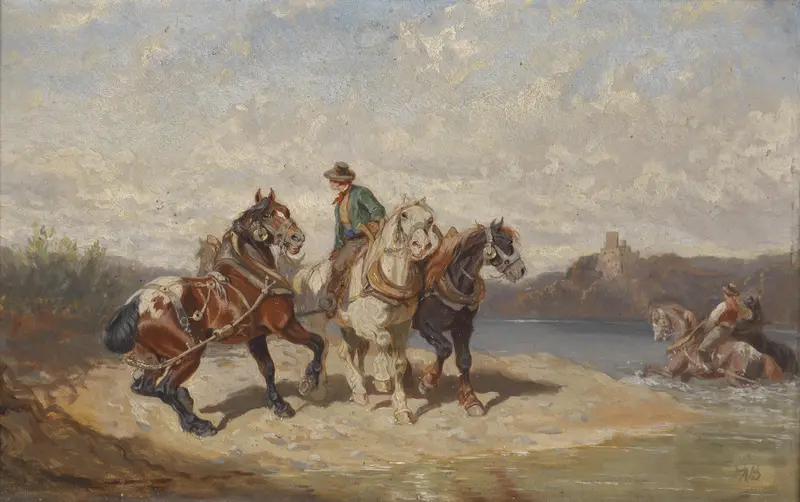
Treidelpferde an der Donau
Alexander Von Bensa
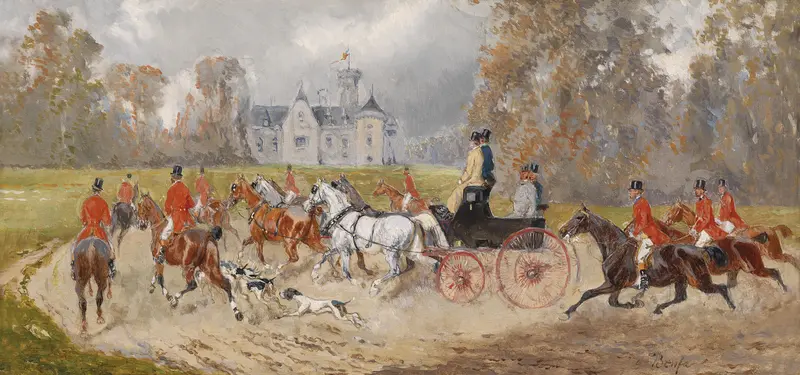
Rückkehr ins Schloss
Alexander Von Bensa
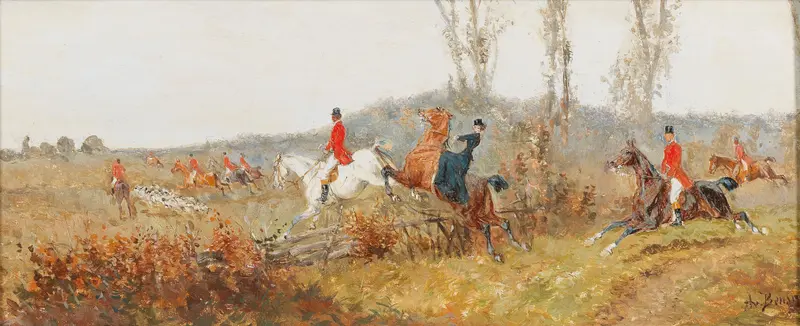
On the Scent
Alexander Von Bensa
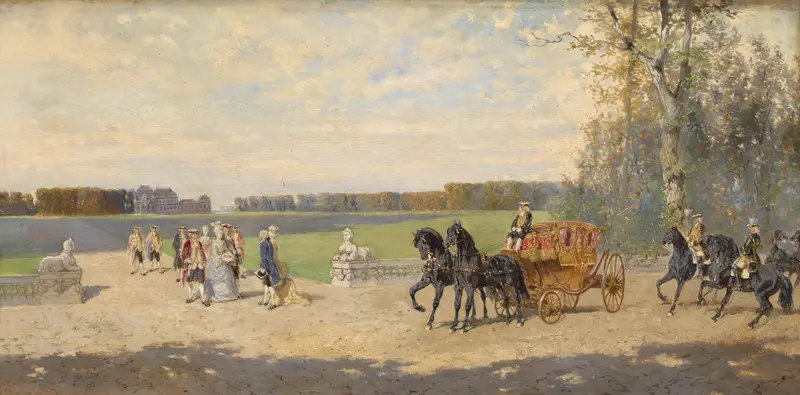
Ausfahrt vor dem Schloss
Alexander Von Bensa
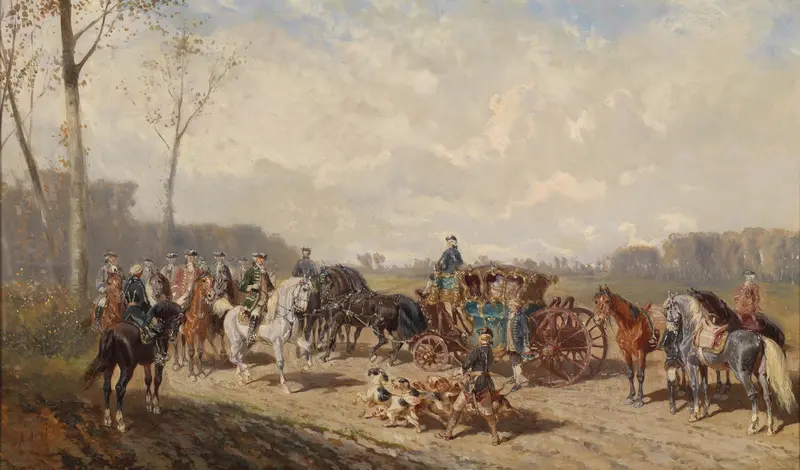
Begegnung beim Ausritt
Alexander Von Bensa
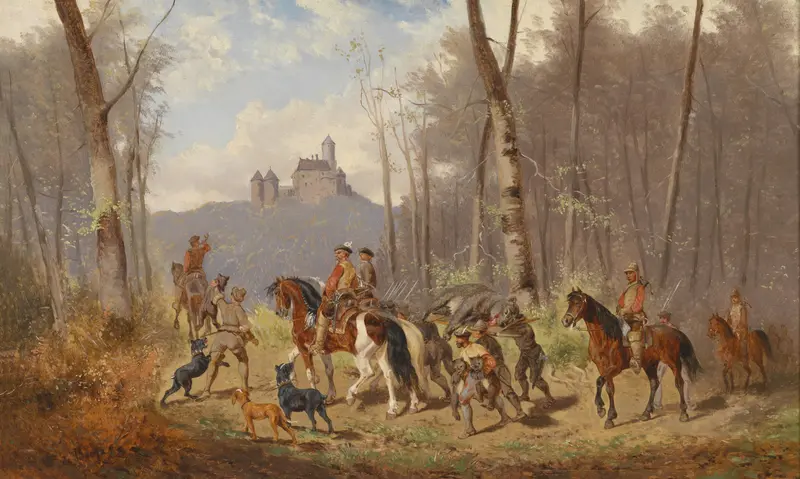
Heimkehr nach der Bärenjagd
Alexander Von Bensa
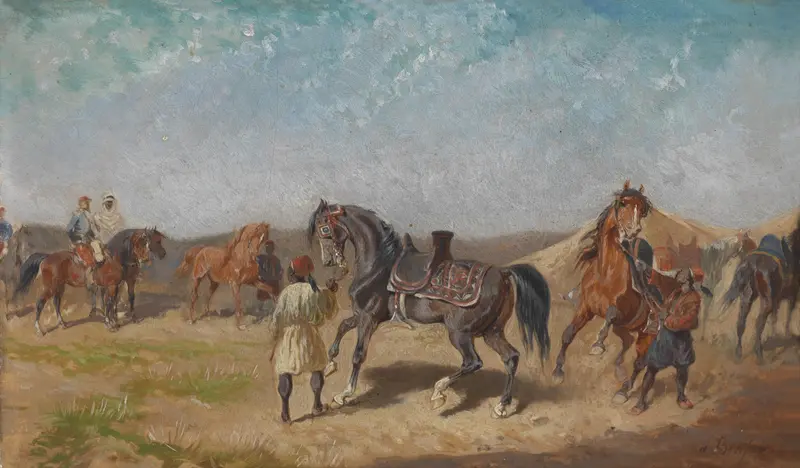
Nordafrikanisches Reiterlager
Alexander Von Bensa
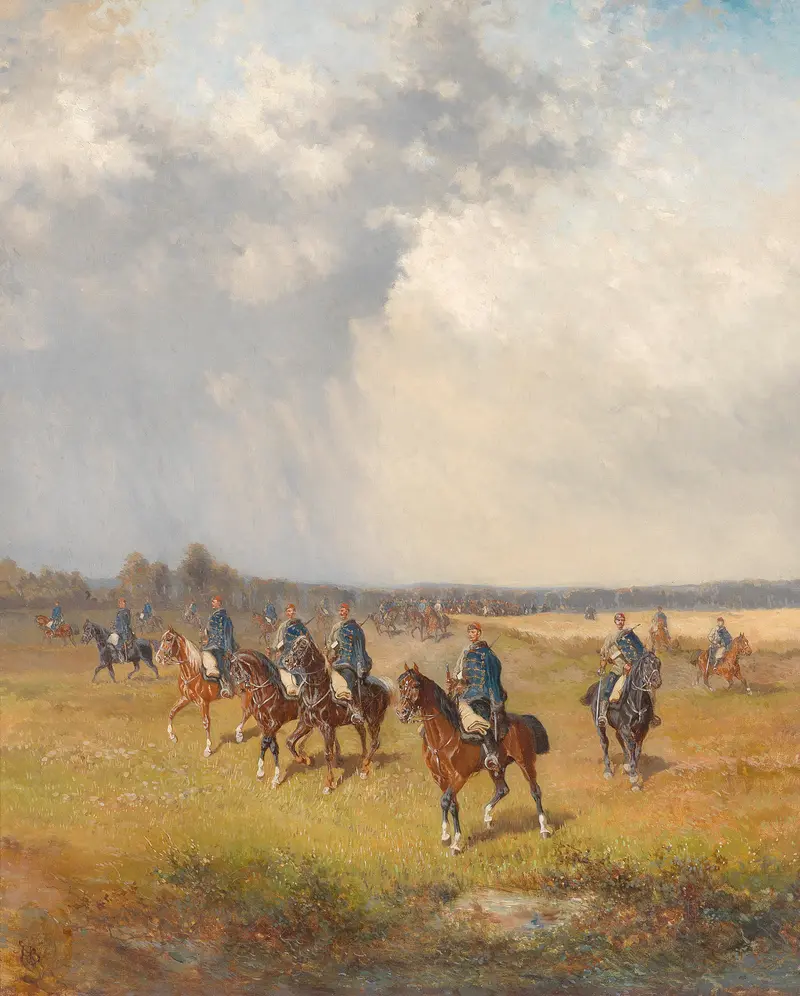
Ungarische Husaren
Alexander Von Bensa
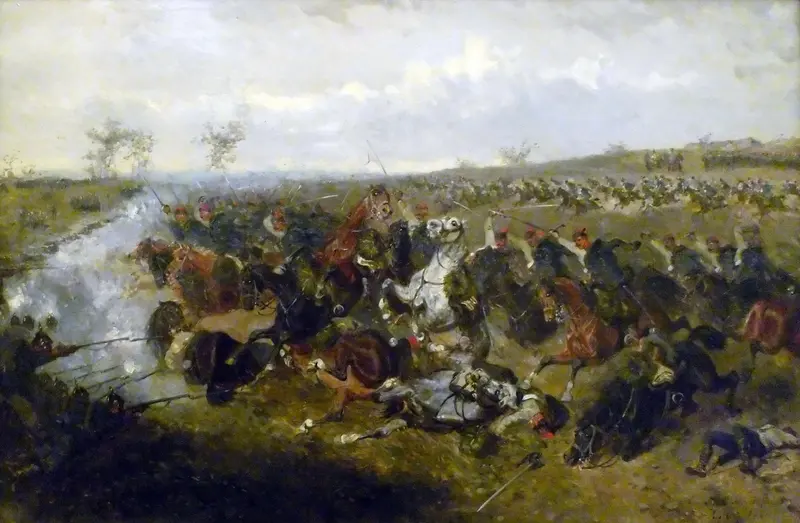
Battle of Schweinschädel.
Alexander Von Bensa
More Genre Scene Art

Banquet of the Officers of the St George Civic Guard
Frans Hals

Rembrandt and Saskia in the Scene of the Prodigal Son
Rembrandt van Rijn

Bal du moulin de la Galette
Pierre-Auguste Renoir

Quadrille at the Moulin Rouge
Henri de Toulouse-Lautrec

A Burial at Ornans
Gustave Courbet

When Will You Marry?
Paul Gauguin