
Battle Scene in a Forest Landscape — History & Facts
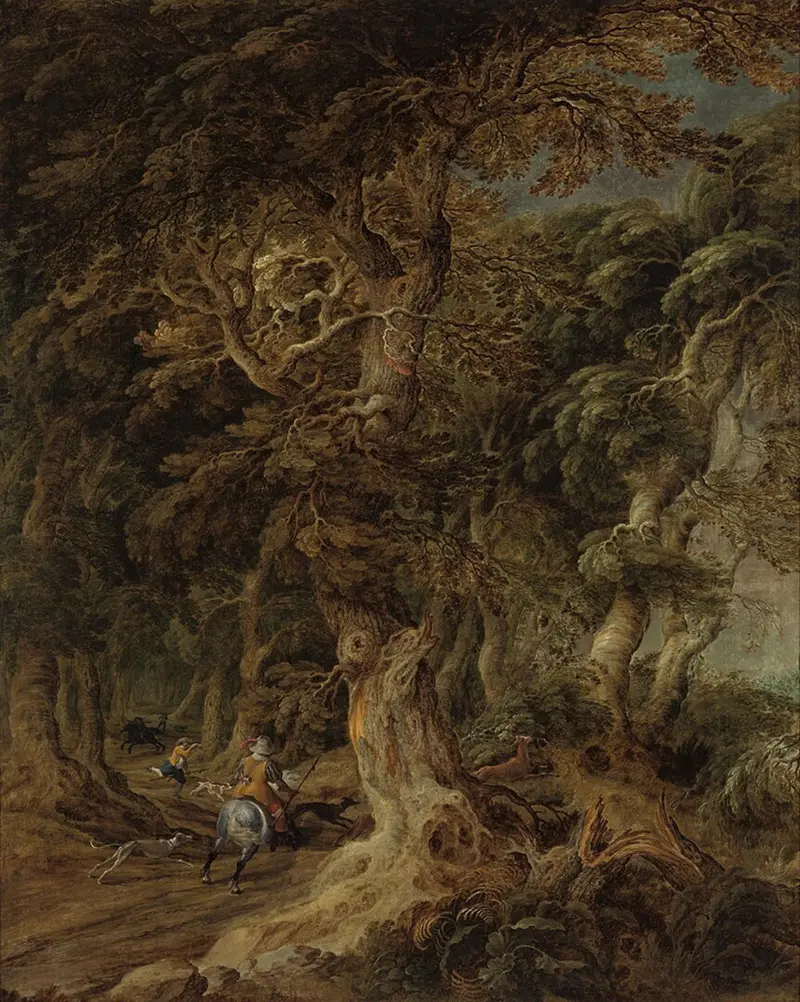
A sudden clash breaks the quiet of the woods: in the heart of this dense, sun-dappled forest, a skirmish erupts, small figures locked in violent struggle beneath towering trees. The painter draws the viewer’s eye first to the central burst of action—a white horse rearing, its rider embattled, while foot soldiers surge and scatter around him. The drama is heightened by the contrast between the shadowy, tangled foliage and the open, luminous clearing where the fight unfolds.
The landscape itself seems to lean in, the sweeping branches and gnarled roots echoing the chaos below, while distant hills and a winding river offer a fleeting sense of escape. Here, every detail—the glint of armor, the tension in a drawn bow, the anxious posture of figures at the forest’s edge—serves to heighten the sense of a moment suspended between violence and flight. This is a world shaped by the early seventeenth century, when artists like Alexander Keirincx painted landscapes not just as settings, but as living participants in the stories of men. Around 1630, in the Low Countries, such scenes were prized by collectors who sought to display both the grandeur of nature and the drama of human endeavor.
The genre thrived on the tension between civilization and wilderness, often reflecting the uncertainties of an era marked by war and shifting borders. While history has kept few traces of this particular Battle Scene in a Forest Landscape, its survival in collections and its journey to the auction room remind us that these paintings were made to be looked at—closely, repeatedly, always with the promise of discovering some new figure half-hidden in the undergrowth.
More Artworks by Alexander Keirincx

River Landscape with Oak Forest
Alexander Keirincx
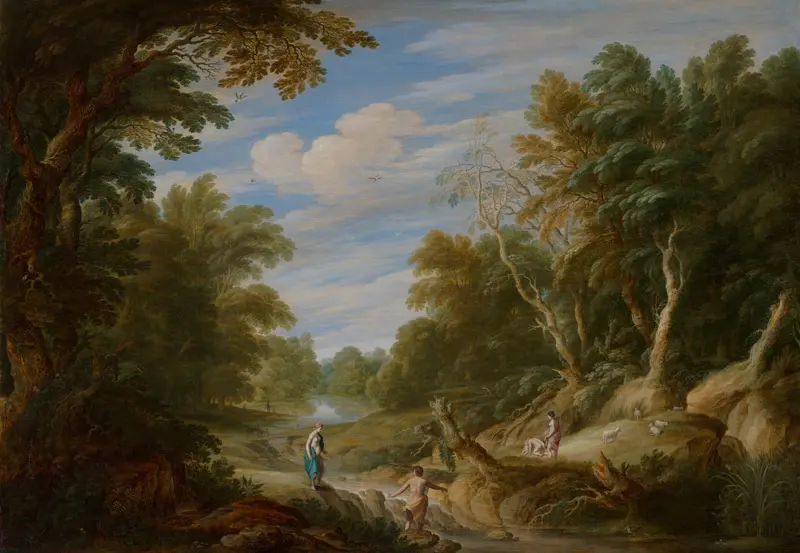
Wooded Landscape with Figures
Alexander Keirincx
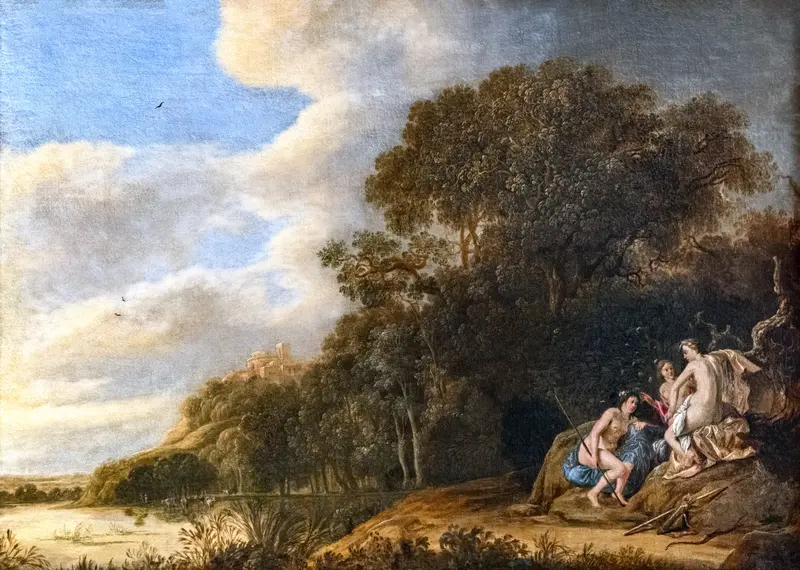
Rest of the nymphs
Alexander Keirincx
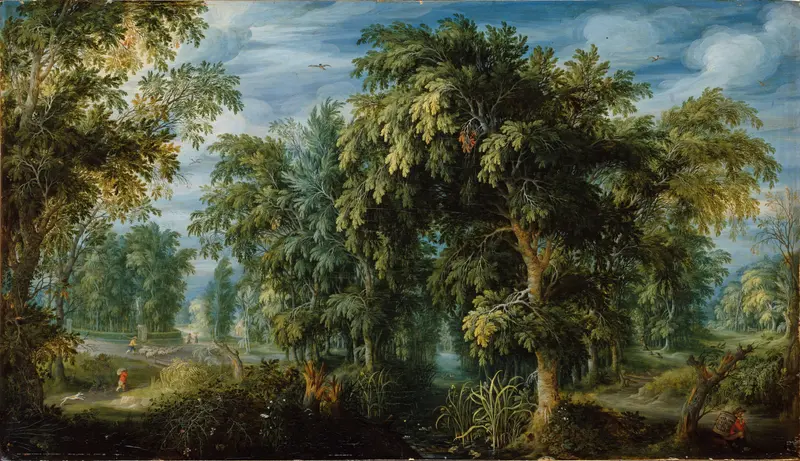
Forest landscape
Alexander Keirincx
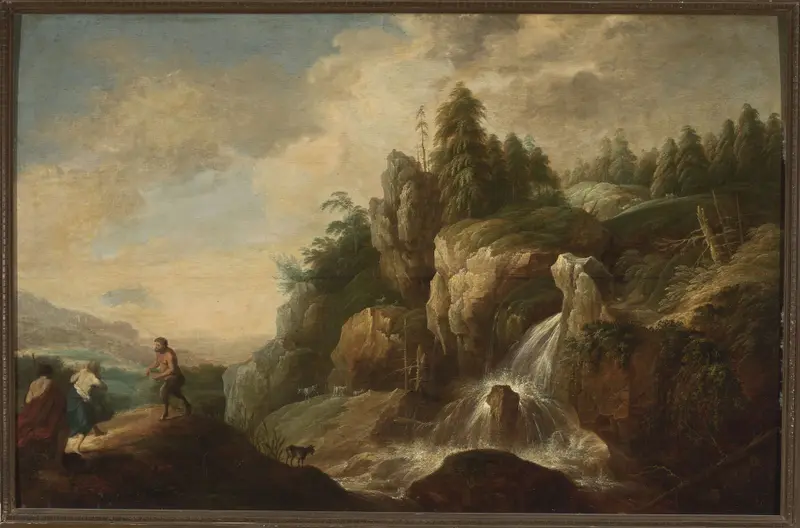
Landscape at a waterfall
Alexander Keirincx
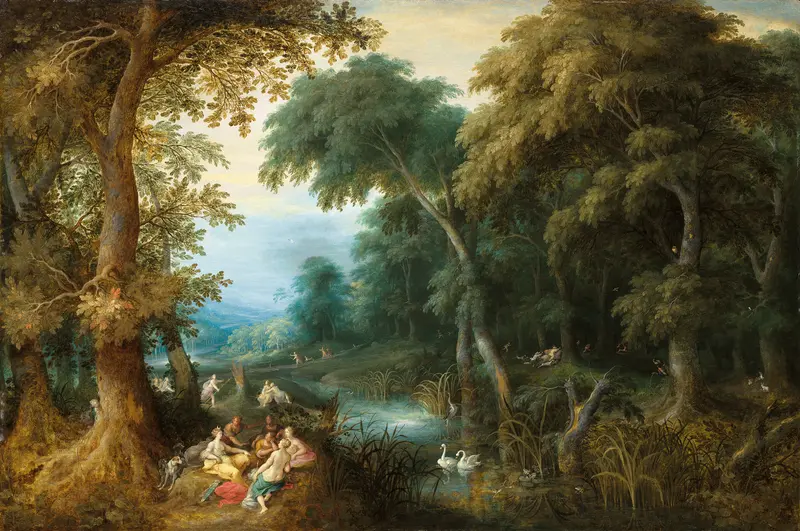
Diana and her nymphs in a wooded landscape
Alexander Keirincx
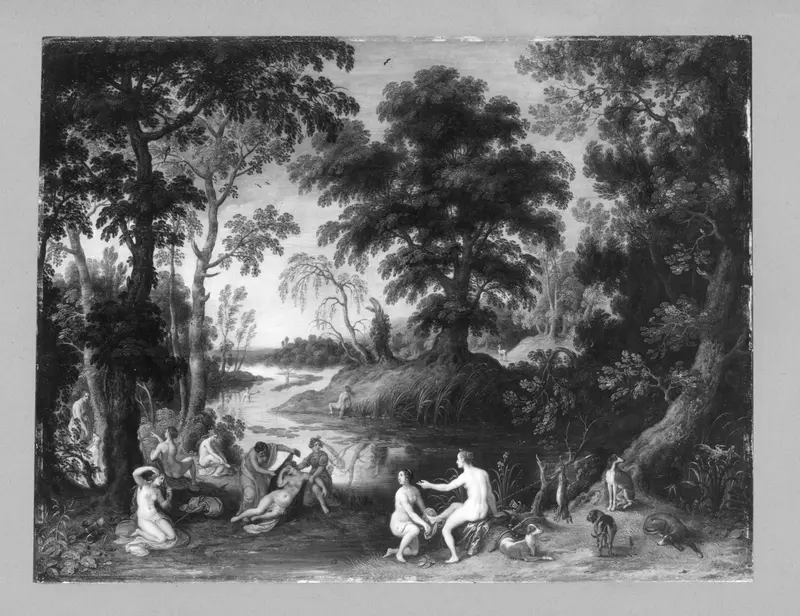
the error of Calisto
Alexander Keirincx
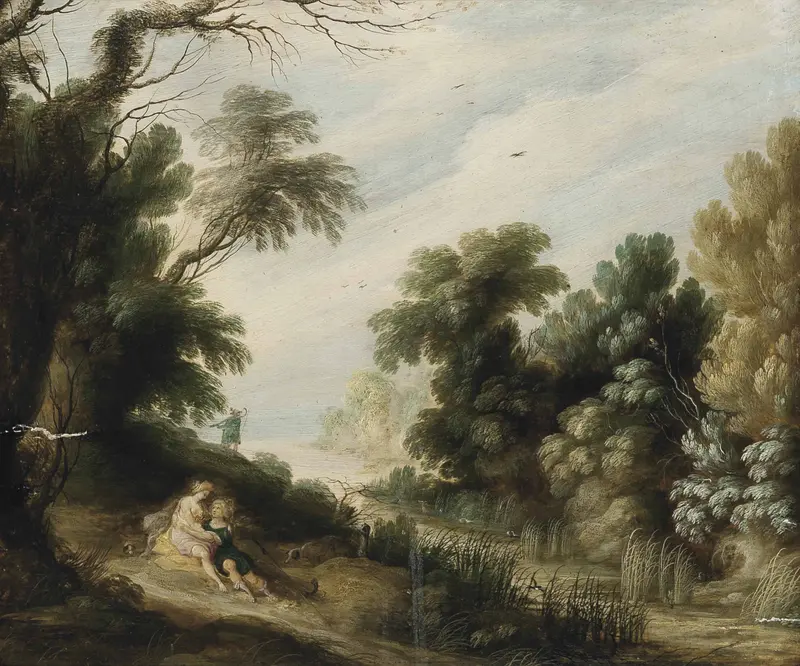
Wooded river landscape with Venus and Adonis
Alexander Keirincx
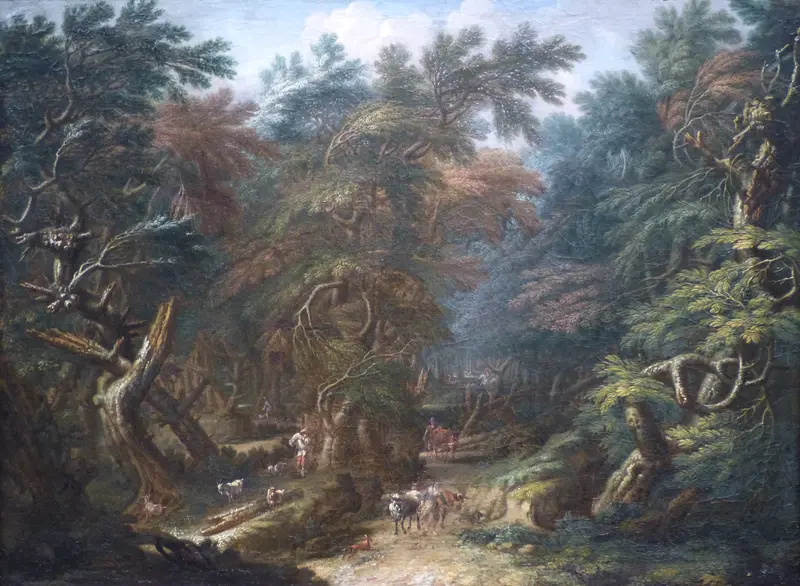
Paysage boisé avec bergers et chasse au cerf
Alexander Keirincx
Forest View with Large Oak
Alexander Keirincx
More Landscape Art

The Starry Night
Vincent van Gogh

View of Delft
Johannes Vermeer

Water Lilies
Claude Monet

The Grand Canal, Venice, looking north-west from the Ca' Corner to the Ca' Contarini degli Scrigni, with the campanile of Santa Maria della Carità
Canaletto

Windsor Castle
Canaletto

The Grand Canal looking North-East from the Palazzo Dolfin-Manin to the Rialto Bridge
Canaletto