
Paysage boisé avec bergers et chasse au cerf — History & Facts
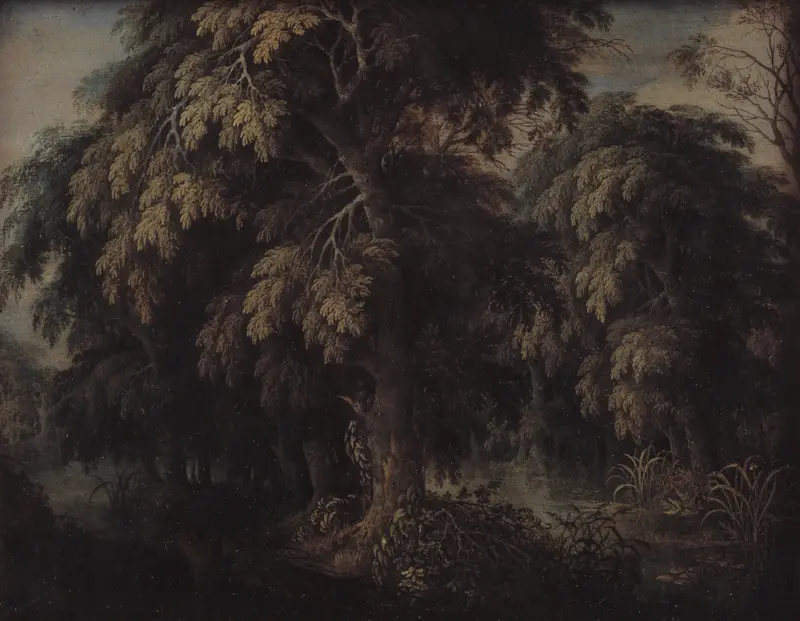
The first thing to catch the eye in Paysage boisé avec bergers et chasse au cerf is the sheer density of the forest, its ancient trees arching and twisting as if in conversation with one another. Light sifts softly through the upper branches, guiding the viewer’s gaze from the tangled canopy down to the figures and animals below. At the center, a group of herders and hunters share the woodland stage with their flocks and hounds, their presence almost swallowed by the monumental trees.
The fallen trunks and gnarled roots are not just obstacles but actors in the scene, emphasizing the wildness and age of this untamed landscape. The painter’s cool, earthy palette and careful attention to the play of shadow and light invite the viewer to linger, to search for every hidden narrative within the undergrowth. Created around 1630, this work stands firmly within the tradition of Northern European landscape painting, a genre that flourished in the Low Countries as artists and patrons alike grew fascinated by the beauty and drama of their native scenery. Painters such as Alexander Keirincx responded to a new market of burghers and nobles eager for images that celebrated both the bounty and the mystery of the land.
These paintings were often destined for domestic interiors, where they offered windows onto imagined forests and distant hunts. While the history of this specific canvas is little recorded, its careful rendering and ambitious scale speak to the prestige such landscapes held in their own time. Look again at the painting and let your eye wander—there is always another figure, another animal, another story waiting to be found in the shadows.
More Artworks by Alexander Keirincx

River Landscape with Oak Forest
Alexander Keirincx
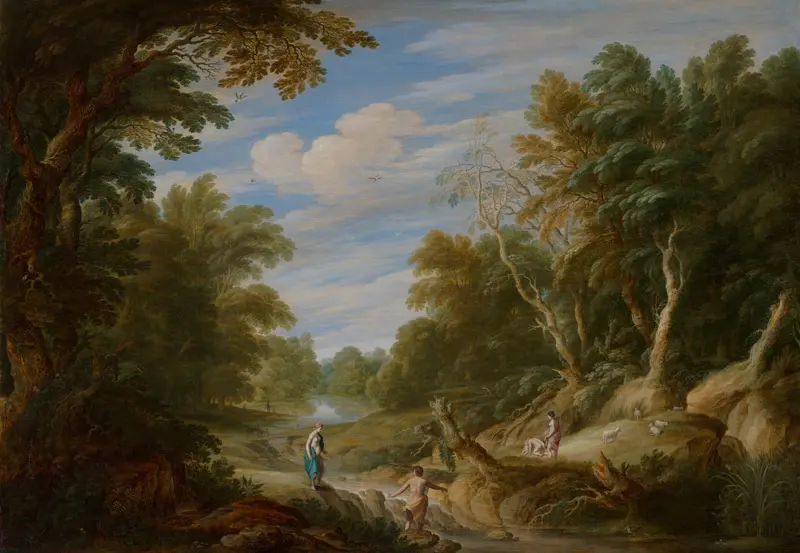
Wooded Landscape with Figures
Alexander Keirincx
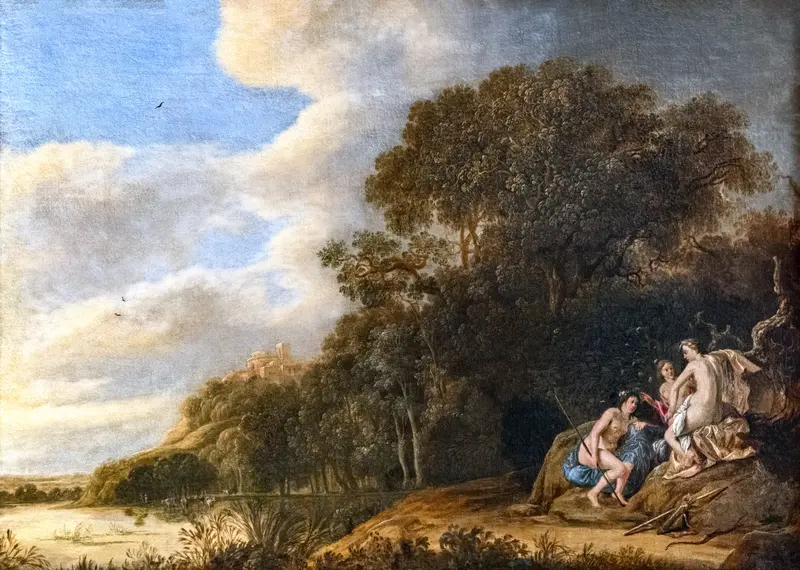
Rest of the nymphs
Alexander Keirincx
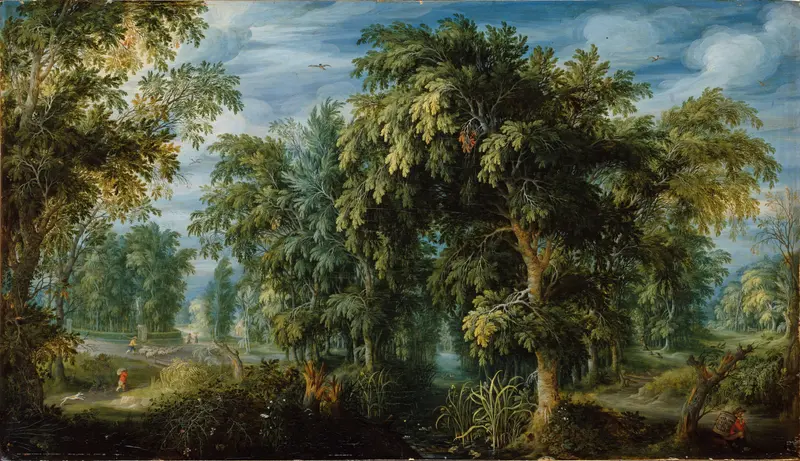
Forest landscape
Alexander Keirincx
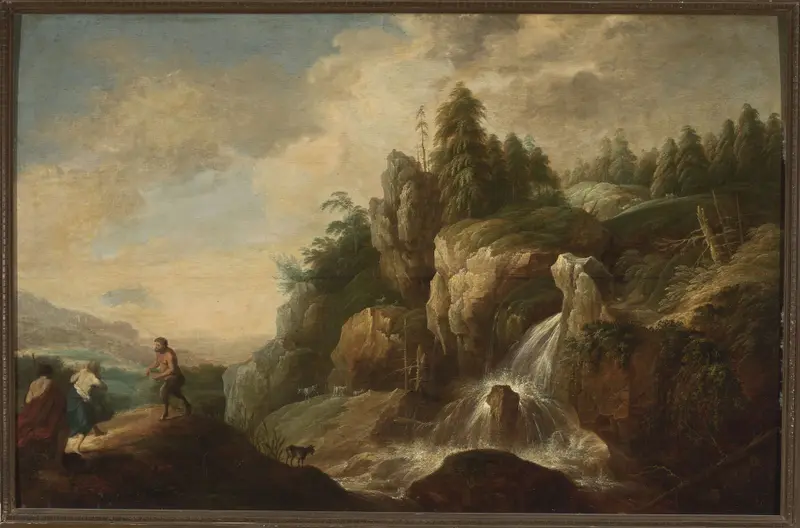
Landscape at a waterfall
Alexander Keirincx
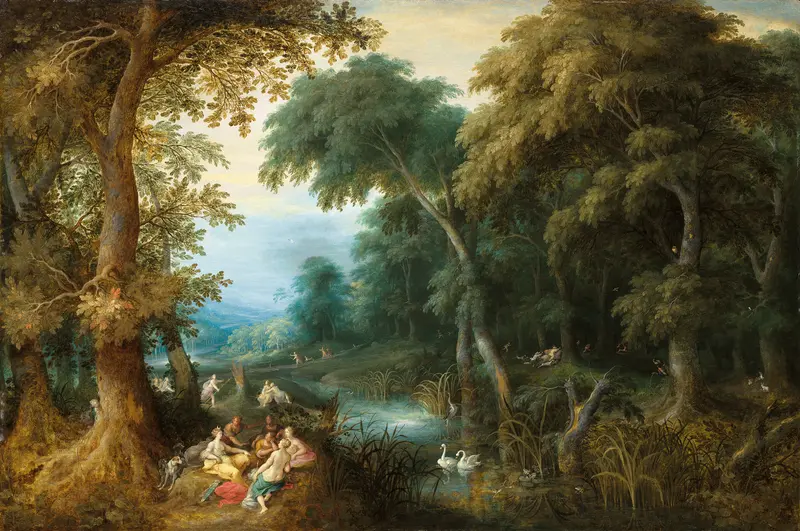
Diana and her nymphs in a wooded landscape
Alexander Keirincx
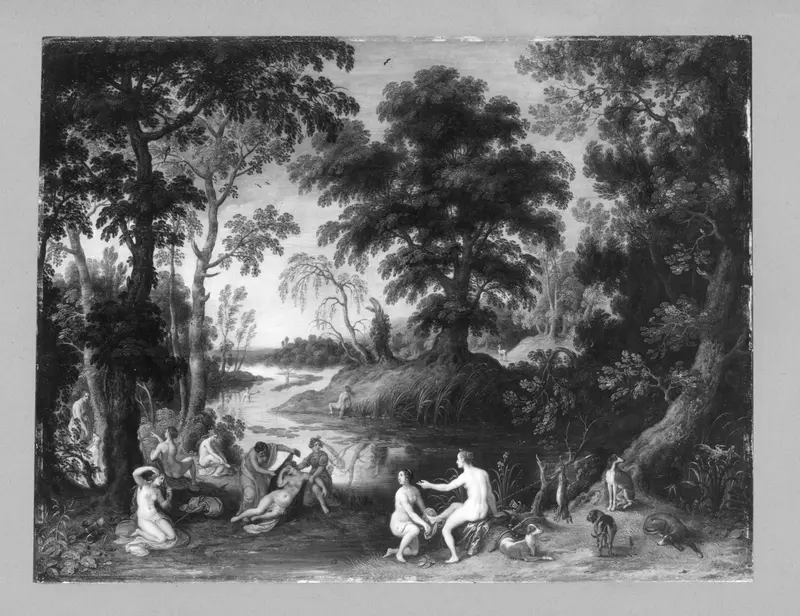
the error of Calisto
Alexander Keirincx
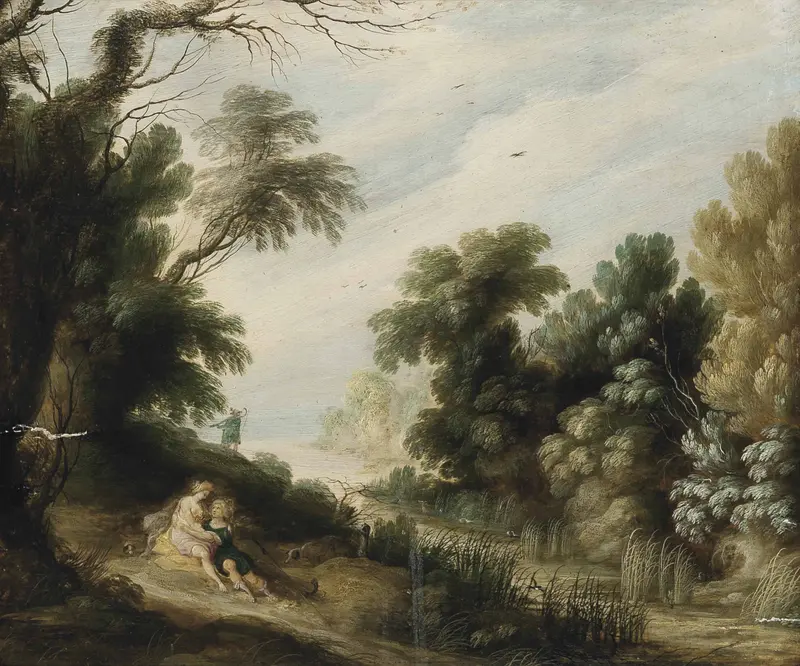
Wooded river landscape with Venus and Adonis
Alexander Keirincx
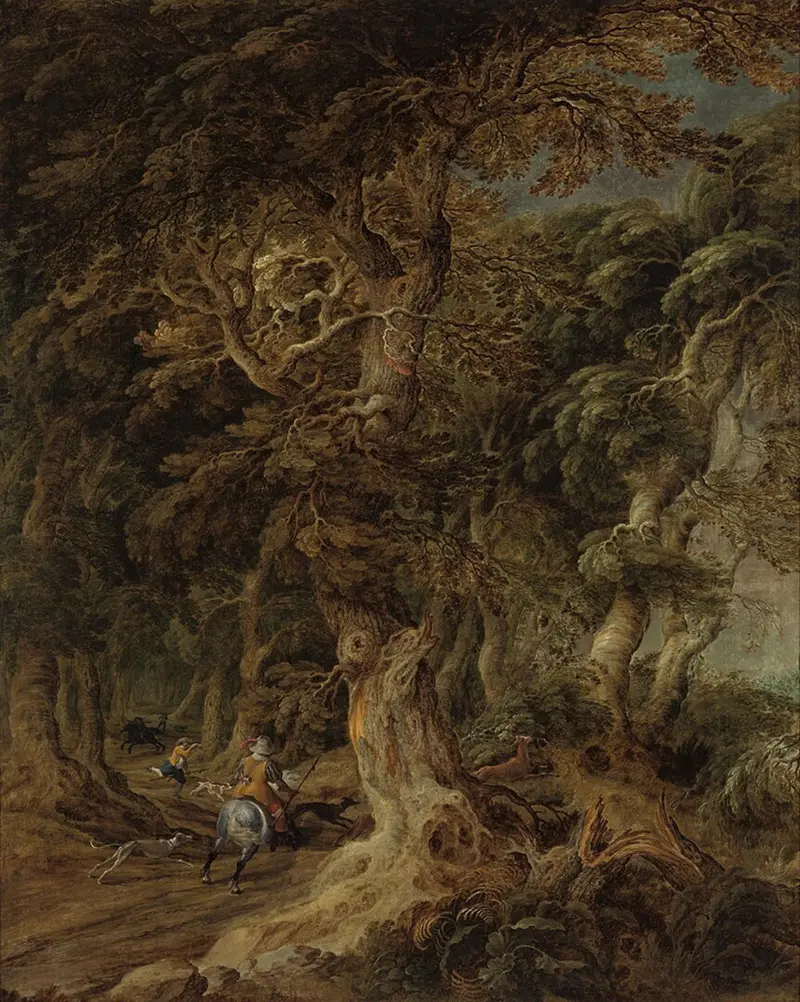
Forest View with Large Oak
Alexander Keirincx
Wooded Landscape
Alexander Keirincx
More Landscape Art

The Starry Night
Vincent van Gogh

View of Delft
Johannes Vermeer

Water Lilies
Claude Monet

The Grand Canal, Venice, looking north-west from the Ca' Corner to the Ca' Contarini degli Scrigni, with the campanile of Santa Maria della Carità
Canaletto

Windsor Castle
Canaletto

The Grand Canal looking North-East from the Palazzo Dolfin-Manin to the Rialto Bridge
Canaletto