
the error of Calisto — History & Facts
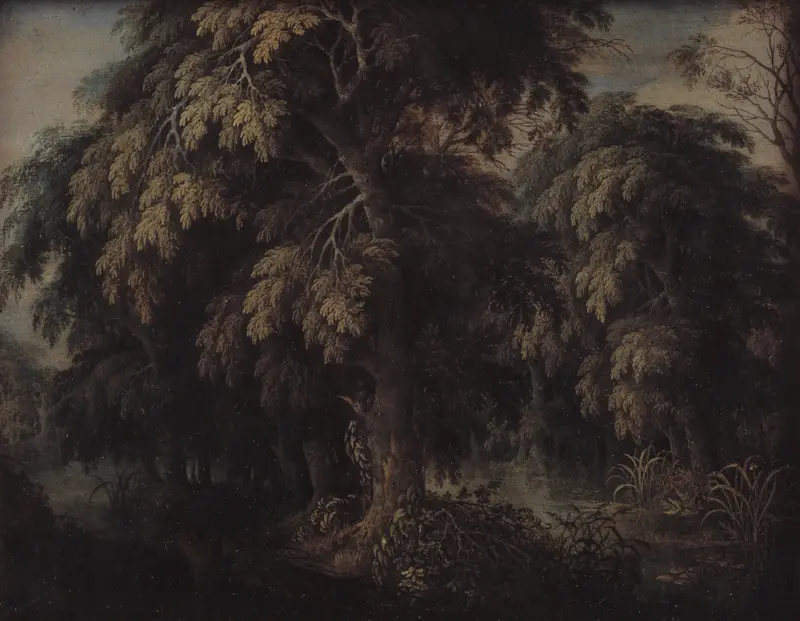
What first draws the eye is not the figures, but the lush, enveloping woods—a stage of ancient trees and tangled undergrowth, where the drama of myth is quietly set in motion. The painter, Alexander Keirincx, has chosen a moment of uneasy balance: a gathering of nymphs at the water’s edge, their gestures and glances weaving a silent tension that hints at a story just beneath the surface. Light pools on bare skin and ripples across the water, guiding the viewer from the shaded foreground to the brighter, open distance, where a winding stream leads the imagination further into the landscape.
The dogs, poised and alert, seem to sense what the human figures do not, adding a note of anticipation to the scene. Every detail—the careful placement of limbs, the subtle interplay of gazes—serves to draw the viewer into the heart of the myth, inviting questions about what has happened and what is about to unfold. Painted in 1625, this work belongs to a world where mythological subjects and wooded landscapes were in high demand among collectors eager to display learning and taste. In the early seventeenth century, artists in the Low Countries often combined classical stories with meticulously rendered nature, appealing to patrons who valued both narrative and technical skill.
Keirincx himself was known for his landscapes, and here the natural setting is as much a protagonist as the figures themselves, reflecting the era’s fascination with the wild and the cultivated. Now held in the Deutsches Historisches Museum, the error of Calisto stands as a testament to a period when painters and viewers alike delighted in the interplay of story, nature, and artifice—an invitation to linger, to search for meaning in every leaf and gesture.
More Artworks by Alexander Keirincx

River Landscape with Oak Forest
Alexander Keirincx
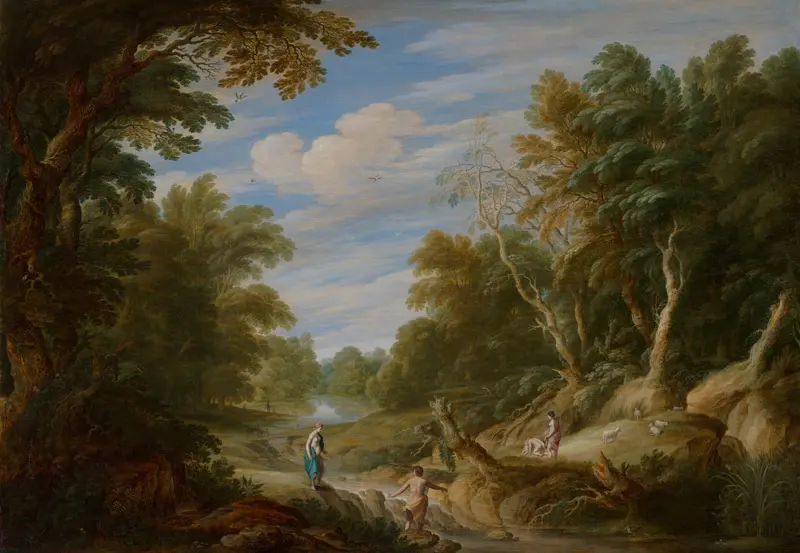
Wooded Landscape with Figures
Alexander Keirincx
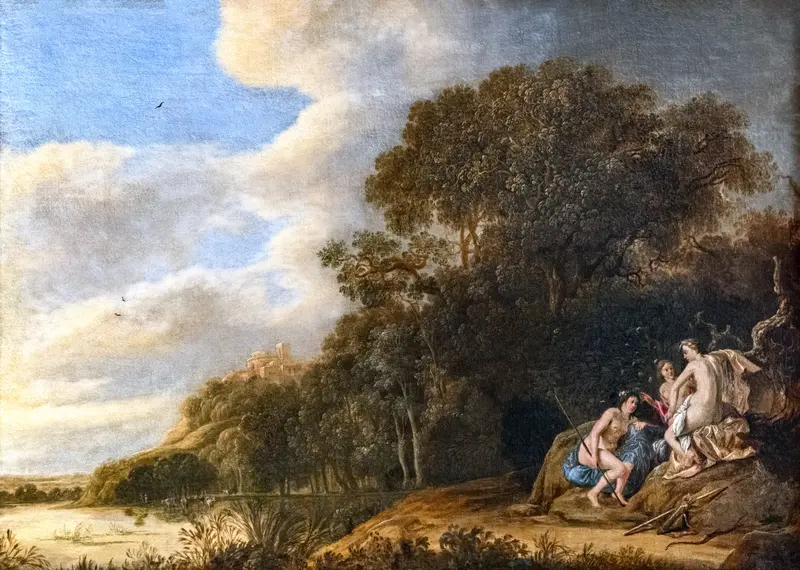
Rest of the nymphs
Alexander Keirincx
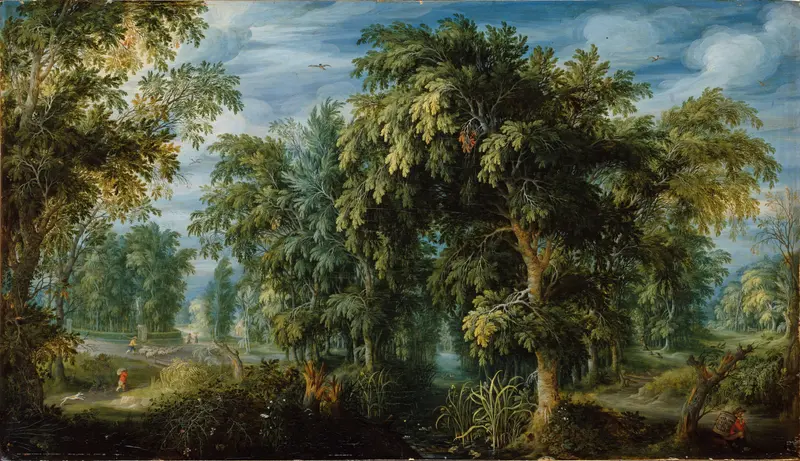
Forest landscape
Alexander Keirincx
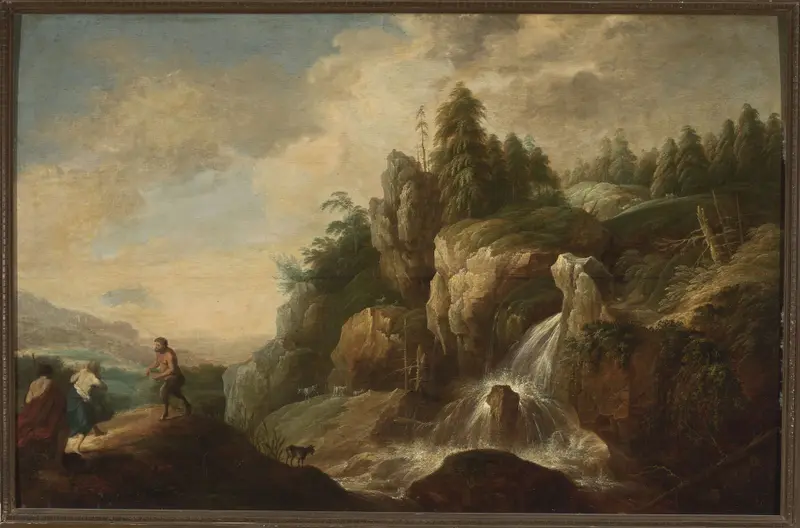
Landscape at a waterfall
Alexander Keirincx
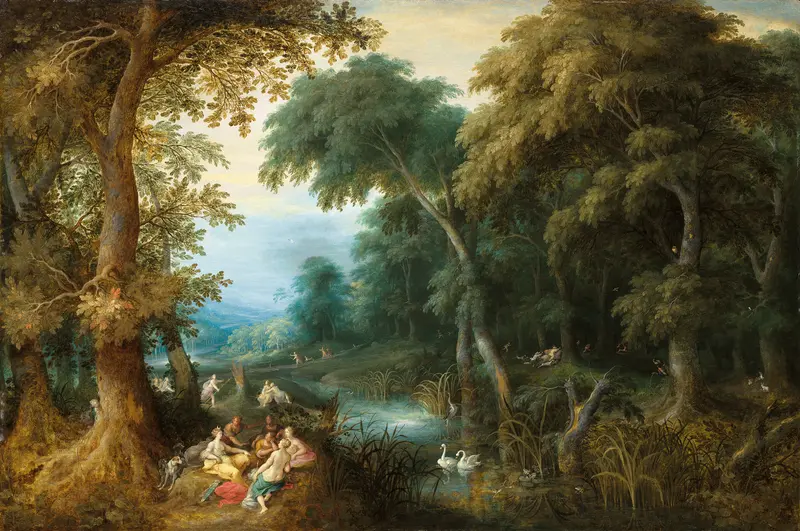
Diana and her nymphs in a wooded landscape
Alexander Keirincx
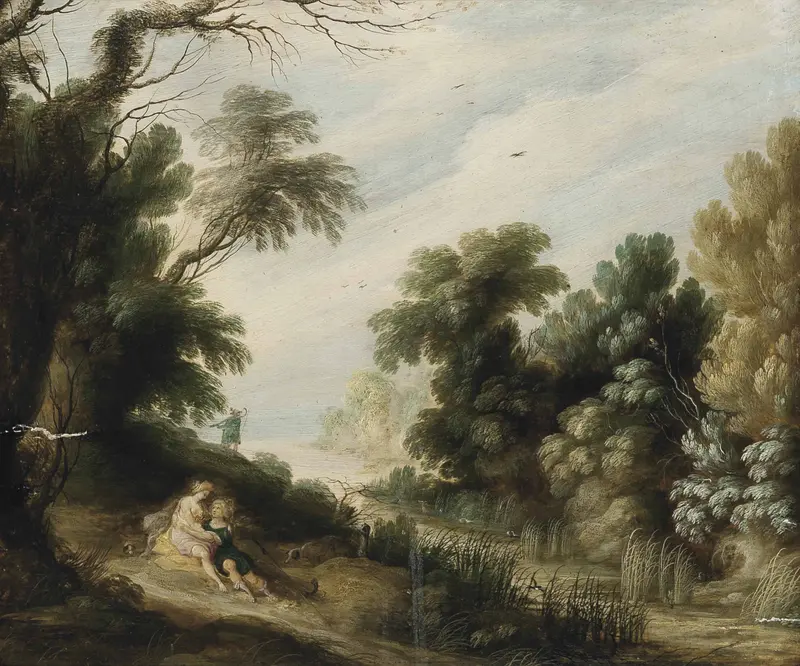
Wooded river landscape with Venus and Adonis
Alexander Keirincx
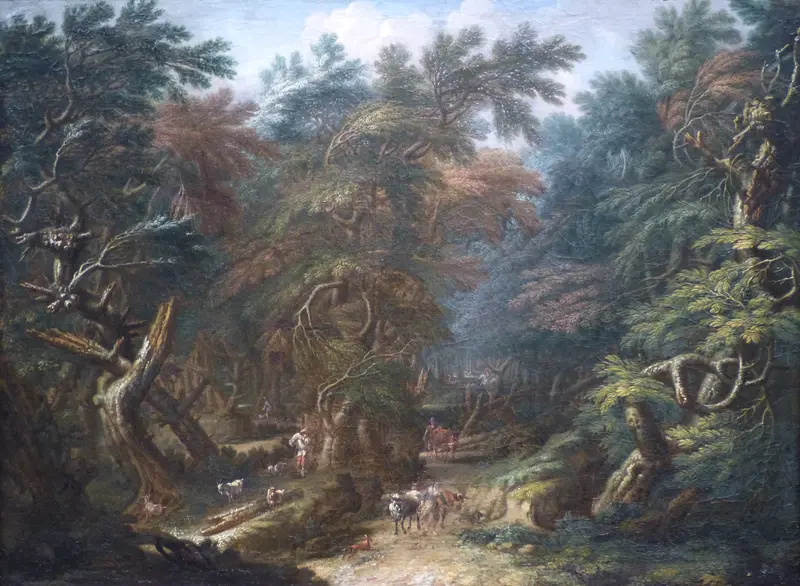
Paysage boisé avec bergers et chasse au cerf
Alexander Keirincx
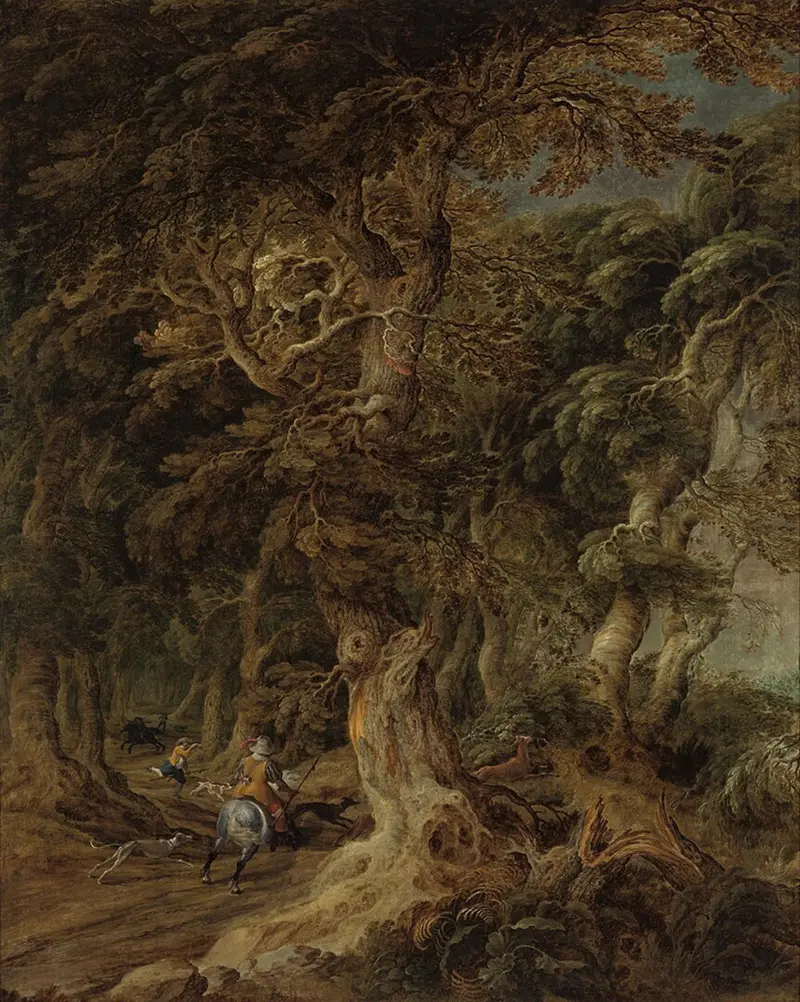
Forest View with Large Oak
Alexander Keirincx
Wooded Landscape
Alexander Keirincx





