
Diana and her nymphs in a wooded landscape — History & Facts
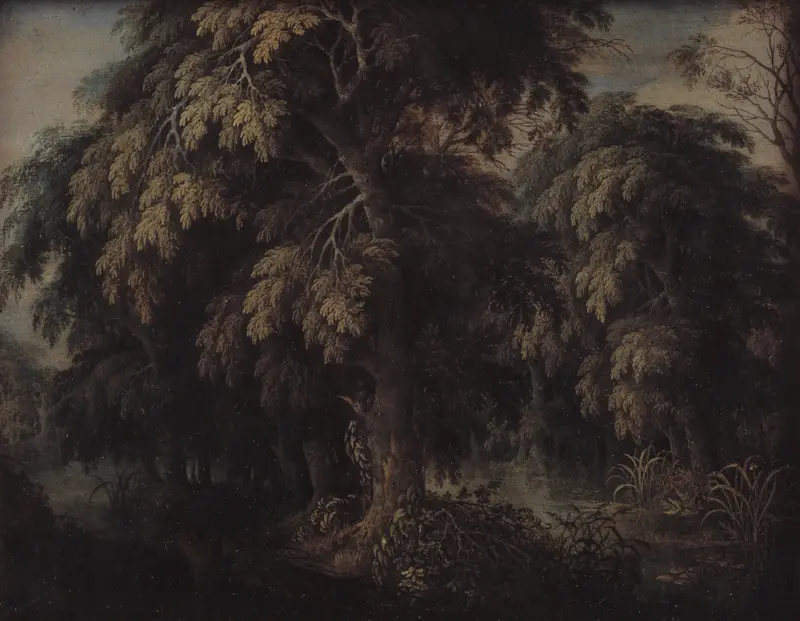
A hush falls over the wooded glade, where the painter has gathered Diana and her nymphs in a moment that feels both secret and eternal. Light sifts through the towering trees, catching on the white shoulders and bright garments of the figures clustered on the mossy bank, their forms half-sheltered by the forest’s embrace. The eye is drawn first to this gathering—an island of myth in a sea of green—before wandering to the swans gliding on the water, the distant nymphs bathing, and the subtle play of reflections and shadows that make the space feel alive and endless.
Every detail, from the careful rendering of leaves to the alert presence of Diana’s hound, signals a world both enchanted and observed with scientific care. Painted in the 17th century, Diana and her nymphs in a wooded landscape by Alexander Keirincx belongs to a genre beloved by collectors of the time: mythological scenes set within imagined, idealized nature. Such works offered their owners not only a glimpse into the world of gods and legends but also a celebration of the landscape itself—a subject that was gaining new prestige in Northern Europe. The painting’s intricate foliage and luminous sky reflect the era’s fascination with both classical stories and the natural world, a blend that appealed to patrons eager to display learning and taste.
History has kept few traces of this specific painting’s journey, but its survival in a modern collection invites us to linger, following the painter’s lead as he invites us deeper into the forest’s secrets.
More Artworks by Alexander Keirincx

River Landscape with Oak Forest
Alexander Keirincx
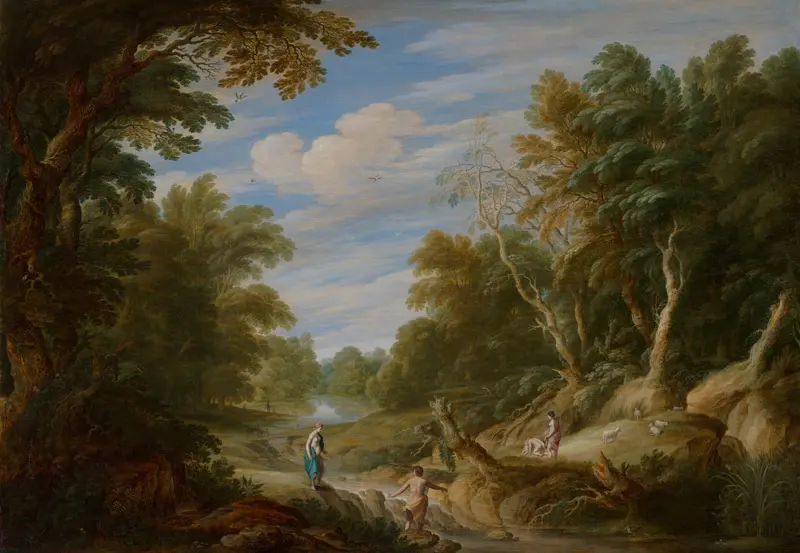
Wooded Landscape with Figures
Alexander Keirincx
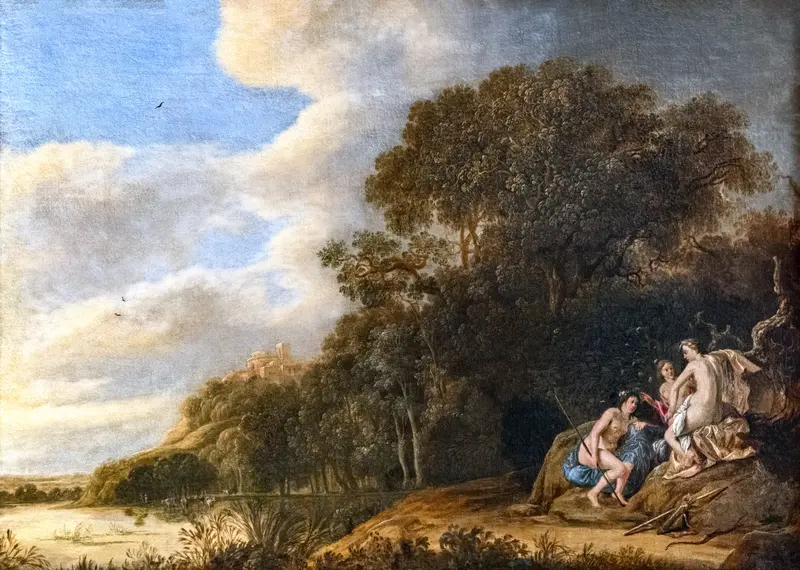
Rest of the nymphs
Alexander Keirincx
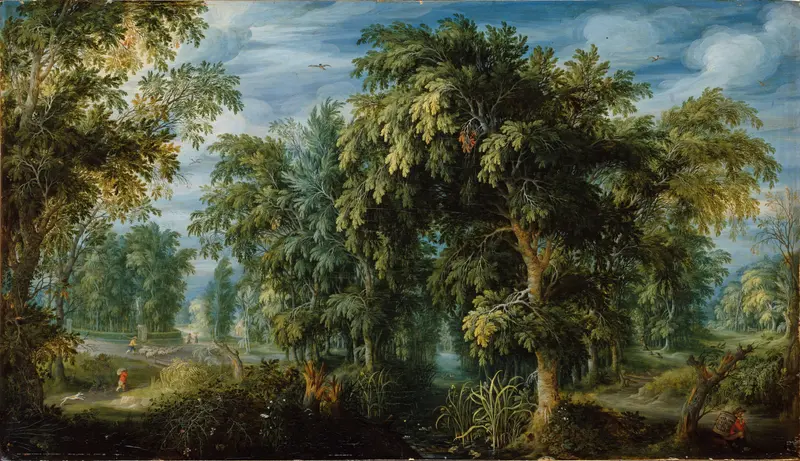
Forest landscape
Alexander Keirincx
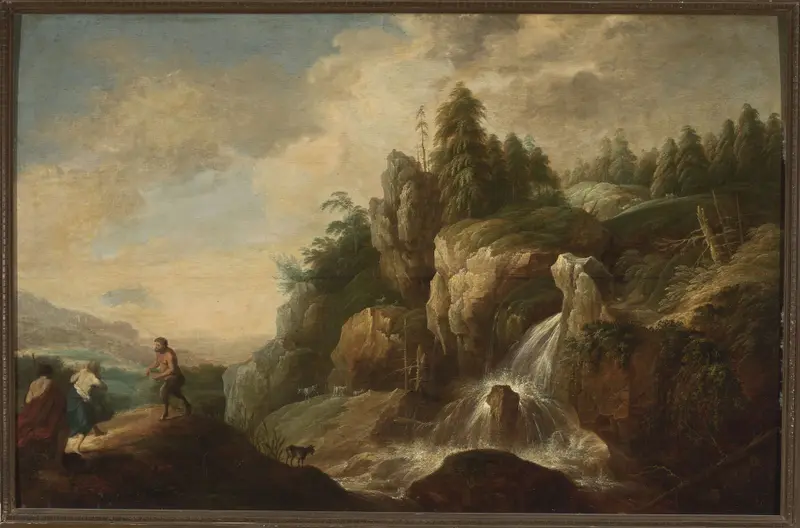
Landscape at a waterfall
Alexander Keirincx
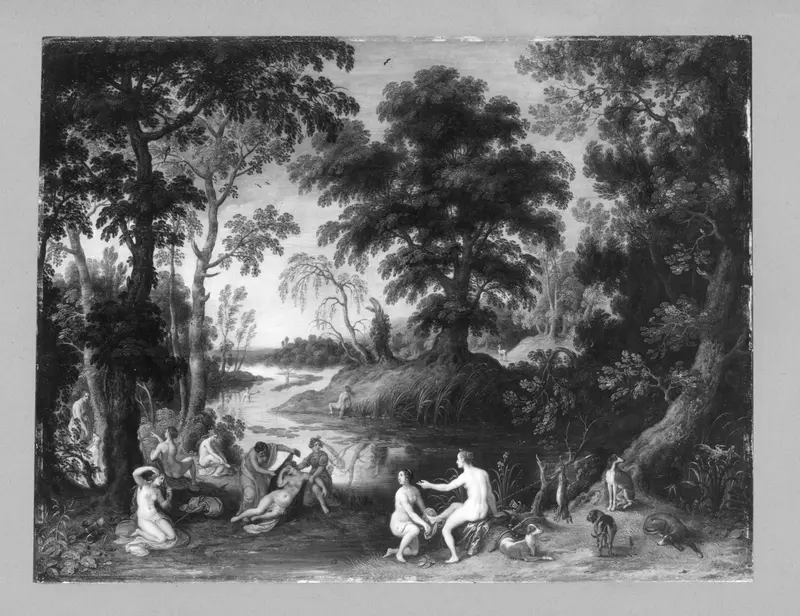
the error of Calisto
Alexander Keirincx
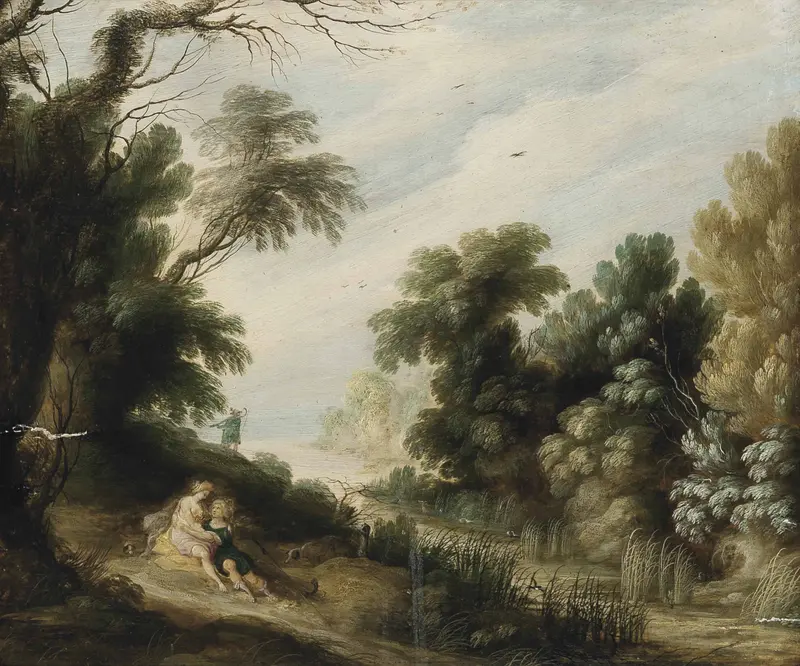
Wooded river landscape with Venus and Adonis
Alexander Keirincx
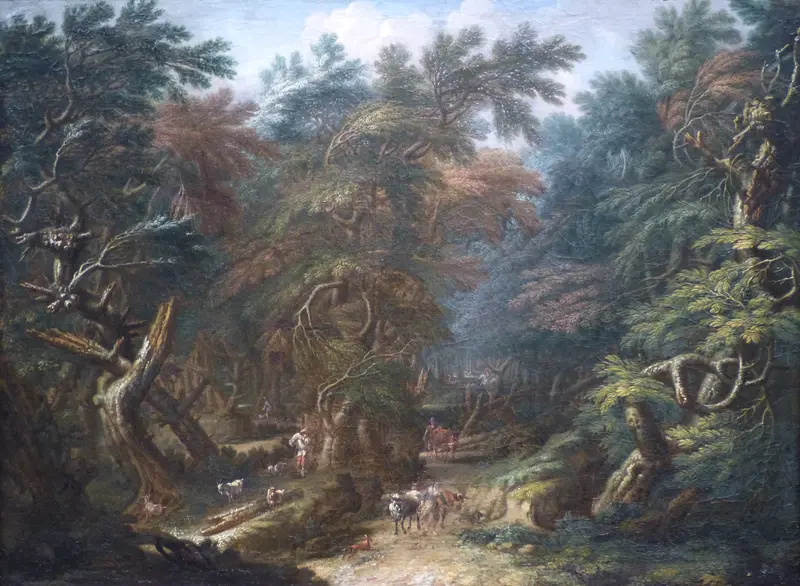
Paysage boisé avec bergers et chasse au cerf
Alexander Keirincx
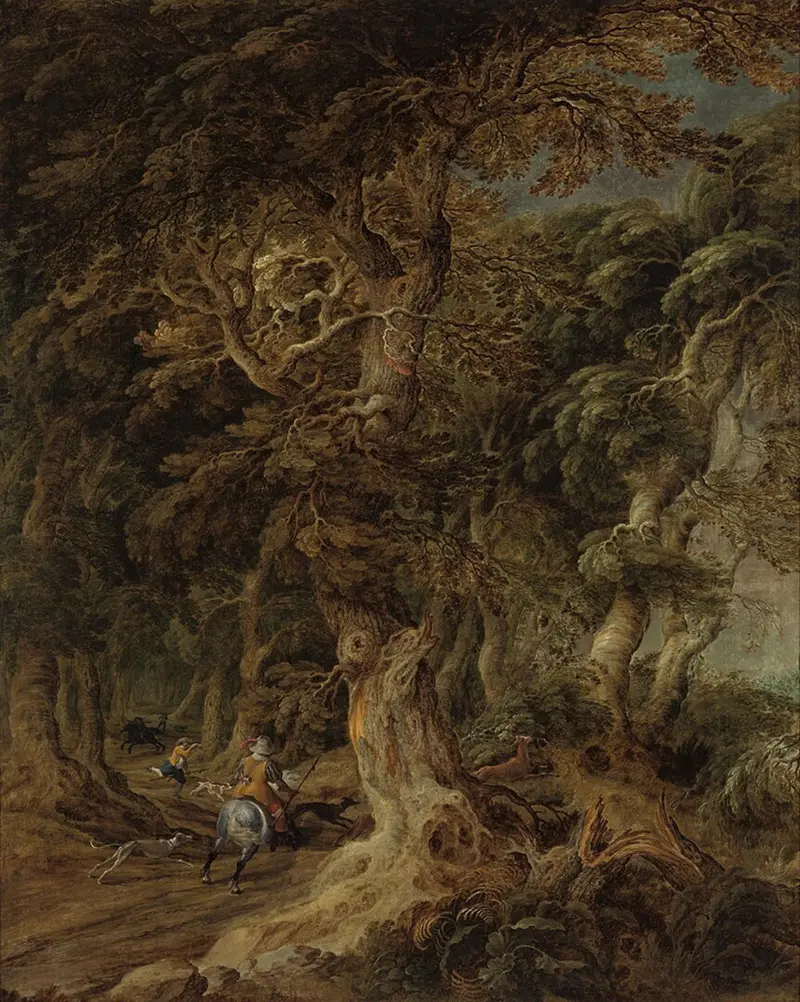
Forest View with Large Oak
Alexander Keirincx
Wooded Landscape
Alexander Keirincx





