
Landscape at a waterfall — History & Facts
What first seizes the eye in Landscape at a waterfall is the sense of drama built from rock, water, and sky—a stage where nature itself seems to perform. The painter, Alexander Keirincx, draws us into a world where a torrent of water carves its way through rugged cliffs, catching the golden light and scattering it in a spray of white. Three figures, dwarfed by the landscape, stand at the edge of a precipice: one gestures animatedly, another leans forward, and a third stands back, draped in red.
Their presence is a reminder of human smallness before the wild, and yet they anchor the scene, inviting the viewer to imagine their story. The eye is led from the figures to the waterfall, then up the rocky slope to a dense forest, and finally into a sky brushed with clouds—each element carefully placed to heighten the sense of depth and movement. Works like this emerged from the world of 17th-century Northern Europe, when artists such as Keirincx made landscape painting a genre in its own right. These paintings were often commissioned by wealthy patrons eager to display their taste and learning, or by collectors fascinated by the interplay of nature and human activity.
The National Museum in Warsaw now holds this example, a testament to the enduring appeal of imagined vistas that blend observation with invention. While history has kept few traces of this painting’s specific journey, its blend of grandeur and intimacy speaks to a time when landscapes were not just backdrops, but protagonists in their own right. Let your gaze linger on the water’s restless energy and the figures’ uncertain purpose—the painting rewards every return.
More Artworks by Alexander Keirincx

River Landscape with Oak Forest
Alexander Keirincx
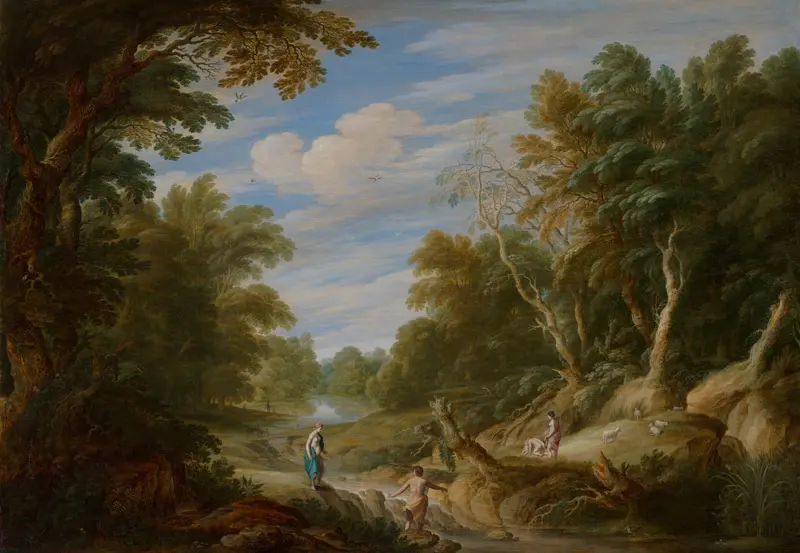
Wooded Landscape with Figures
Alexander Keirincx
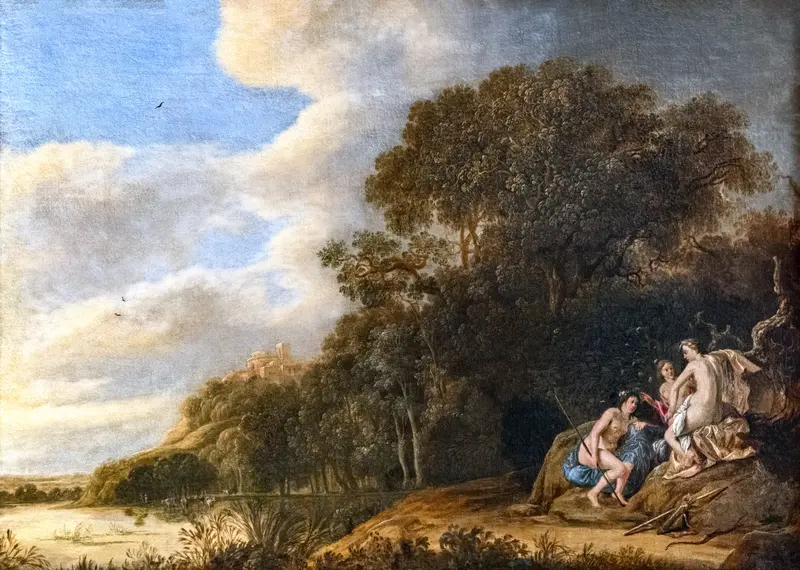
Rest of the nymphs
Alexander Keirincx
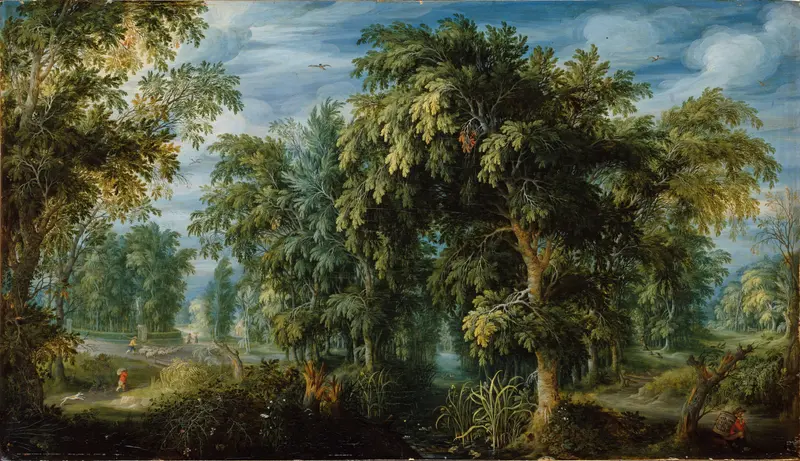
Forest landscape
Alexander Keirincx
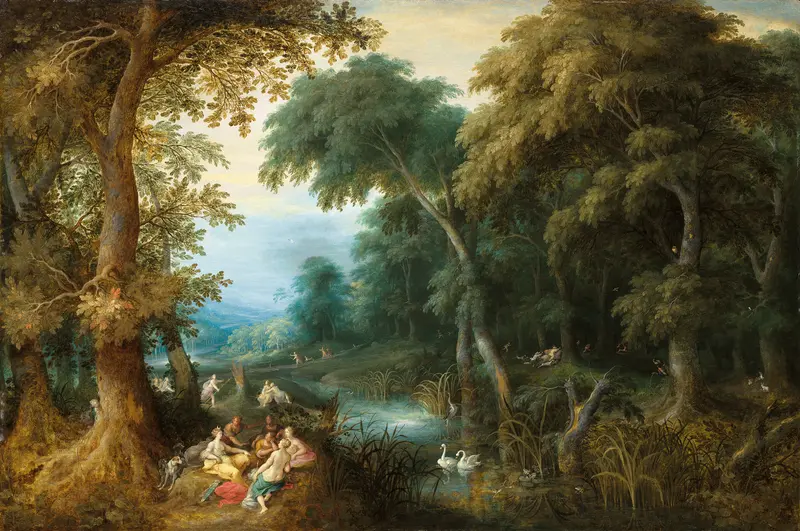
Diana and her nymphs in a wooded landscape
Alexander Keirincx
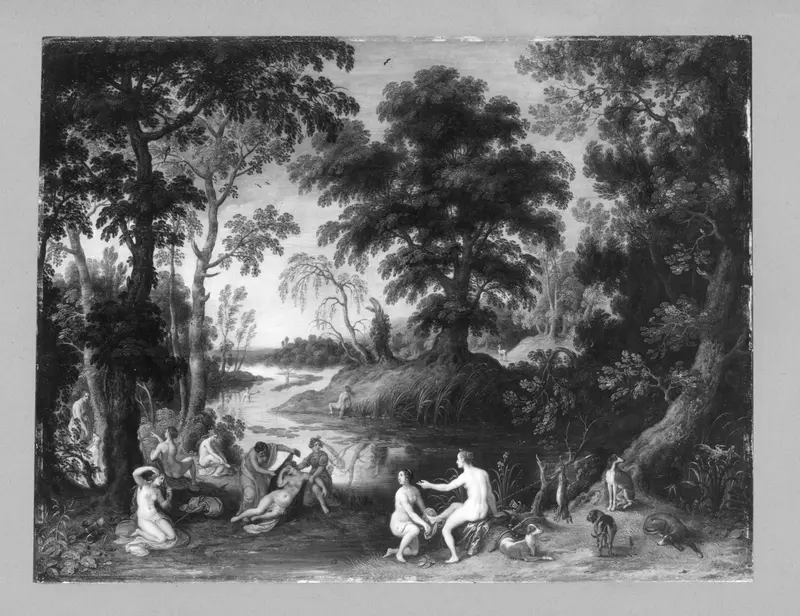
the error of Calisto
Alexander Keirincx
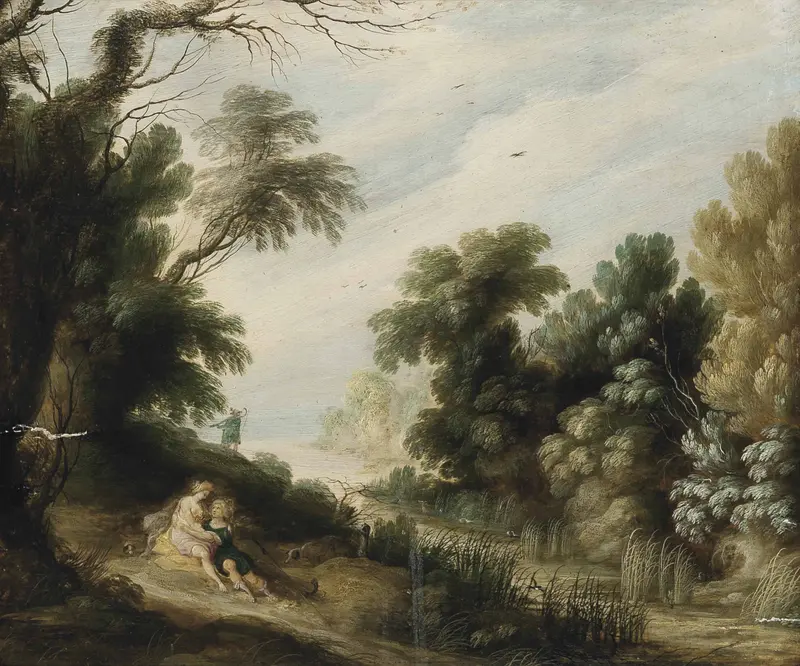
Wooded river landscape with Venus and Adonis
Alexander Keirincx
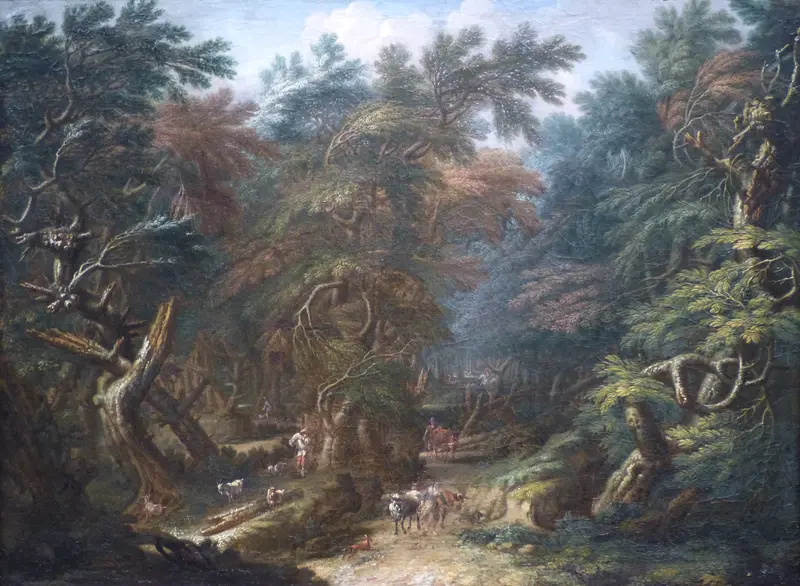
Paysage boisé avec bergers et chasse au cerf
Alexander Keirincx
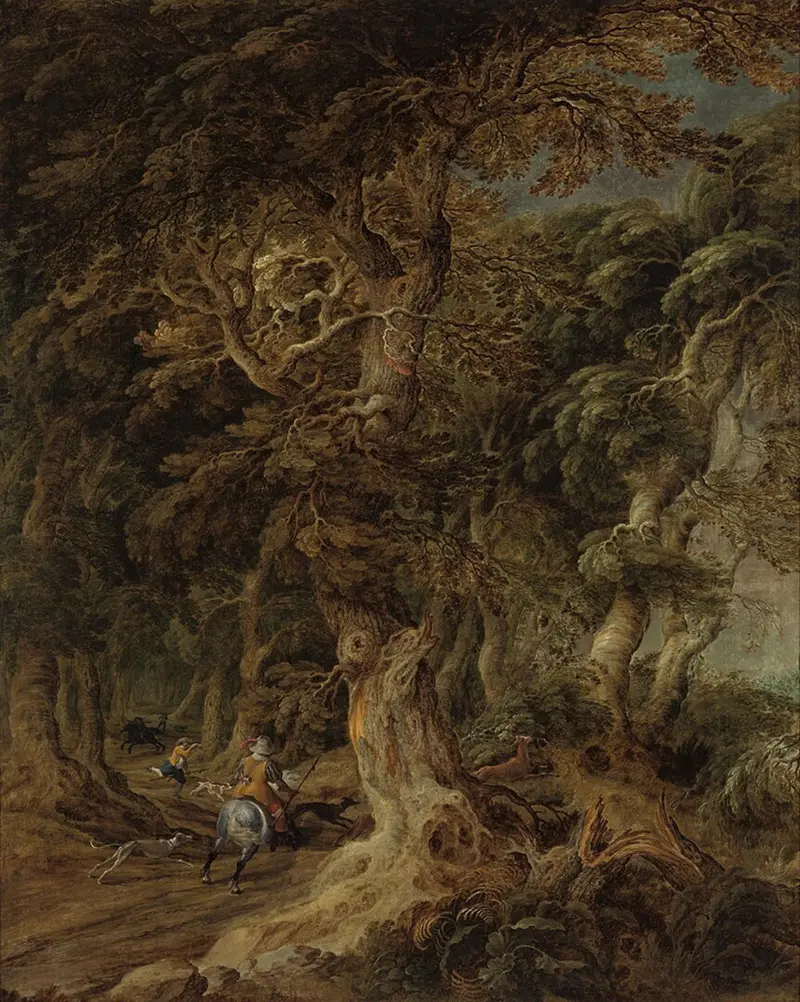
Forest View with Large Oak
Alexander Keirincx
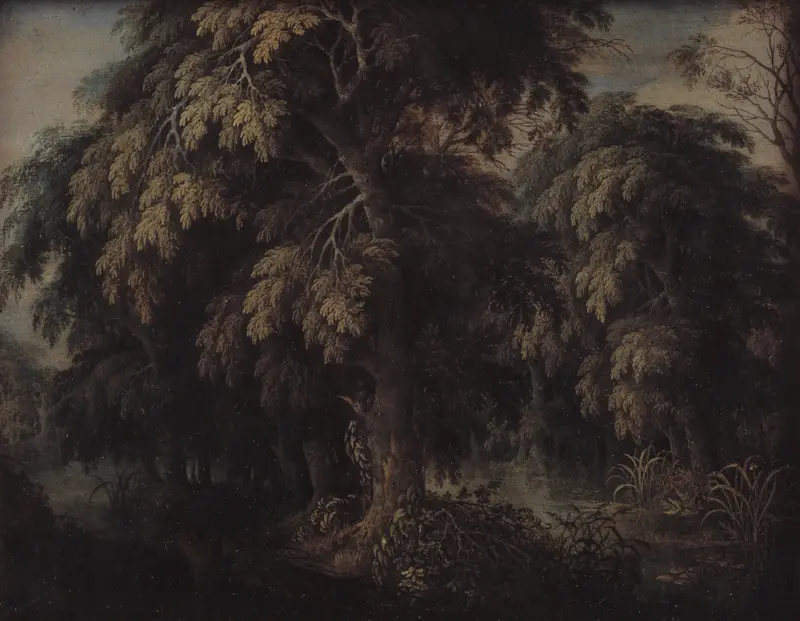
Wooded Landscape
Alexander Keirincx
More Landscape Art

The Starry Night
Vincent van Gogh

View of Delft
Johannes Vermeer

Water Lilies
Claude Monet

The Grand Canal, Venice, looking north-west from the Ca' Corner to the Ca' Contarini degli Scrigni, with the campanile of Santa Maria della Carità
Canaletto

Windsor Castle
Canaletto

The Grand Canal looking North-East from the Palazzo Dolfin-Manin to the Rialto Bridge
Canaletto