
Bestraffing van de kinderen die Elisa bespotten — History & Facts
Is this a mirror — or a memory? A fleeting moment captured in paint, where laughter dances on the edge of cruelty, yet the weight of loss lingers like a fading echo. Focus first on the central figure, a stern man imposing authority amidst a small gathering of children. The sharp lines of his robe contrast with the softness of their youthful forms. Notice how the light illuminates his face, revealing a grim resolve, while shadows cloak the children, their expressions caught between fear and mischief.
The muted palette enhances the gravity of the scene, driving home the somber message of discipline and the heaviness of consequence. As you examine the small details, consider the symbolism of the children’s postures — some avert their gaze, while others cling to one another, hinting at a shared vulnerability. The direct interaction between the man and the children speaks volumes; it reflects a stark contrast between authority and innocence, a moment frozen in time that encapsulates the complexities of childhood. Here, loss takes on a duality: the loss of innocence and the loss of joy, each child’s laughter now tempered by the looming presence of punishment. Hans Holbein (II) created this work in 1538 during a period marked by profound changes in European art and society.
Working in Basel and later London, he navigated the tensions of the Renaissance, where humanism often clashed with the demands of morality. The painting reflects the intricate interplay of authority and youth, a response to the cultural expectations of the era, and serves as a poignant reminder of the sometimes harsh realities of growing up.
More Artworks by Hans Holbein (II)
Browse all →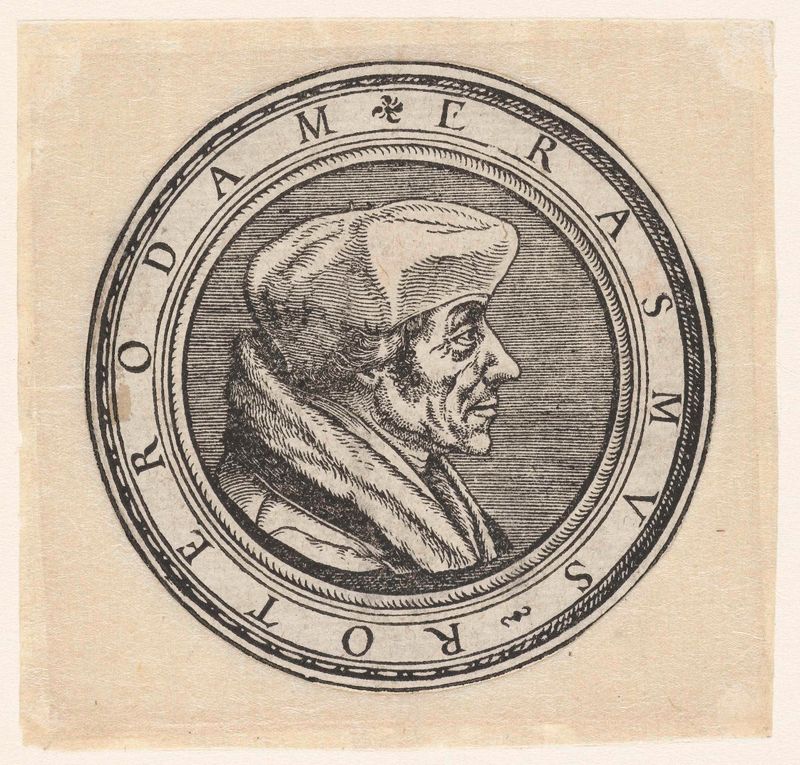
Portret van Erasmus
Hans Holbein (II)
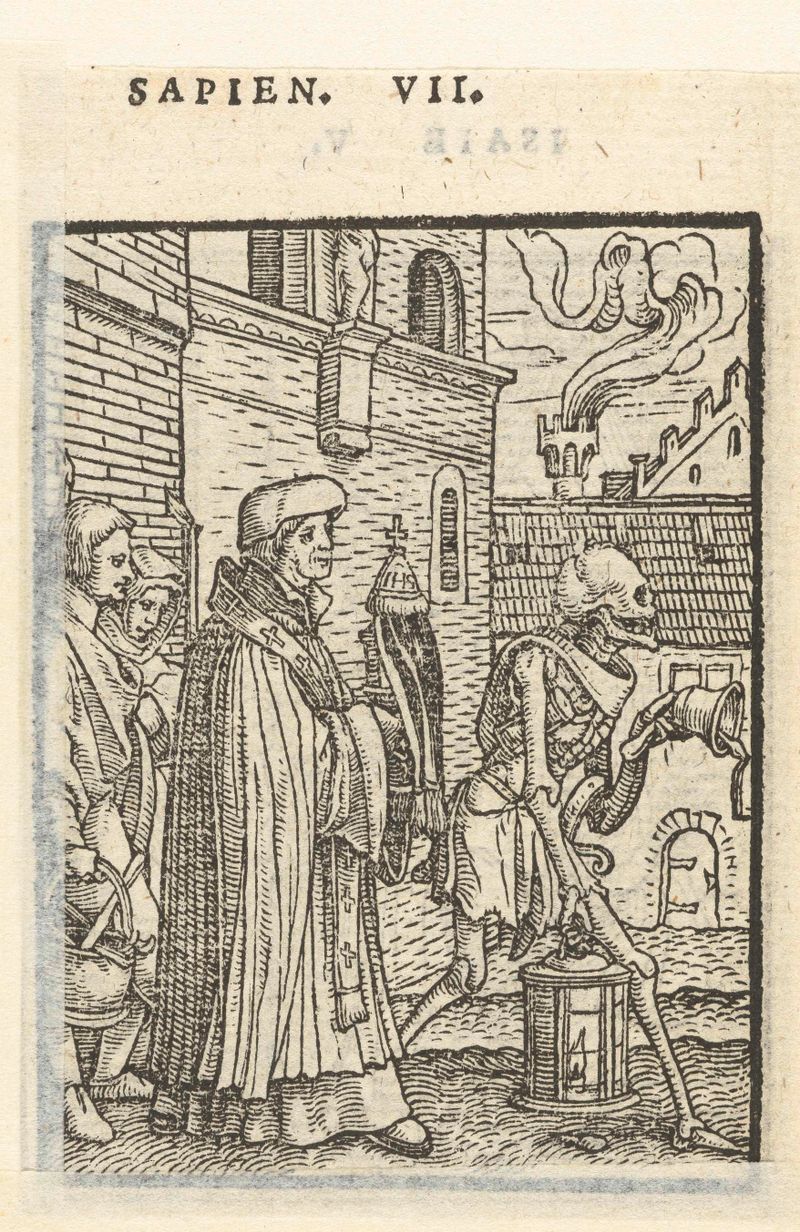
Priester en de Dood
Hans Holbein (II)
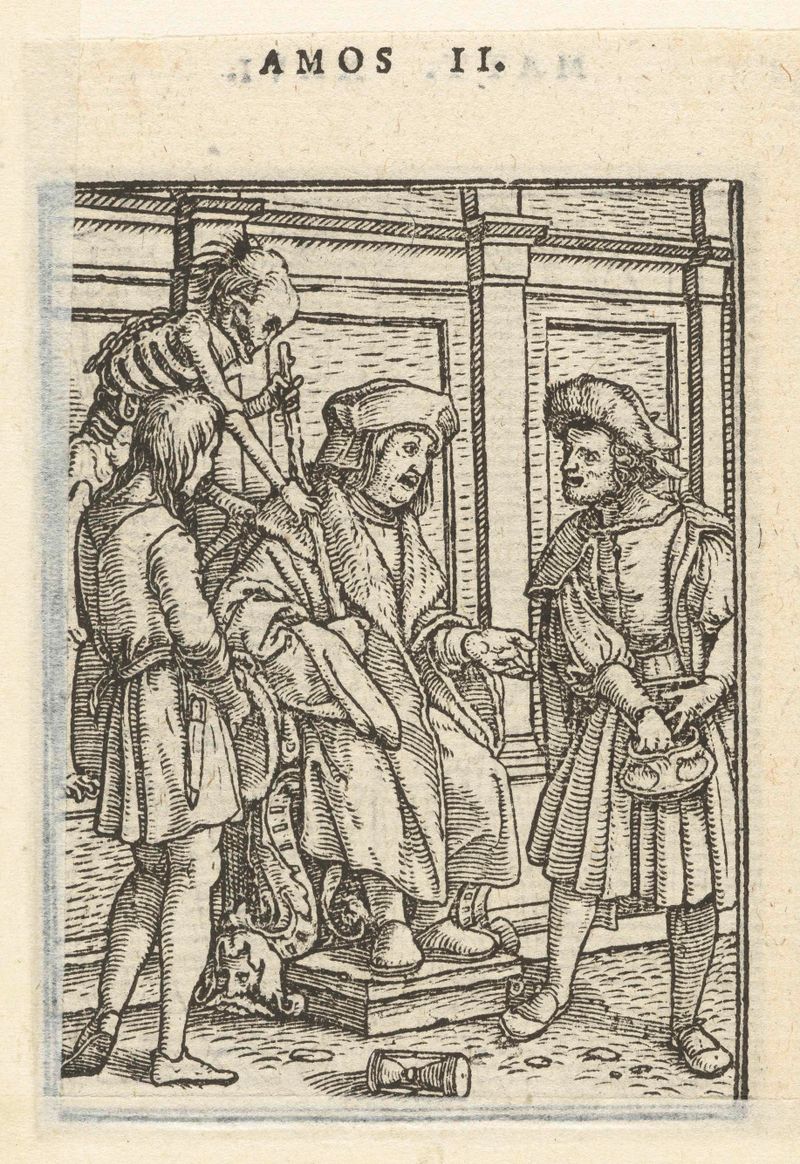
Rechter en de Dood
Hans Holbein (II)
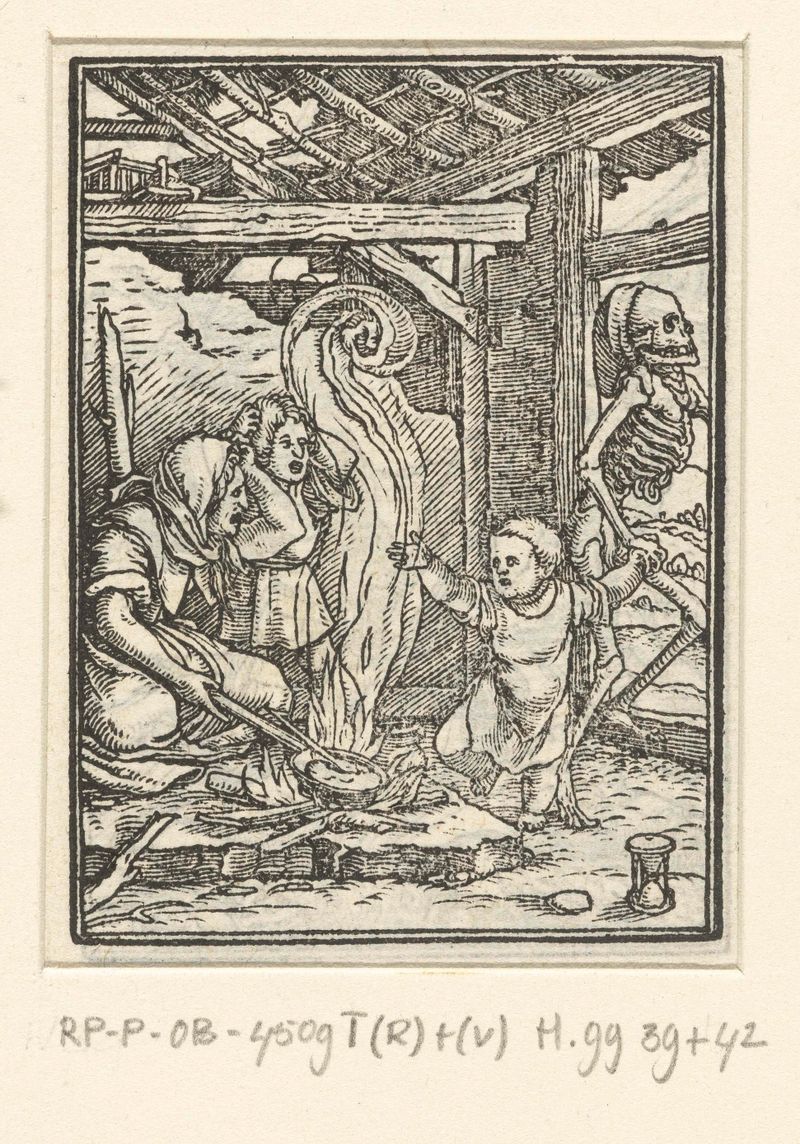
Kind en de Dood
Hans Holbein (II)
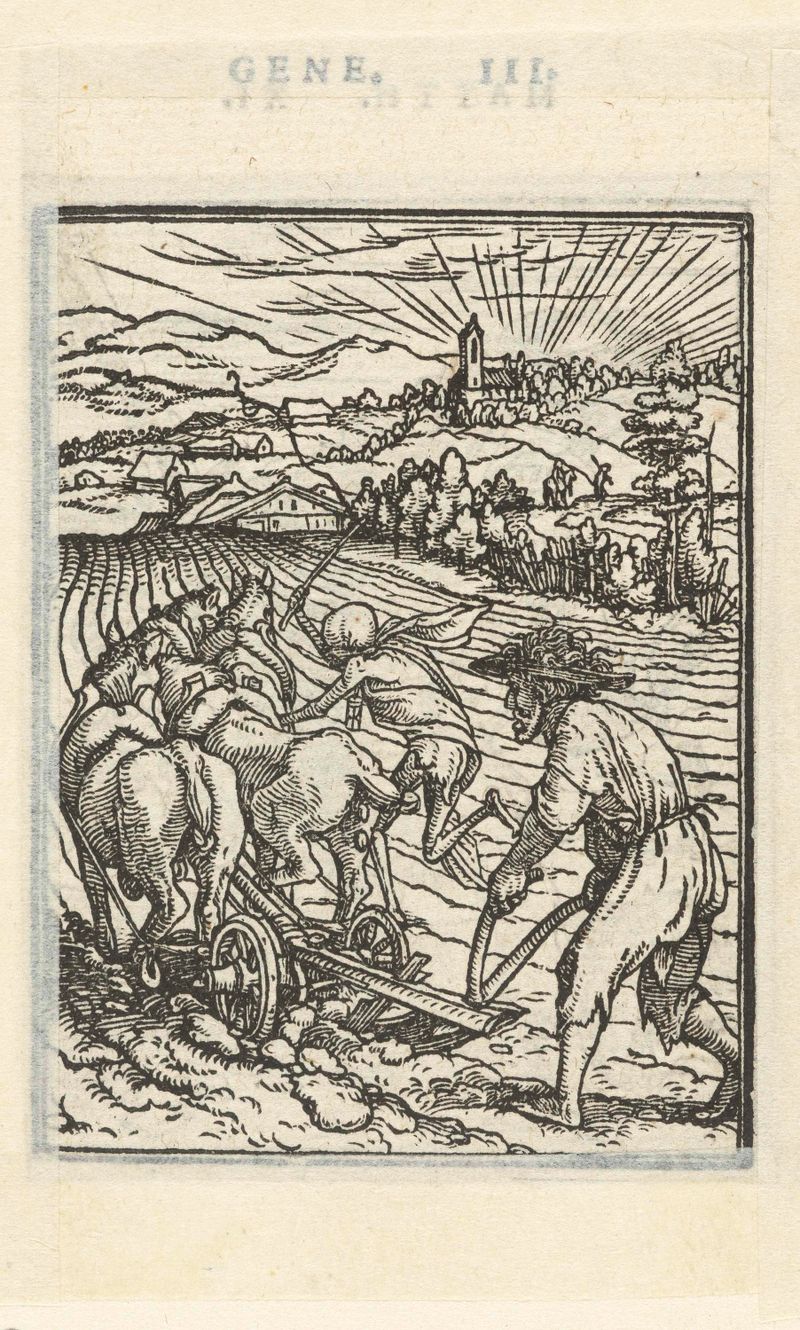
Boer en de Dood
Hans Holbein (II)
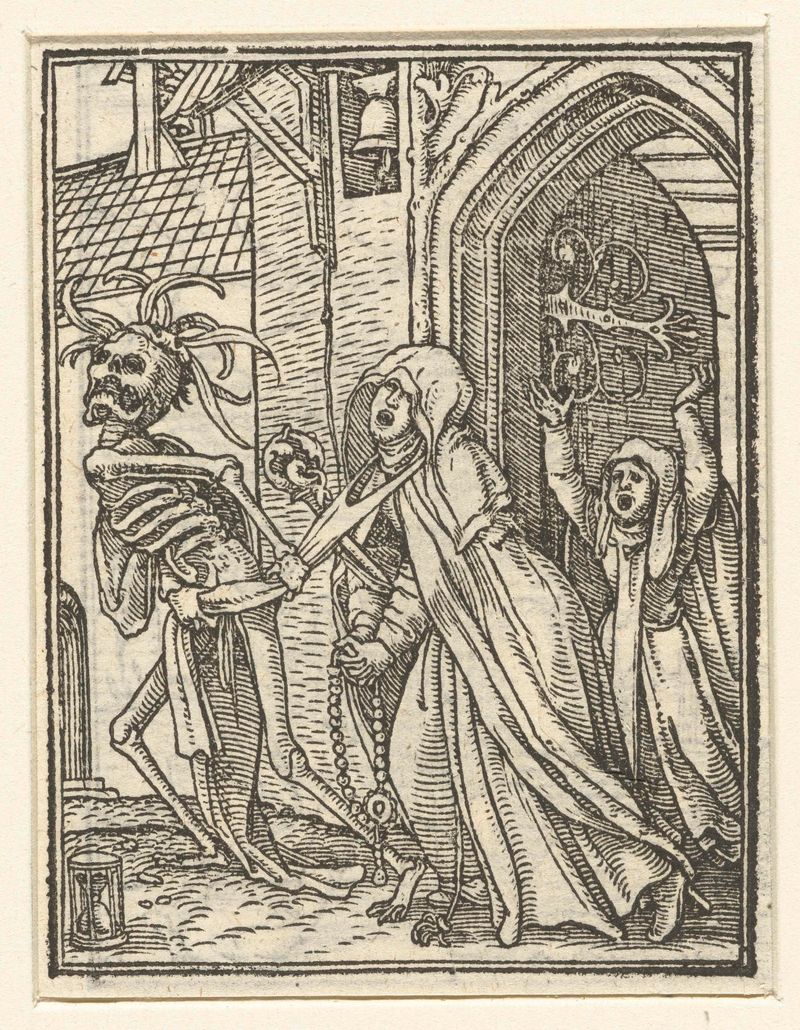
Abdis en de Dood
Hans Holbein (II)
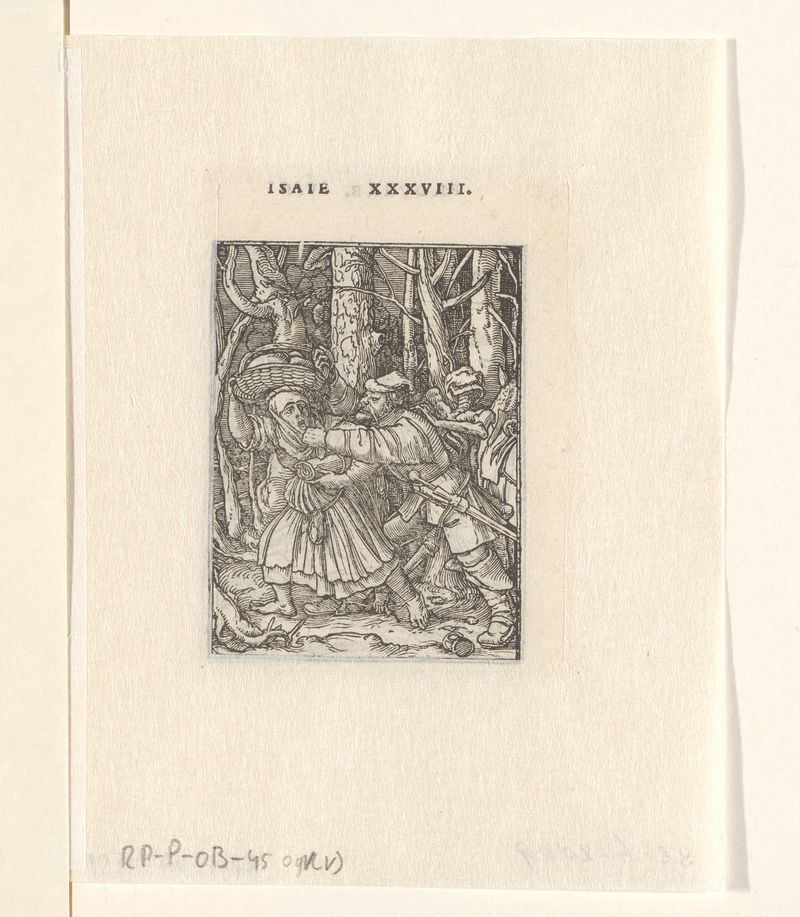
Dief en de Dood
Hans Holbein (II)
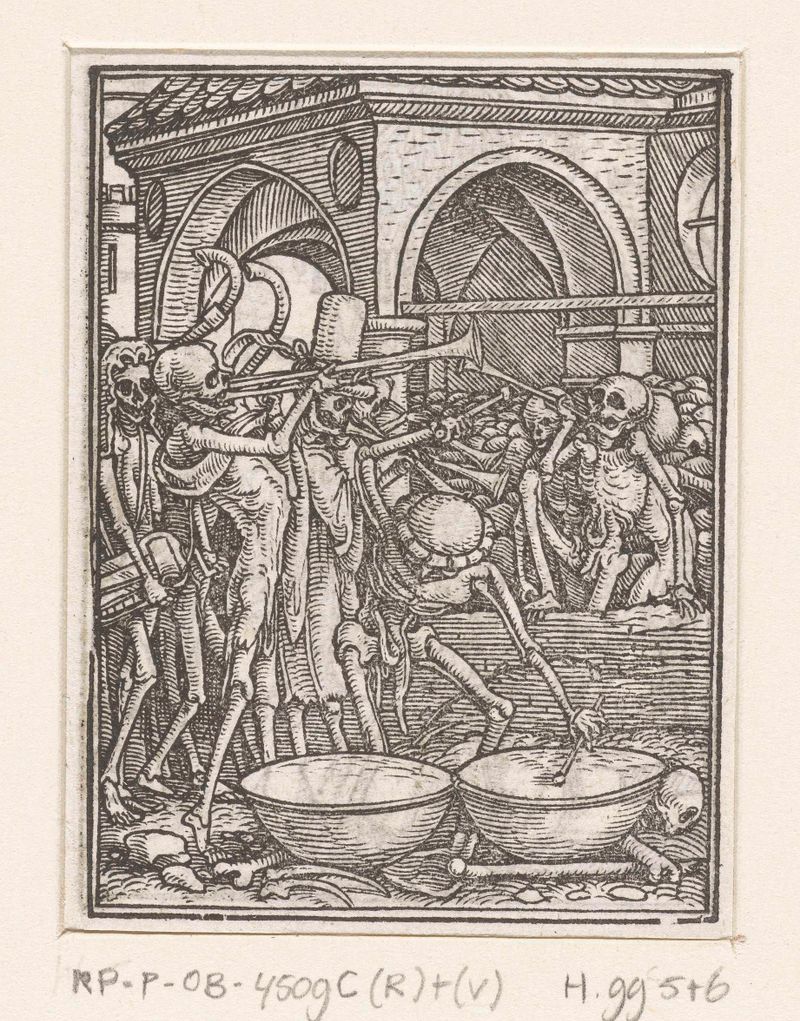
Skeletons Making Music from Dance of the Dead
Hans Holbein (II)
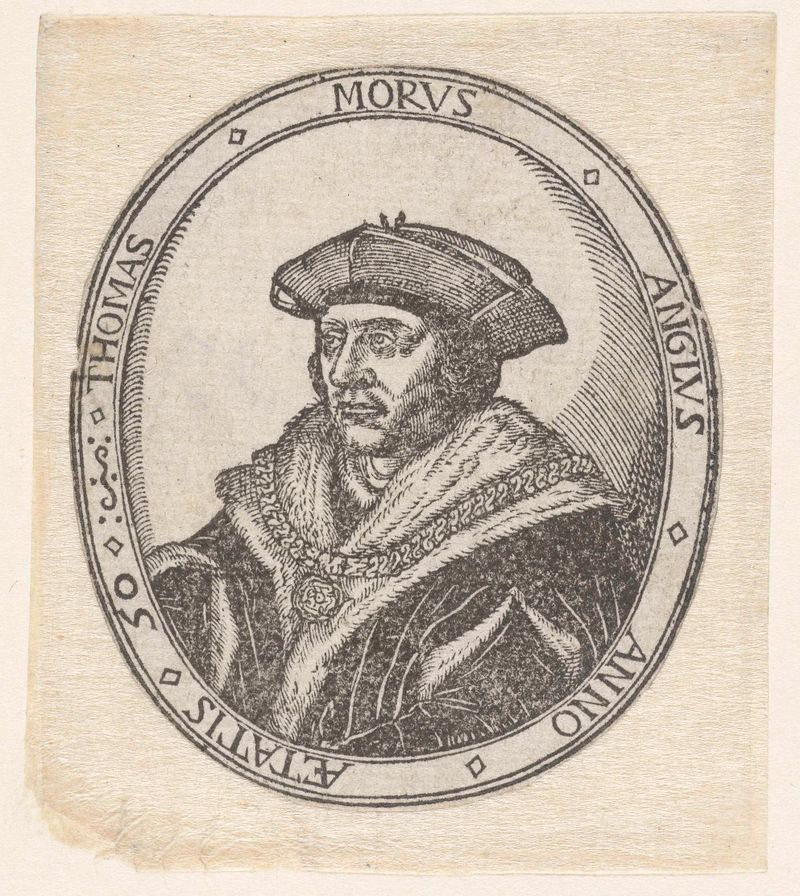
Portret van Thomas More
Hans Holbein (II)
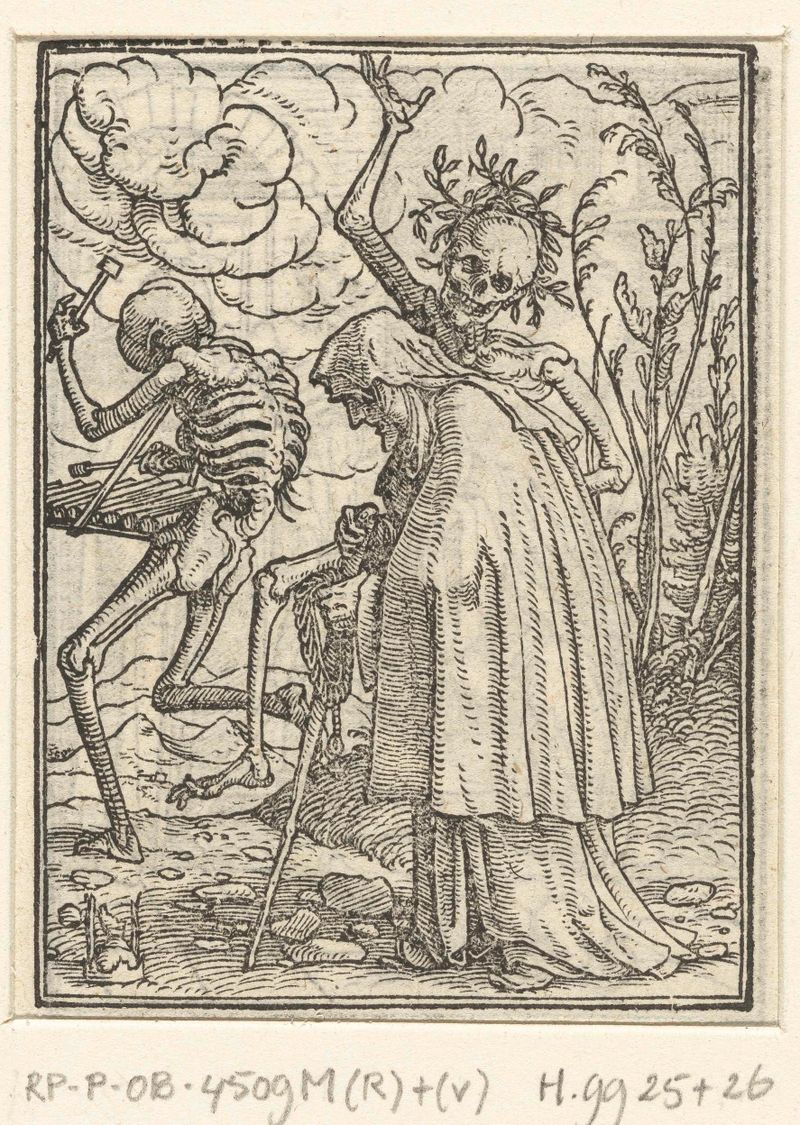
Oude vrouw en de Dood
Hans Holbein (II)
More Historical Art
Browse all →
The Night Watch Militia Company of District II under the Command of Captain Frans Banninck Cocq
Rembrandt van Rijn

Lincoln Memorial
Henry Bacon

The Third of May 1808
Francisco de Goya

Isaac and Rebecca, Known as ‘The Jewish Bride’
Rembrandt van Rijn

The Charge of the Mamelukes (1814)
Francisco de Goya

De vier ruiters van de apocalyps
Albrecht Dürer