
Bila Tserkva — History & Facts
In the stillness of Bila Tserkva, the viewer is drawn into a world that teeters on the edge of madness, where nature converses with the spirit of humanity. Each brushstroke whispers secrets, inviting contemplation of the unseen turmoil that simmers beneath the tranquil façade. Look to the left at the gentle strokes of green that cradle the hilly landscape, where the trees stand like sentinels, guarding the emotional core of the scene. Notice how the light filters through the branches, casting dappled shadows that dance upon the ground, creating an interplay between serenity and unrest.
The palette, rich yet subdued, evokes a feeling of nostalgia, pulling you deeper into the artist's expressive vision. Hidden within the tranquil beauty of the countryside are echoes of emotional tension. The untouched fields and looming clouds suggest an impending storm, a metaphor for the inner chaos that often accompanies external calm. The soft hues of blue and green contrast with the darkening sky, hinting at the madness lurking just beyond the picturesque landscape, perhaps reflecting the artist's own struggles with the nature of reality. In 1890, Jan Stanisławski was forging his path in the art world while living in Poland, a time when national identity was a poignant subject amidst political upheaval.
Bila Tserkva was painted during his explorations of Impressionism, as he sought to capture not just the physical beauty of the landscape but also the emotional resonance it held. This painting serves as a window into both the serenity of nature and the complicated human psyche.
More Artworks by Jan Stanisławski
Browse all →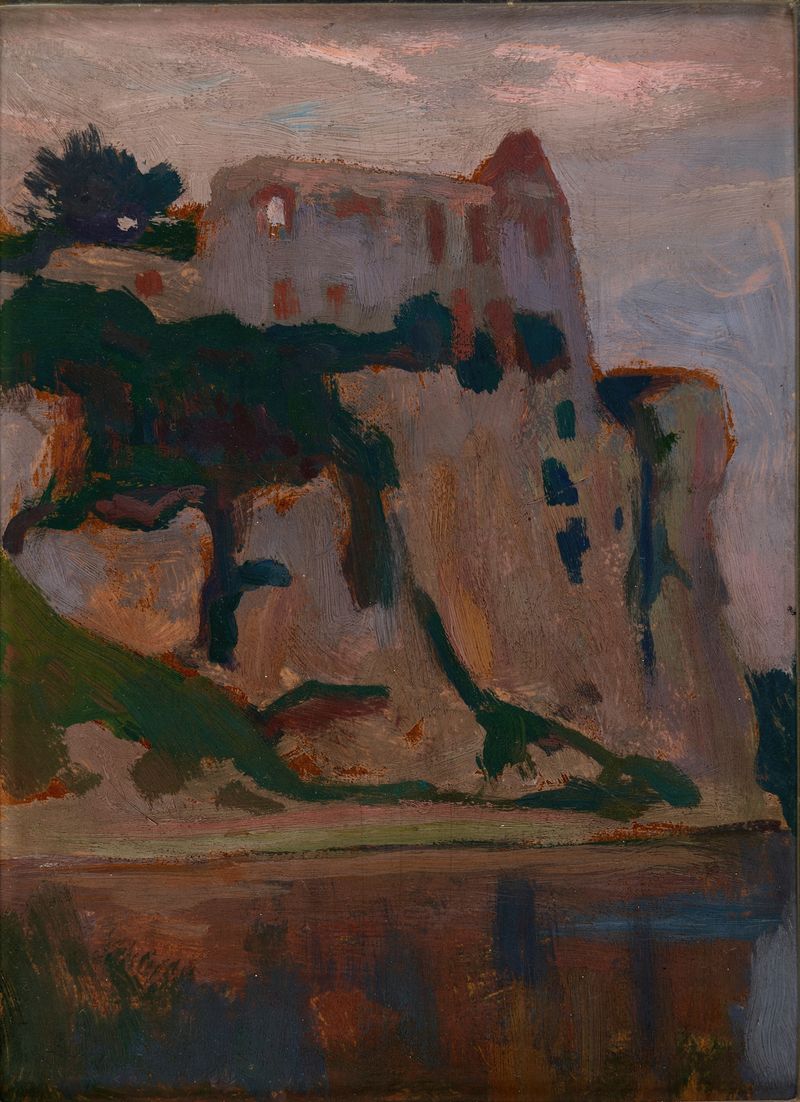
Tyniec at Dawn
Jan Stanisławski
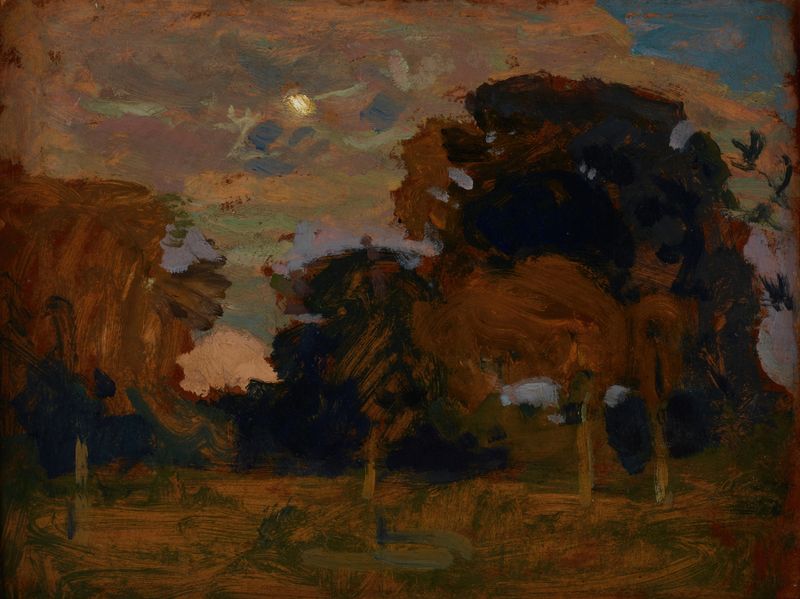
Moon in the Clouds
Jan Stanisławski
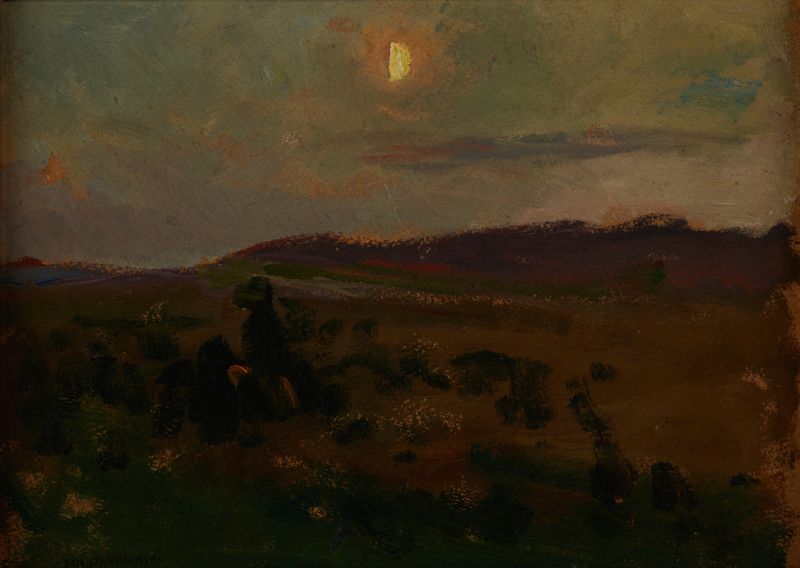
Moonrise
Jan Stanisławski
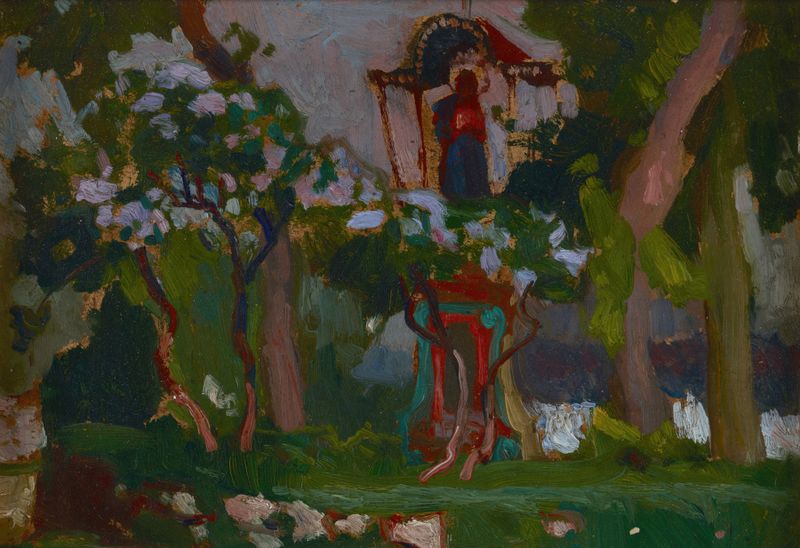
May
Jan Stanisławski
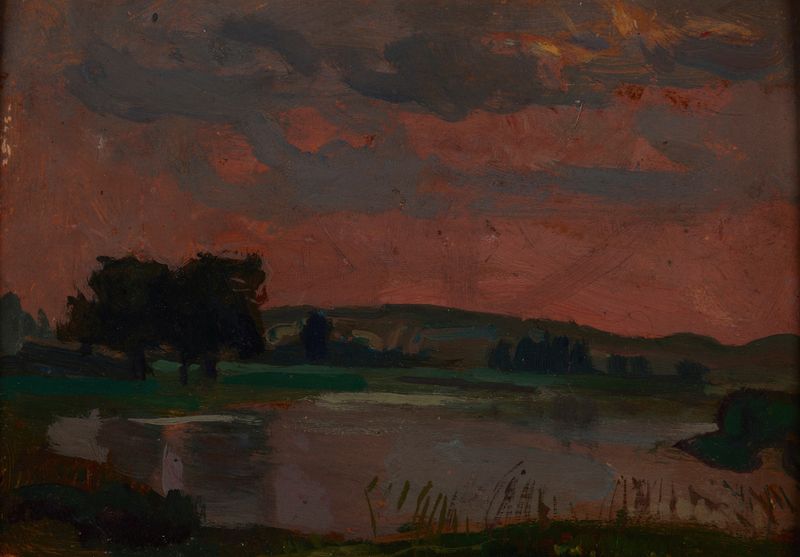
The Vistula in the Twilight
Jan Stanisławski
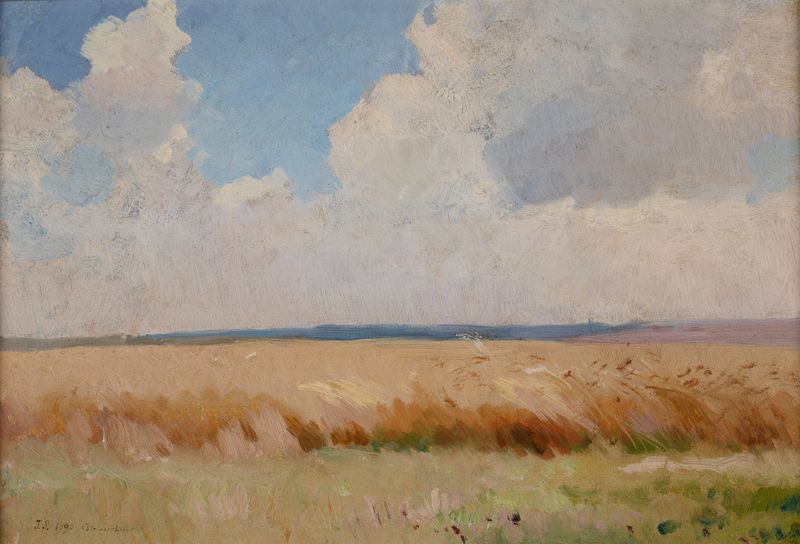
Field at Białocerkiew (Bila Tserkva)
Jan Stanisławski
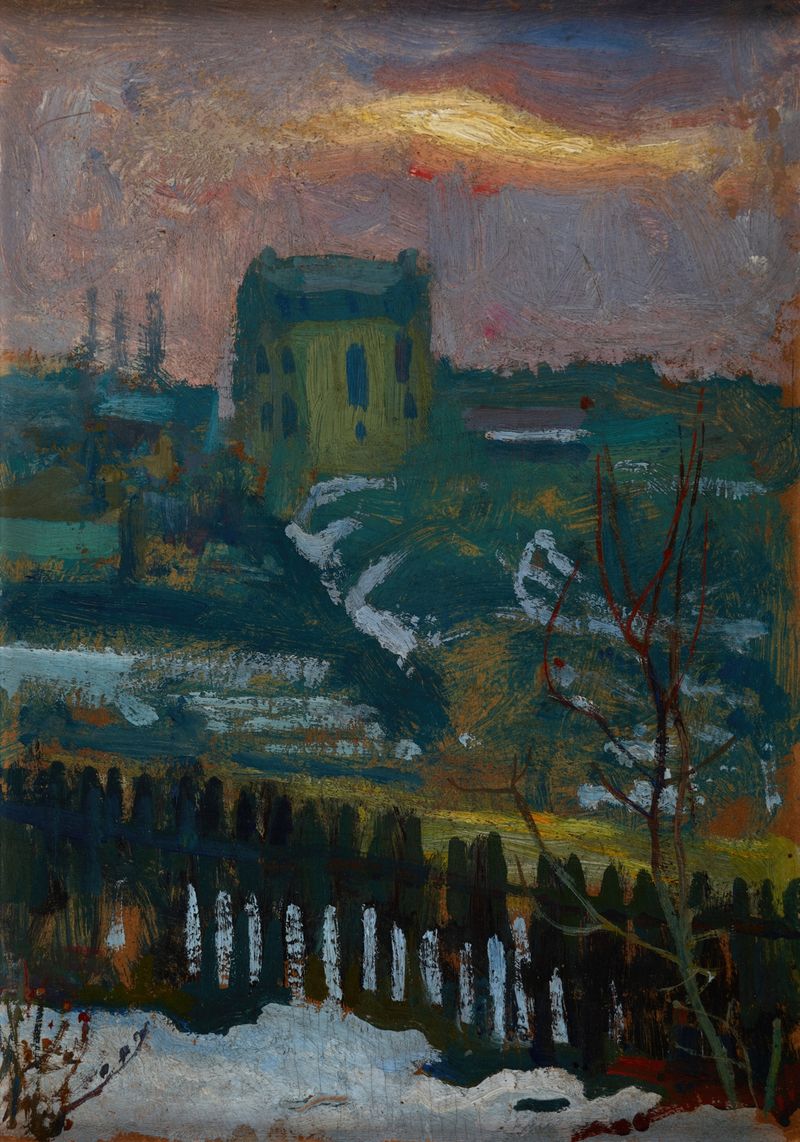
House in Winter
Jan Stanisławski
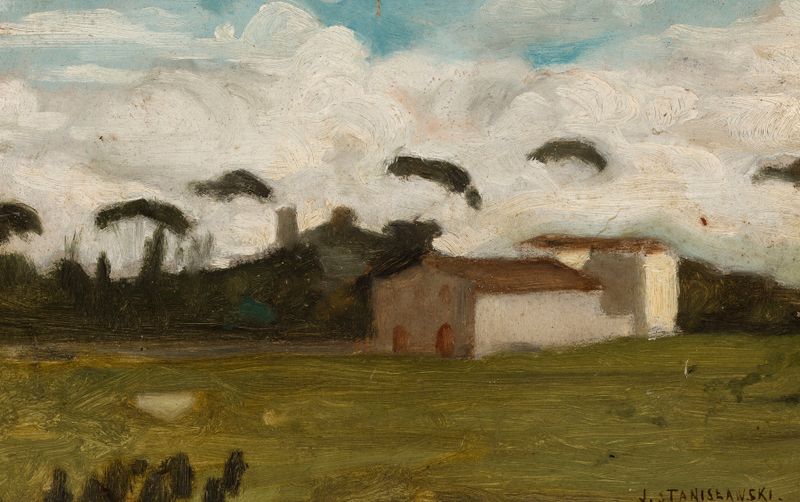
Landscape
Jan Stanisławski
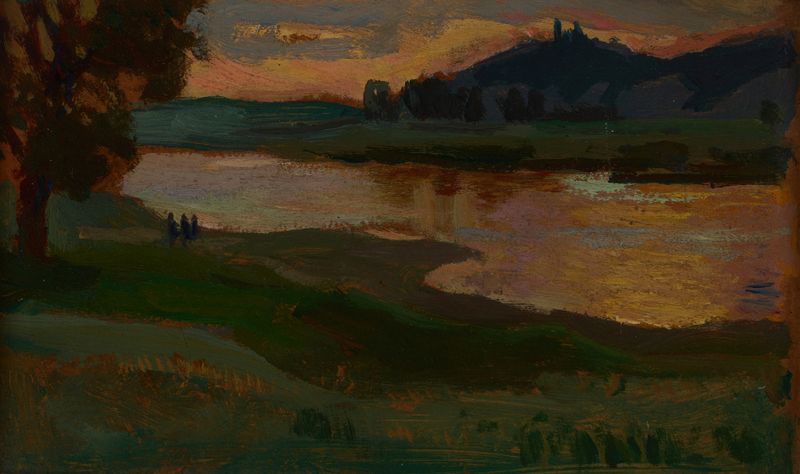
Bielany at Dusk
Jan Stanisławski
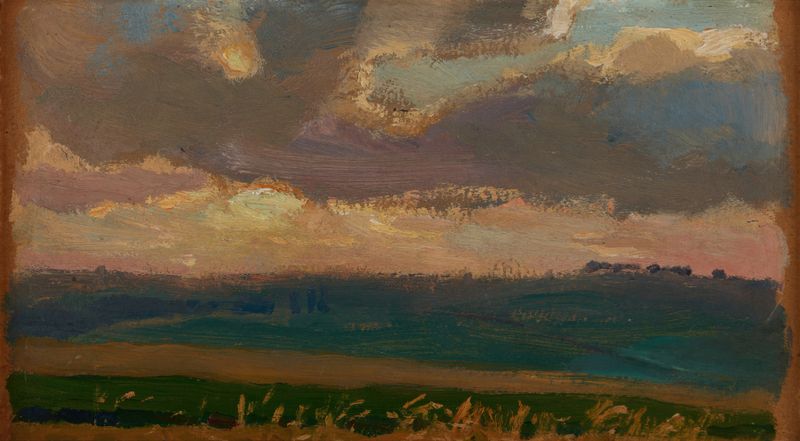
Fields at Proszowice
Jan Stanisławski





