Binnenplaats van een huis — History & Facts
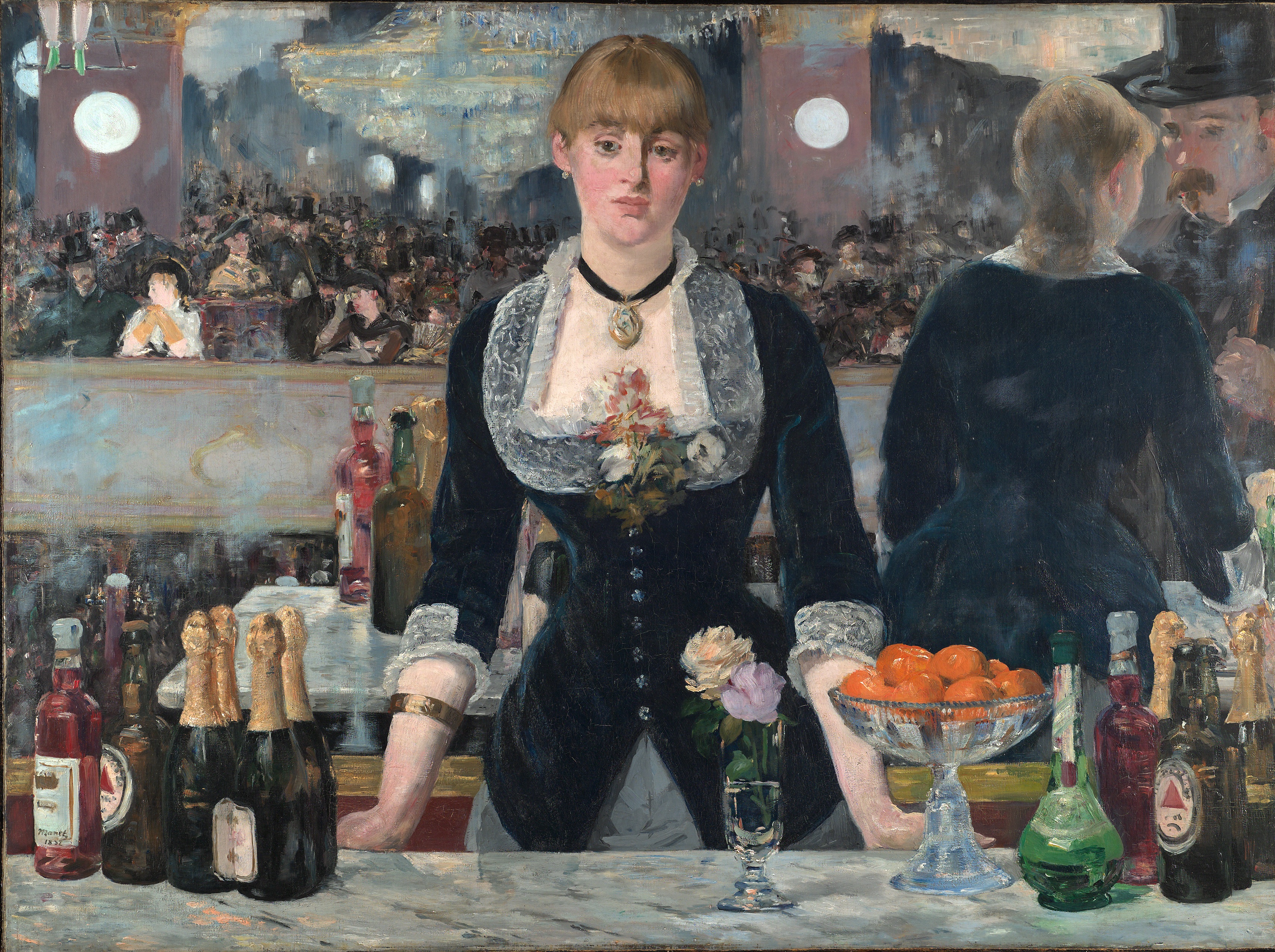
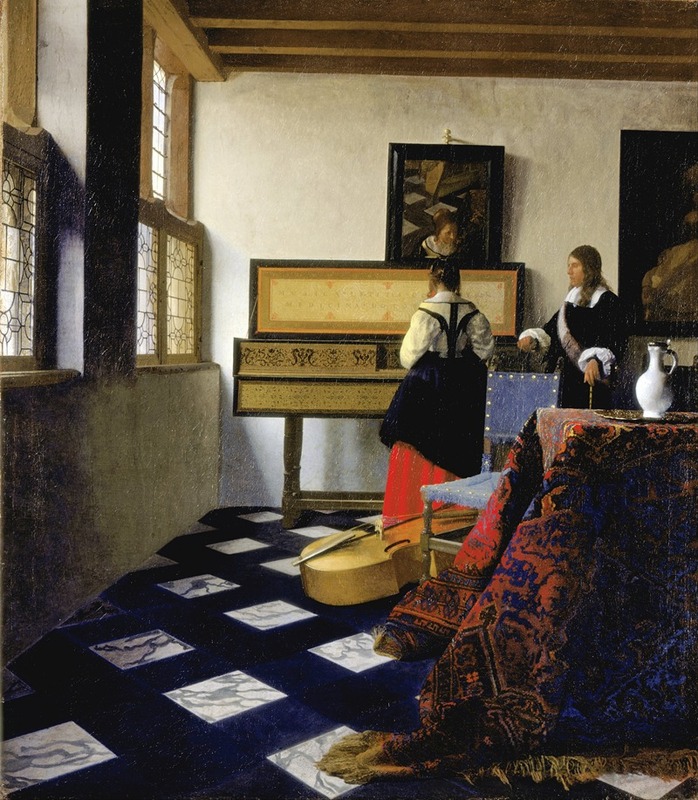
In the quiet spaces of our lives, loneliness often whispers, revealing the beauty hidden in solitude. Focus on the warm, earthy hues that envelope the scene, inviting the viewer into a secluded courtyard. Look closely at the interplay of light and shadow; notice how shafts of sunlight pierce through the surrounding structures, illuminating the textured walls and beckoning the eye toward the empty bench nestled in the corner. Here lies a subtle invitation, a moment suspended in time, where the stillness speaks volumes about absence and longing. The juxtaposition of vibrant color against the muted tones creates an emotional tension.
While the courtyard feels alive with the potential for life, the vacant bench suggests an unfulfilled presence, amplifying the essence of solitude. The careful placement of plants and architectural elements hints at nature’s resilience in the face of abandonment, reflecting the artist's meditation on the relationships between space, memory, and the unseen inhabitants of this quiet world. Painted between 1911 and 1931, the artist crafted this piece during a transformative period in art history, where modernism began to take hold. Living in the Netherlands, Hendriks faced the rapidly changing social landscape and the weight of historical upheaval.
In this context, his work manifests a deep introspection, encapsulating the sense of isolation amid burgeoning modernity, mirroring the complexities of human experience with poignant clarity.
More Artworks by Arend Hendriks
Browse all →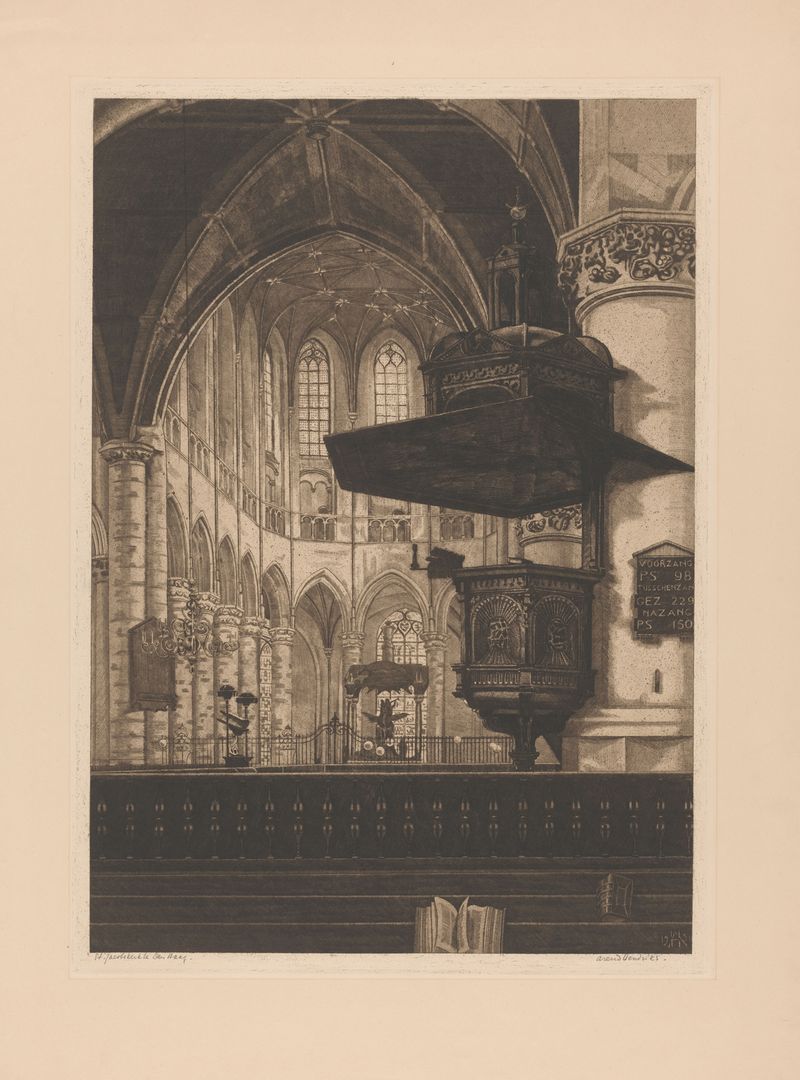
St. Jacobskerk te Den Haag
Arend Hendriks

Landschap met bloemen
Arend Hendriks
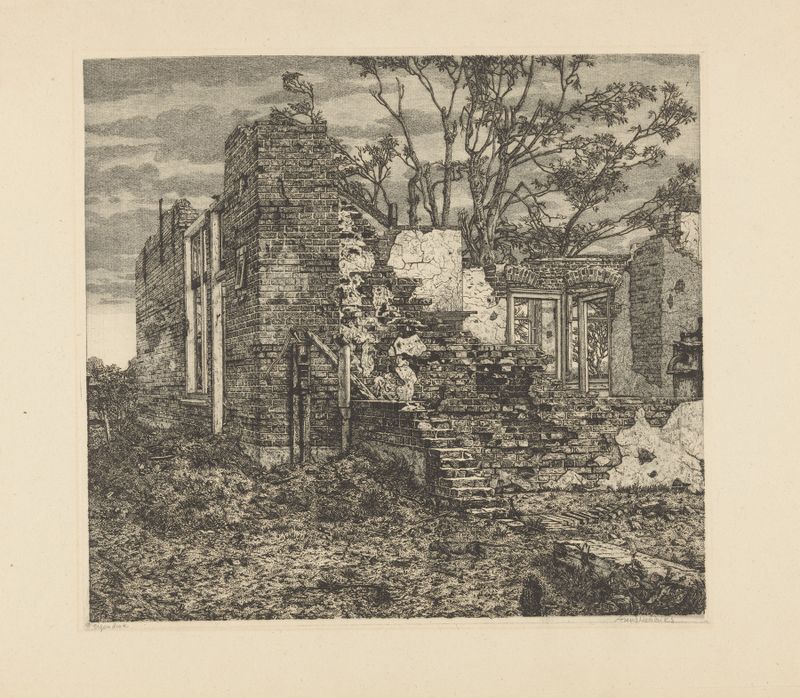
Ruïne van een huis
Arend Hendriks
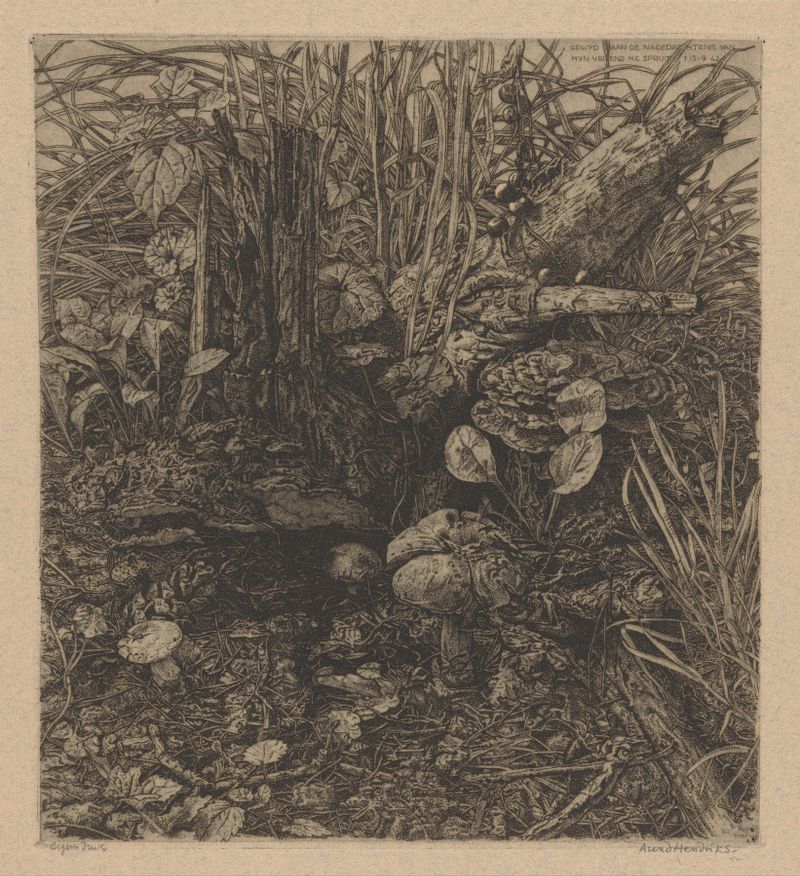
Paddenstoelen bij een boomstronk
Arend Hendriks

Gezicht op Huis ten Bosch, RP-P-2014-83-65
Arend Hendriks
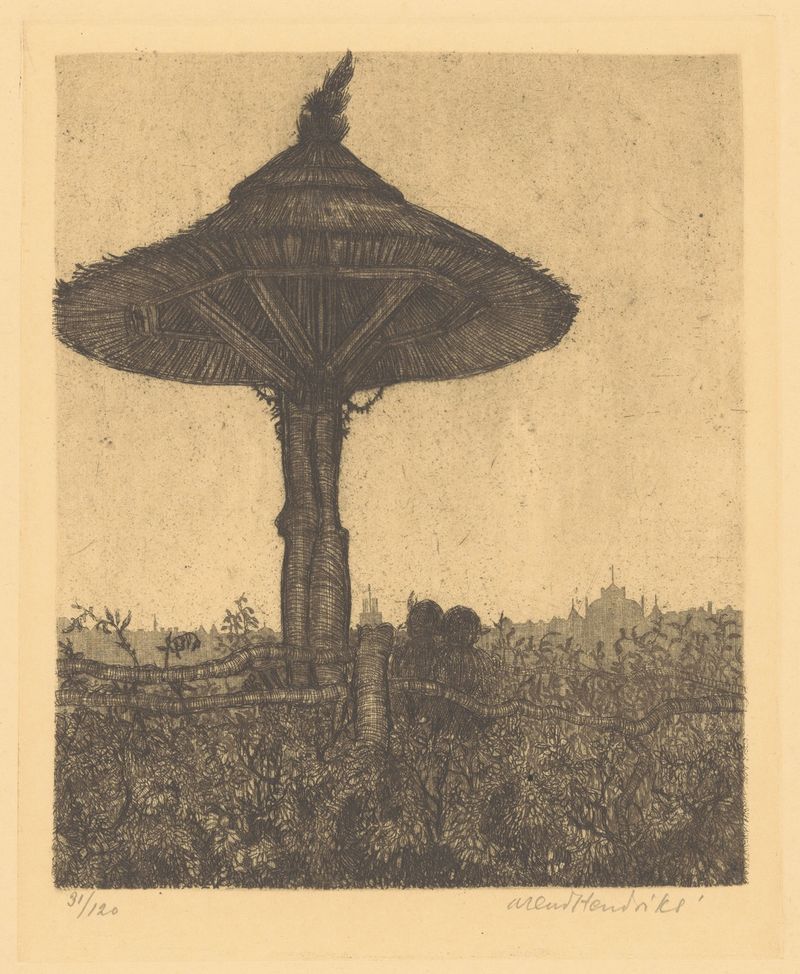
De paraplu
Arend Hendriks
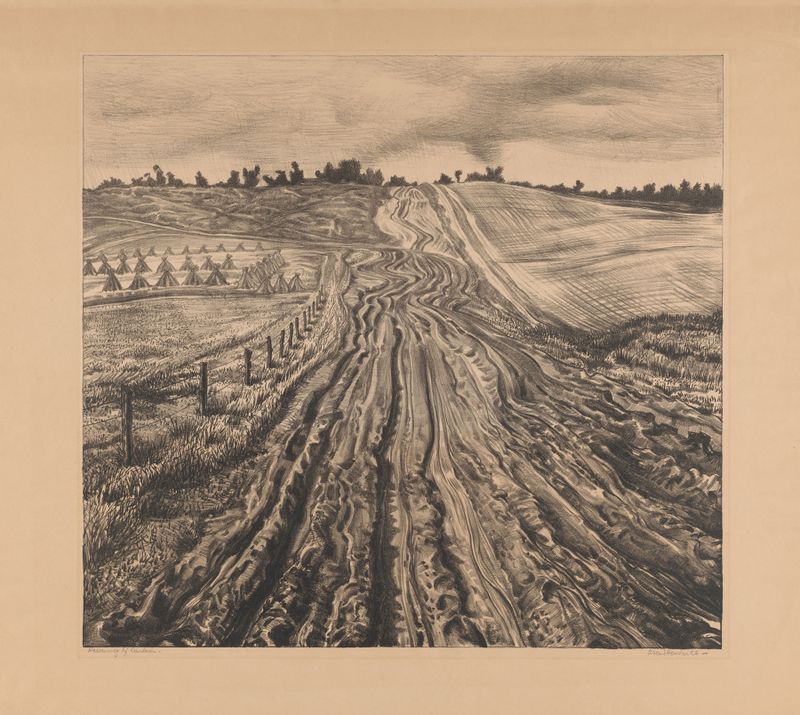
Hessenweg bij Lunteren
Arend Hendriks
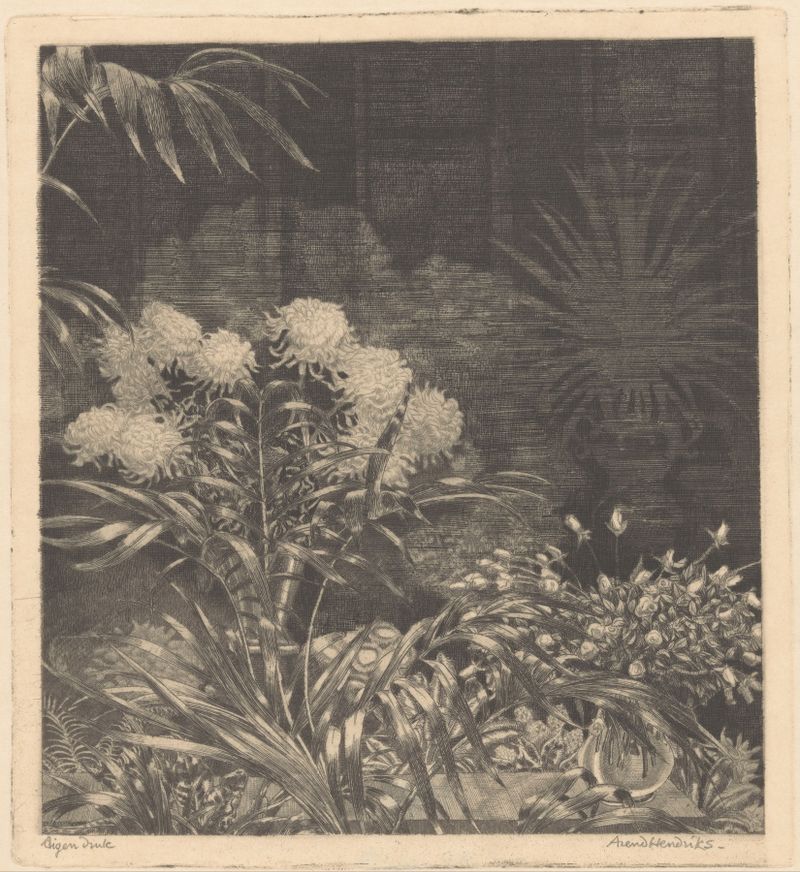
Interieur met bloemen in vazen en planten in potten
Arend Hendriks
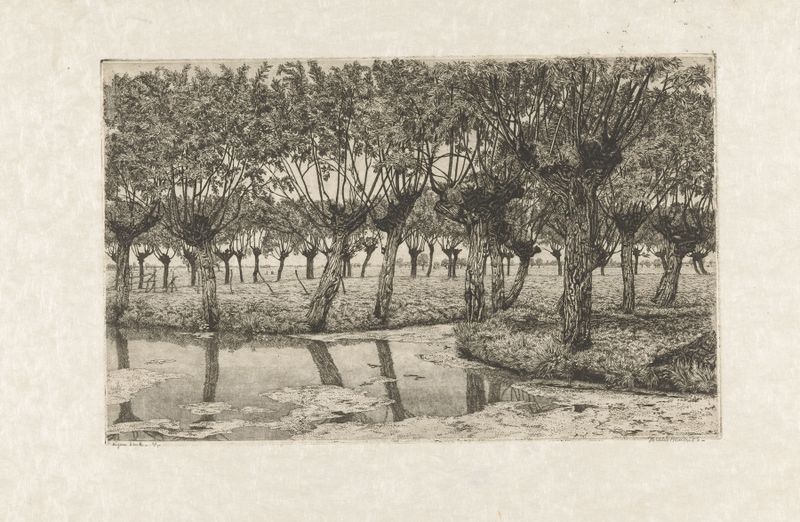
Polderlandschap met knotwilgen
Arend Hendriks
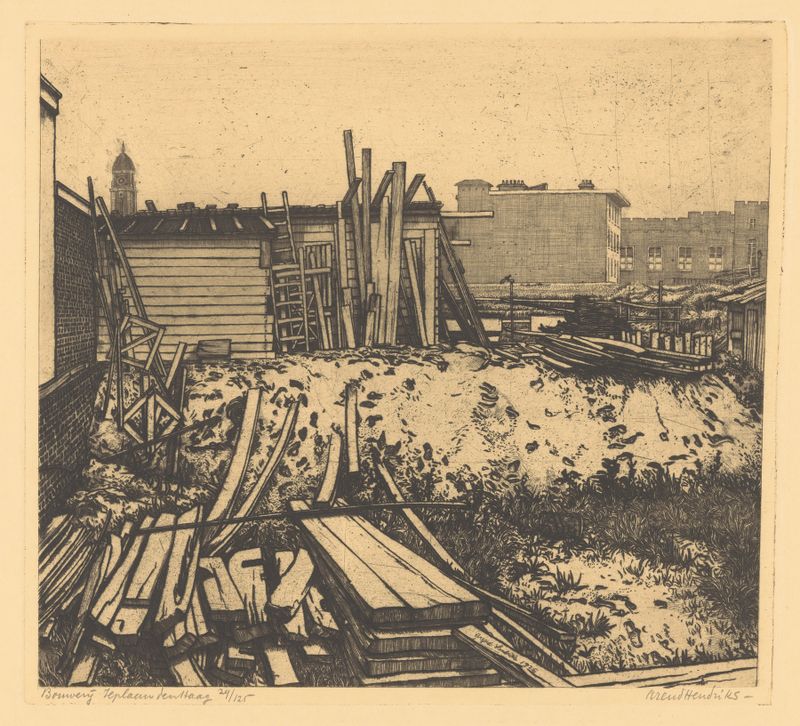
Bouwerij, Ieplaan, Den Haag
Arend Hendriks