
Blessing Christ — History & Facts
No one knows exactly when Giovanni Bellini painted Blessing Christ, nor for whom, but the image became so influential that it was copied and adapted across Venice for generations. The composition—Christ raising his right hand in benediction—was repeated by Bellini himself and by his followers, becoming a standard for devotional images in the late 15th and early 16th centuries. This enduring popularity speaks to the painting’s power as a model of private devotion, as well as to the technical innovations Bellini brought to the Venetian school.
The original version’s whereabouts are uncertain, and several versions attributed to Bellini and his workshop survive in different collections. At the center of Blessing Christ, the viewer meets Christ directly, his gaze gentle yet unwavering, his right hand lifted in a gesture of blessing. The left hand holds a crystal orb, symbolizing his dominion over the world—a motif borrowed from earlier Byzantine icons but rendered here with Bellini’s characteristic softness and attention to light. The background is often a luminous, atmospheric landscape, inviting the viewer into a serene, meditative space.
Unlike the more dramatic, suffering Christs painted by Antonello da Messina or Mantegna, Bellini’s Christ radiates calm authority, offering comfort rather than confrontation. The delicate modeling of flesh and the subtle gradations of color show Bellini’s early mastery of oil painting, a technique just gaining ground in Venice. The precise origins of Blessing Christ remain debated: some suggest it was intended for private devotion, others for a small chapel. Its influence, however, is clear—Bellini’s formula was repeated by his own hand and by others, shaping the face of Venetian religious art for decades.
Today, versions attributed to Bellini can be found in collections from Venice to Berlin, each with slight variations in pose or setting, reflecting the workshop practice of the period. The painting marks a turning point in Bellini’s career, as he moved from tempera to oil and from flat gold backgrounds to atmospheric landscapes, laying the groundwork for the Venetian Renaissance.
More Artworks by Giovanni Bellini
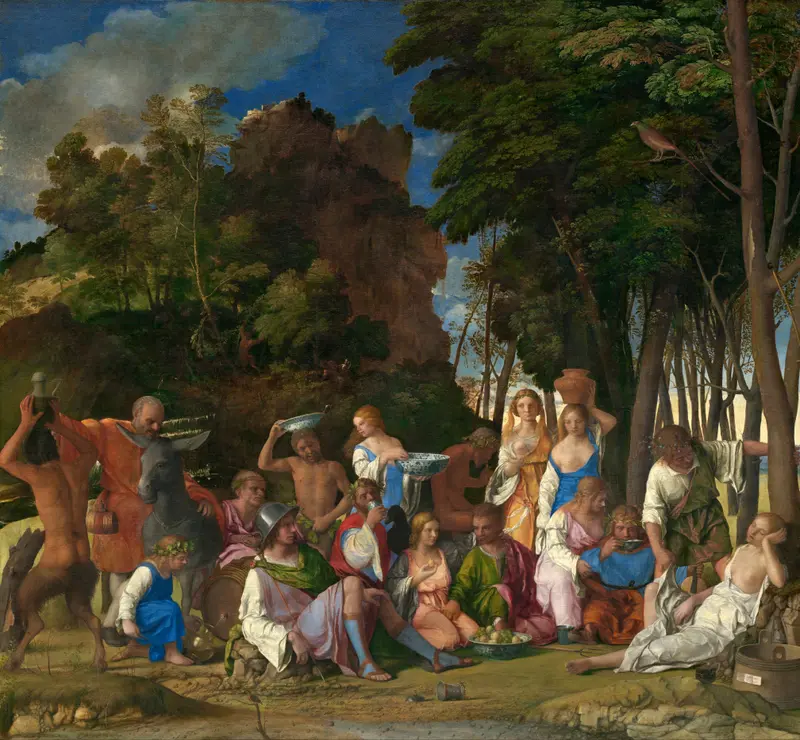
The Feast of the Gods
Giovanni Bellini

Madonna and Child enthroned with Saints and Angels
Giovanni Bellini
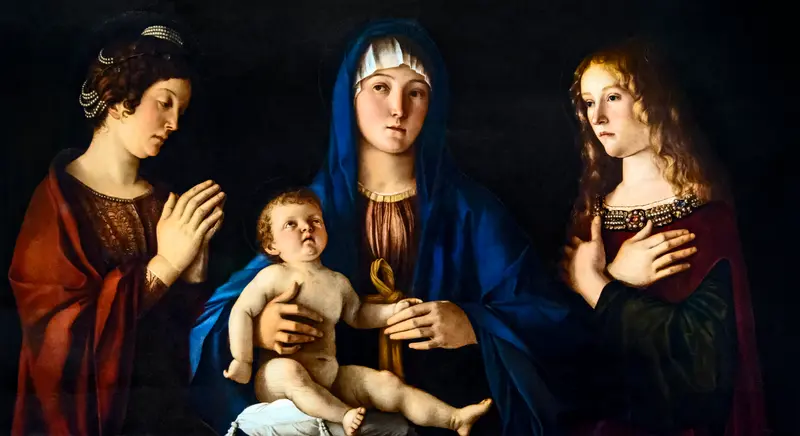
Madonna and Child between Saints Catherine and Mary Magdalene
Giovanni Bellini
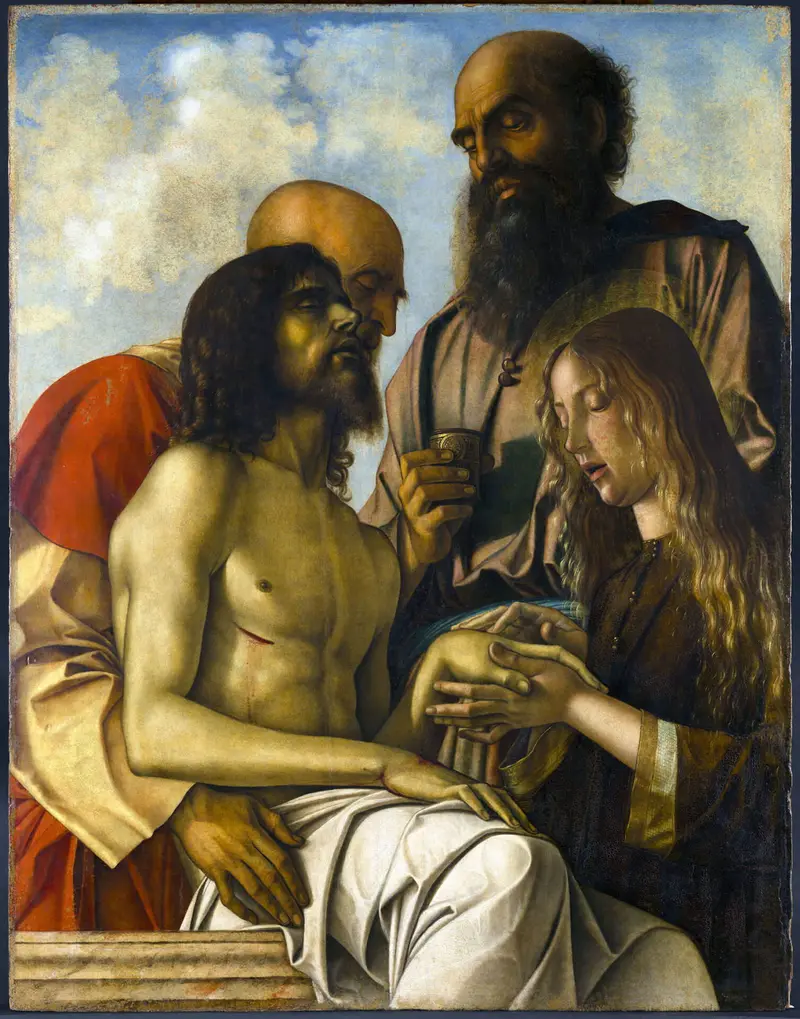
Lamentation over the Dead Christ
Giovanni Bellini
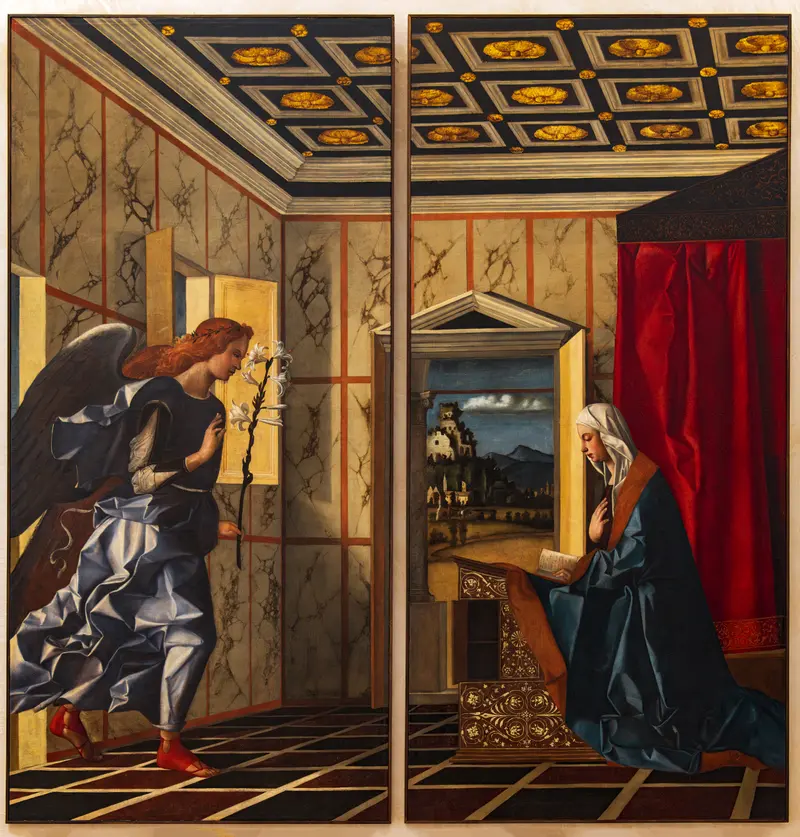
Annunciation
Giovanni Bellini
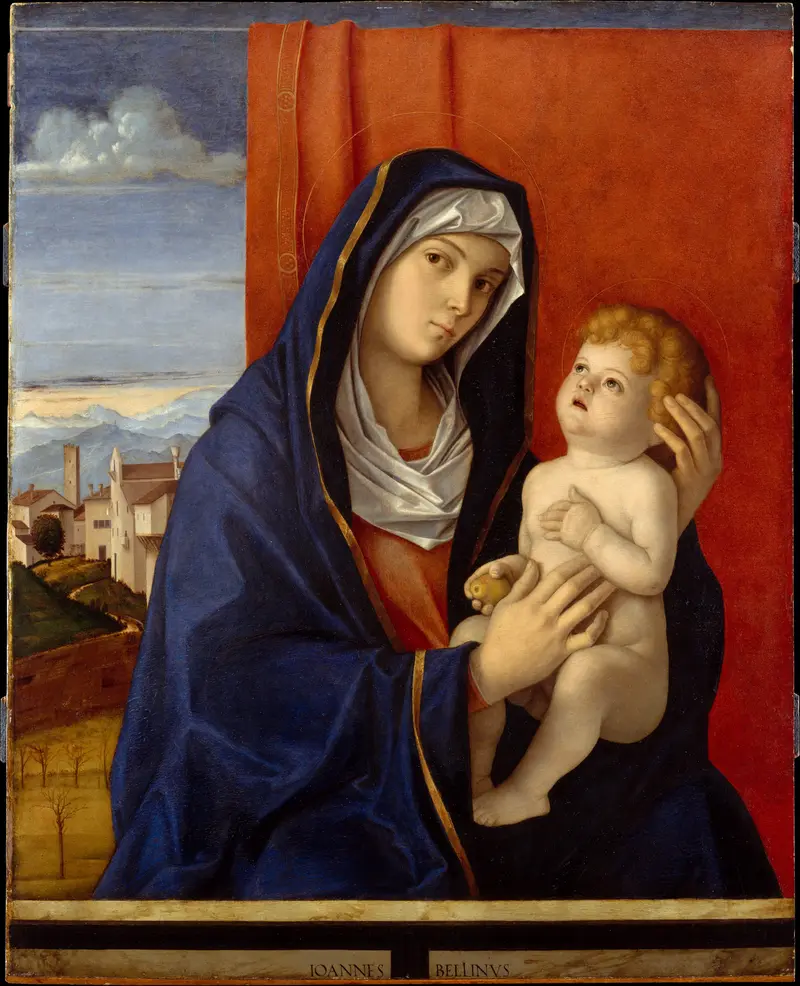
Madonna and Child
Giovanni Bellini
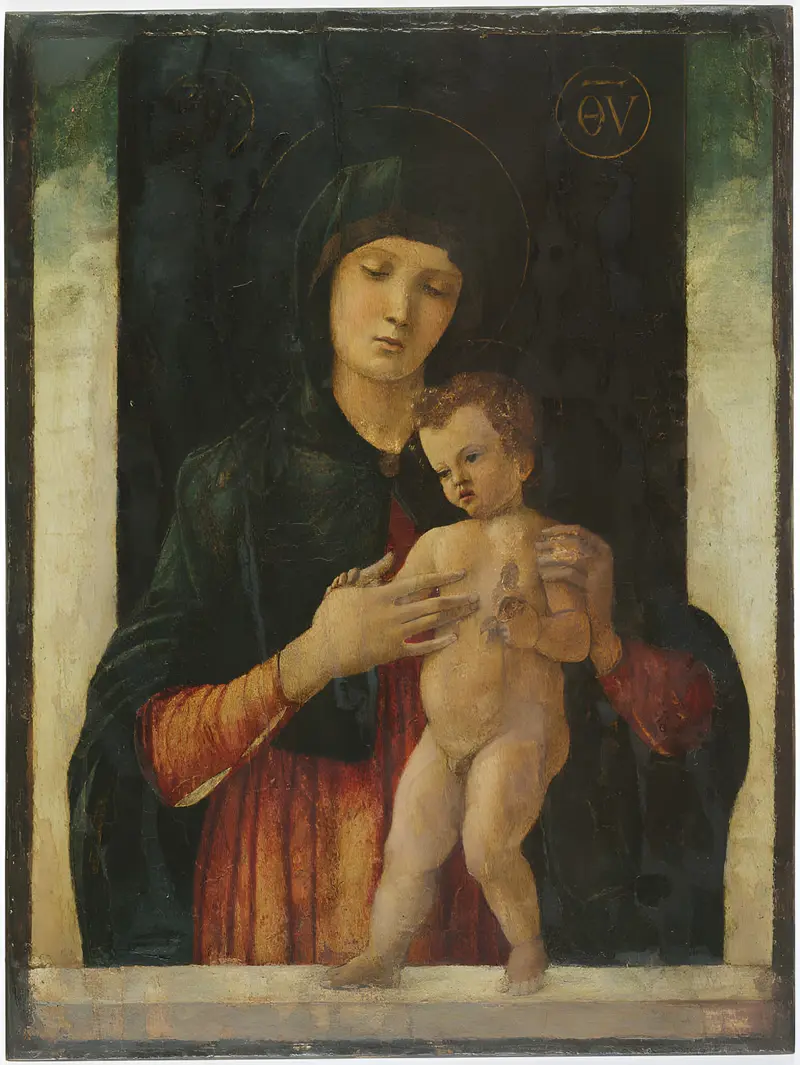
The Virgin and Child
Giovanni Bellini
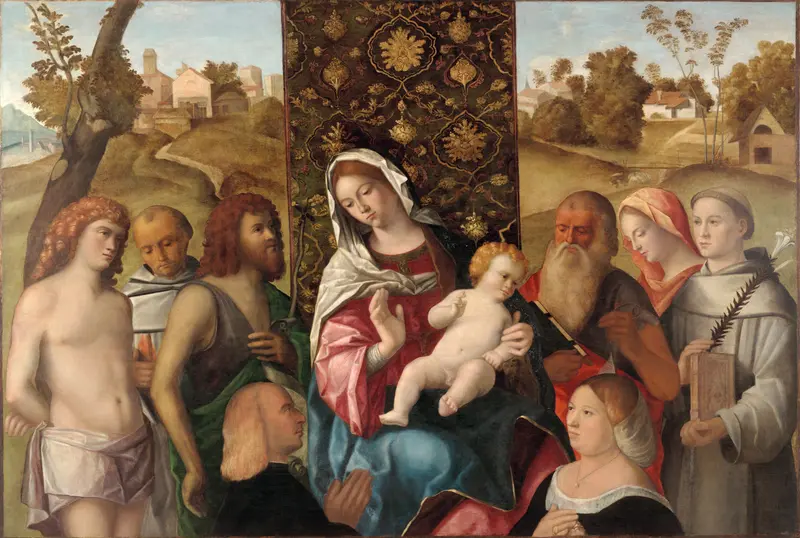
Virgin and Child with Saints Sebastian, Francis, John the Baptist, Jerome, an unidentified female saint, Saint Anthony of Padua and two donors
Giovanni Bellini
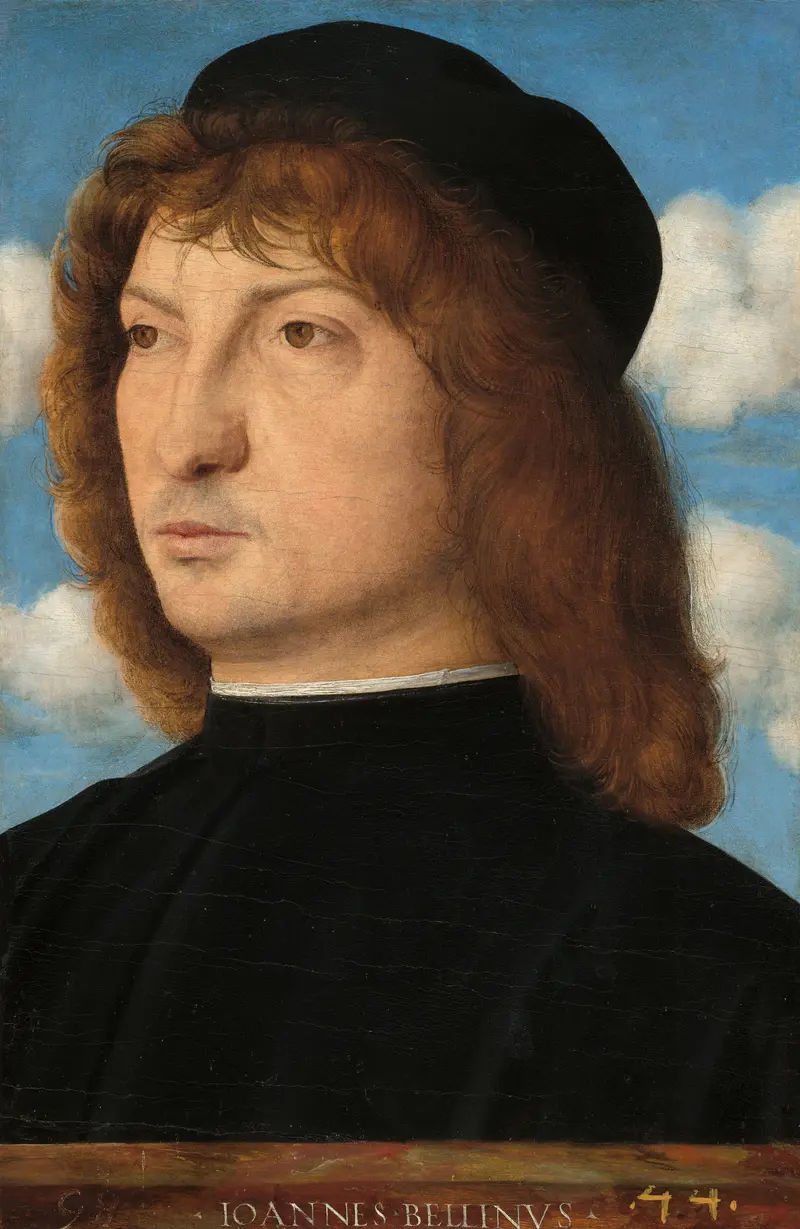
Portrait of a Venetian Gentleman
Giovanni Bellini
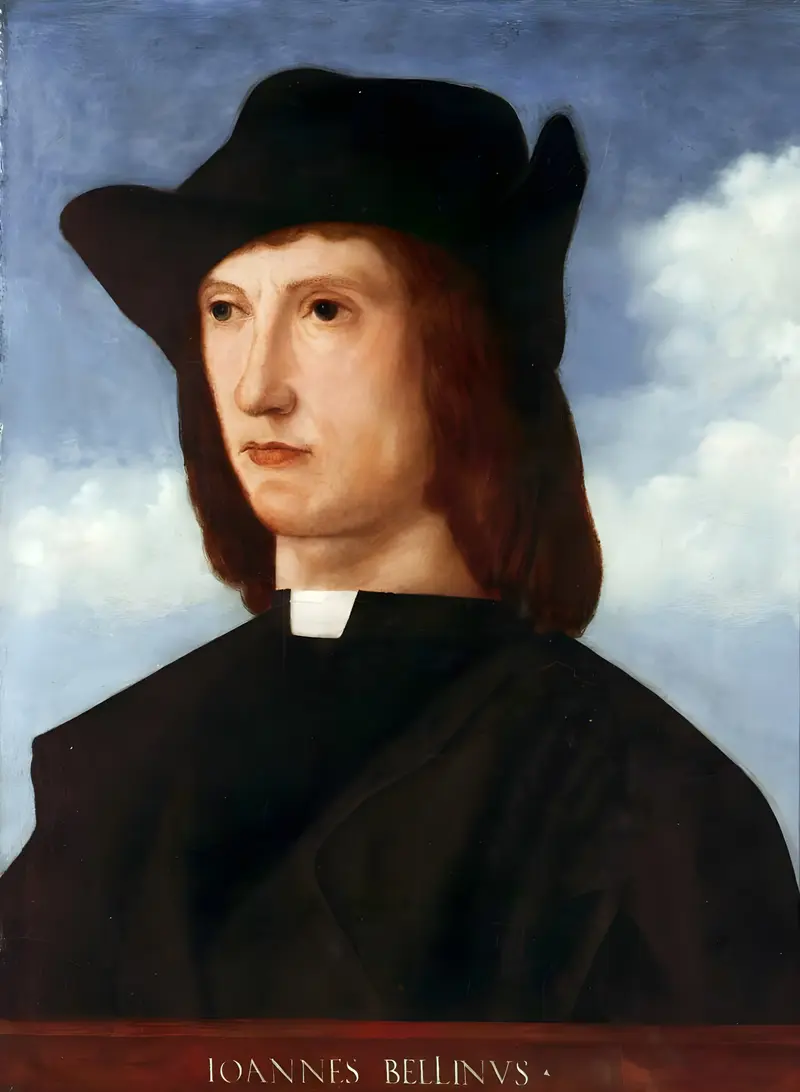
Portrait of a Young Man
Giovanni Bellini





