
Blessing Redeemer — History & Facts
In 1422, the young friar-artist Fra Angelico painted Blessing Redeemer at a turning point in Florentine art, just as the city’s painters were beginning to experiment with new ways of picturing the sacred. This is believed to be one of his earliest known works, created before his celebrated frescoes at San Marco, and stands as a rare window into his formative years. The painting’s precise date is recorded in an inscription, a rarity for early 15th-century devotional panels.
Scholars have long debated its original purpose: was it intended for private prayer, or as a small altarpiece for a Dominican chapel? At the center, Christ raises his right hand in a gesture of benediction, his left holding a richly decorated book—traditionally the Gospels—signifying both his divine authority and his role as teacher. The gold background, still rooted in the Gothic tradition, sets the figure outside earthly time, while the delicate modeling of Christ’s face and hands hints at the naturalism that would soon define the Renaissance. The wounds of the Passion are subtly visible, inviting the viewer to contemplate both Christ’s suffering and his promise of salvation.
Compared to Giotto’s more monumental Christ Blessing, Fra Angelico’s Redeemer is gentler, suffused with a quiet grace that would become his signature. The exact journey of Blessing Redeemer through the centuries is unclear, as with many small devotional images from the early 1400s. It likely remained in a monastic or private setting for generations, its authorship only firmly attributed to Fra Angelico in the 20th century, as scholars traced the delicate brushwork and luminous palette back to his hand. Today, it is recognized as a key work from his youth, foreshadowing the serene spirituality that would later fill the walls of San Marco.
Its survival offers a rare glimpse of the artist at the threshold of greatness, balancing the old gold-ground tradition with the new spirit of the Renaissance.
More Artworks by Fra Angelico

Condemnation of St Lawrence by the Emperor Valerian
Fra Angelico
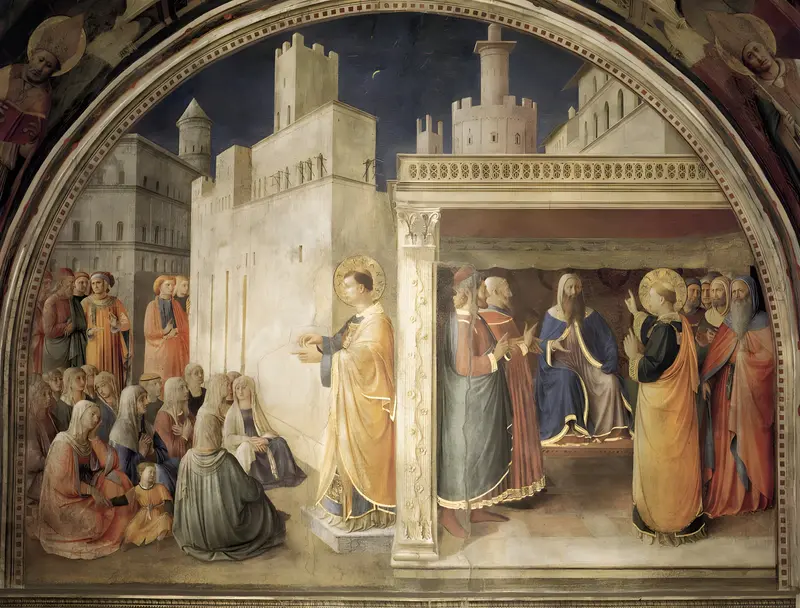
Lunette of the north wall
Fra Angelico
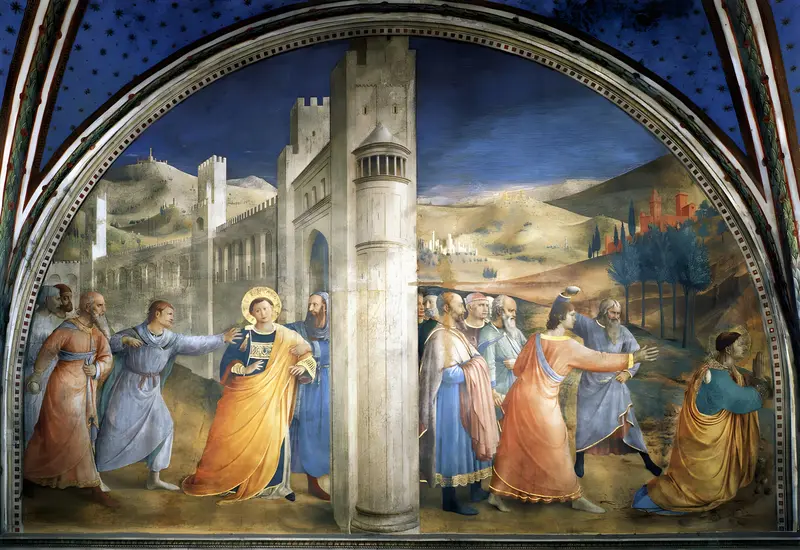
Lunette of the east wall in Niccoline Chapel
Fra Angelico
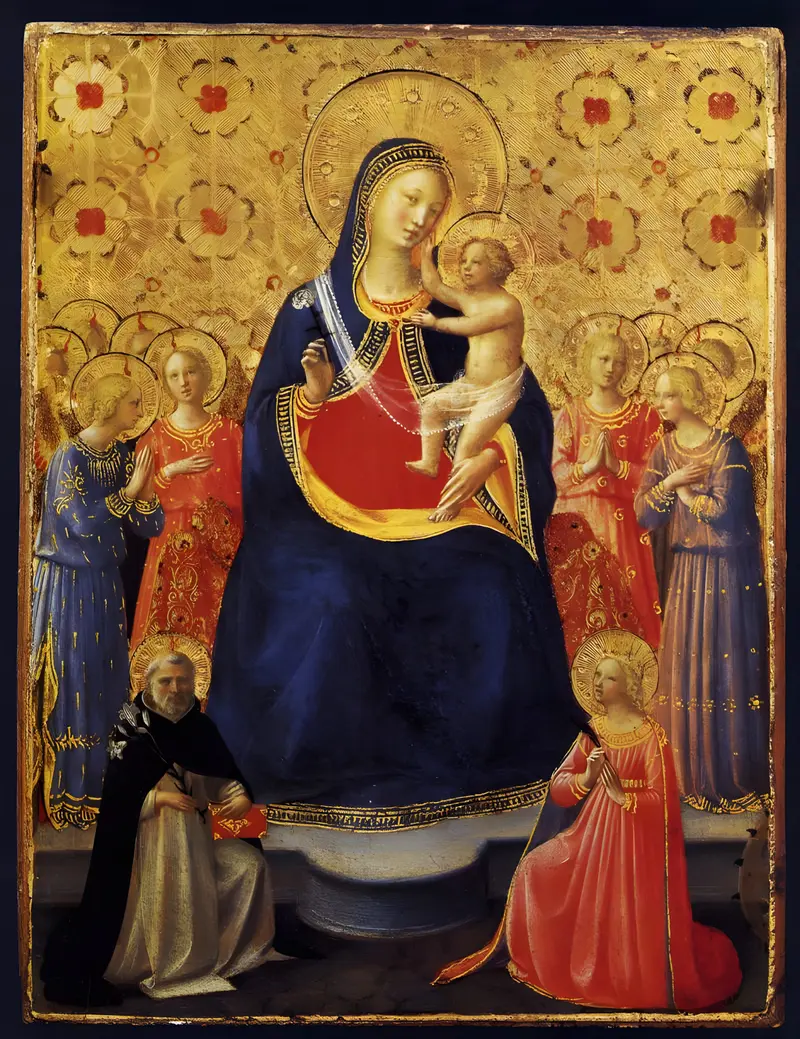
Madonna and Child Enthroned with Nine Angels and Saints Dominic and Catherine of Alexandria
Fra Angelico
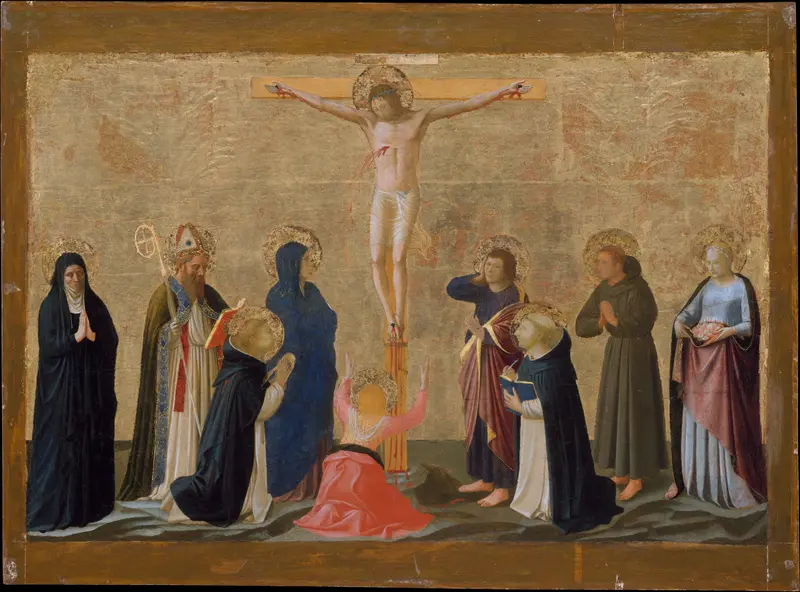
The Crucifixion
Fra Angelico
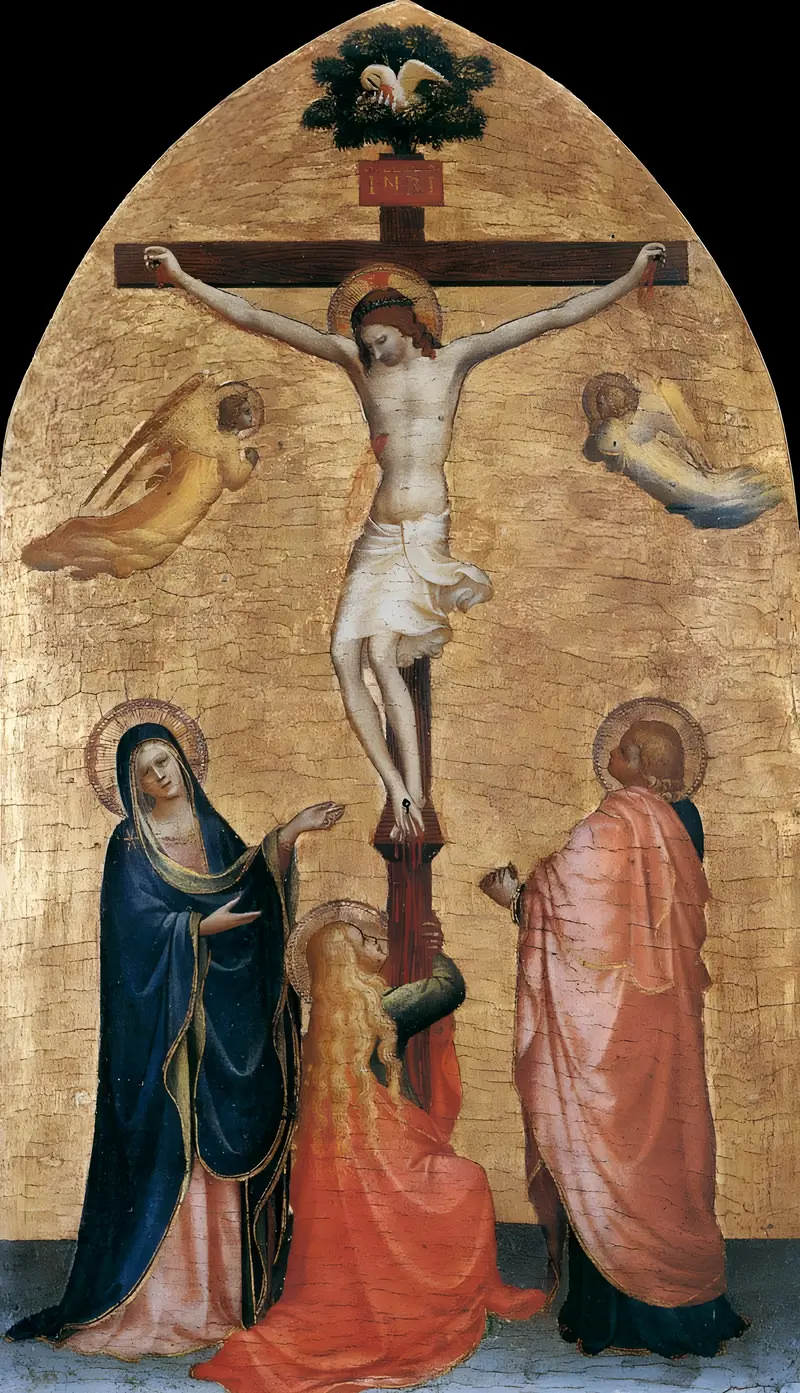
Crucifixion with the Virgin, John the Evangelist, and Mary Magdelene
Fra Angelico
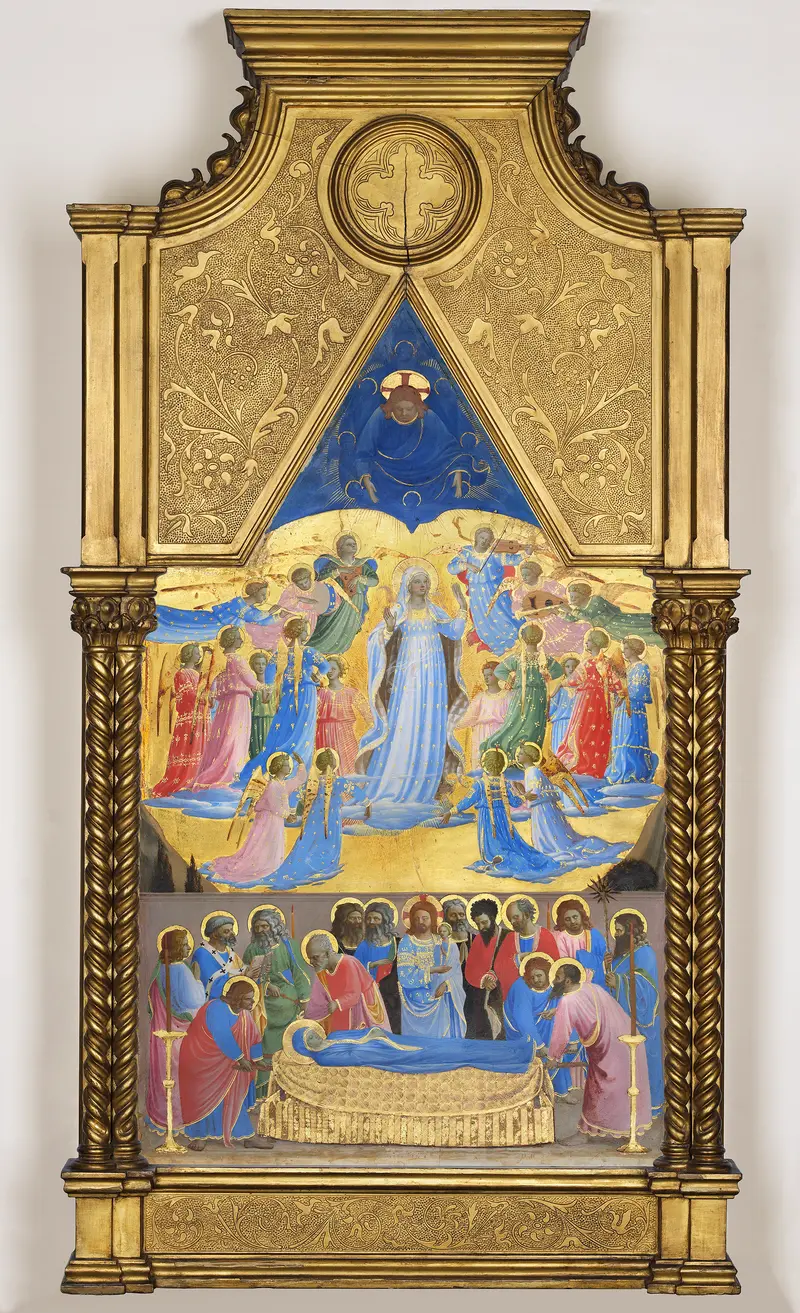
Dormition and Assumption of the Virgin
Fra Angelico
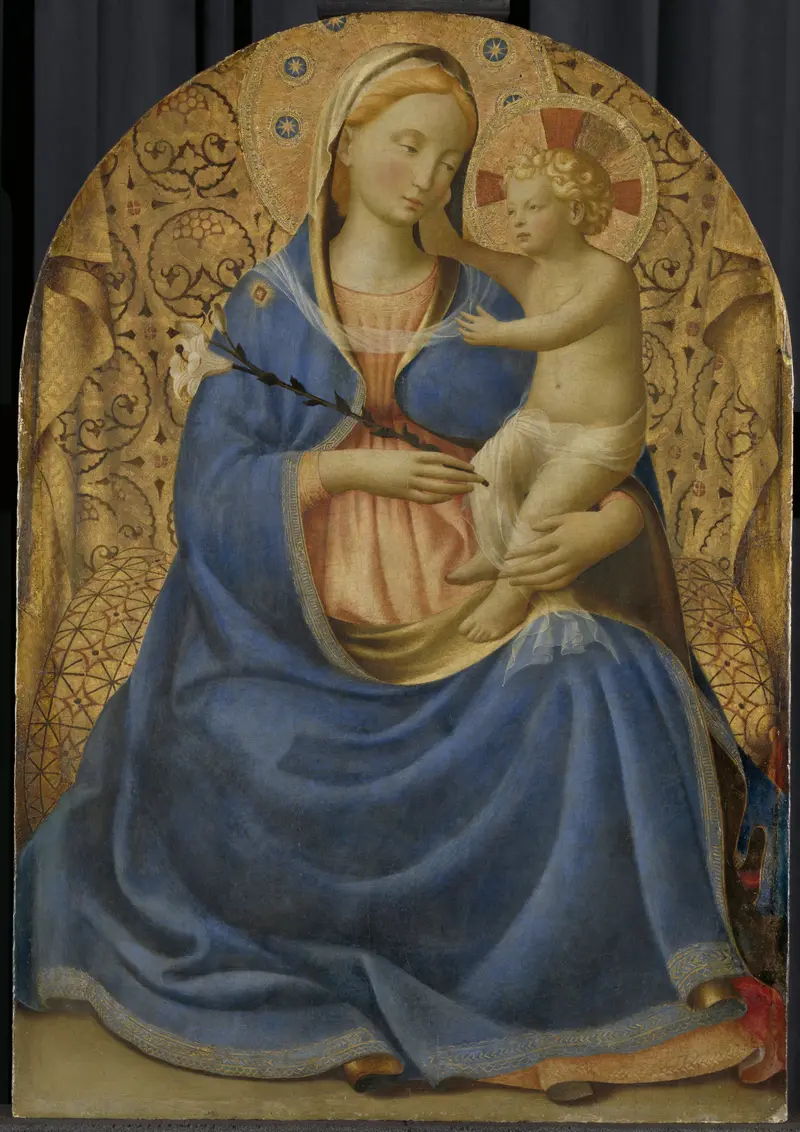
Madonna of Humility
Fra Angelico
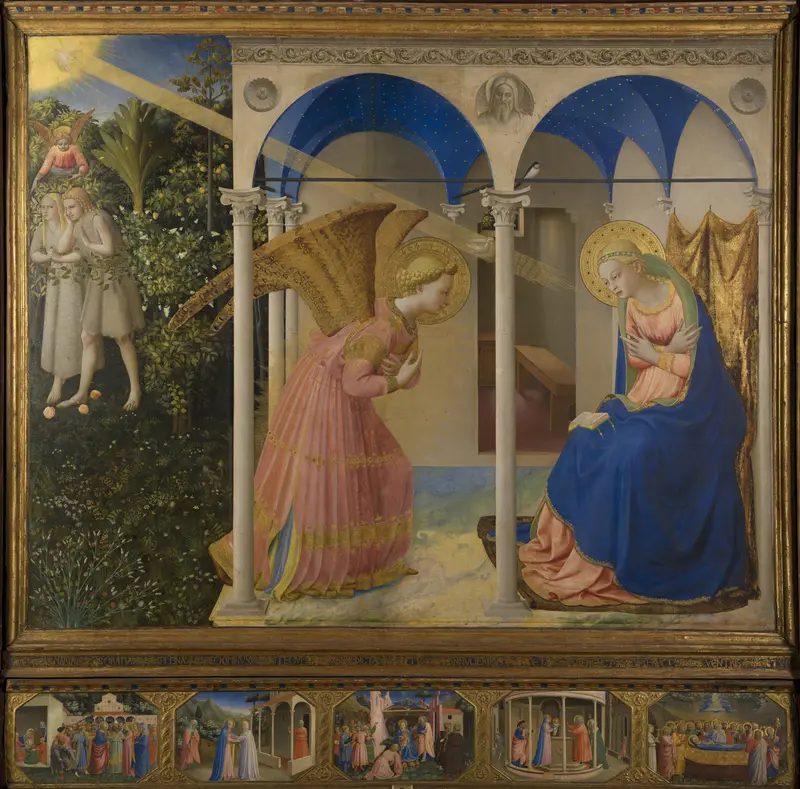
The Annunciation
Fra Angelico

Saint Anthony Abbot
Fra Angelico





