Cape Arkona — History & Analysis
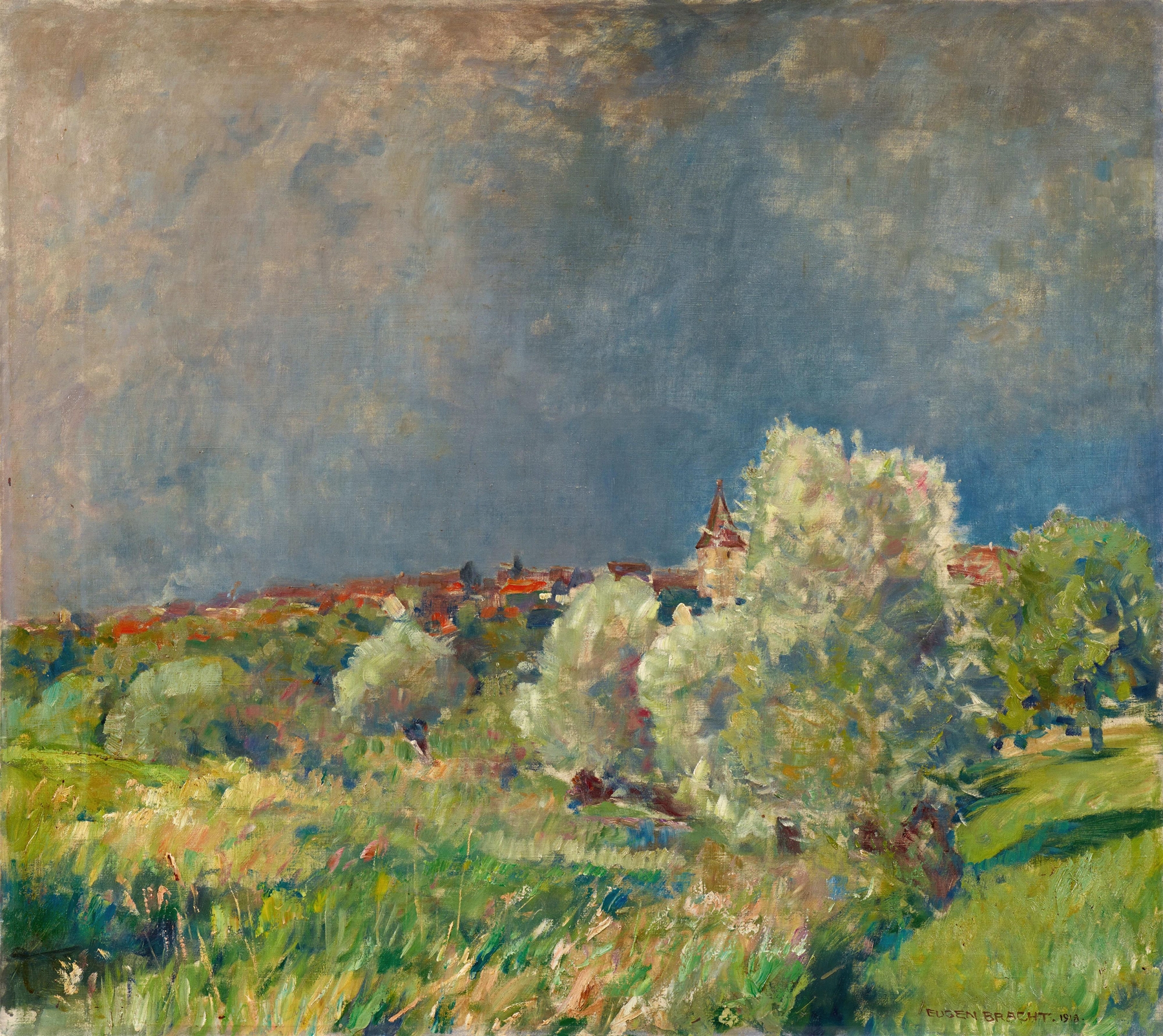
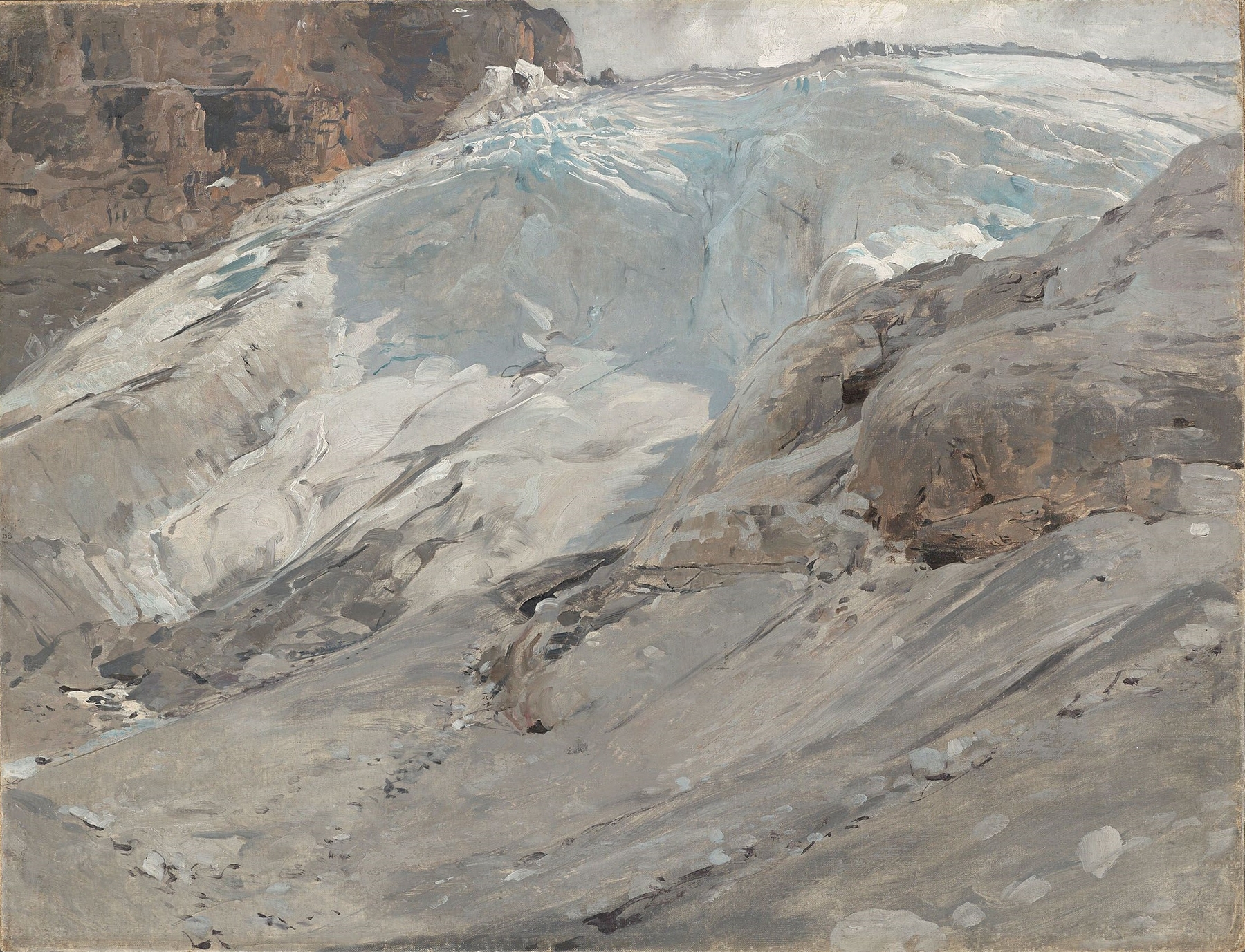
“Every silence here is a confession.” In the stillness of Cape Arkona, a haunting desire emanates from the landscape, a longing that resonates with the viewer's own unspoken yearnings. Look to the left at the rugged cliffs, their gray textures contrasting sharply against the soft blues of the sky. The interplay of light and shadow on the water reveals a tranquil yet restless sea, inviting the eye to wander toward the horizon. Notice how the gentle brushstrokes suggest the movement of waves, embodying the subtle tension between calmness and chaos.
The warm sunlight spills over the cliffs, illuminating patches of greenery, while the distant lighthouse stands sentinel—an emblem of hope amidst the vastness. Beneath the surface lies a profound emotional dichotomy. The lighthouse, though a beacon, hints at solitude, its presence both reassuring and isolating. The expansive sky draws the viewer into infinity, a space where dreams and desires can soar, yet the cliffs confine them, representing the barriers we often face.
This duality encapsulates the essence of longing—not just for distant shores, but also for connection, intimacy, and understanding. In 1895, Eugen Bracht created Cape Arkona during a period of notable transformation within the art world, as artists began to explore the emotional resonance of landscapes. Working primarily in Germany, he sought to capture the essence of nature while grappling with personal experiences and the shifting tides of artistic movements. His focus on light and atmosphere in this work reflects both a mastery of technique and an intimate connection to the world around him, inviting viewers to contemplate their own desires against the backdrop of his serene yet poignant landscape.