
Bloemstilleven met horloge — History & Facts
What first catches the eye in Bloemstilleven met horloge by Abraham van Beyeren is not just the riot of flowers, but the glint of a pocket watch lying open at the foot of the bouquet. The flowers seem to burst from the darkness, each petal rendered with a precision that makes them appear almost tangible, their colors luminous against the deep shadow. The watch, with its delicate chain trailing across the table, is more than a decorative flourish—it is a silent reminder that even the freshest bloom will wilt, and that beauty is bound to the passage of time.
The artist’s careful placement of the watch among the fleeting flowers invites the viewer to linger, to notice the fragile balance between abundance and impermanence. This kind of still life flourished in the Dutch Republic during the seventeenth century, when painters like van Beyeren perfected the art of rendering luxury and transience in a single frame. Such works were often prized by wealthy burghers, who commissioned them to display both their taste and their awareness of life’s brevity. The painting’s date, recorded between 1635 and 1690, places it in the heart of this golden age of Dutch still life, and it now resides in the collection of Rijksmuseum Twenthe.
History has kept few traces of this particular canvas’s journey, but its message remains clear: even in a world overflowing with color and life, time is always ticking, just out of sight.
More Artworks by Abraham van Beyeren

Still Life
Abraham van Beyeren
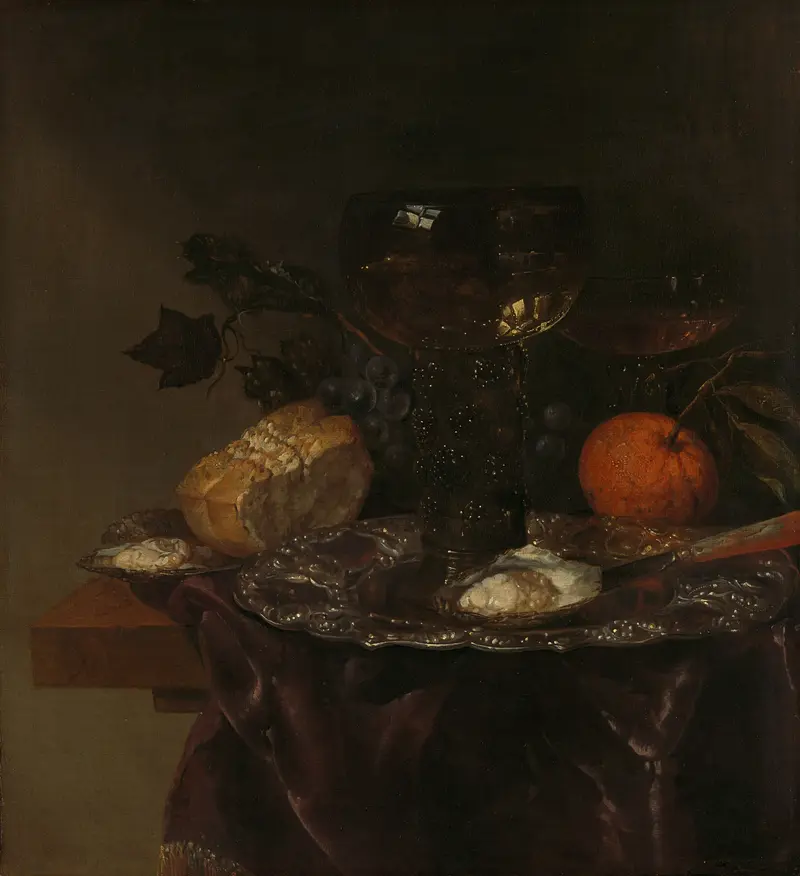
Still Life
Abraham van Beyeren
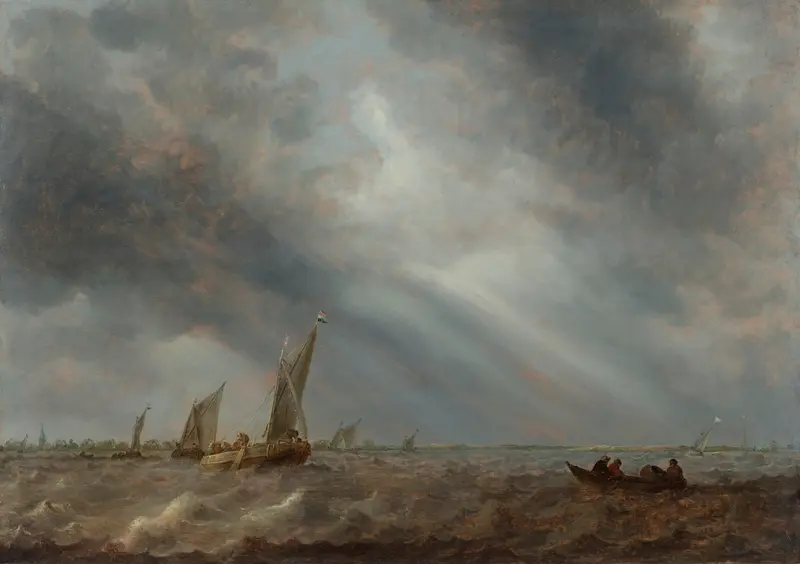
Various sailing vessels and a rowing boat with fishermen on choppy waters under a stormy sky
Abraham van Beyeren
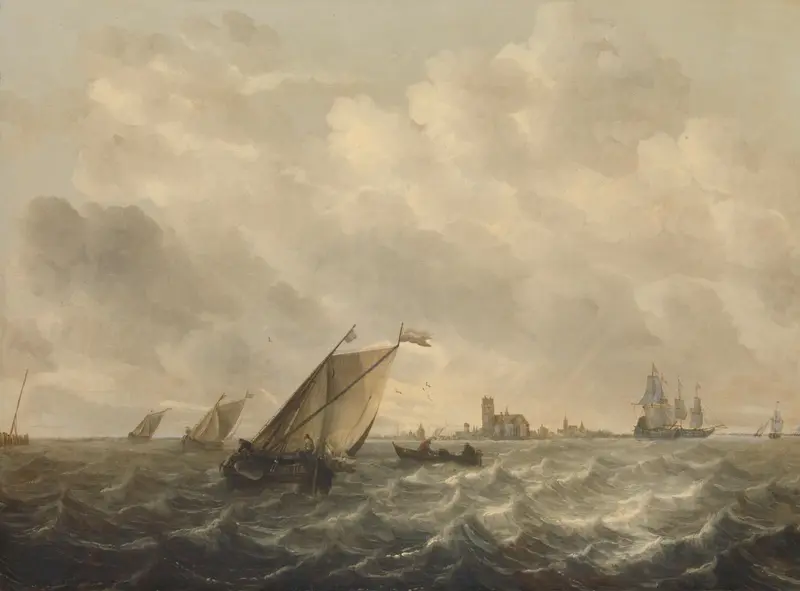
River View
Abraham van Beyeren
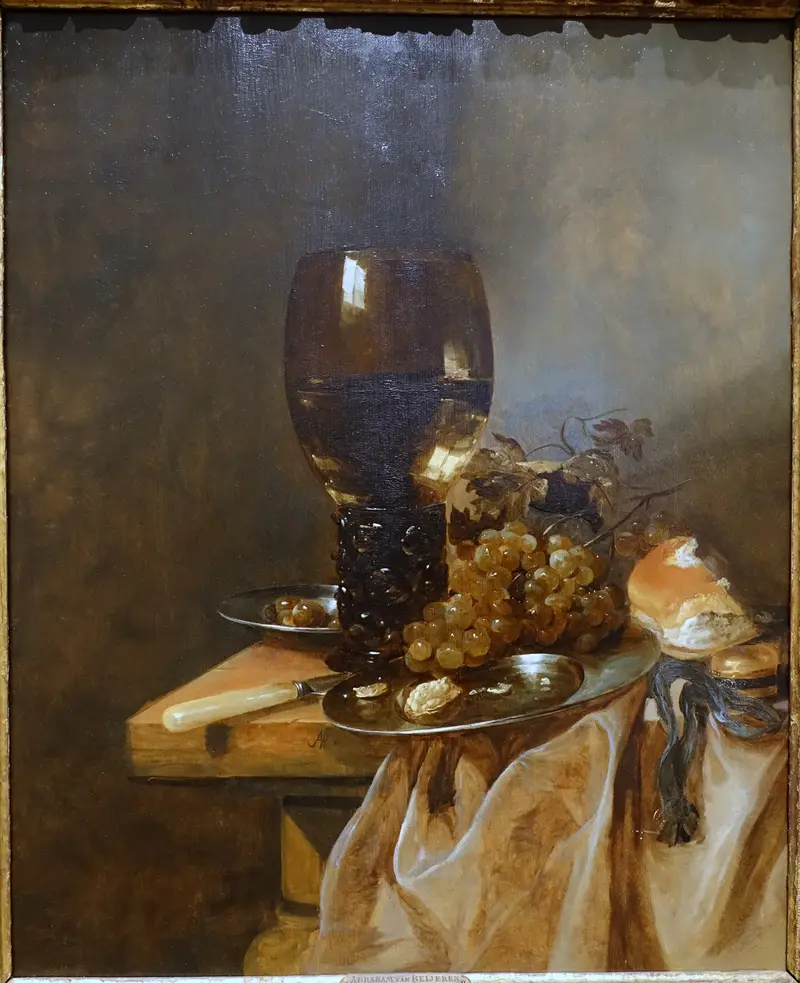
A Roemer with Grapes, a Pewter Plate and a Roll
Abraham van Beyeren
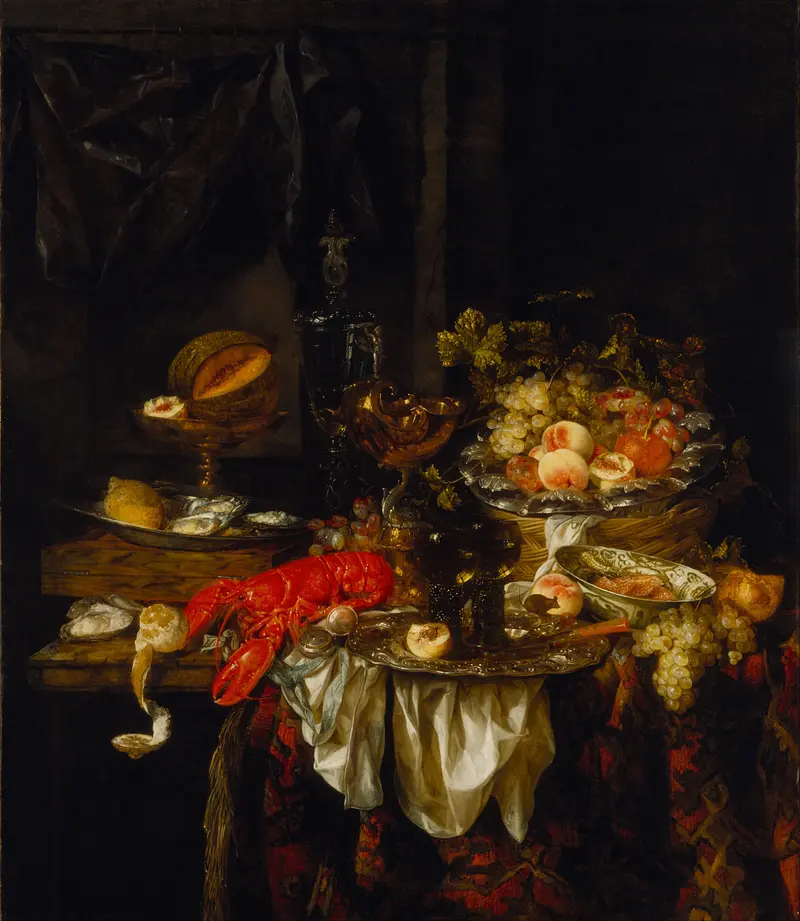
Banquet Still Life
Abraham van Beyeren
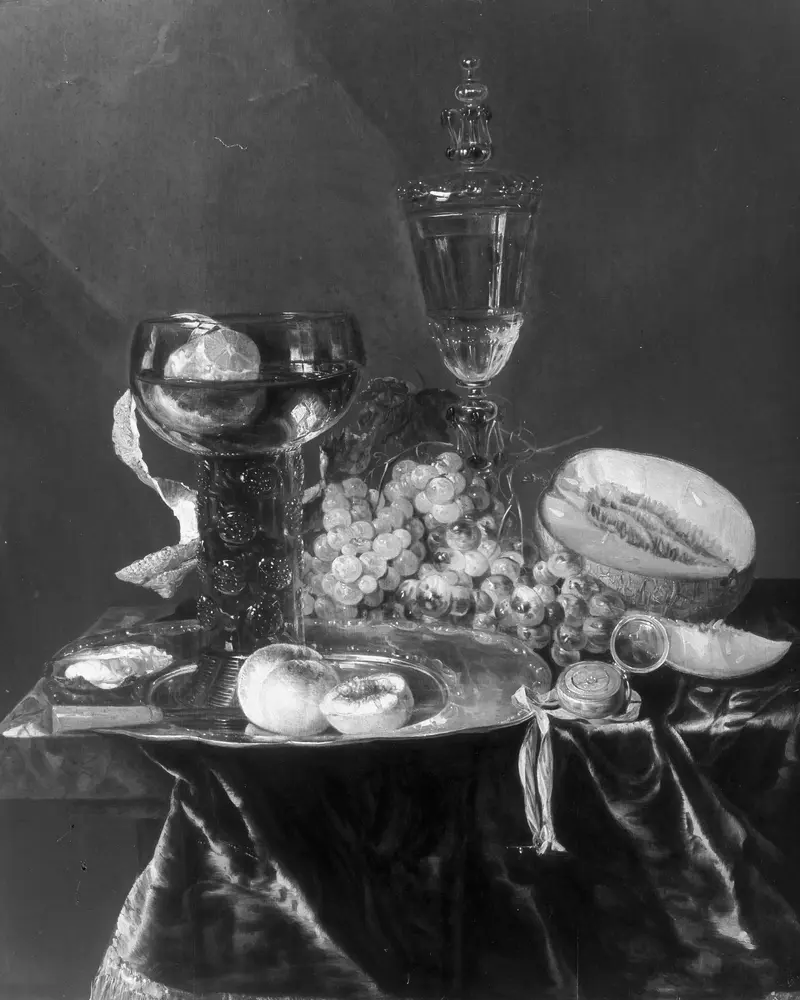
Still life with a glass lid goblet
Abraham van Beyeren
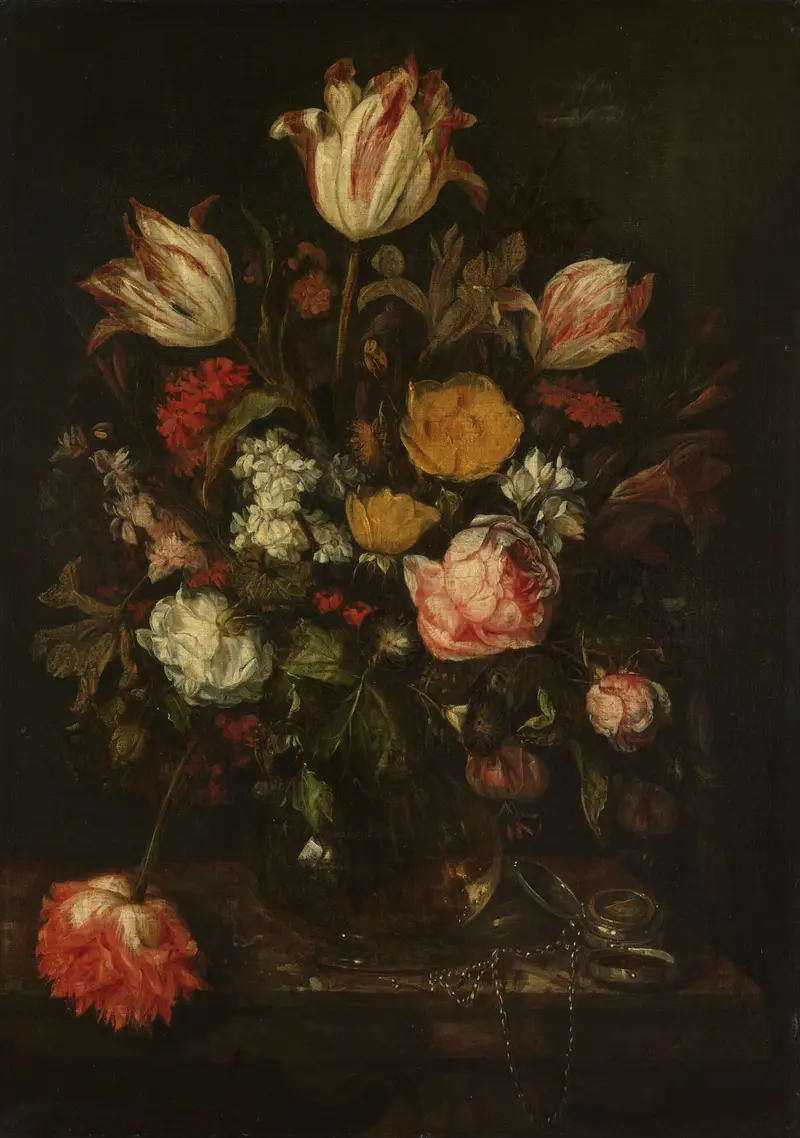
Still life with flowers
Abraham van Beyeren
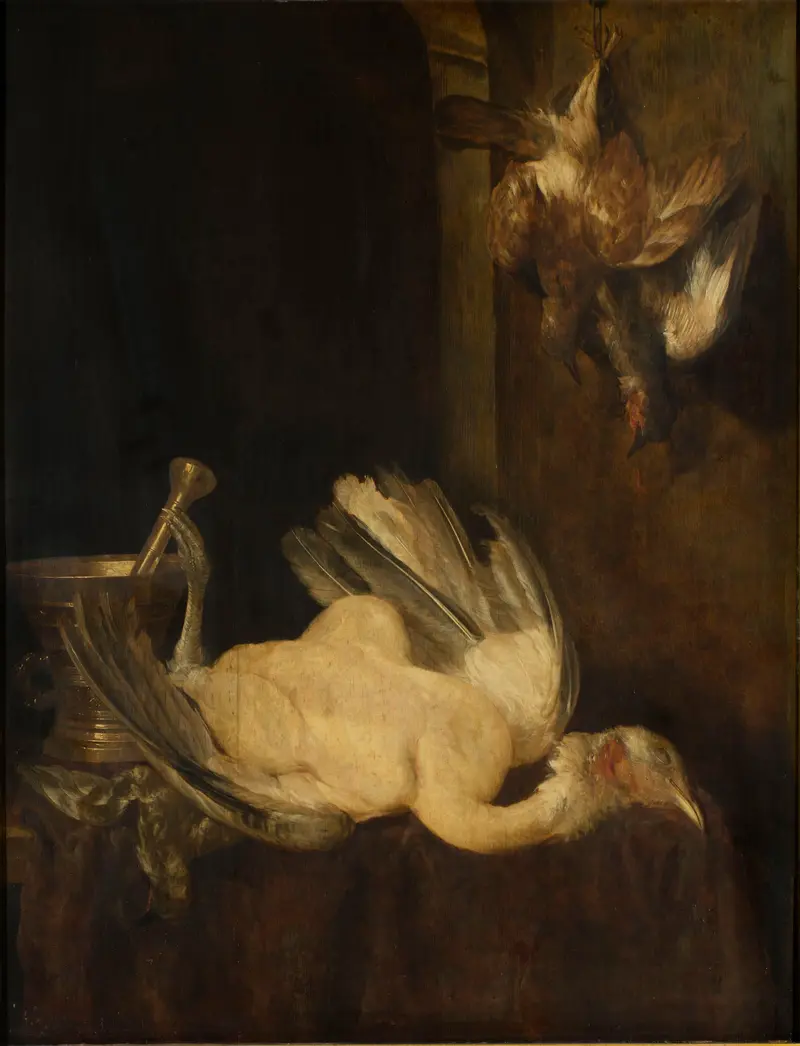
Still life with dead birds
Abraham van Beyeren
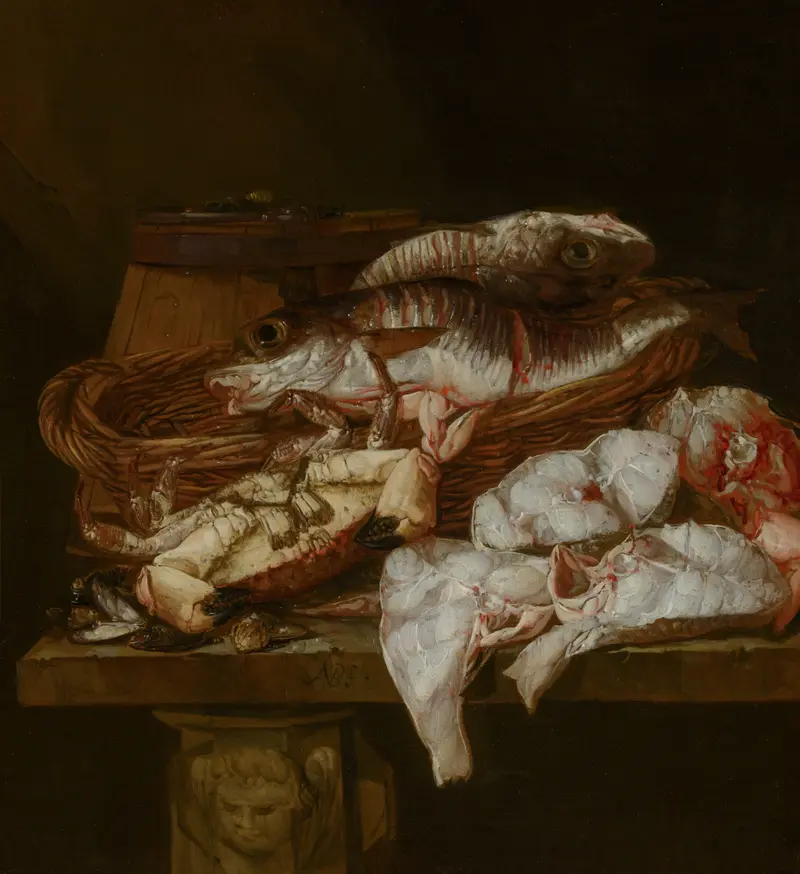
Still Life with Seafood
Abraham van Beyeren





