
Still life with dead birds — History & Facts
A single, plucked bird sprawls across the foreground, its pale body thrown into relief by a shaft of light that slices through the gloom. Behind it, two more birds hang upside down, their feathers still intact, the suggestion of a recent hunt or market purchase lingering in the air. The painting draws the viewer’s eye first to the cold, exposed flesh, then to the subtle gleam of a bronze mortar and pestle—tools of the kitchen, hinting at the transformation from death to sustenance.
The darkness that envelops the background is not empty; it presses forward, making the scene intimate, almost secretive, as if we have stumbled upon a private moment of preparation. Painted in 1661 by Abraham van Beyeren, this work belongs to the grand tradition of Dutch still life, where artists reveled in the textures and quiet drama of everyday abundance. In the seventeenth century, such paintings were prized by a rising class of merchants and burghers eager to display both their prosperity and their taste for refinement. The Museum of Fine Arts Ghent now houses this example, a reminder of how even the most unassuming subjects—dead birds, kitchen implements, a rough cloth—could become a stage for technical bravura and silent storytelling.
The world that produced this painting valued not just beauty, but the fleetingness of pleasure and the certainty of change, themes that linger in every shadow and feather here.
Sources: Wikidata Q21675104 · Image source (Wikimedia Commons)
More Artworks by Abraham van Beyeren

Still Life
Abraham van Beyeren
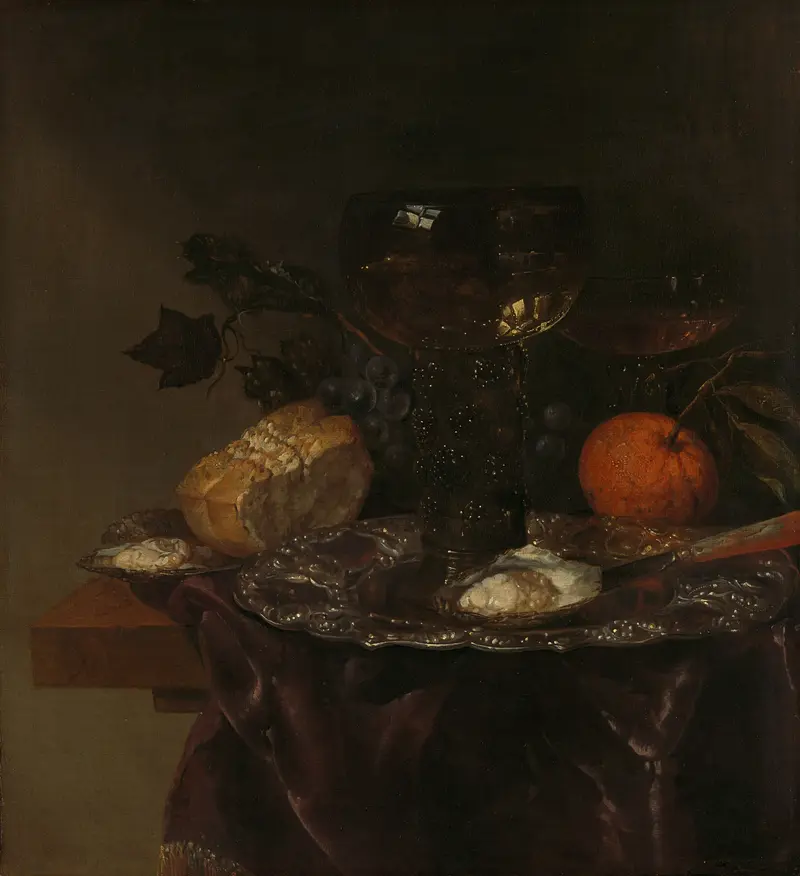
Still Life
Abraham van Beyeren
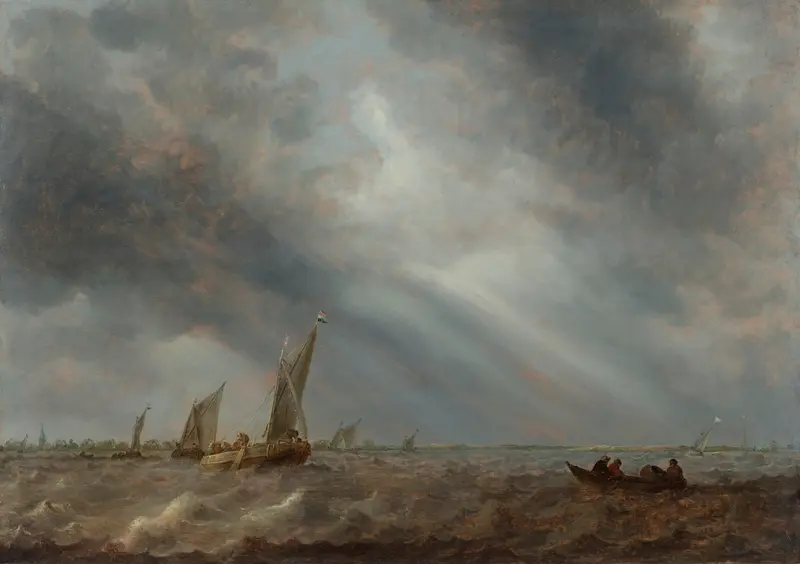
Various sailing vessels and a rowing boat with fishermen on choppy waters under a stormy sky
Abraham van Beyeren
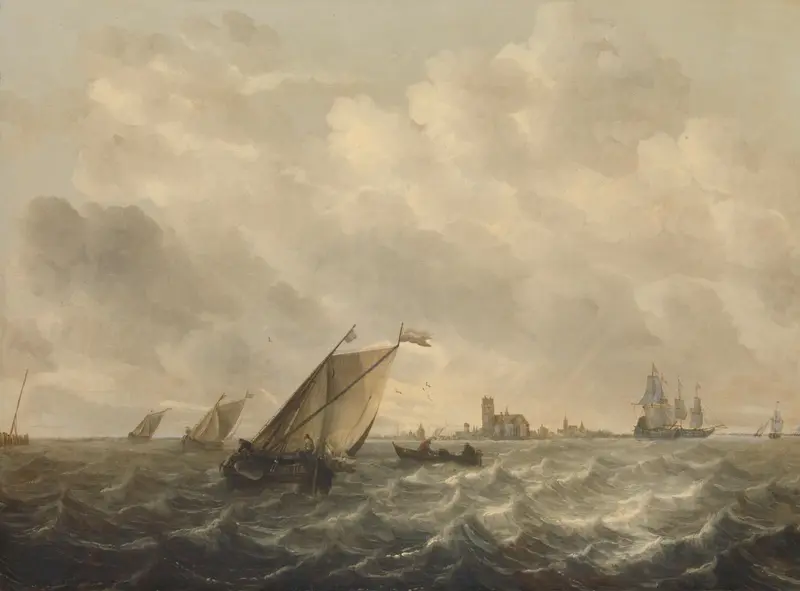
River View
Abraham van Beyeren
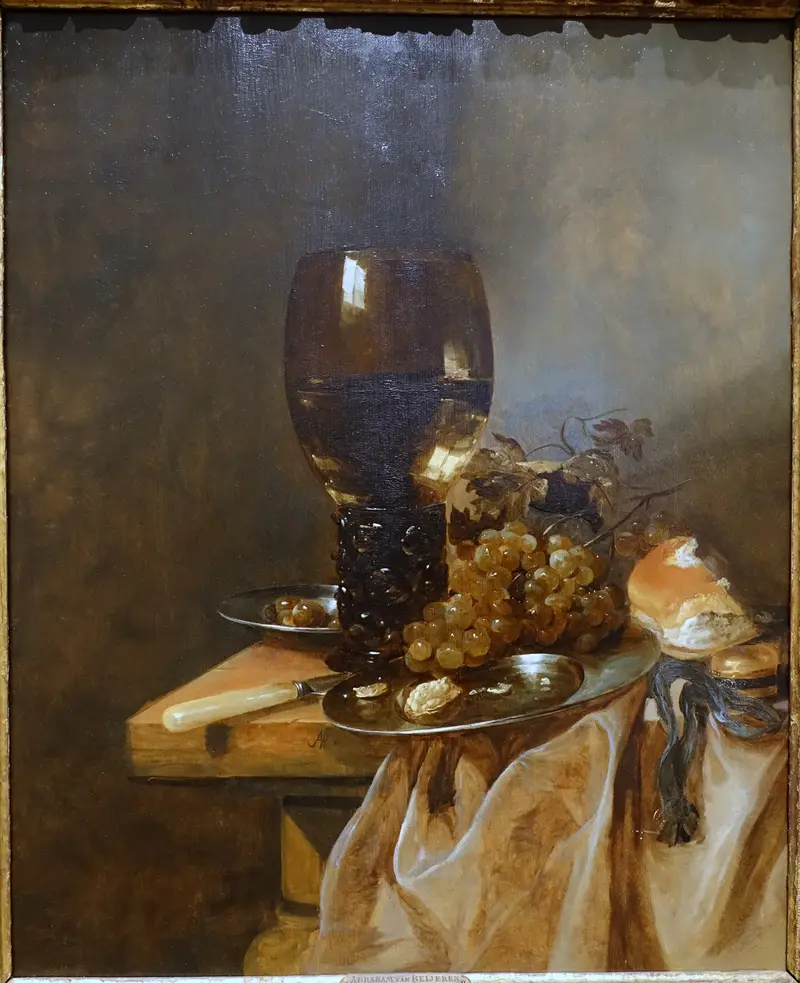
A Roemer with Grapes, a Pewter Plate and a Roll
Abraham van Beyeren
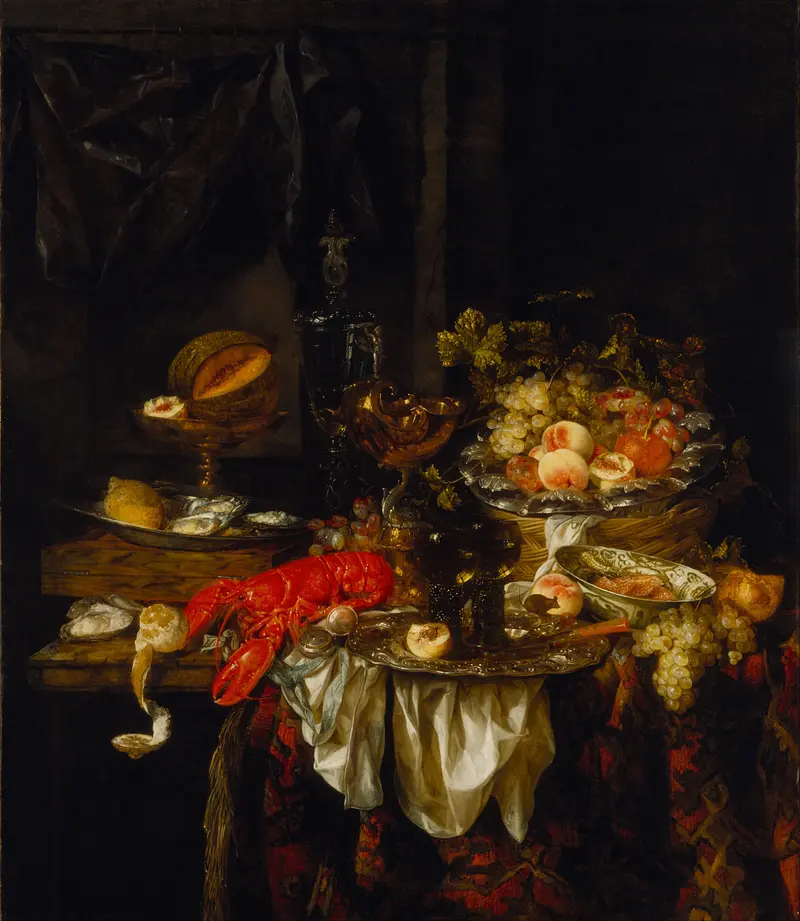
Banquet Still Life
Abraham van Beyeren
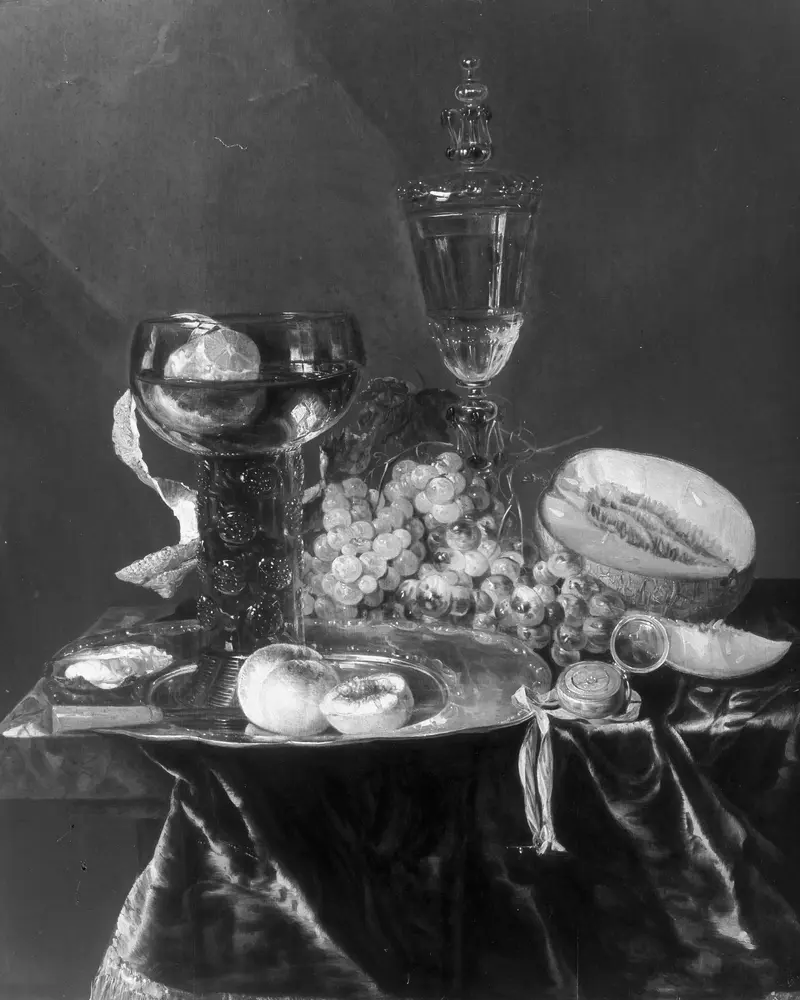
Still life with a glass lid goblet
Abraham van Beyeren
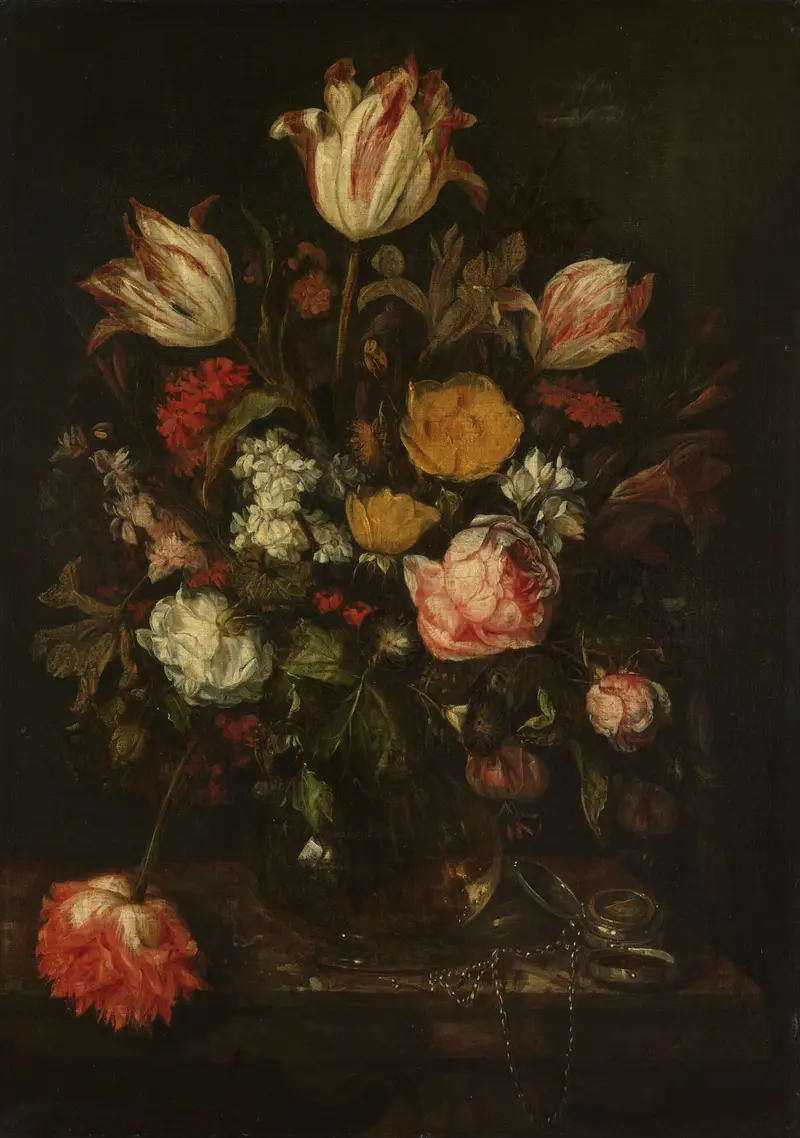
Still life with flowers
Abraham van Beyeren
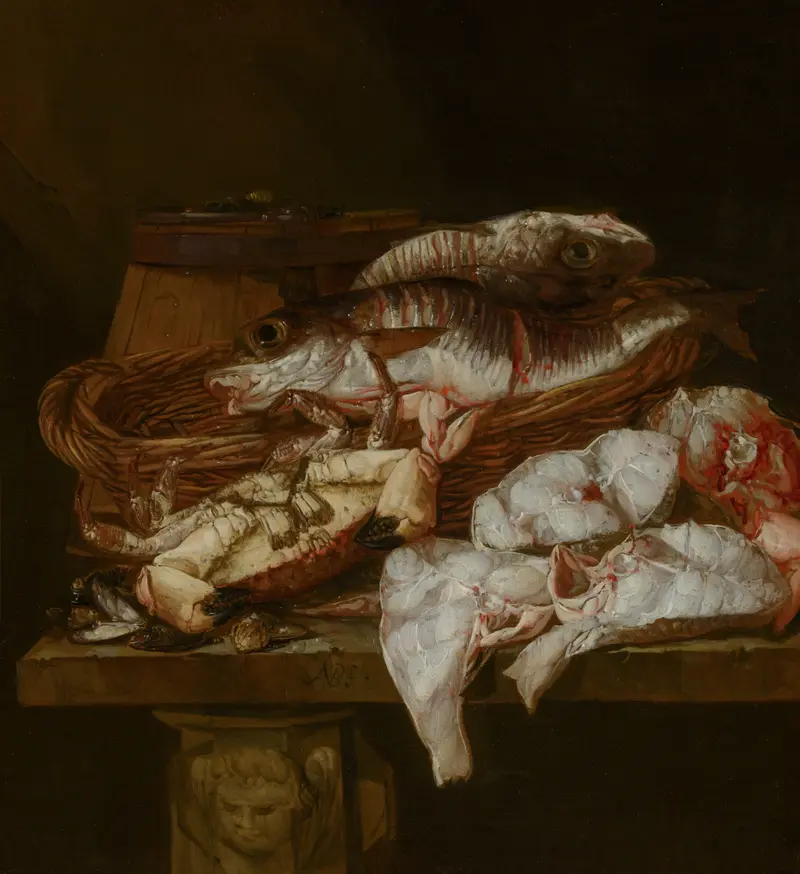
Still Life with Seafood
Abraham van Beyeren
stillife
Abraham van Beyeren





