
Still Life with Seafood — History & Facts
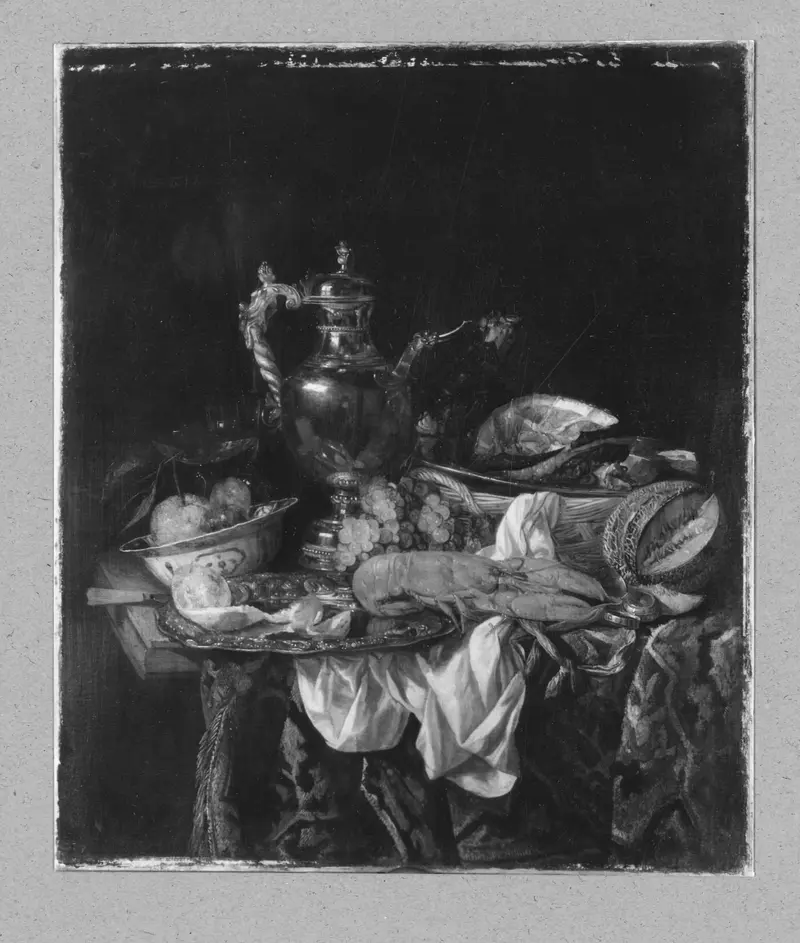
What first strikes the eye in Still Life with Seafood by Abraham van Beyeren is the almost theatrical arrangement of the catch: fish and crab, their bodies splayed and glistening, seem to overflow from the basket and tumble toward the viewer. The light falls with deliberate precision, spotlighting the slick, silvery flesh and the rough textures of shell and scale, while the background withdraws into shadow, isolating the bounty on a stage of dark wood. The artist’s careful rendering of the fish’s glassy eyes and the crab’s articulated limbs draws us into a world where abundance and mortality are inseparable—each detail, from the bloodied cuts to the curling fins, insists on the immediacy of the moment.
The stone table, adorned with a carved face, anchors the scene in a sense of permanence, even as the seafood itself hints at transience. Painted between 1640 and 1690, this work belongs to a tradition of Dutch still life that flourished in the seventeenth century, when the prosperity of the Dutch Republic found expression in displays of luxury and natural bounty. Such paintings were often commissioned by wealthy merchants eager to showcase their taste and their access to the riches of sea and trade. Yet, beneath the surface, these compositions invite reflection on themes of impermanence and the fleeting pleasures of the senses—a reminder that even the most sumptuous feast is bound to time.
Now in the collection of the Mauritshuis, Still Life with Seafood stands as both a record of its era’s material wealth and a meditation on the cycles of life and decay. The longer one looks, the more the painting reveals its quiet drama.
Sources: Wikidata Q17275936 · Image source (Wikimedia Commons)
More Artworks by Abraham van Beyeren

Still Life
Abraham van Beyeren
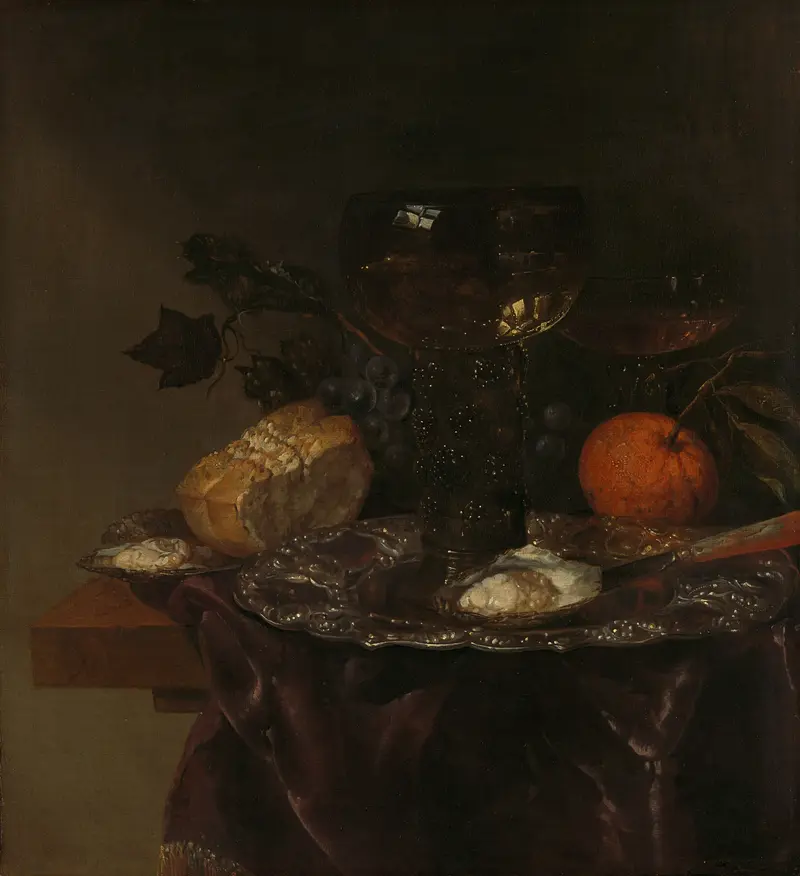
Still Life
Abraham van Beyeren
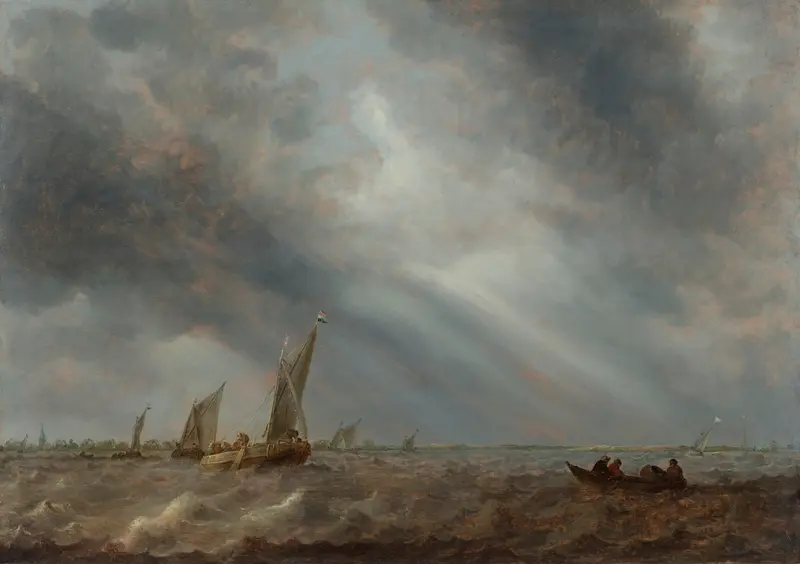
Various sailing vessels and a rowing boat with fishermen on choppy waters under a stormy sky
Abraham van Beyeren
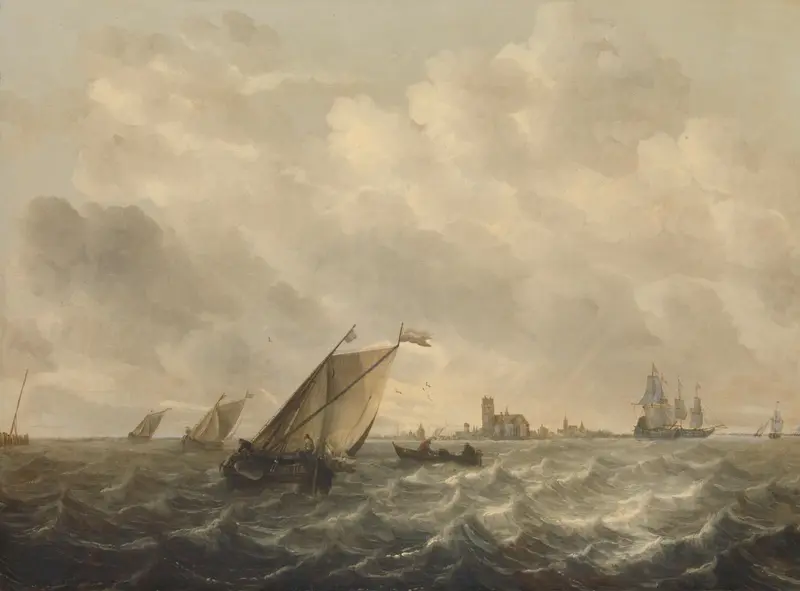
River View
Abraham van Beyeren
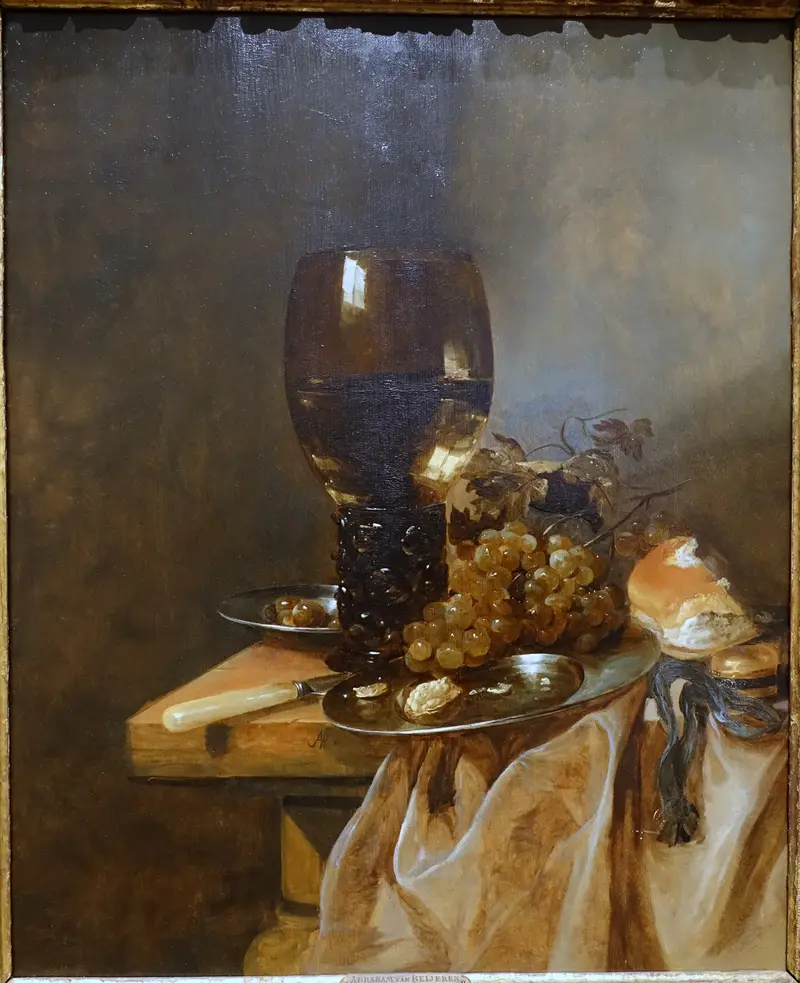
A Roemer with Grapes, a Pewter Plate and a Roll
Abraham van Beyeren
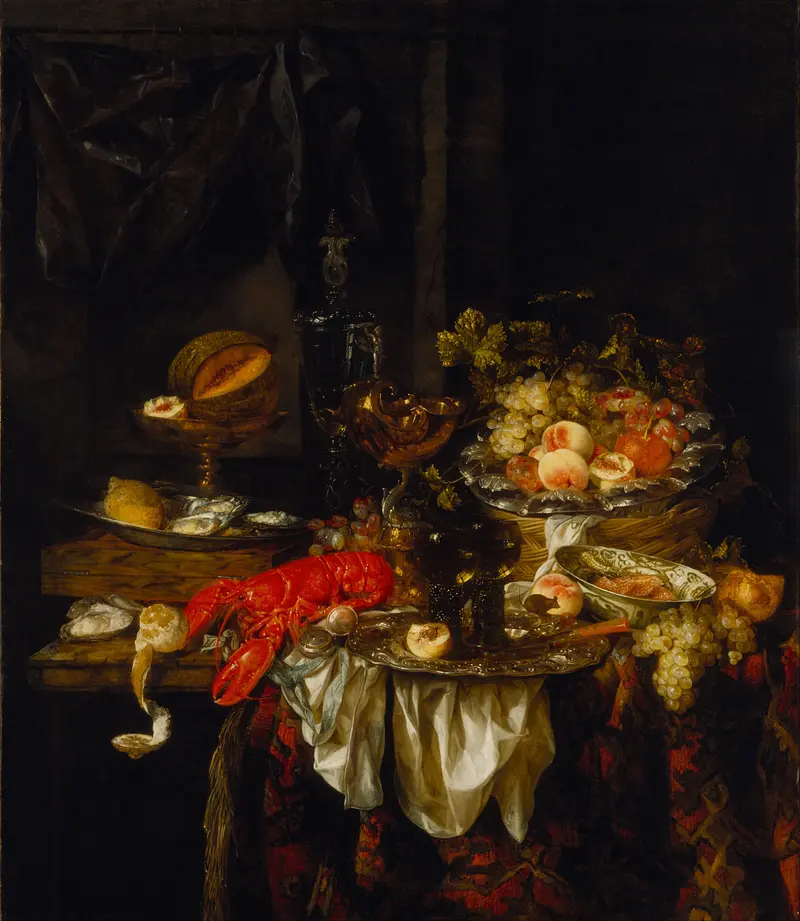
Banquet Still Life
Abraham van Beyeren
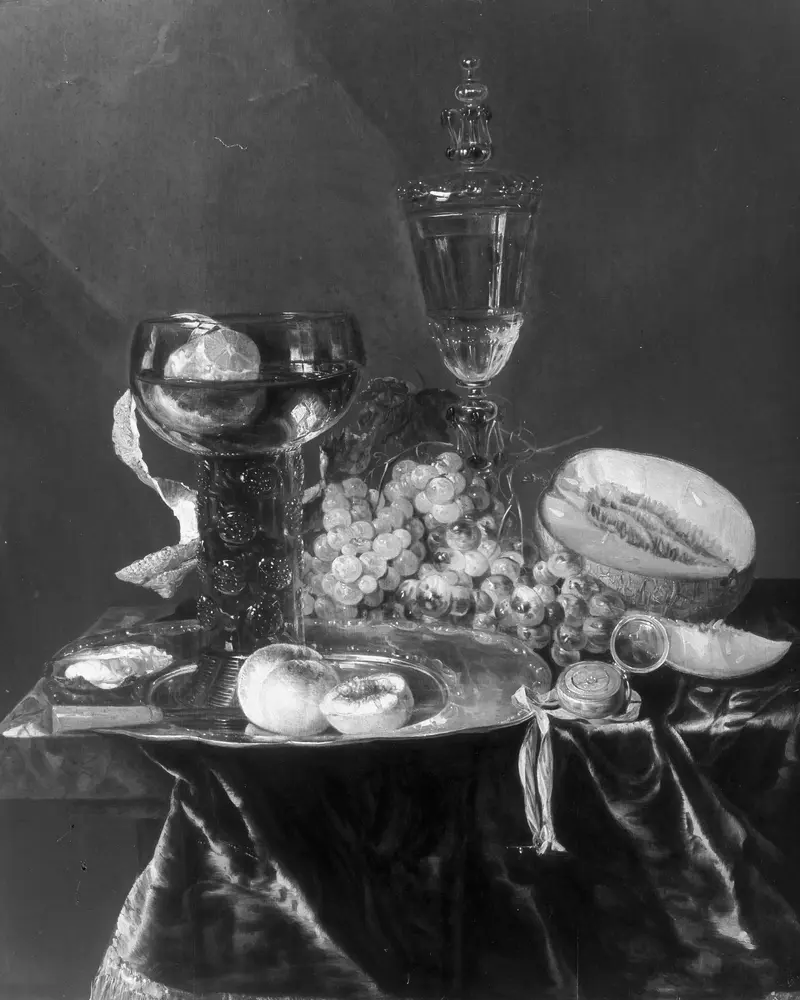
Still life with a glass lid goblet
Abraham van Beyeren
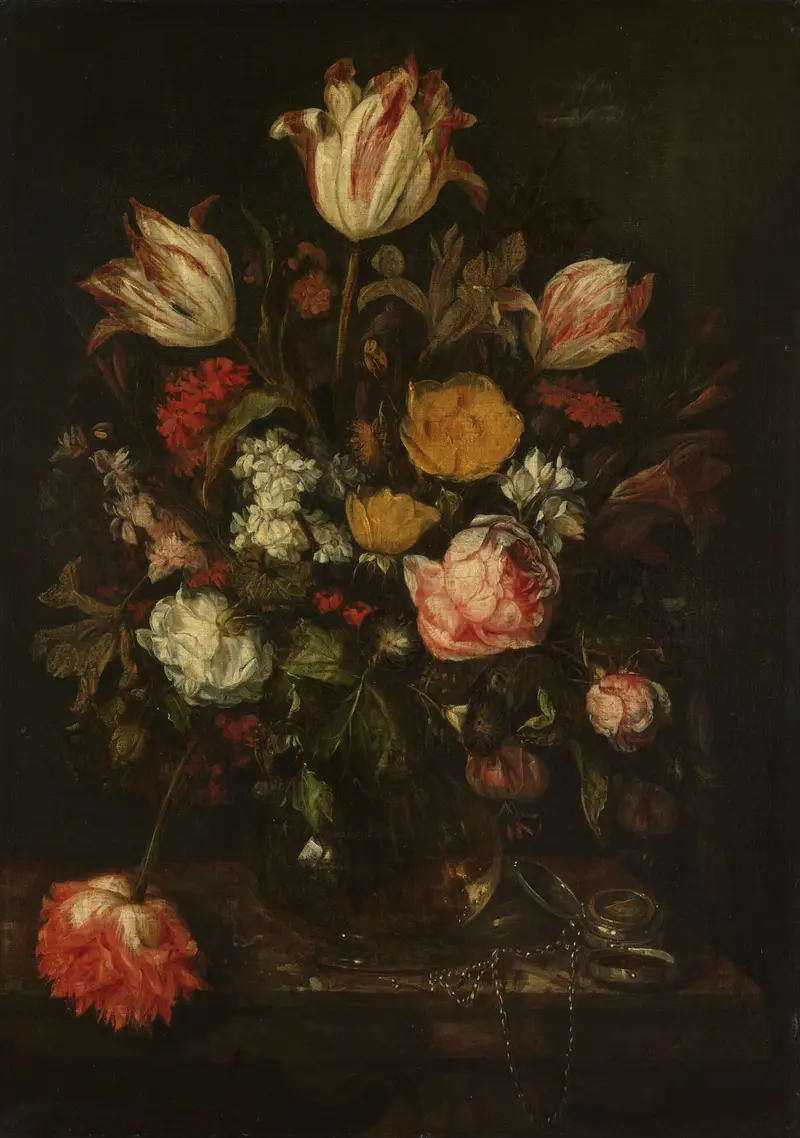
Still life with flowers
Abraham van Beyeren
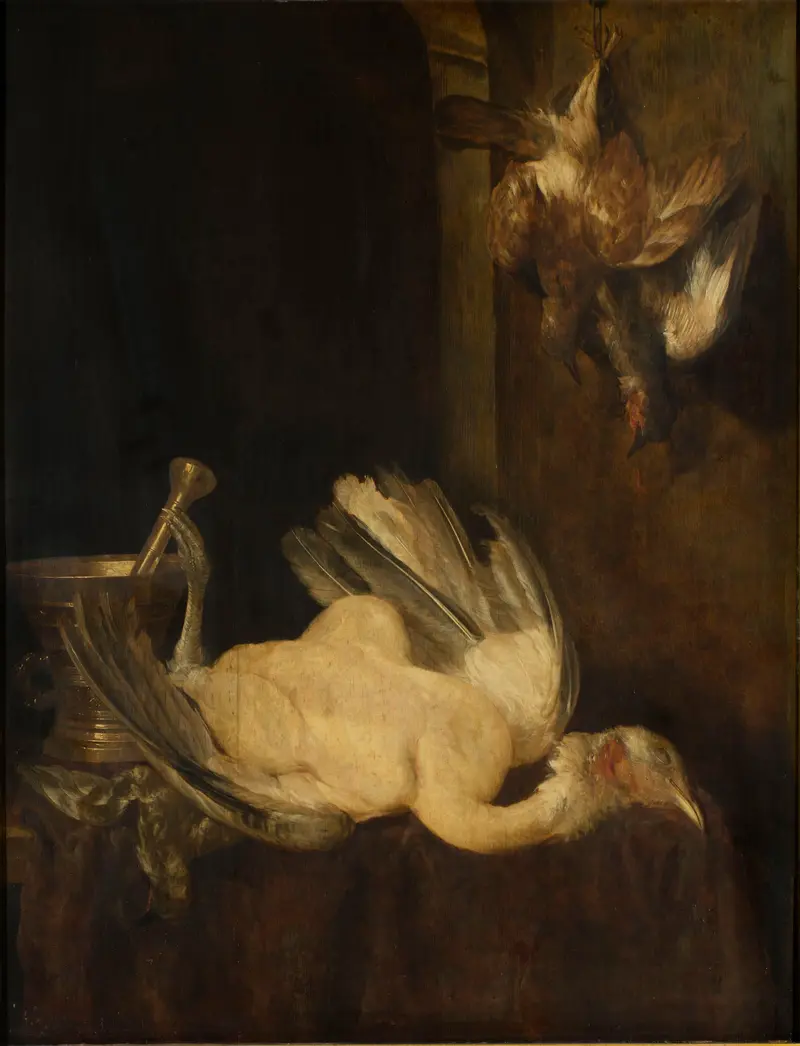
Still life with dead birds
Abraham van Beyeren
stillife
Abraham van Beyeren





