
Boats on the Seacoast at Étaples — History & Facts
What if silence could speak through light? In Boats on the Seacoast at Étaples, that silence resonates, capturing the ecstasy of a tranquil moment along the coast. The painting invites viewers to step into a world where light and shadow dance, creating an ethereal atmosphere that transcends the mundane. Look to the foreground, where delicate strokes of white and cream define the boats gently swaying on the water's surface. The vibrant blues and greens of the sea and sky draw the eye upwards, merging seamlessly at the horizon.
Daubigny's expert use of color creates a harmonious balance, the brushwork fluid and alive, as if the painting itself breathes with the rhythm of the tide. Each detail, from the subtle ripples in the water to the shimmering reflections on the hulls, contributes to an overwhelming sense of calm. Beneath this serene facade lies a deeper tension—between the stability of the boats and the ever-changing nature of the sea. The varying hues of the water suggest both tranquility and the potential for turbulence, reminding the viewer of the delicate harmony between man and nature.
This juxtaposition evokes feelings of both security and vulnerability, encapsulating the human experience in a fleeting moment of beauty. In 1871, Daubigny painted this piece during a pivotal time in his life, living in France amidst a flourishing art scene influenced by Impressionism. The coastal region of Étaples was a popular subject for artists, and Daubigny, known for his mastery of landscape, captured not just the physical setting but the essence of peace that the place offered. It was a time of exploration and innovation, as artists sought to evoke emotion through light and color, shaping the course of modern art.
More Artworks by Charles François Daubigny
Browse all →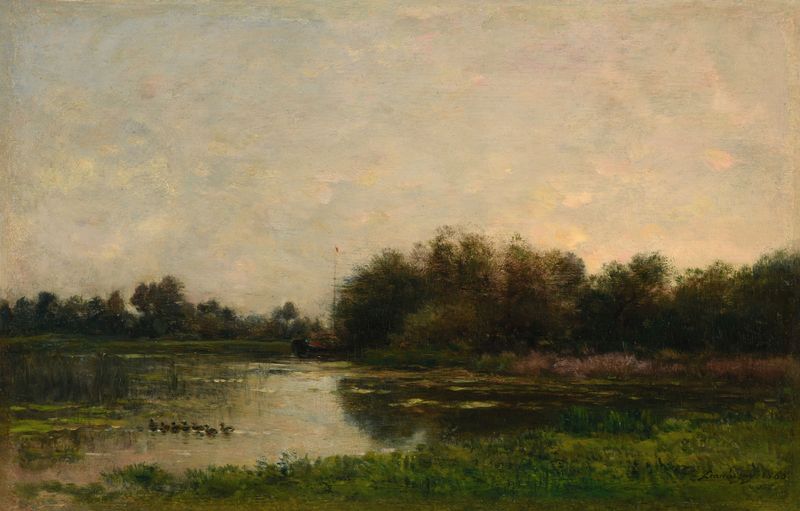
Bords de l’Oise
Charles François Daubigny
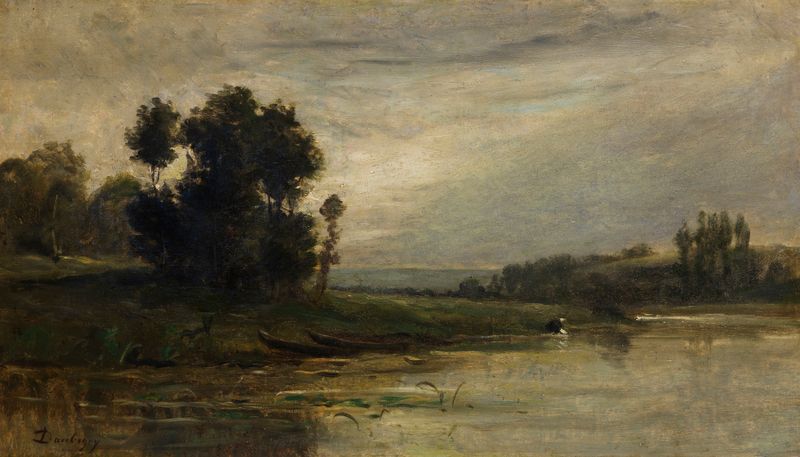
Bords de l’Oise
Charles François Daubigny
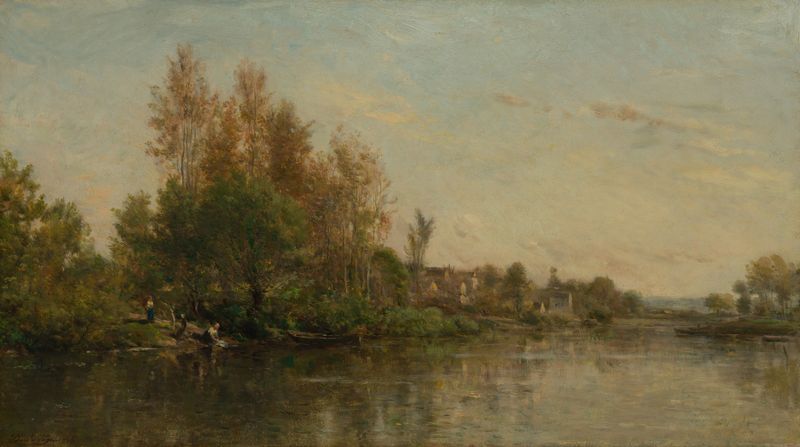
The Banks of the Oise
Charles François Daubigny
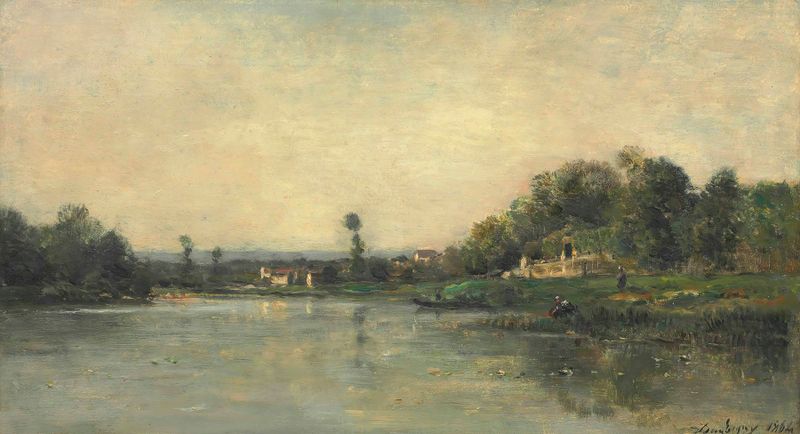
Les Bords De L’oise
Charles François Daubigny
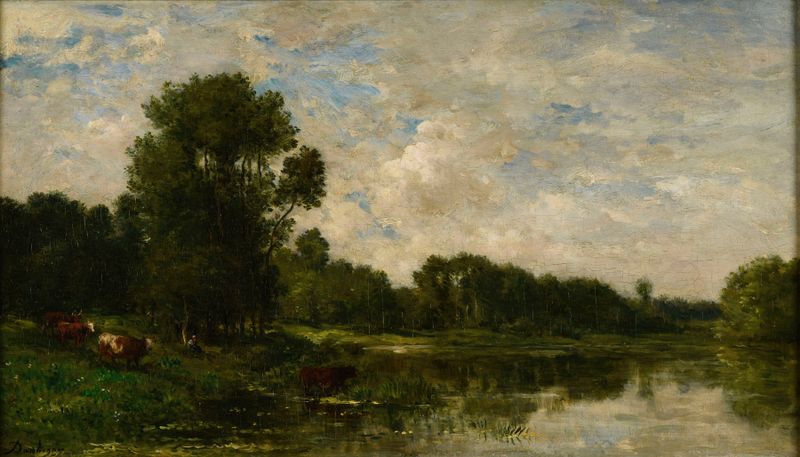
Bords de l’Oise
Charles François Daubigny
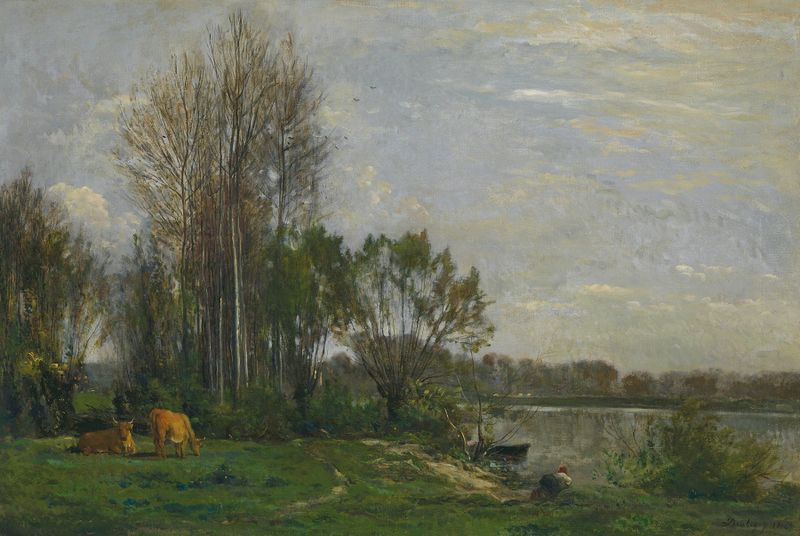
Les Bord De L’oise
Charles François Daubigny
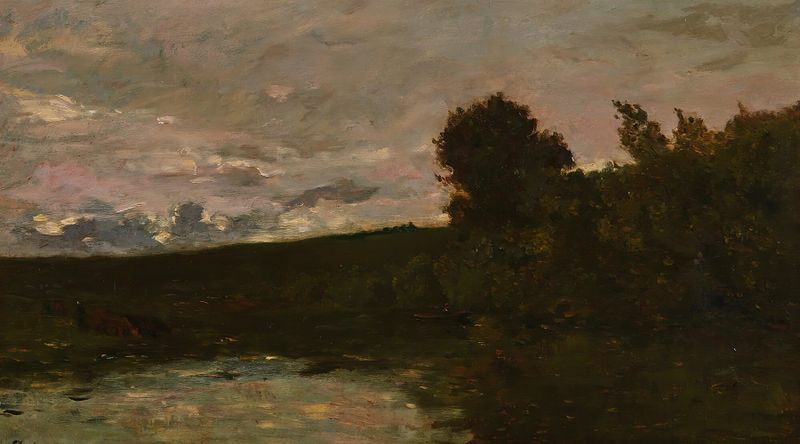
Bord De Riviére
Charles François Daubigny
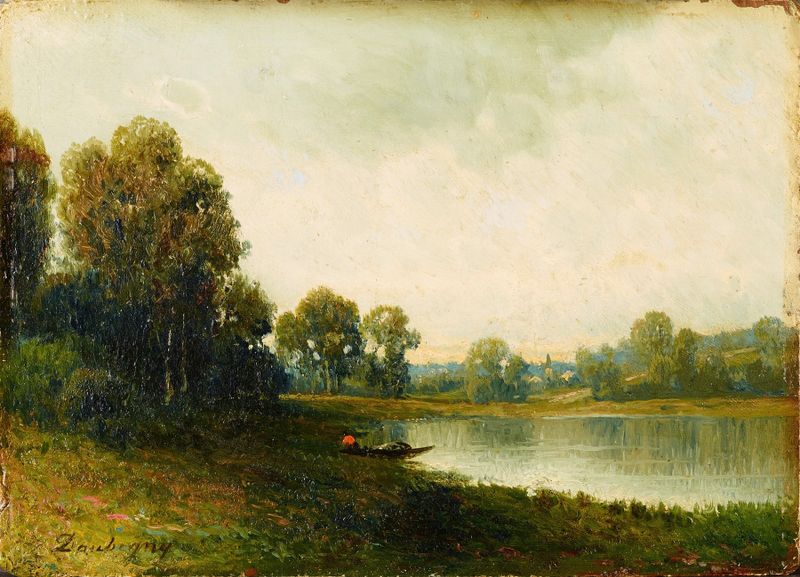
Landscape
Charles François Daubigny
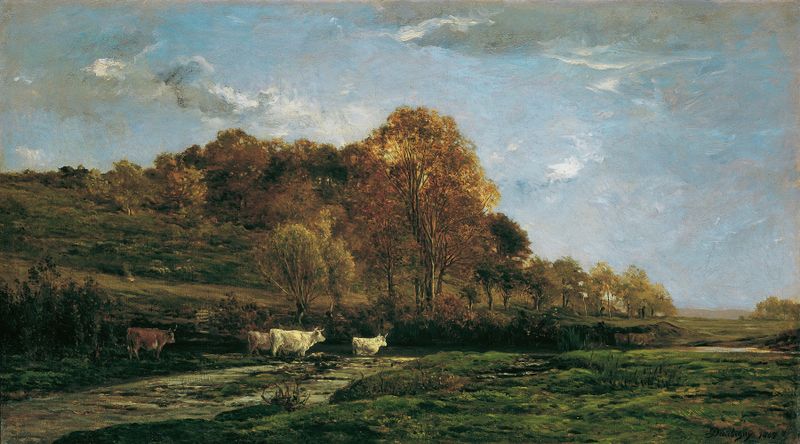
Herbstliche Aulandschaft Abendstimmung
Charles François Daubigny
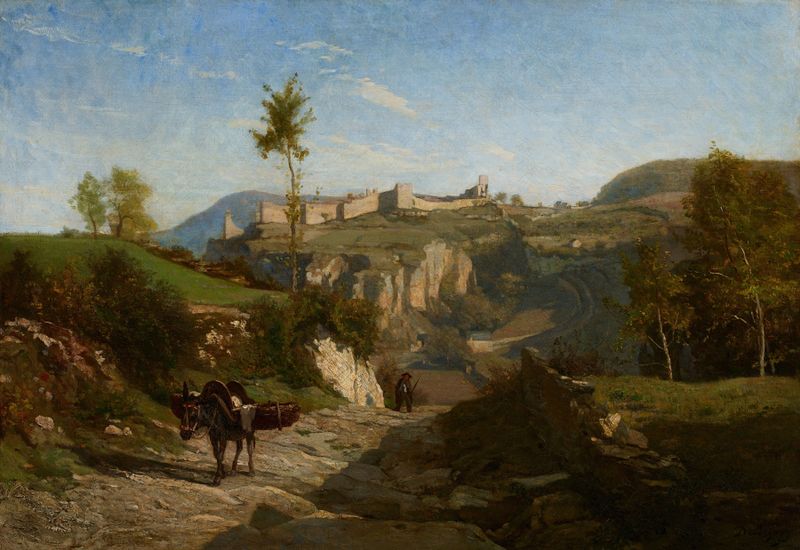
Landscape near Crémieu
Charles François Daubigny





