
Boaz ontmoet Ruth bij de oogst van gerst — History & Facts
What secret hides in the quiet of the canvas? In Boaz ontmoet Ruth bij de oogst van gerst, a seemingly serene meeting reverberates with unspoken emotions, the shadows of potential betrayal lurking just beyond the surface. Look to the left at the elegantly draped figure of Ruth, her posture both humble and inviting as she gathers grain in the golden fields. The vibrant greens and rich browns of the landscape contrast with the soft, muted tones of her attire, emphasizing her role as the outsider in this biblical narrative. The light cascades from the upper corner, illuminating her face, while the angular forms of the sheaves around her create a subtle frame that draws our gaze to her and the imposing figure of Boaz on the right. Yet, beneath the pastoral beauty lies an intricate tension.
The delicate interactions between the characters suggest a bond rooted in obligation and societal expectation. The eyes of Boaz, observing Ruth with a mix of curiosity and authority, hint at the precarious balance of power that could easily tip into exploitation. The abundance of the harvest juxtaposed against the vulnerability of Ruth underscores a narrative of survival intertwined with the threat of betrayal. In 1538, Hans Holbein (II) was painting in a time of burgeoning Reformation thought, where themes of morality and human relationships were undergoing scrutiny.
Residing in Basel, he sought to capture not only the beauty of form but also the complexity of character interactions within his works. This painting exemplifies his ability to meld visual storytelling with deeper moral questions, reflecting the era's rich tapestry of political and personal upheaval.
More Artworks by Hans Holbein (II)
Browse all →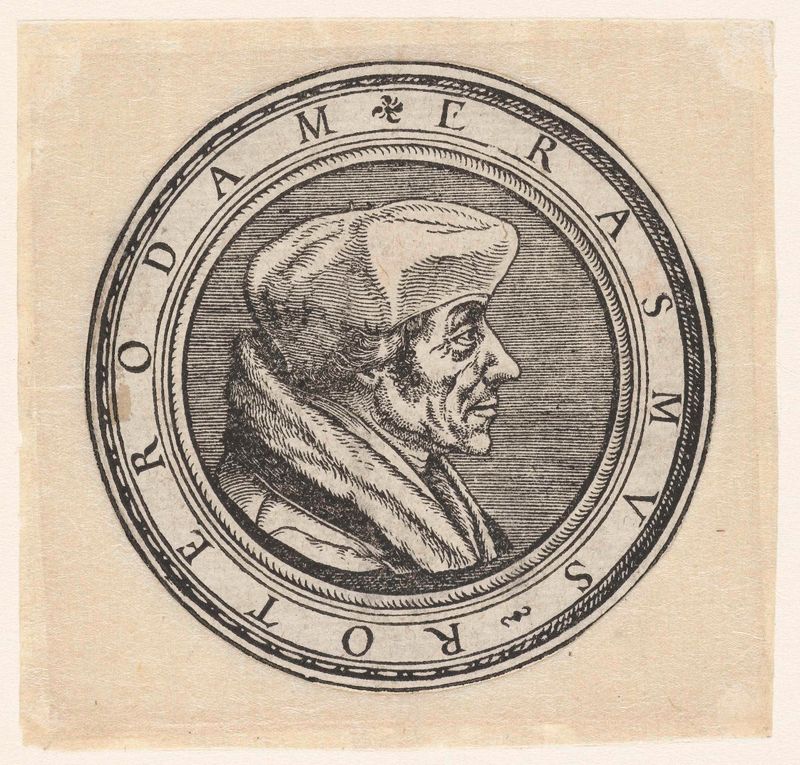
Portret van Erasmus
Hans Holbein (II)
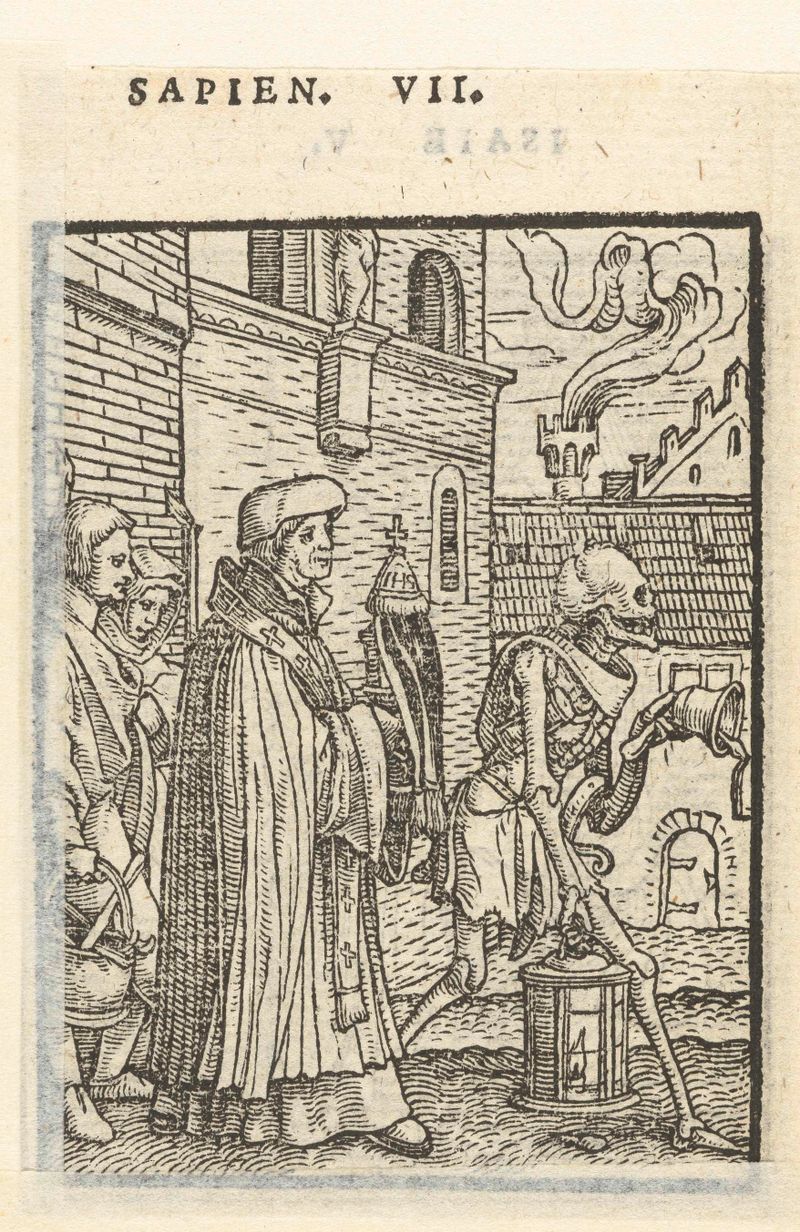
Priester en de Dood
Hans Holbein (II)
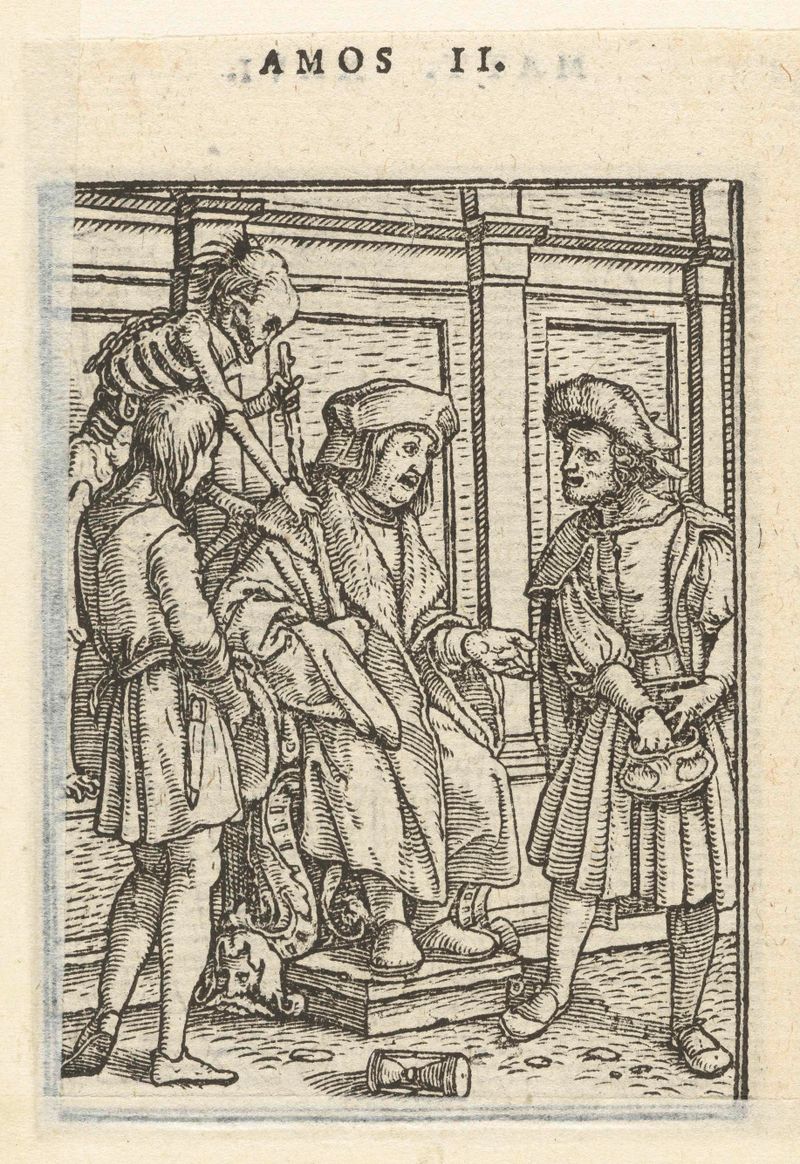
Rechter en de Dood
Hans Holbein (II)
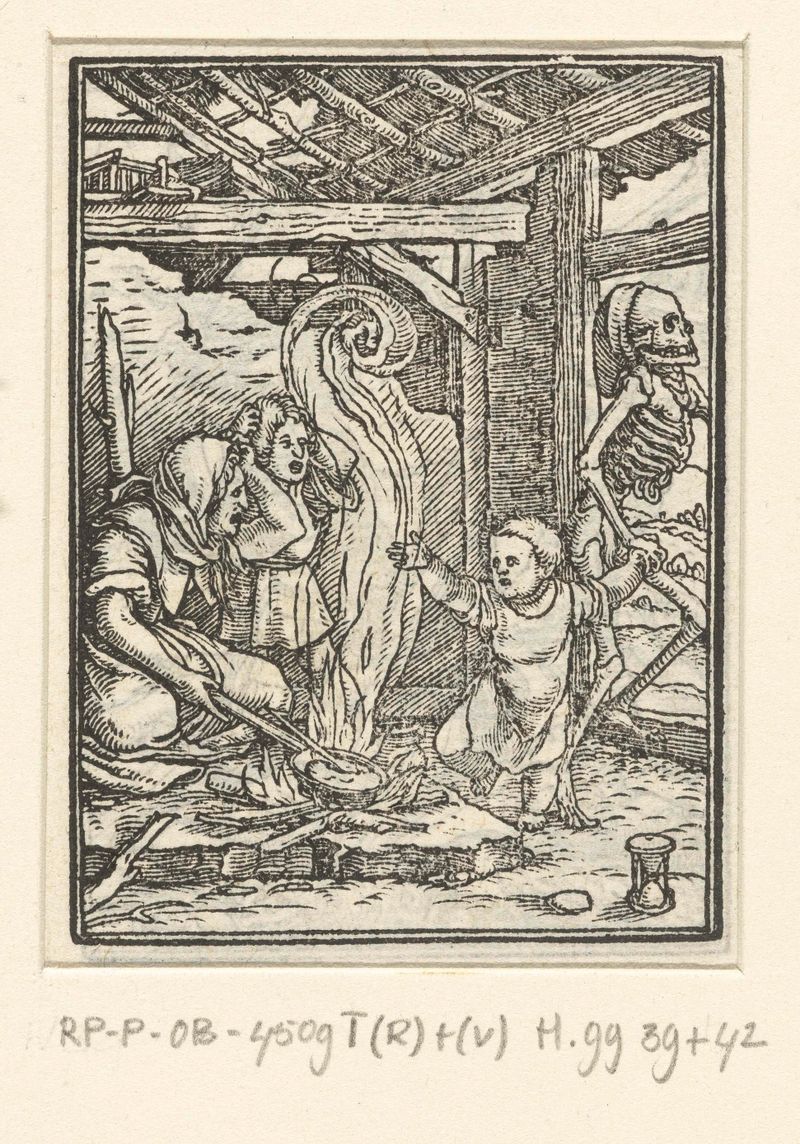
Kind en de Dood
Hans Holbein (II)
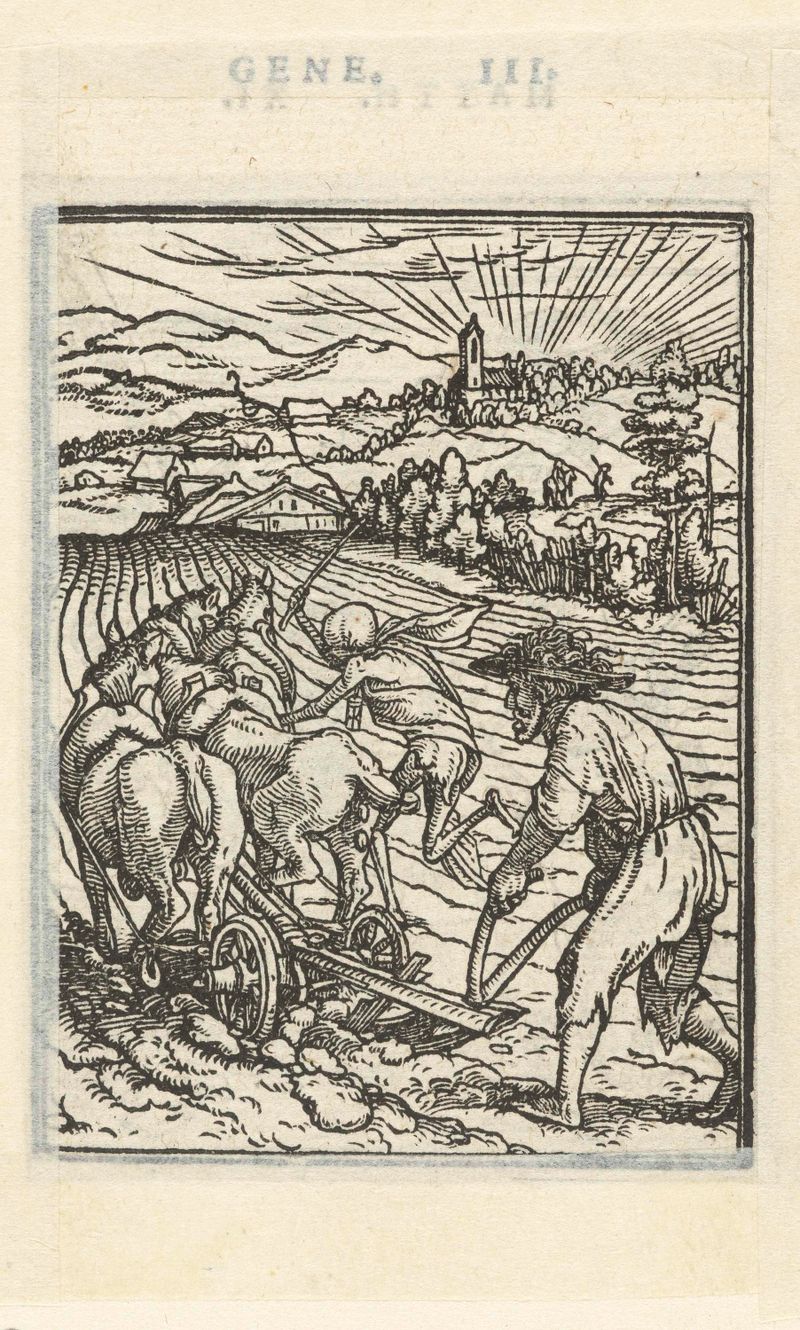
Boer en de Dood
Hans Holbein (II)
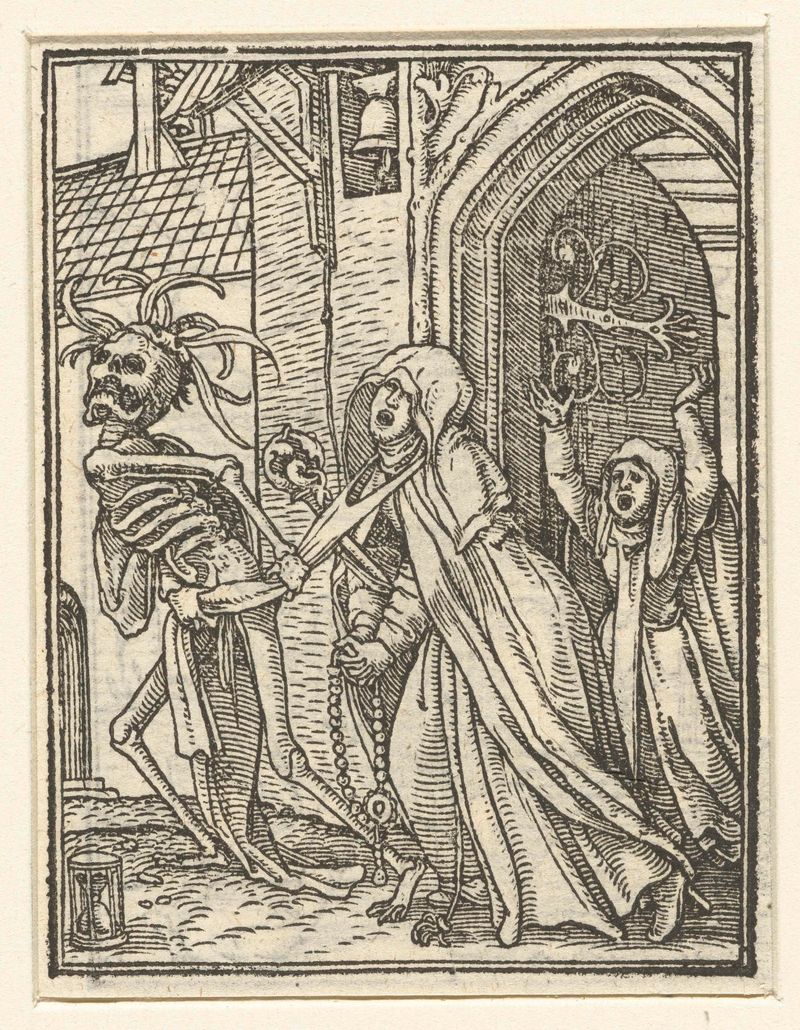
Abdis en de Dood
Hans Holbein (II)
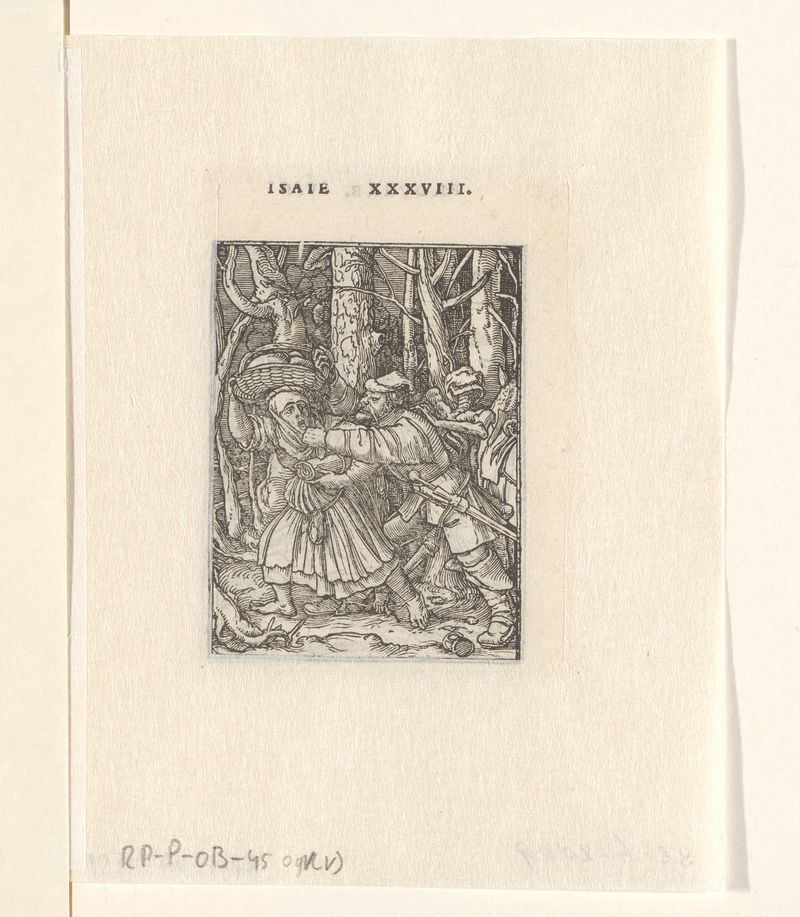
Dief en de Dood
Hans Holbein (II)
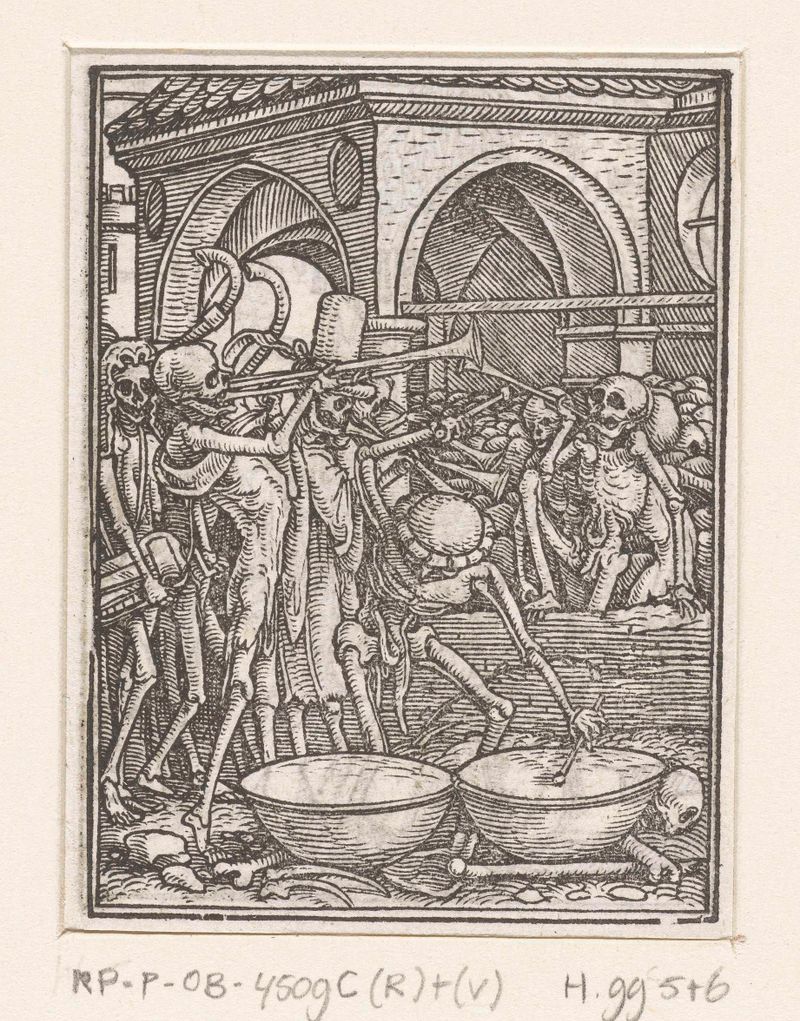
Skeletons Making Music from Dance of the Dead
Hans Holbein (II)
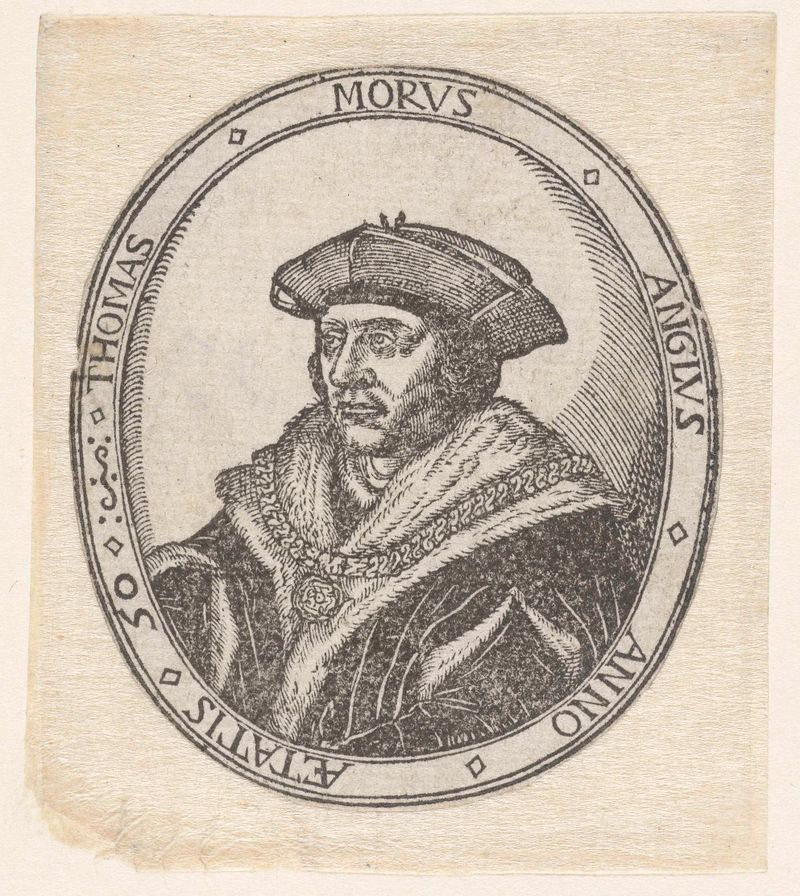
Portret van Thomas More
Hans Holbein (II)
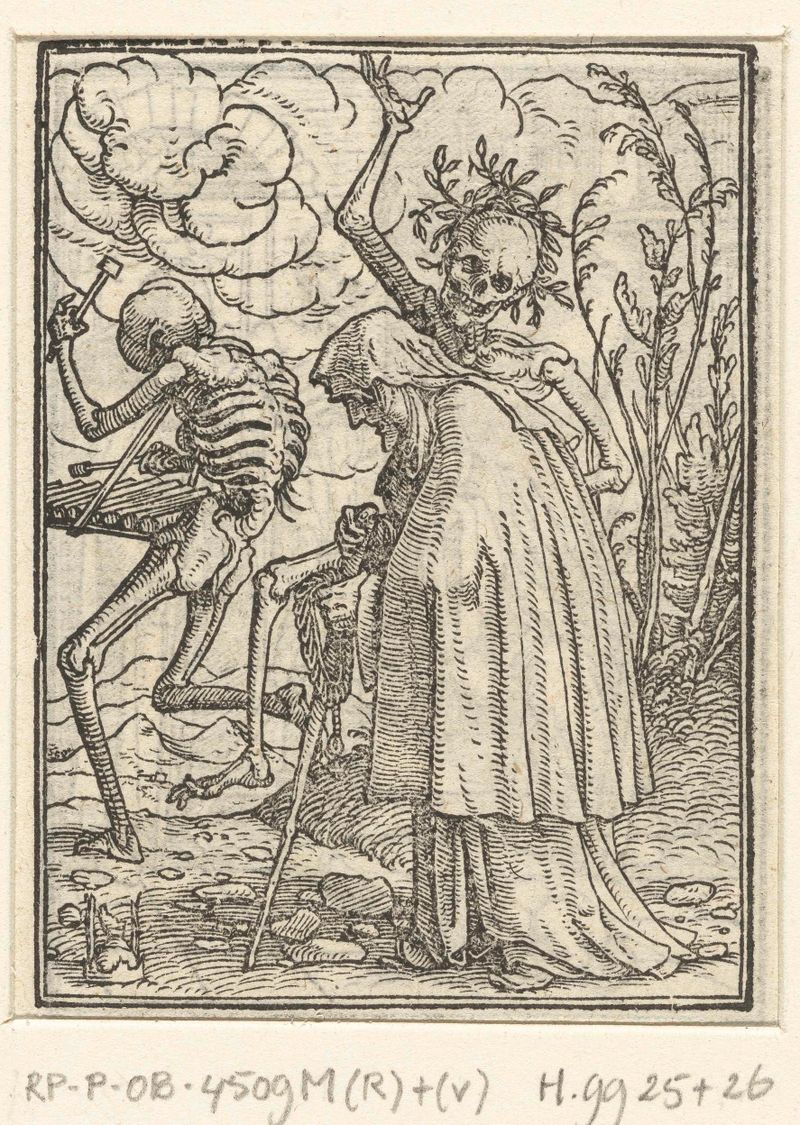
Oude vrouw en de Dood
Hans Holbein (II)
More Historical Art
Browse all →
The Night Watch Militia Company of District II under the Command of Captain Frans Banninck Cocq
Rembrandt van Rijn

Lincoln Memorial
Henry Bacon

The Third of May 1808
Francisco de Goya

Isaac and Rebecca, Known as ‘The Jewish Bride’
Rembrandt van Rijn

The Charge of the Mamelukes (1814)
Francisco de Goya

De vier ruiters van de apocalyps
Albrecht Dürer