Boceto — History & Facts
What holds the viewer here is the quiet invitation of the sitter’s gaze, direct yet unhurried, as if she has paused mid-thought to let you in. The soft modeling of her face and arms draws the eye, their pale tones emerging from a warm, almost monochrome field of ochres and umbers. Her pose—one elbow propped, chin lightly resting on her hand—suggests both ease and alertness, a moment suspended between conversation and contemplation.
The brushwork is loose, especially in the dress and background, giving the impression of a study or an idea in progress rather than a finished portrait, while the light pools gently across her shoulders, guiding us to the calm intelligence in her expression. This Boceto by Alexandre Cabanel, painted in the nineteenth century, belongs to a world where portraiture was both a social marker and a stage for introspection. In the era of grand salons and academic rigor, artists like Cabanel were celebrated for their ability to capture not just likeness but presence—often for patrons eager to secure their place in history or society. Yet, as this oil sketch reveals, the process itself could be as revealing as the result: here, the unfinished quality lets us glimpse the choices and revisions behind the illusion.
Now part of the Museo Nacional de Bellas Artes collection, this work stands as a reminder that even in a time of polished surfaces, the artist’s hand and the sitter’s inner life could break through—if only for a moment. Look again at her face; what story do you imagine she is about to tell?
More Artworks by Alexandre Cabanel
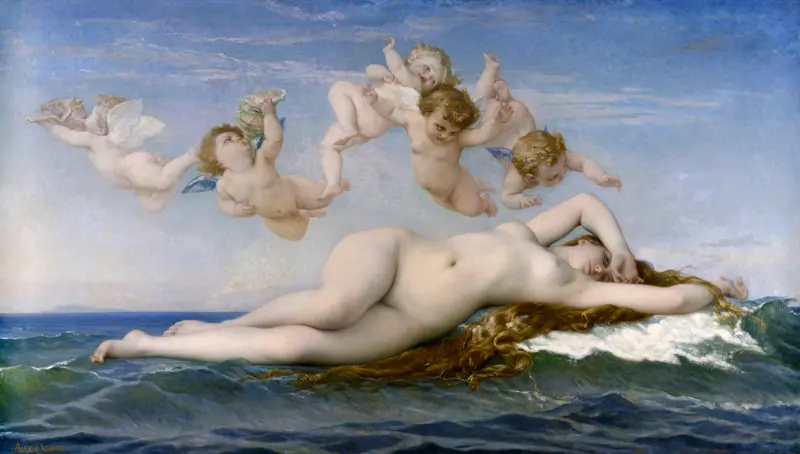
The Birth of Venus
Alexandre Cabanel
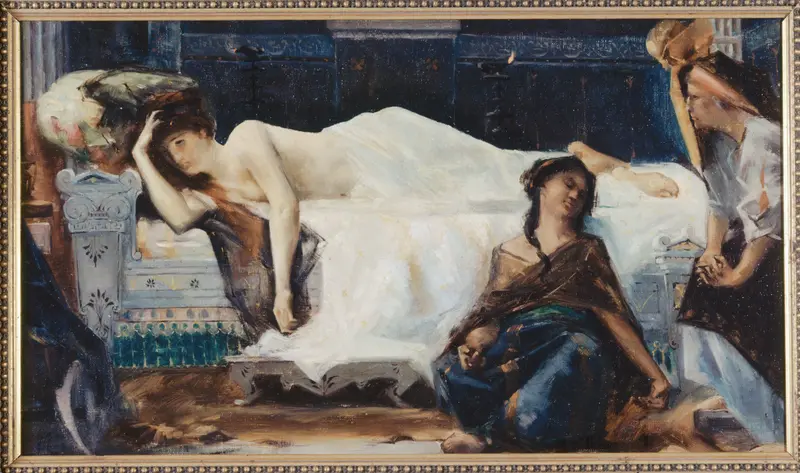
Phèdre
Alexandre Cabanel
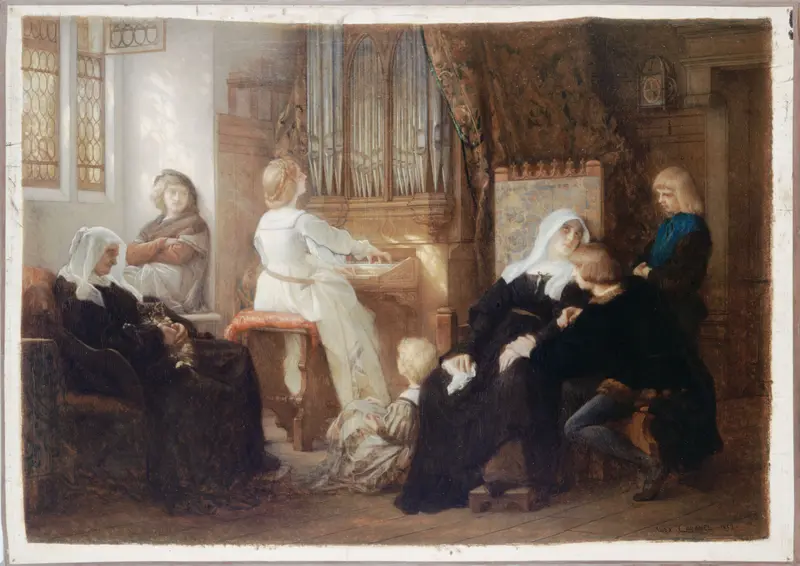
La veuve du maître de chapelle
Alexandre Cabanel
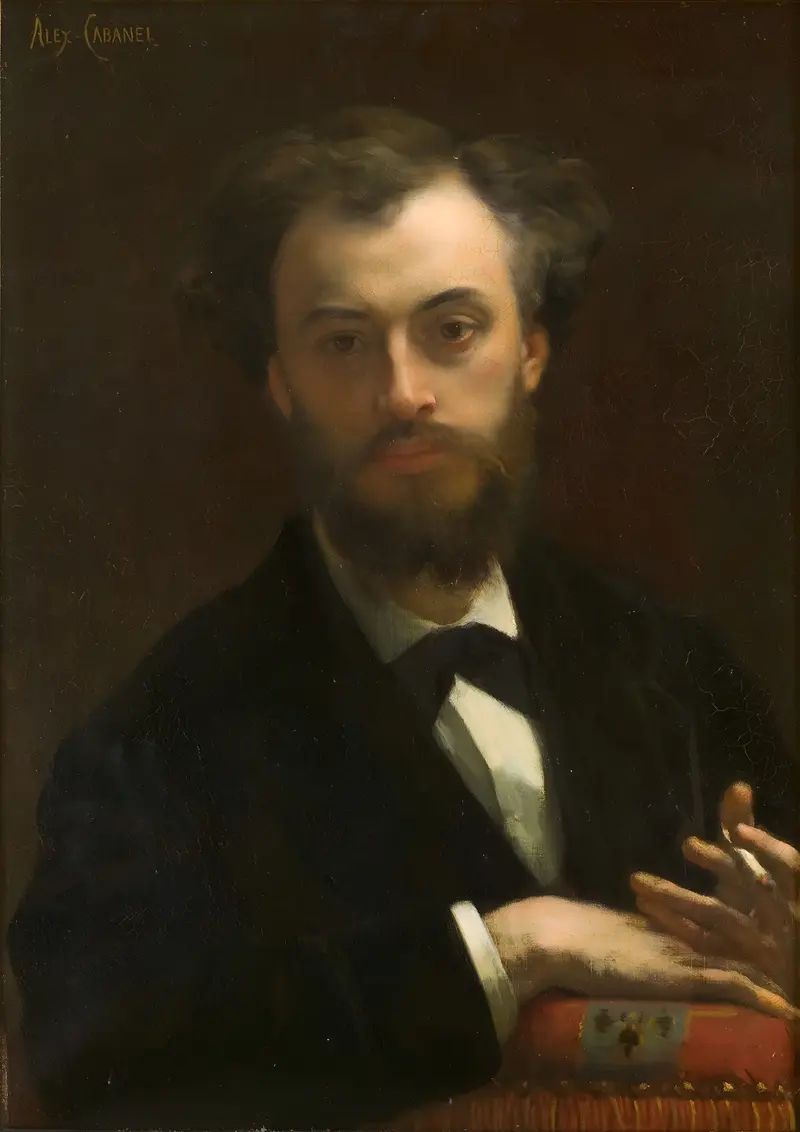
Portrait de M. Pierre Cabanel
Alexandre Cabanel
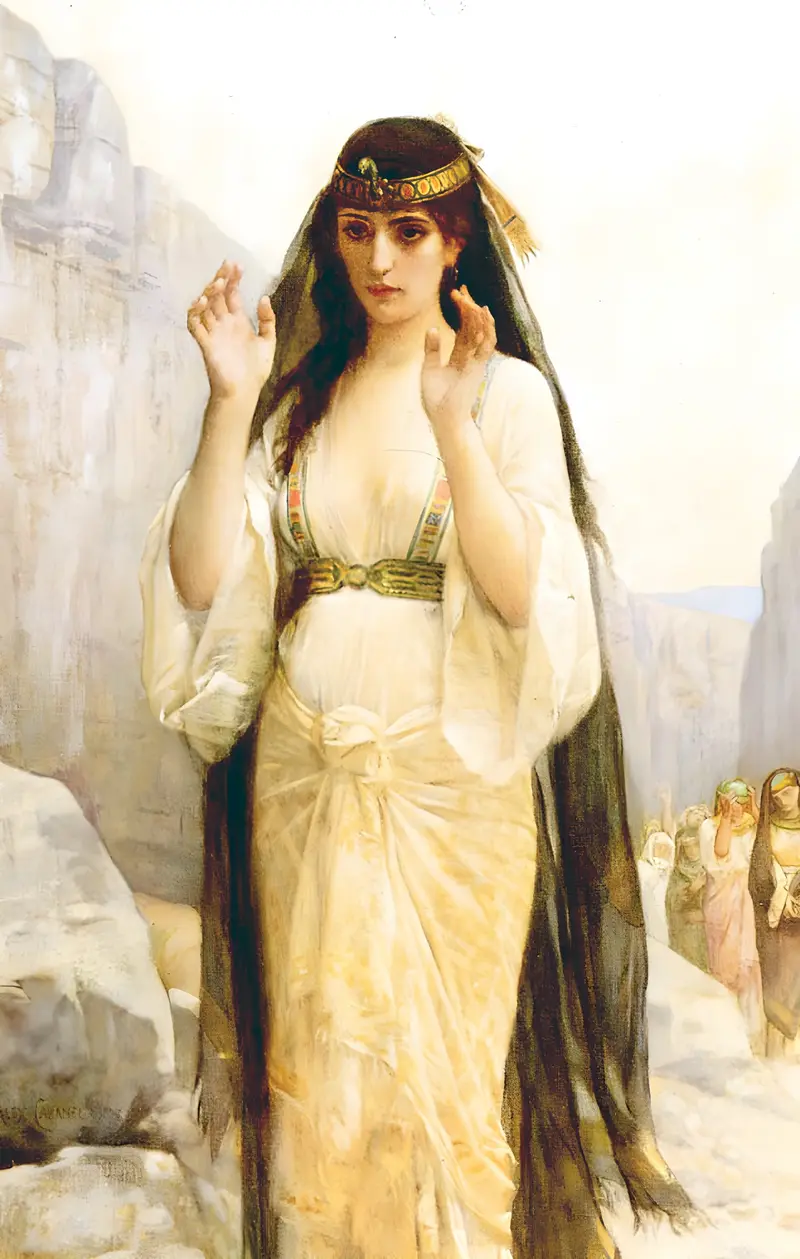
The Daughter of Jephthah
Alexandre Cabanel
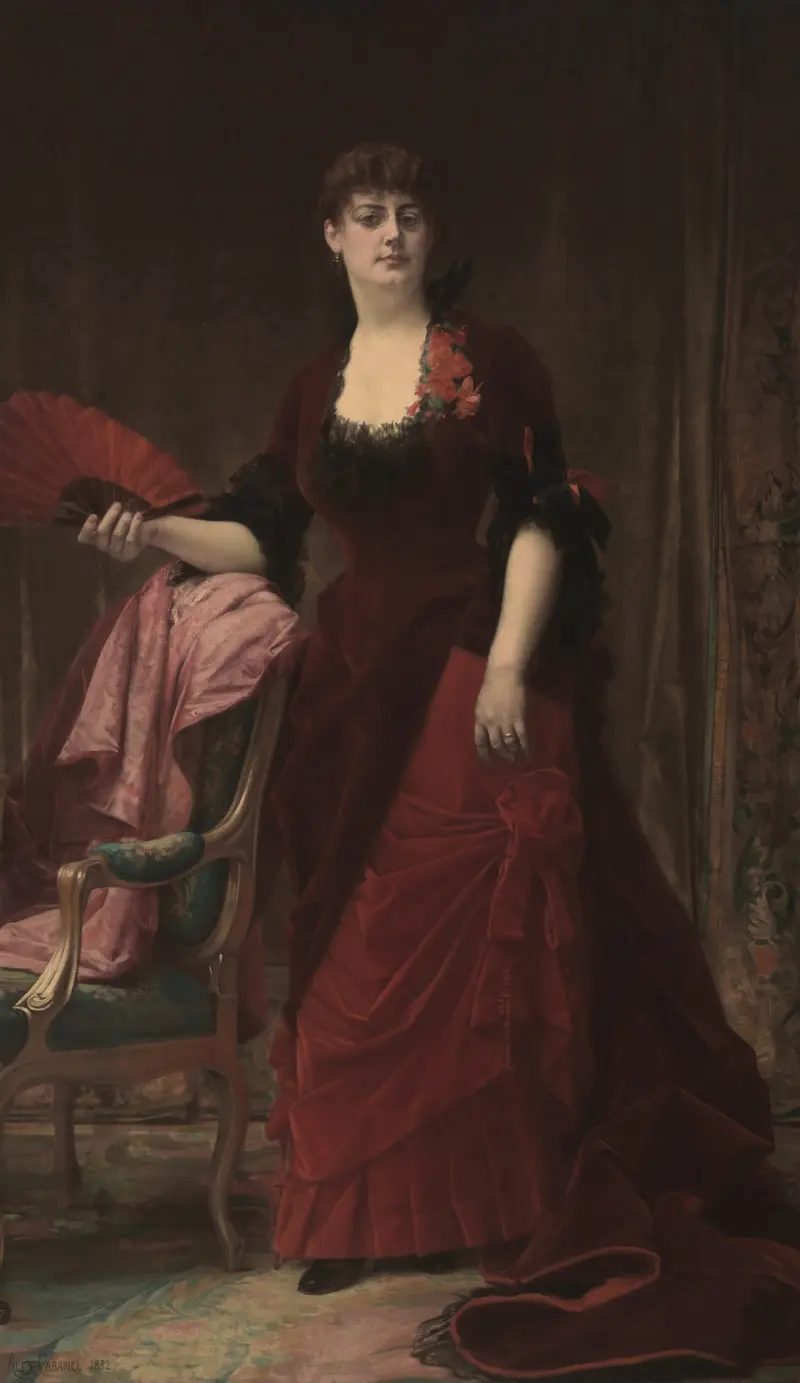
Portrait of Arabella Worsham (later Arabella Huntington)
Alexandre Cabanel
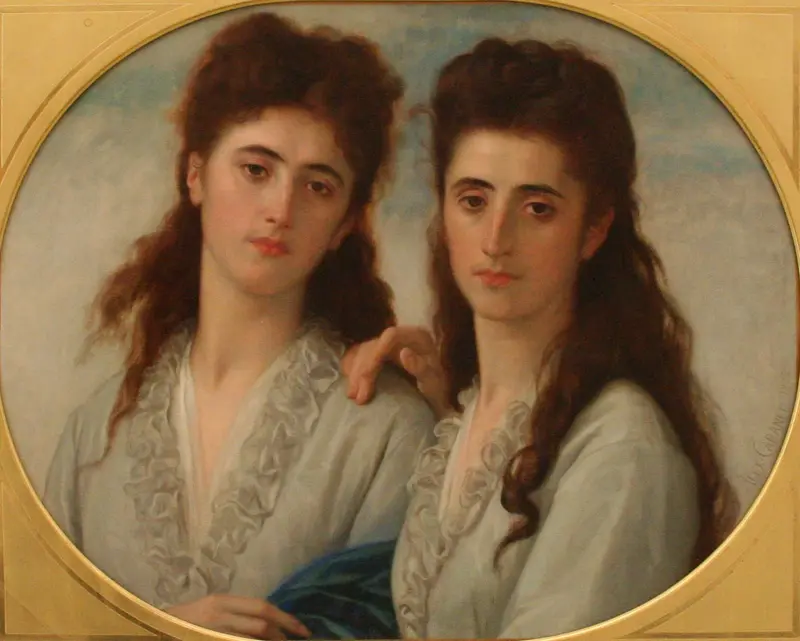
Portrait de mesdemoiselles Sophie et Berthe Cabanel
Alexandre Cabanel
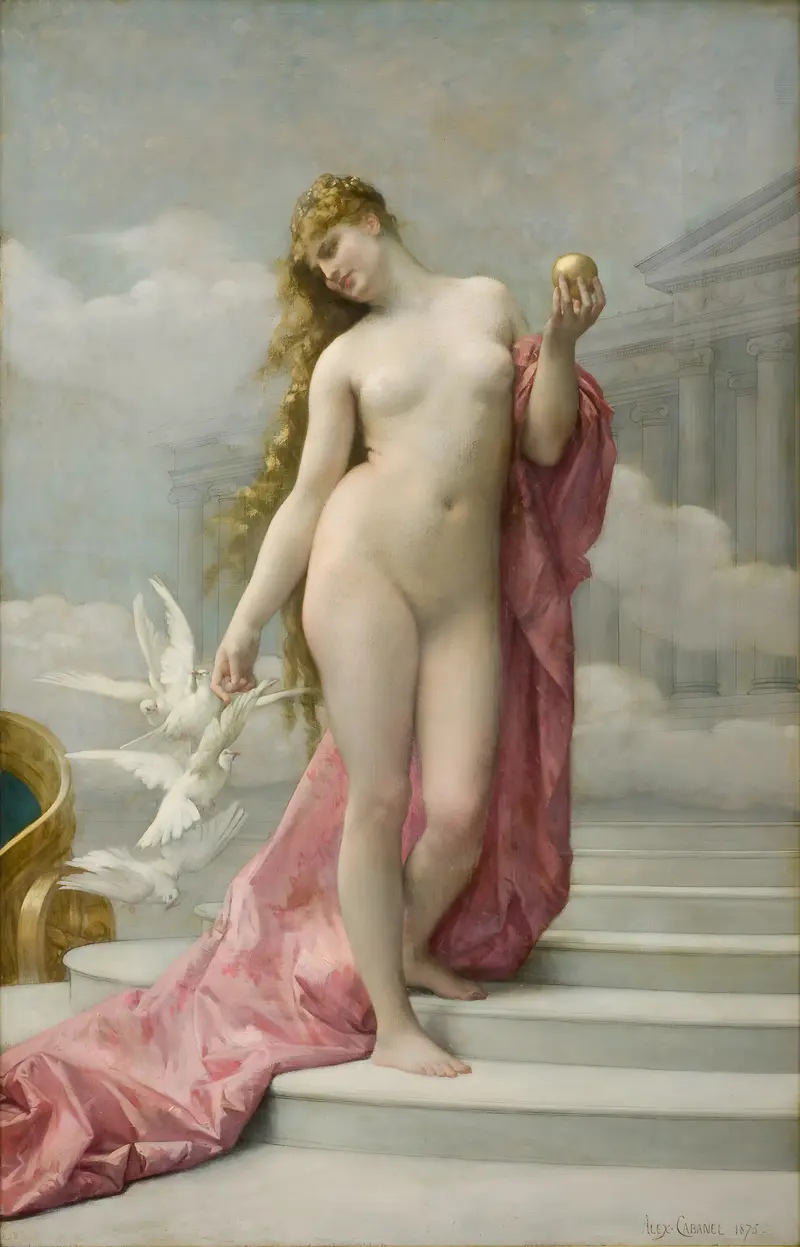
Vénus victorieuse
Alexandre Cabanel
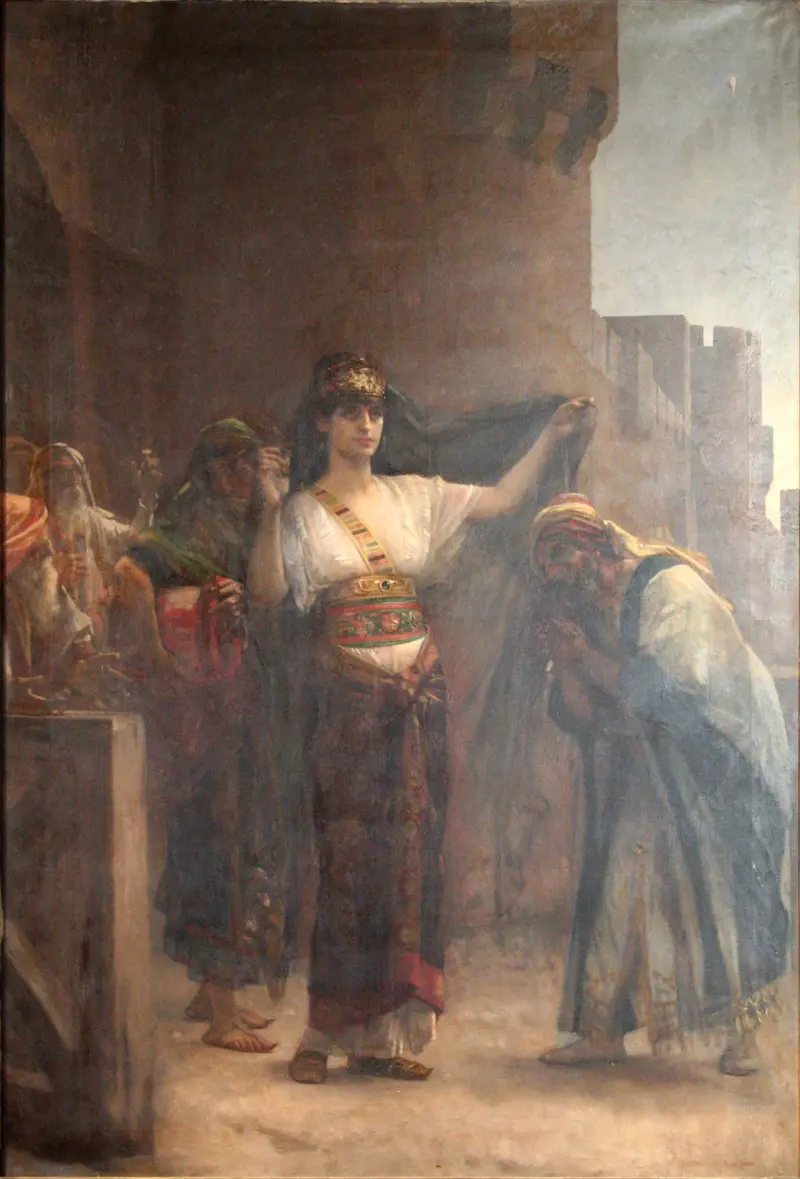
Judith
Alexandre Cabanel
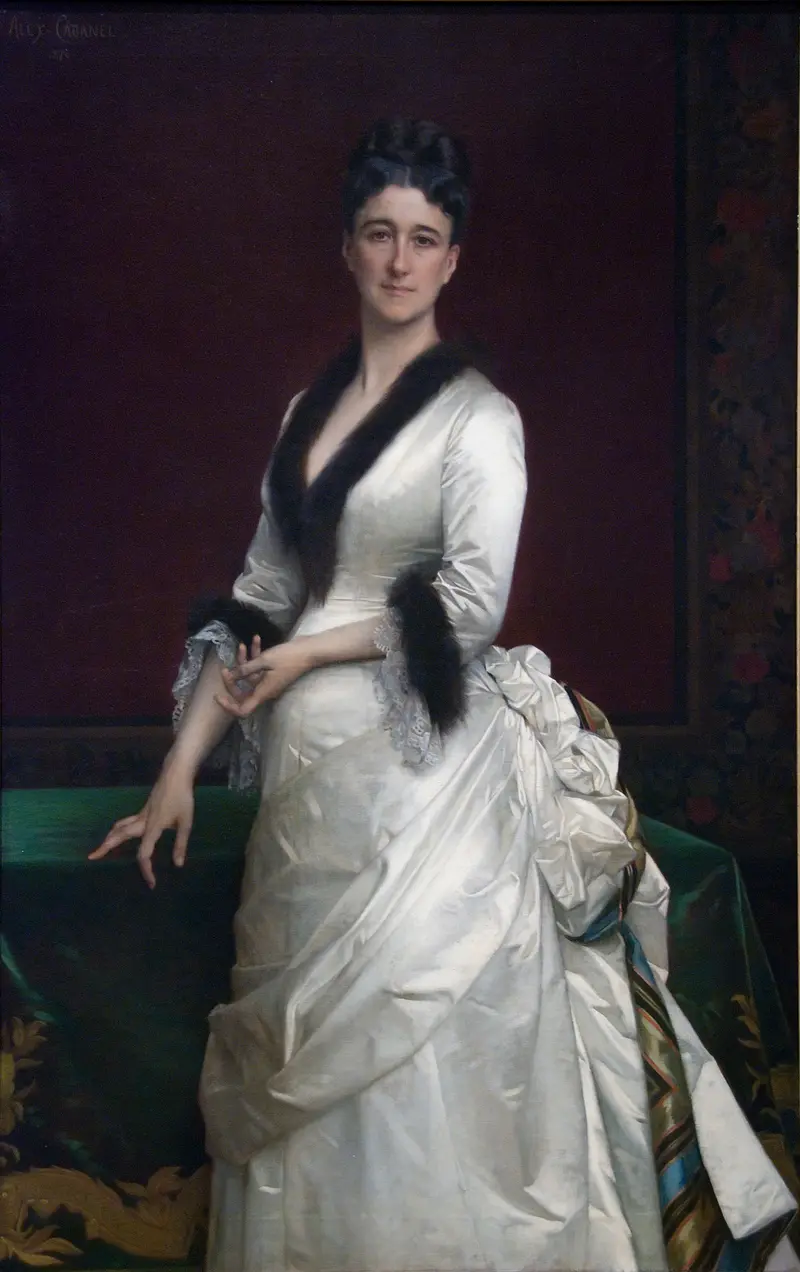
Catharine Lorillard Wolfe (1828–1887)
Alexandre Cabanel