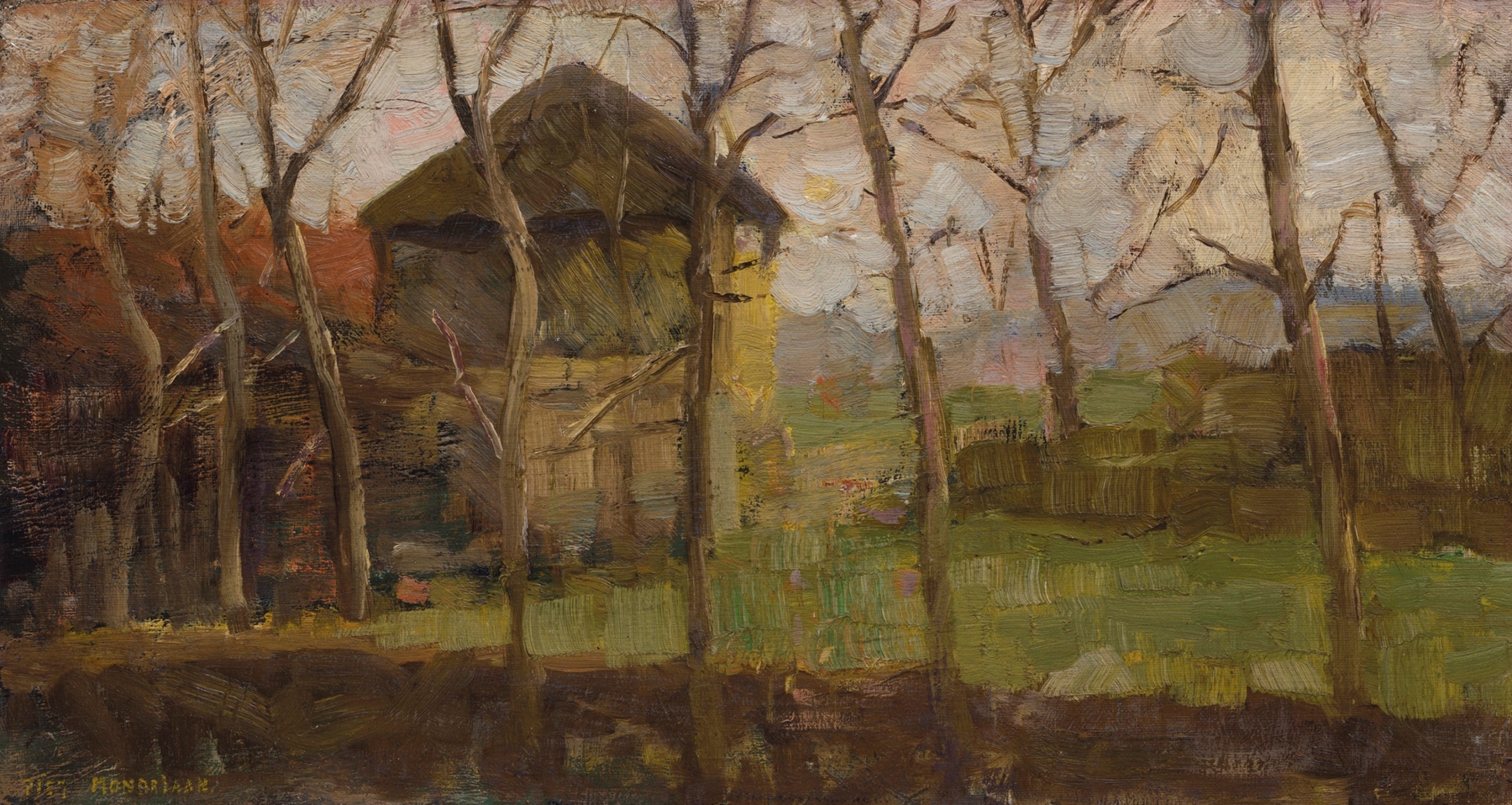
Boerenerf in het Gooi geflankeerd door jonge boompjes (Farmyard in Het Gooi flanked by saplings) — History & Analysis
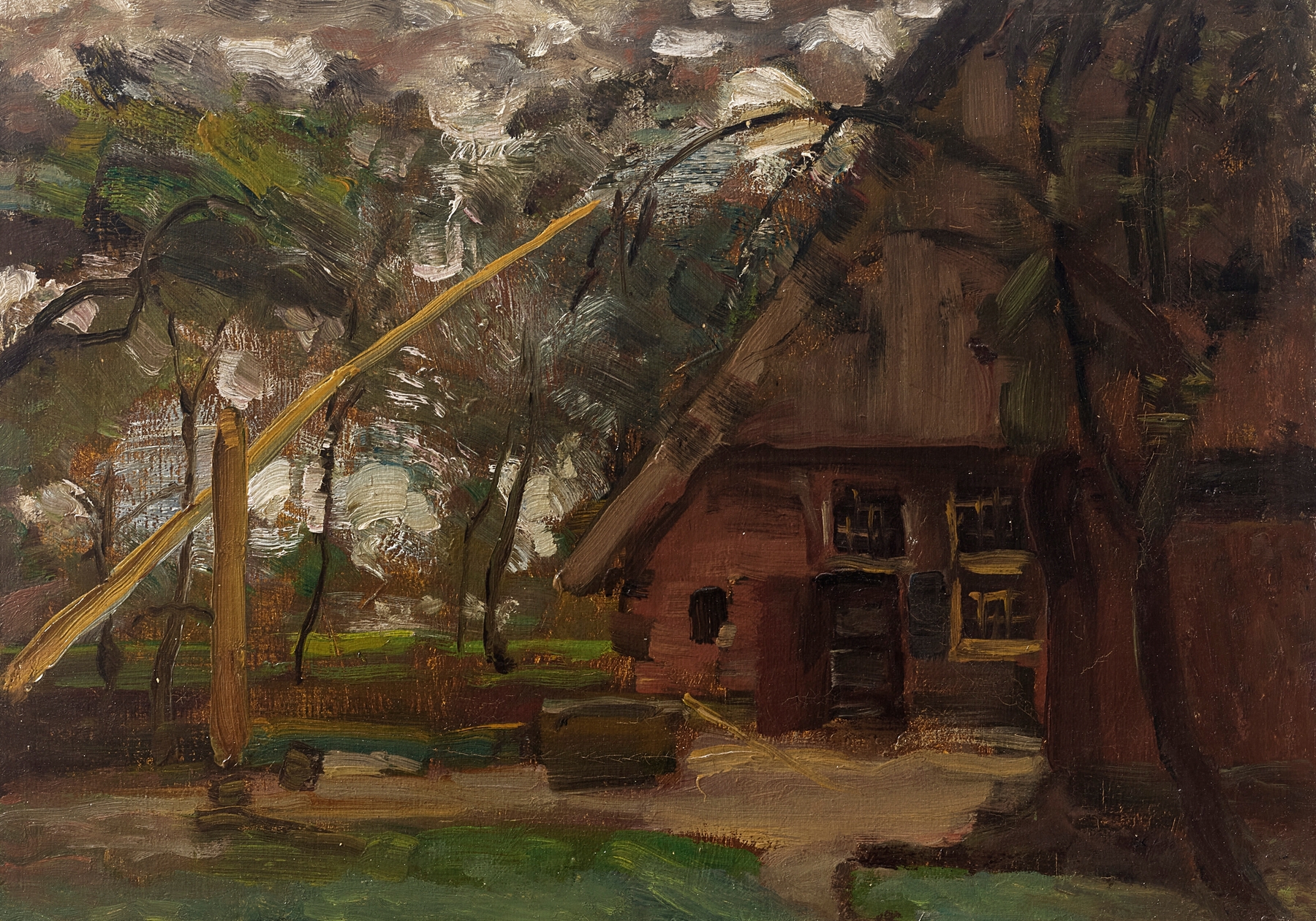
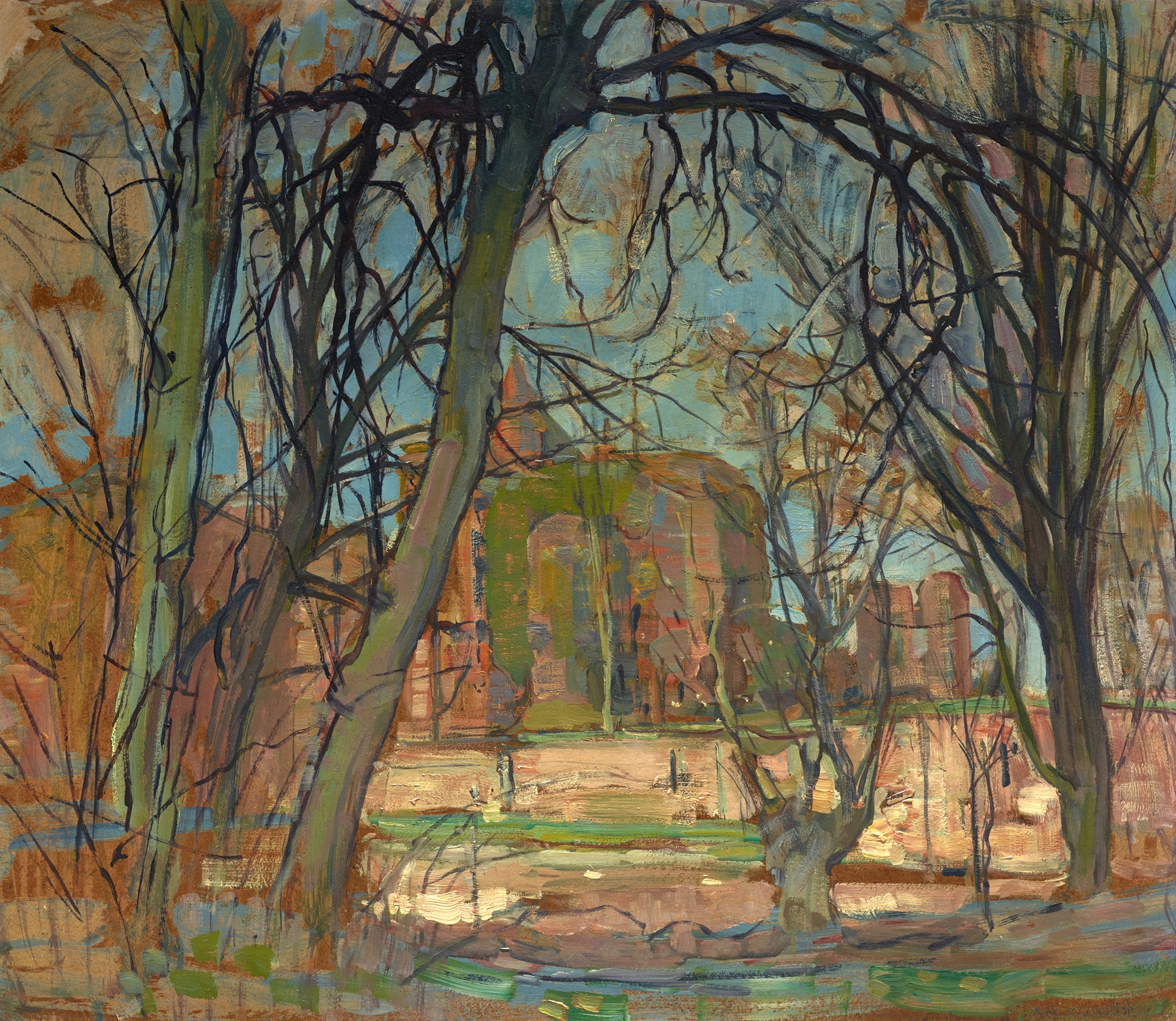
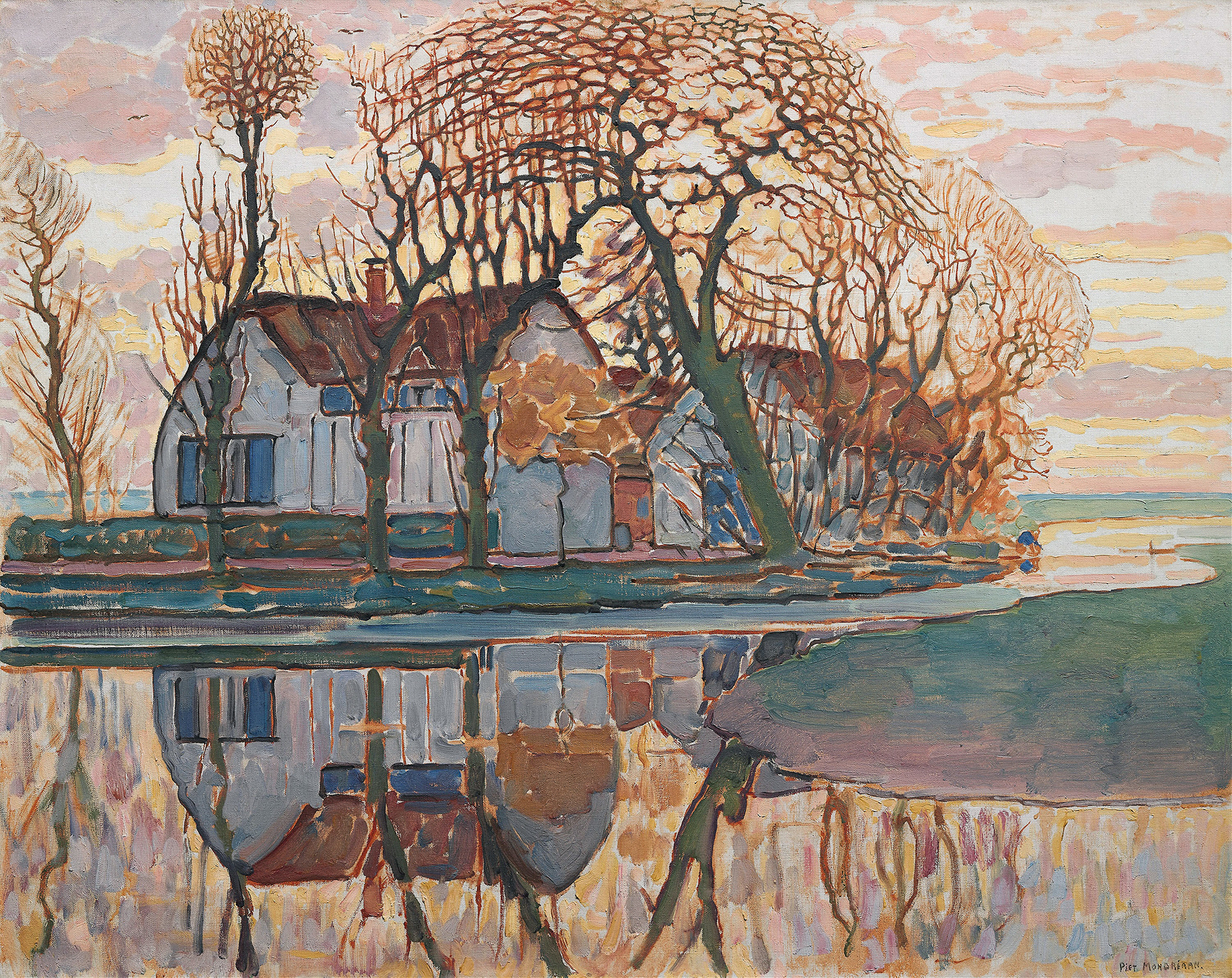
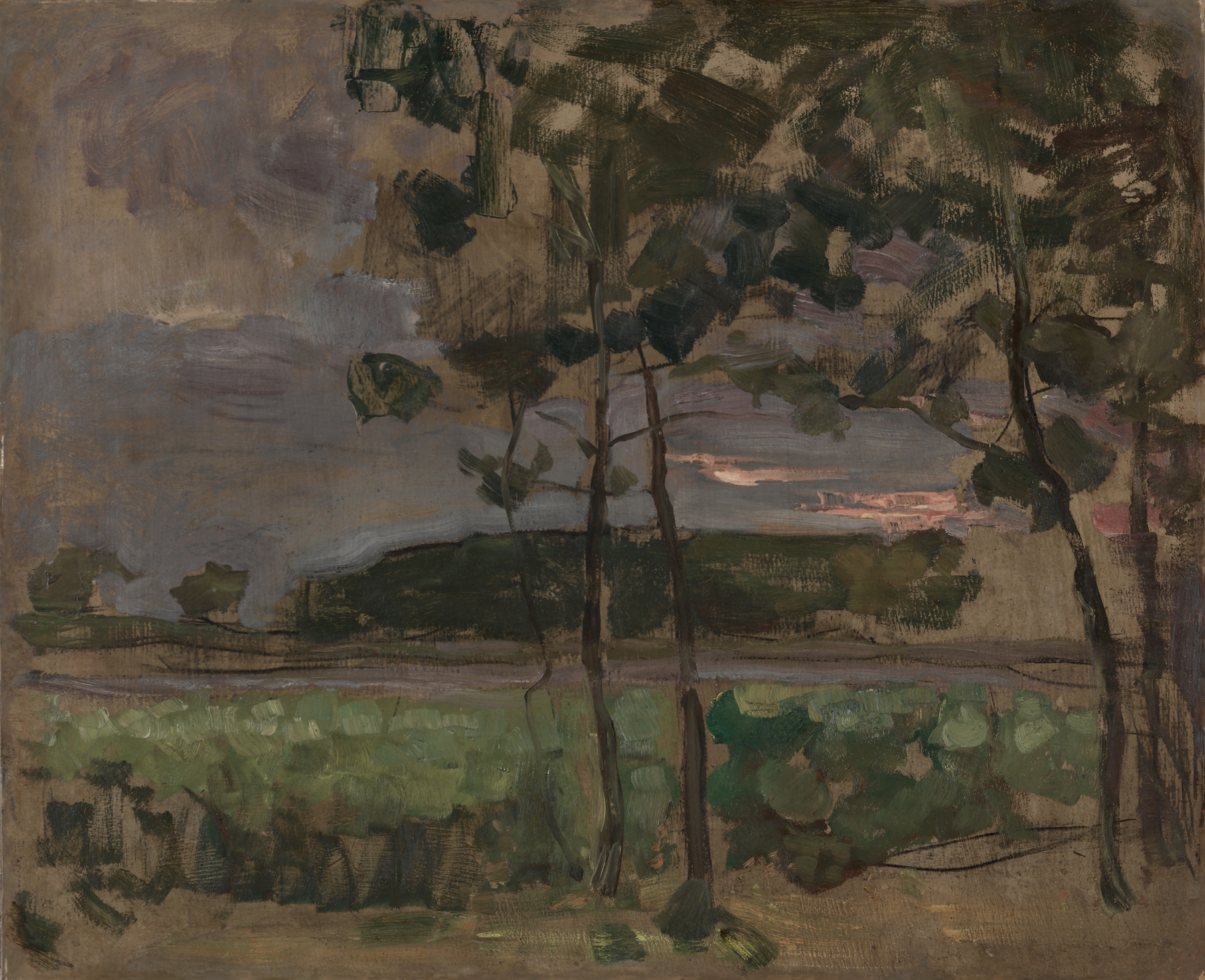
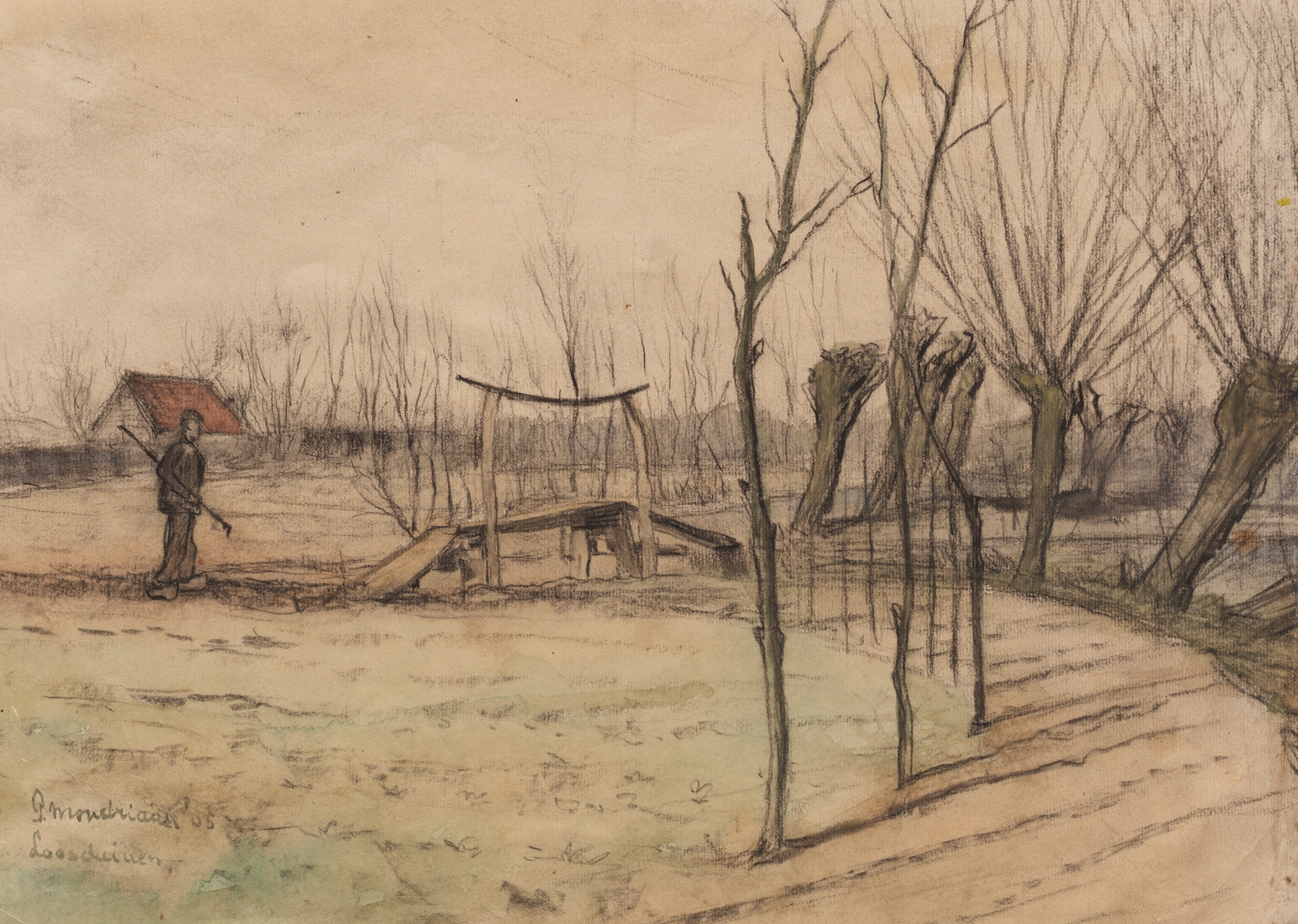
What if silence could speak through light? In the stillness of a rural landscape, dreams take form, conjured by the delicate balance of color and composition. Look to the left at gentle strokes of green that signify the earth, while the soft browns of the farmhouses ground the scene. Notice how the sun filters through the saplings, casting dappled shadows that invite you deeper into this tranquil world. The palette, a harmonious blend of muted tones, elicits a sense of calm, as each element seems intentionally placed to evoke both simplicity and complexity.
In the juxtaposition of the vibrant greens with the more reserved browns lies a poignant contrast—the vibrant essence of life against the steadfastness of tradition. Each sapling stands as a symbol of growth and hope, while the surrounding buildings offer a reminder of permanence. This interplay speaks to the cyclical nature of existence, a dance between what is fleeting and what endures. The composition, while seemingly straightforward, captures a dreamlike quality that beckons the viewer to linger and reflect.
Piet Mondrian created this work during his early years, around 1901-1902, while exploring the Dutch countryside. At this time, he was transitioning from realism to abstraction, influenced by the serene landscapes he encountered. The art world was beginning to shift, with the burgeoning modernist movement offering new avenues for expression. Mondrian's explorations in Boerenerf in het Gooi geflankeerd door jonge boompjes embody this period of transformation, capturing a moment that balances the tangible with the ethereal.