
Boomtakken — History & Facts
In a world caught in turmoil, moments of chaos reveal the rawest truths hidden beneath the surface, waiting to be unearthed. Look to the center of the canvas, where a ghostly figure stands amidst tumultuous swirls of color. The interplay of deep blues and blacks envelops the central form, while bursts of fiery reds and yellows punctuate the chaos around it. Notice how the thick, expressive brushstrokes create a sense of movement, suggesting an unseen force pulling the figure into the maelstrom.
The contrast of light and dark enhances the emotional tension, inviting the viewer to delve deeper into the figure's solitude. This haunting presence evokes feelings of isolation and vulnerability. The chaotic backdrop can be interpreted as a reflection of the internal struggles we face, while the figure embodies the search for clarity amidst confusion. Shadows cast by the turbulent surroundings highlight the contrast between the external chaos and the inner silence, a poignant reminder of the complexities of human emotion during tumultuous times. Created in 1940, this work emerged while Spilliaert was grappling with personal upheaval and the broader anxieties of a world on the brink of war.
Living in Belgium during a period marked by uncertainty, he drew inspiration from the existential themes of his time. His exploration of the human condition through stark imagery and emotional depth solidified his unique voice in modern art, as he captured the essence of chaos resonating in the hearts of many.
More Artworks by Léon Spilliaert
Browse all →
Beachview at night
Léon Spilliaert

Strand met maan
Léon Spilliaert

De zeedijk te Oostende van op het staketsel gezien
Léon Spilliaert
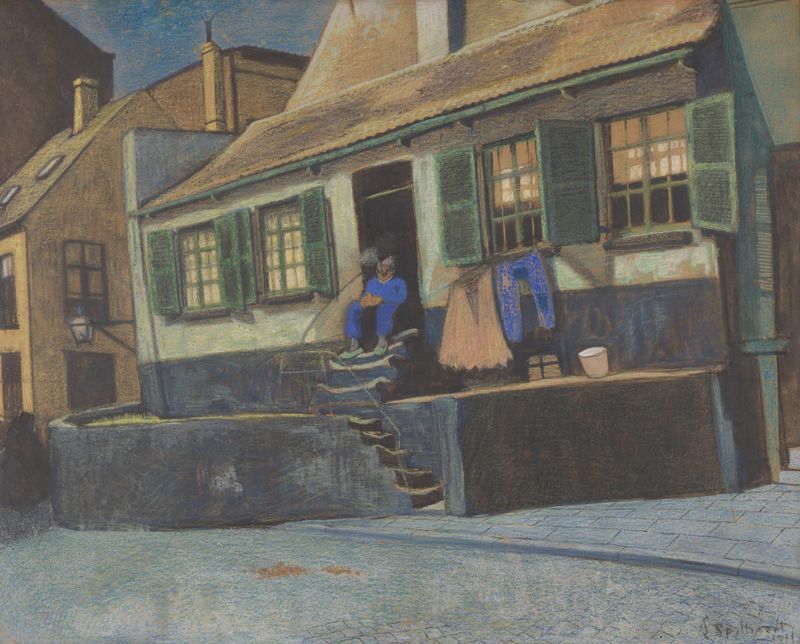
Het huis genaamd ‘De Preekstoel’ te Oostende
Léon Spilliaert

Vijgenboom in de winter, Grasse
Léon Spilliaert
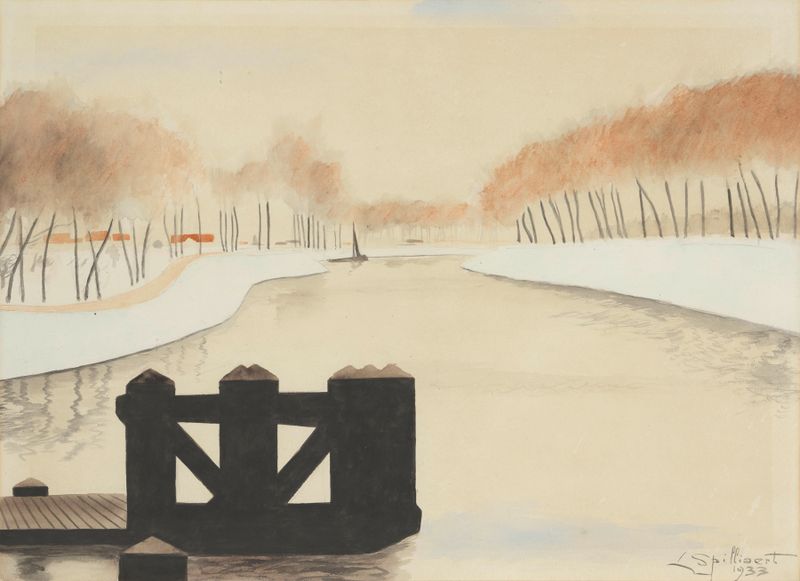
De Keignaertkreek in Zandvoorde
Léon Spilliaert
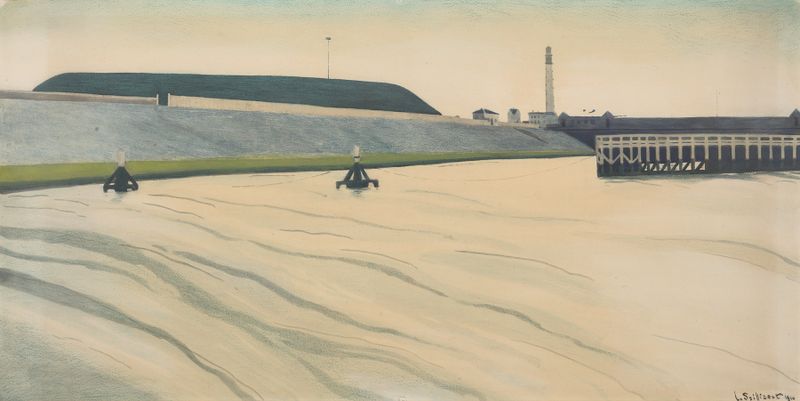
Haven te Oostende
Léon Spilliaert
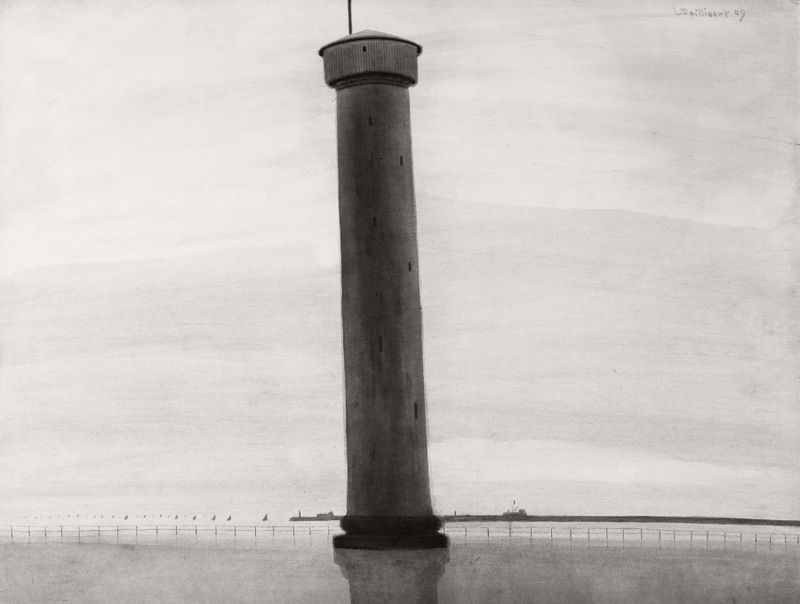
Le Phare aux signaux [De vuurtoren]
Léon Spilliaert
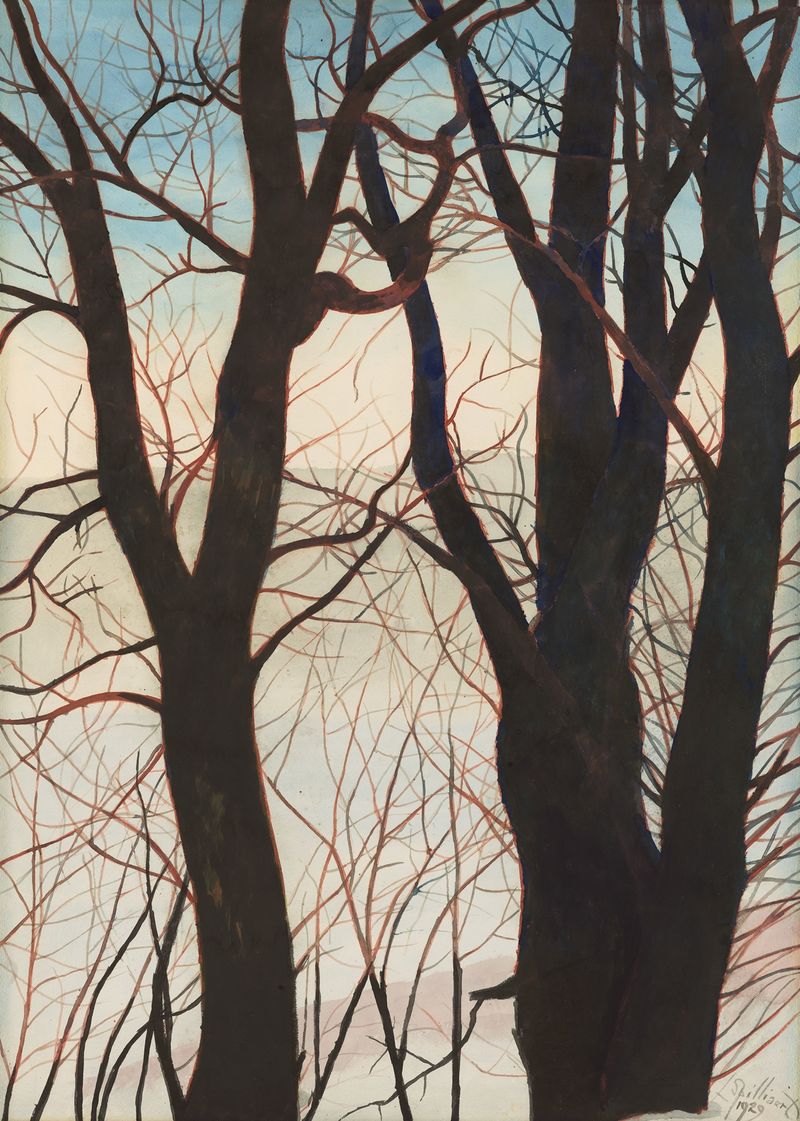
Bomen in de sneeuw
Léon Spilliaert
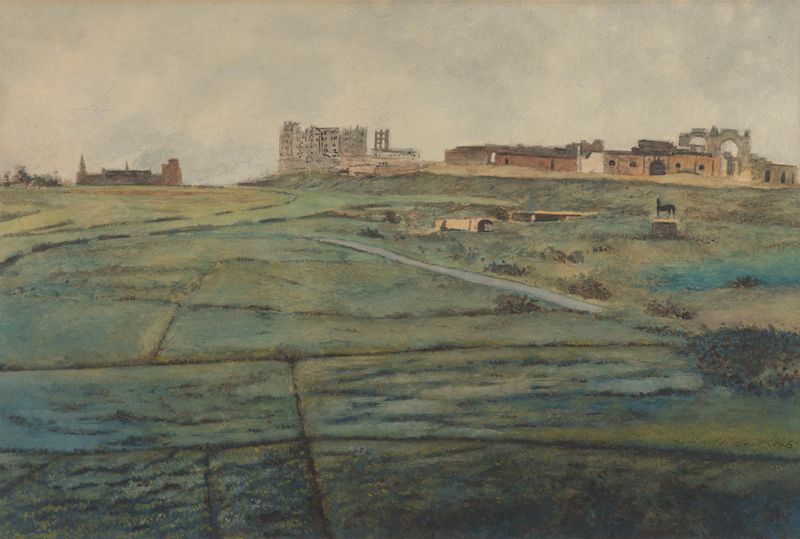
De Wellingtonrenbaan en het Royal Palace Hotel te Oostende kort na de Tweede Wereldoorlog
Léon Spilliaert





